If you keep up to date with the latest fitness trends, you've likely seen the craze of 'dry scooping' on your social media feed.
If you're unfamiliar with this term, 'dry scooping' is consuming pre-workout or supplement powders, such as creatine, without dissolving them in water as advised.
With creators endorsing this trend as the secret to unlocking better results, it's unsurprising that many people are jumping on the bandwagon and giving this so-called 'hack' a try.
But don't be fooled! The reality is that dry scooping is unlikely to have any additional benefits, such as improved performance.
And what's worse is that it might not just be ineffective – it could actually be harmful to your health.
Read on to discover the health risks associated with dry scooping – and why you definitely shouldn't give it a try.
- This is the best low-impact class to burn fat (and it's not Pilates)
- This workout is the quickest way to tone up, says personal trainer
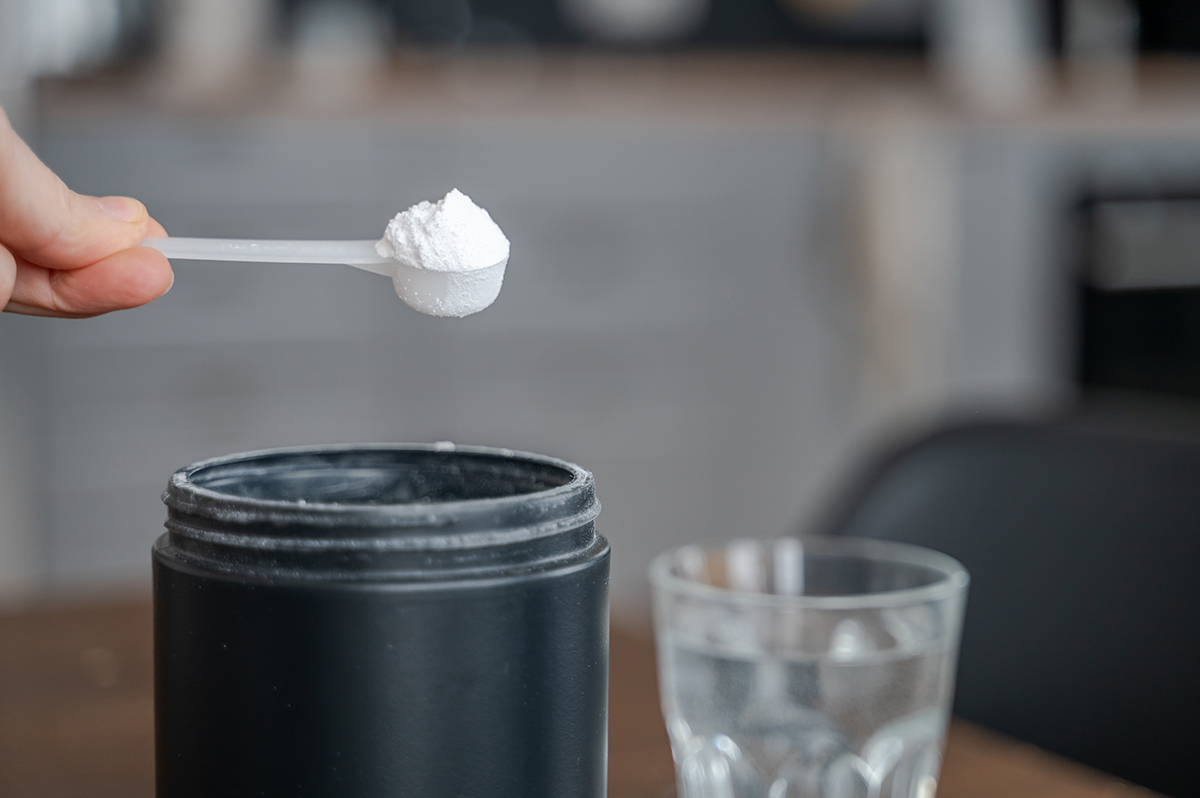
It can cause choking
Does the 'cinnamon challenge' ring any bells? If you remember the aggressive coughing and spluttering that followed ingesting a spoonful of cinnamon, it's no surprise that swallowing a scoop of sports supplement is also likely to be an unpleasant experience.
Unlike when the powders are dissolved in liquid and can be easily sipped before or during your workout, swallowing a whole serving of dry powder is far more difficult – and less comfortable!
The powder may become a thick paste – soaking up the saliva in your mouth – which is harder to swallow and can cause coughing and choking.
Additionally, breathing in the powder can irritate the airways, which also causes coughing. In serious cases, this can lead to difficulty breathing.
It can cause lung inflammation
A further complication that can come with inhaling sports supplements is lung inflammation.
These powders can irritate your lungs, cause swelling, and potentially lead to serious infections such as pneumonia.

It can cause stomach issues
And it's not just the airways that dry scooping can affect. Not dissolving sports supplements in liquid as intended can also irritate the gut. Symptoms can include nausea, stomach cramps and bloating.
Additionally, pre-workout supplements that contain high doses of caffeine can also cause unpleasant stomach symptoms.
Individuals may find that they feel sick or experience diarrhoea following the large caffeine hit – especially if they have a caffeine sensitivity.
Plus, many pre-workout powders contain artificial sweeteners, which can also cause an upset stomach.
It can affect your heart
Pre-workout powders can be effective at helping people push themselves during their workout because they contain caffeine.
As a stimulant, caffeine can help individuals engage in longer, higher-intensity workouts, potentially enhancing results.
But while incorporating a pre-workout powder can increase performance for some people, for others, the high dose of caffeine can have negative side effects.
According to Healthline, one serving of pre-workout can contain as much caffeine as 2-3 cups of coffee. And this is made worse by dry scooping, where you consume the serving in one go.
The large caffeine spike may cause jitteriness and shaking. It can also affect your heart, causing symptoms such as an elevated heart rate, higher blood pressure, and heart palpitations.
In the most severe cases, there is also a chance of a heart attack.
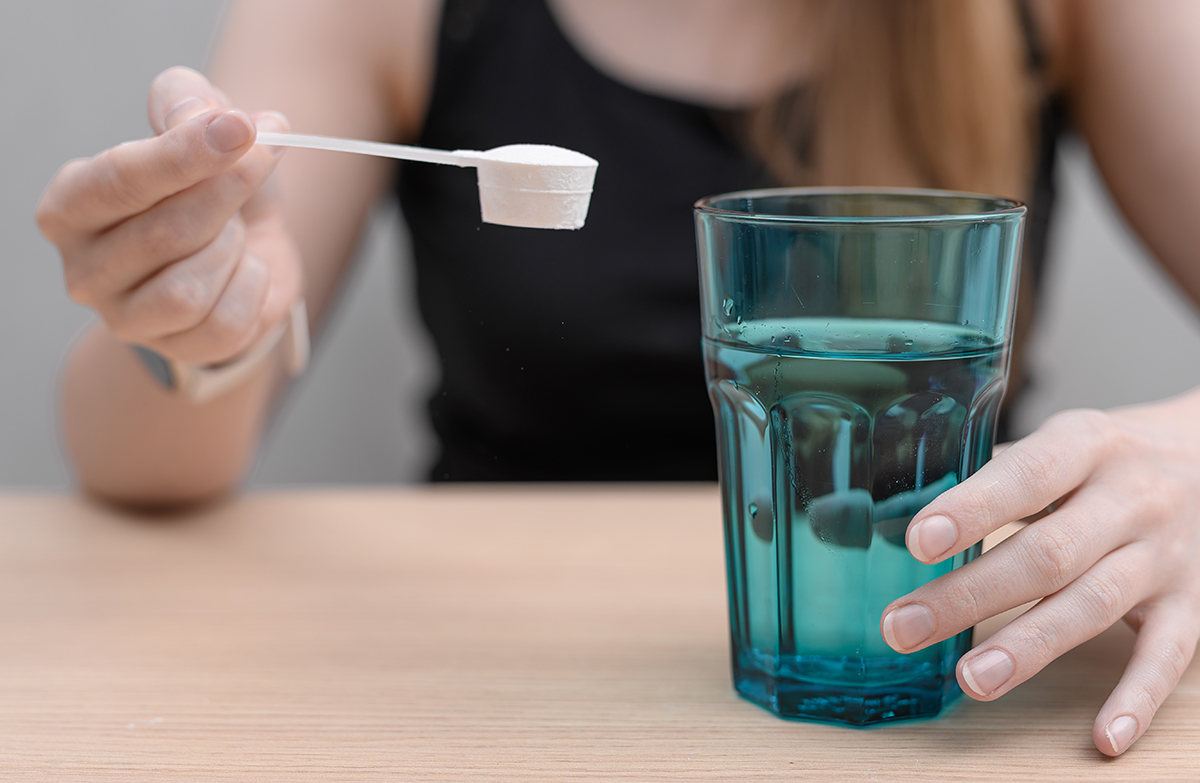
Don't risk it! Stick to dissolving your supplement powders
Ultimately, dry scooping is not worth the risk and can pose various threats to your health. What's more, experts generally do not believe that it improves the effectiveness of pre-workout or supplement powders.
Daniel Herman, NASM Nutritionist and founder of health and fitness nutrition brand Bio-Synergy, agrees that you should not dry scoop creatine, which is one of the main supplements consumed as part of this trend.
“Dry scooping creatine is not advised and is generally a really bad idea, it can cause choking and all the research states the importance of taking creatine with water or a carbohydrate drink,” he says.
Read more: