
These are the laziest ways to burn belly fat fast
For decades, fat loss has been sold as something you have to earn through suffering. Gruelling workouts. Strict diets. Constant discipline. The message is clear: if you’re not exhausted, hungry, or miserable, you’re doing it wrong. But science, and lived experience, tell a different story.
Sustainable fat loss is far less about intense effort and far more about small, low-stress habits repeated consistently. In fact, many of the most effective ways to burn fat require surprisingly little willpower, time, or physical strain. They don’t look dramatic. They don’t make for viral transformation videos. And they work precisely because they don’t push the body into survival mode.
If you’ve ever felt too tired, overwhelmed, busy, injured, or burnt out to commit to traditional “fitness,” this approach isn’t cheating. It’s smarter and far more realistic.
- Lose weight and lower your blood pressure fast with this science-backed diet
- Here's the easiest ways to get in shape at home

Why “lazy” fat loss works better
The body does not respond well to constant pressure. Extreme dieting and intense exercise elevate stress hormones such as cortisol, increase hunger, disrupt sleep, and can slow metabolism over time. This is one of the main reasons so many people lose weight briefly, then regain it, often with added frustration and self-blame.
Low-effort strategies work because they operate with the body rather than against it. They:
- Avoid triggering chronic stress responses
- Don’t depend on high motivation or perfect discipline
- Are easier to maintain over months and years
- Fit into real, imperfect lives
Fat loss isn’t about burning the maximum number of calories in a single session. It’s about gently tipping the energy balance day after day, in a way the nervous system can tolerate and sustain.
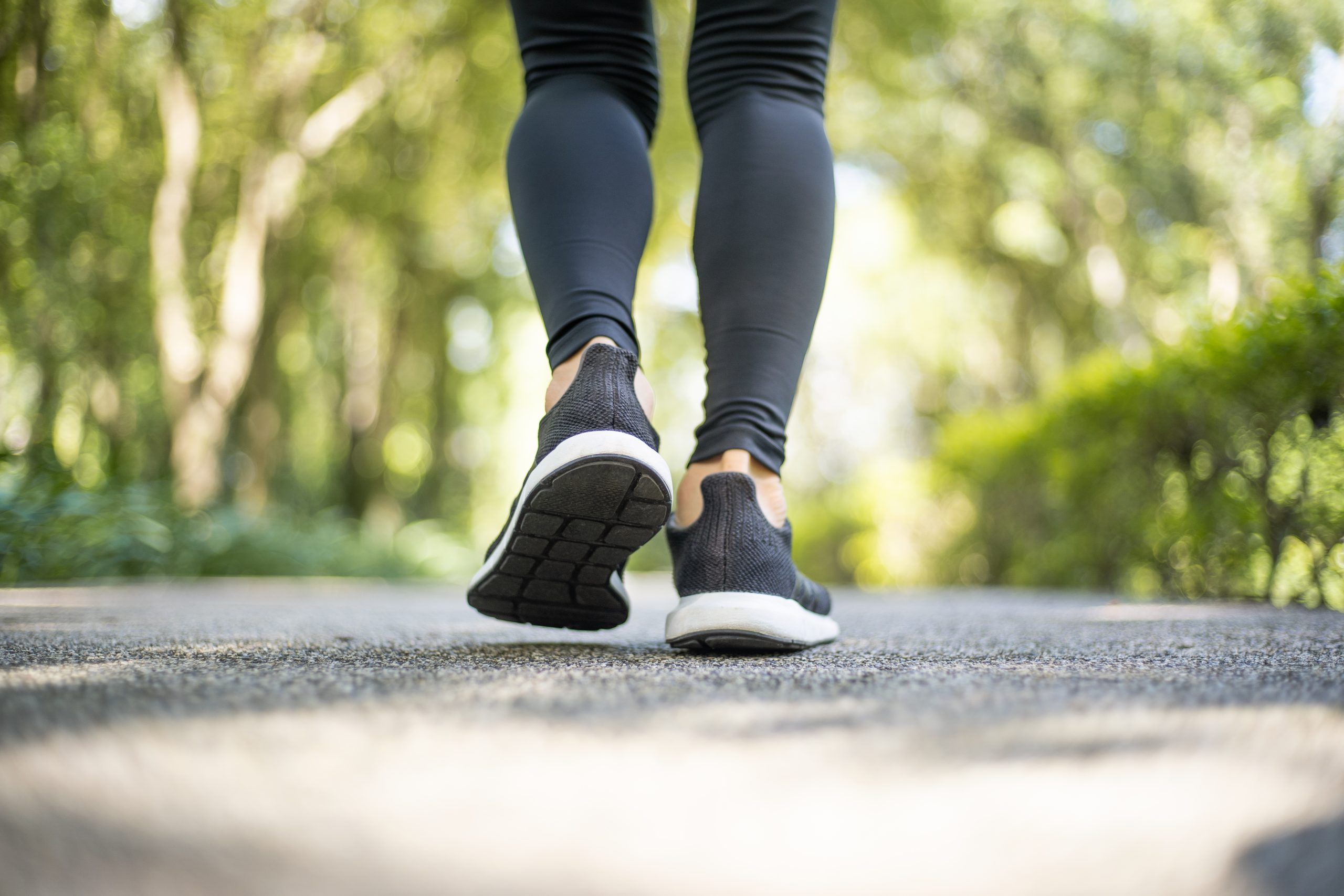
1. Walking: The most underrated fat-burner
If walking were a pill, it would be prescribed to almost everyone.
Walking burns fat efficiently without spiking hunger, cortisol, or fatigue. It primarily uses fat as fuel, particularly at a comfortable pace, and it doesn’t require recovery days, special equipment, or mental preparation.
You don’t need 10,000 steps or power walking. Even 20–30 minutes a day, broken into short bouts, can make a meaningful difference over time. A walk after meals, a stroll while listening to a podcast, or pacing while on phone calls all count.
Walking also:
- Improves insulin sensitivity
- Lowers stress hormones
- Supports digestion
- Improves sleep quality
And because it doesn’t feel like “exercise,” people actually keep doing it.
2. Sleeping more: Fat loss while doing nothing
Sleep deprivation is one of the fastest and most overlooked ways to sabotage fat loss.
When you don’t sleep enough:
- Hunger hormones increase
- Fullness hormones decrease
- Cravings intensify
- Willpower and decision-making decline
The body becomes more likely to store fat, particularly around the abdomen, as it prioritises survival over efficiency.
Getting 7–9 hours of sleep doesn’t burn many calories directly, but it prevents the hormonal disruption that drives overeating and fat retention. In many cases, improving sleep alone leads to weight changes without touching diet or exercise.
If you want the laziest fat-loss strategy of all, start with your bedtime.
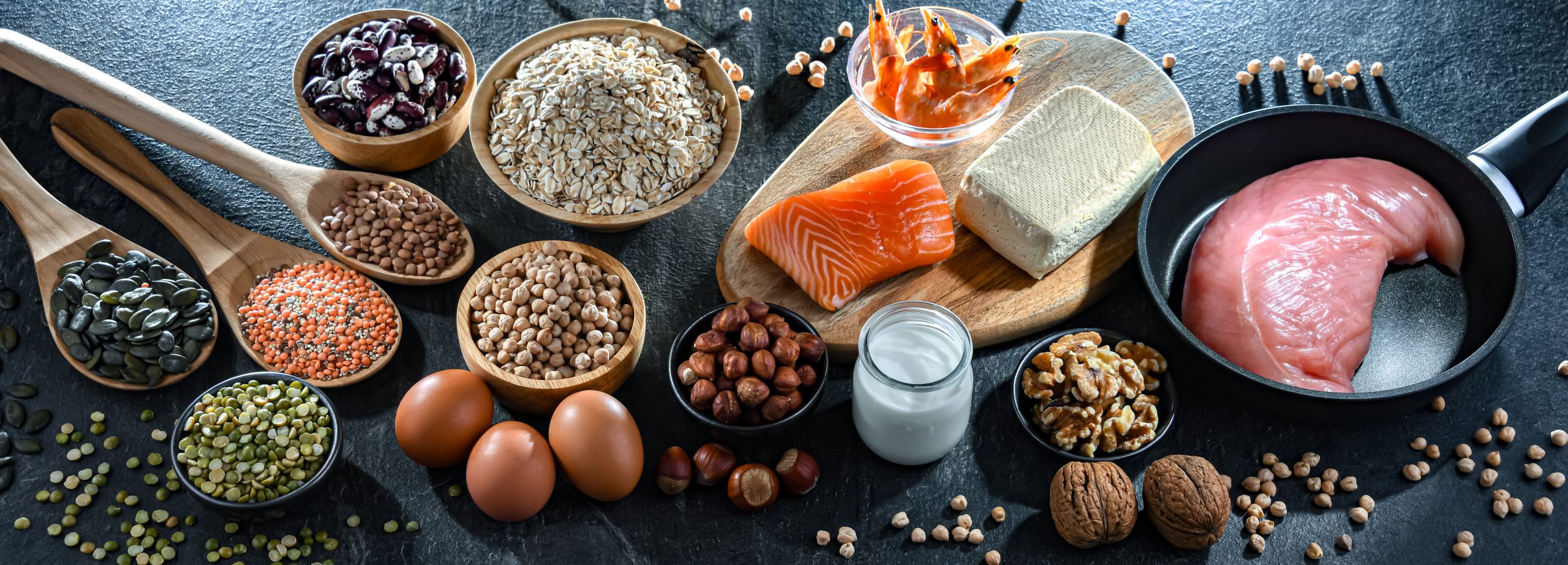
3. Eating protein first (without dieting)
You don’t need to count calories or cut entire food groups to lose fat.
Simply eating protein first at meals can:
- Slightly increase calorie burn (protein requires more energy to digest)
- Keep you fuller for longer
- Reduce snacking later in the day
Protein stabilises blood sugar and prevents the energy crashes that often lead to overeating. Starting meals with eggs, yogurt, chicken, fish, beans, tofu, or lentils naturally nudges intake down without restriction.
4. Standing and fidgeting: Calories without exercise
Formal workouts account for a surprisingly small portion of daily calorie burn. What matters more is NEAT, non-exercise activity thermogenesis, the calories burned through everyday movement.
Standing burns more calories than sitting. Pacing while on calls counts. Stretching while watching television counts. Tidying, shifting position, and even fidgeting all contribute.
For example, standing while scrolling instead of sitting, or walking during phone calls, can add hundreds of extra calories burned over a week without ever “working out.”
This isn’t about turning life into a productivity contest. It’s about letting the body move naturally instead of remaining frozen in a chair all day.

5. Drinking more water (yes, really)
Hydration affects fat loss in subtle but meaningful ways.
Drinking enough water:
- Slightly increases calorie burn
- Reduces mistaking thirst for hunger
- Improves energy, focus, and digestion
Replacing even one sugary drink a day with water can shift fat loss over weeks and months, without effort, rules, or deprivation.
6. Eating more slowly
This may be the simplest habit on the list and one of the most powerful.
When you eat quickly, the brain doesn’t register fullness until after you’ve eaten more than you need. Slowing down allows hunger and satiety signals to sync properly.
Eating more slowly:
- Reduces total intake naturally
- Improves digestion
- Increases satisfaction and enjoyment
You don’t need mindfulness training or perfect awareness. Just pause between bites. Put the fork down occasionally. Chew a little longer. That alone can change how much you eat.

7. Chair exercises: Burning fat without even standing up
For people who are exhausted, injured, managing chronic pain, working long hours at a desk, or simply not in the mood for “proper” exercise, chair-based movement can be surprisingly effective.
While it won’t replace high-intensity training, chair exercise still raises heart rate, improves circulation, and contributes to daily calorie burn without placing stress on joints or overwhelming the nervous system.
Chair exercises work best when they are continuous and rhythmic, rather than slow or isolated. The aim isn’t to build muscle or perfect form, but to gently stimulate the body and keep it moving.
Effective chair-based fat-burning movements include:
- Fast seated marching or knee lifts, which raise heart rate and engage the core and hips
- Chair boxing, using large arm movements and light torso rotation to activate the upper body
- Seated jumping jacks, mimicking the traditional movement in a low-impact way
- Rapid leg extensions or toe taps, which improve blood flow and prevent stiffness
- Short seated cardio circuits, linking movements together with minimal rest
Performed at a steady pace for 10–20 minutes, these movements can burn a meaningful number of calories, particularly for people who are otherwise sedentary. They also contribute to NEAT, which plays a larger role in fat loss than most people realise.
Because chair exercises don’t feel intimidating or exhausting, they’re easier to start and easier to repeat. Even five minutes here and there adds up.
8. Repeating meals to reduce overeating
Decision fatigue is real and it drives overeating.
When meals are complex, highly varied, or constantly changing, the brain stays stimulated and appetite increases. Repeating simple meals removes mental noise and makes it easier to recognise fullness.
This doesn’t mean eating bland food forever. It means:
- Keeping breakfast and lunch simple
- Saving variety for dinners or snacks
- Rotating a few reliable meals
Boring meals reduce overeating without feeling restrictive. This is a perfect opportunity to batch cook.
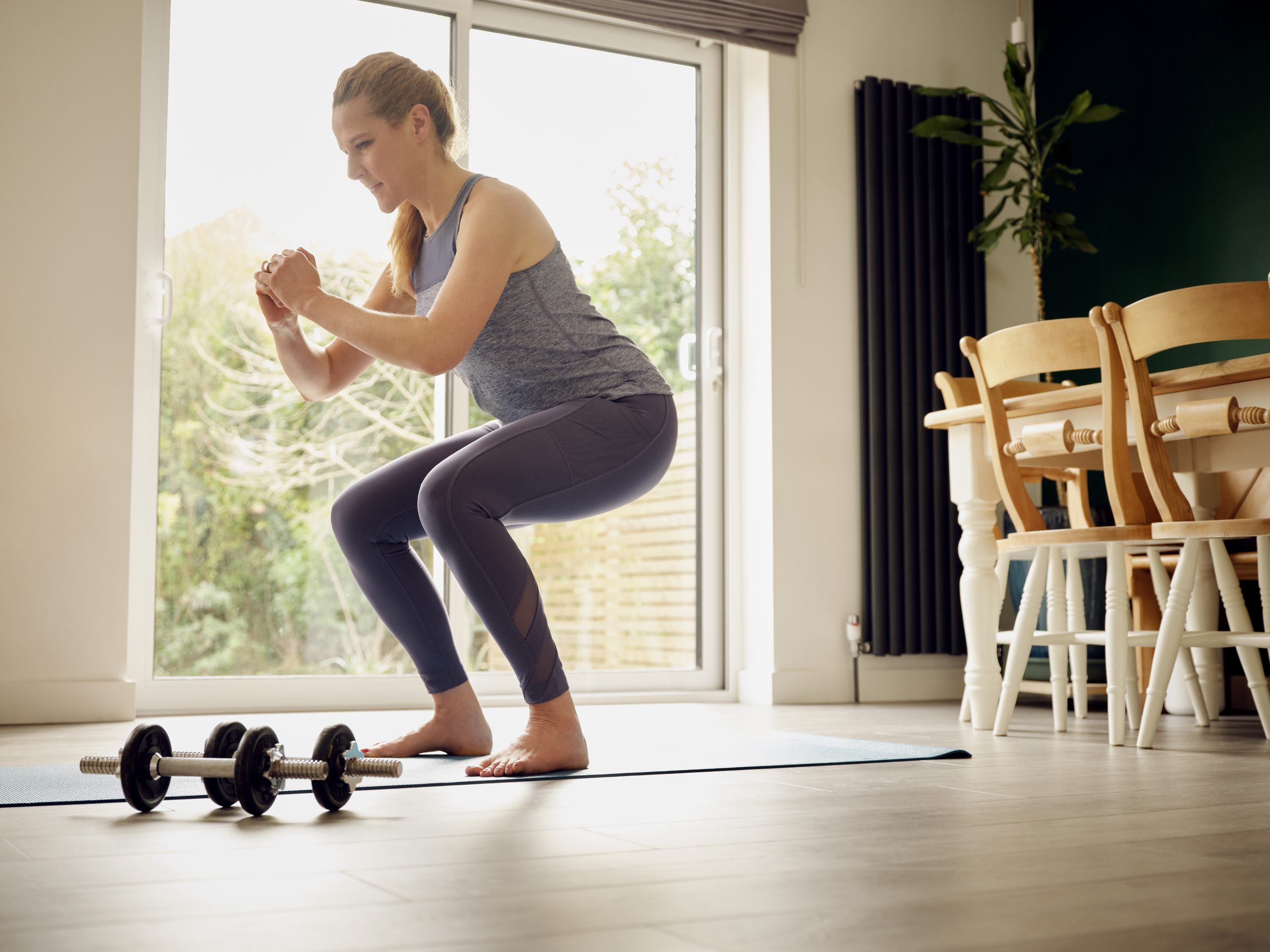
9. Tiny amounts of strength work
You don’t need full workouts to benefit from strength training.
Even 5–10 minutes, a few times a week, can:
- Preserve muscle mass
- Slightly increase resting calorie burn
- Improve insulin sensitivity
Wall push-ups, chair squats, resistance bands, or light dumbbells are enough. Muscle doesn’t just affect appearance; it quietly burns more calories all day.
10. Stress reduction: The invisible fat-loss tool
Chronic stress signals threat. In response, the body:
- Stores fat more readily
- Increases cravings
- Disrupts sleep and recovery
Lowering stress often leads to fat loss without changing food or movement at all. This doesn’t mean eliminating stress it means managing it through:
- Gentle movement
- Music or downtime
- Deep breathing
- Saying no more often
When the nervous system calms, the body becomes more willing to let go of fat.

11. Choosing what you don’t hate
This may be the most important strategy of all.
Consistency beats intensity every time. The most effective fat-loss habit is the one you’ll actually keep doing.
- If you hate running, it won’t last.
- If you dread workouts, you’ll quit.
- If food rules feel punishing, they’ll backfire.
“Lazy” fat loss works because it aligns with human nature instead of fighting it.
Why doing less often works better
The body doesn’t reward punishment. It responds to safety, consistency, and balance. The most effective “lazy” fat-loss strategies work because they:
- Reduce chronic stress
- Support hormonal balance
- Fit into real, unpredictable lives
- Don’t rely on motivation or willpower
You don’t need to do everything. You don’t need to do it perfectly. You just need to do a few things gently and often.
Read more:
