
The 'caveman' hack that keeps your home cooler in a heatwave
When temperatures soar, most of us instinctively throw open every window in the house, hoping to create a cooling breeze, but that habit could be making your home hotter.
The "caveman method” is about treating your home like a cave: keeping it shaded, enclosed and protected from hot outside air during the day, then ventilating once the temperature drops in the evening. That means closing windows, curtains and blinds before the heat builds, then reopening windows later, where it's safe to do so, to flush out trapped warmth.
It might feel counterintuitive. After all, shutting yourself inside on a hot day sounds like a recipe for discomfort, but it works because you're preventing hot air from entering your home in the first place.
As more parts of the world experience high temperatures, interest in the caveman method has surged online, with homeowners claiming it keeps their properties noticeably cooler without relying on expensive air conditioning.
Here's why it works and how to do it properly.
- 4 steps to protecting your dog in a heatwave
- The surprising heat stroke symptom you should never ignore

Why caves stay cool
The clue is in the name. Natural caves remain remarkably stable in temperature throughout the year because they are protected from direct sunlight and insulated by the surrounding rock.
The rock absorbs heat very slowly and releases it just as gradually, preventing dramatic temperature swings. Your home obviously isn't buried underground, but the same principle can apply.
Walls, floors and ceilings all absorb heat from sunlight and warm outdoor air. Once that heat enters your home, it can continue radiating back into rooms well into the evening, making bedrooms particularly uncomfortable at bedtime.
Keeping that heat outside in the first place is far easier than trying to remove it later.
Be strategic with windows and doors
One of the most common misconceptions is that opening every window and door throughout a hot afternoon will cool the house.
In reality, if it's 32C outside and only 24C indoors, opening the windows simply allows hotter air to replace cooler indoor air.
The same applies to leaving external doors wide open. Instead of creating relief, you're effectively inviting the heat inside.
Internal doors matter too. If one side of your home is already significantly warmer than another, particularly rooms facing the afternoon sun, closing those doors can slow the spread of heat and help preserve cooler temperatures elsewhere.
Ventilation only becomes beneficial once outdoor temperatures fall below the temperature inside your home. That's why timing is everything.

Close curtains and blinds before the sun arrives
Sunlight pouring through windows can dramatically increase indoor temperatures.
South-facing and west-facing windows are particularly vulnerable because they receive the strongest afternoon sunshine.
Closing curtains, blinds or shutters before direct sunlight reaches the glass can block a significant proportion of the sun's heat.
Blackout curtains are particularly effective, but even ordinary curtains can make a noticeable difference.
Keeping blinds closed on the sunny side of the house can prevent rooms from becoming miniature greenhouses.
Keep windows shut during the hottest hours
Many people worry a closed-up house will become stuffy but unless the outdoor temperature is lower than the indoor temperature, opening windows often makes conditions worse.
Keeping them closed between late morning and early evening helps preserve the cooler air already inside the property.
Once temperatures begin dropping after sunset, that's the time to throw everything open.
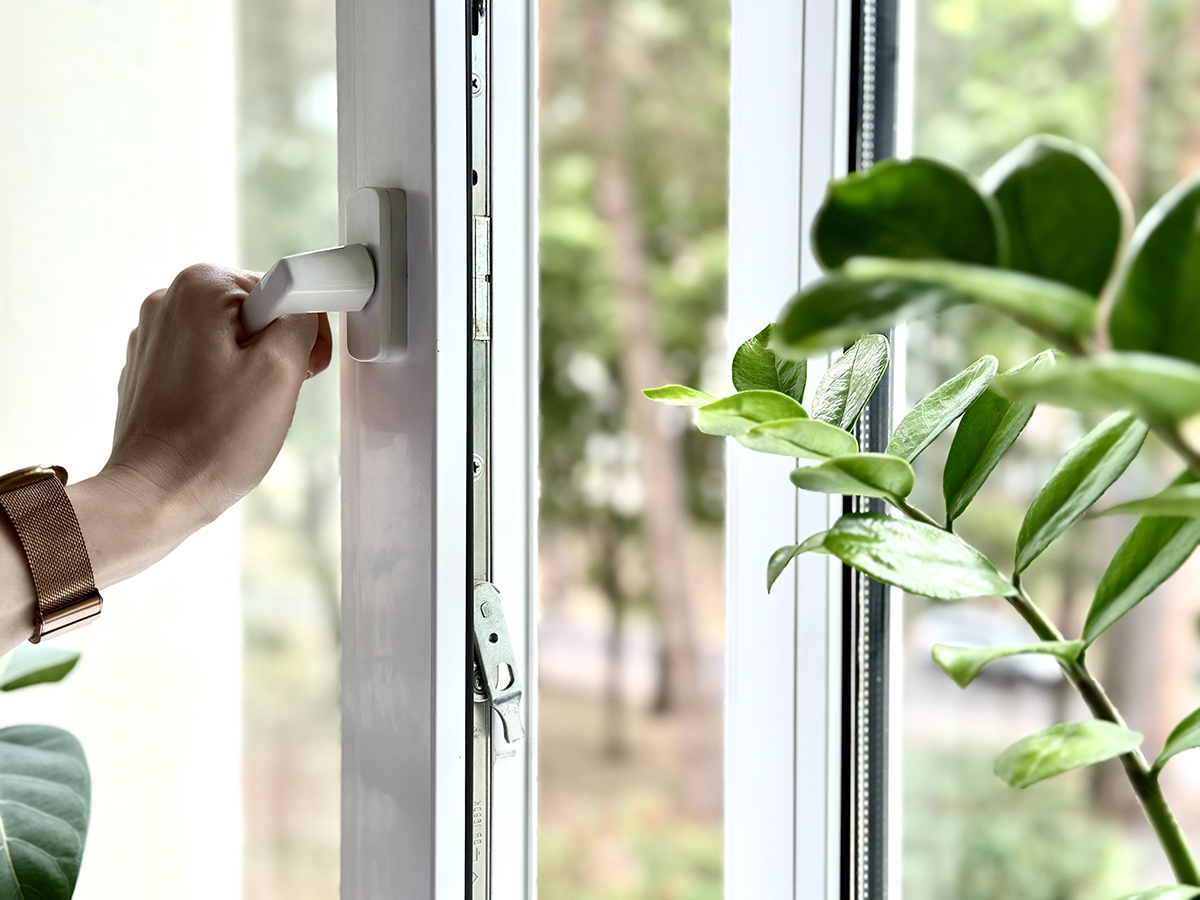
Open everything at night
The caveman method isn't about keeping your home sealed forever. In fact, the evening is when the magic happens.
Once outside temperatures become cooler than indoors, opening windows on opposite sides of the house encourages cross ventilation.
The cooler night air helps flush out heat stored in walls, ceilings and furniture.
If it's safe to do so, leaving upstairs windows slightly open overnight can help maintain that cooling effect until morning.
Switch off unnecessary appliances
Every electrical appliance generates heat. Televisions, computers, games consoles, tumble dryers and even charging devices all release warmth into your home.
Ovens are among the biggest culprits. Cooking a hot meal on one of the hottest days of the year can add significant extra heat to the kitchen and surrounding rooms.
Instead, consider salads, sandwiches, slow cookers, air fryers or outdoor barbecues when temperatures climb.
Even replacing traditional bulbs with LEDs can slightly reduce unwanted heat indoors.
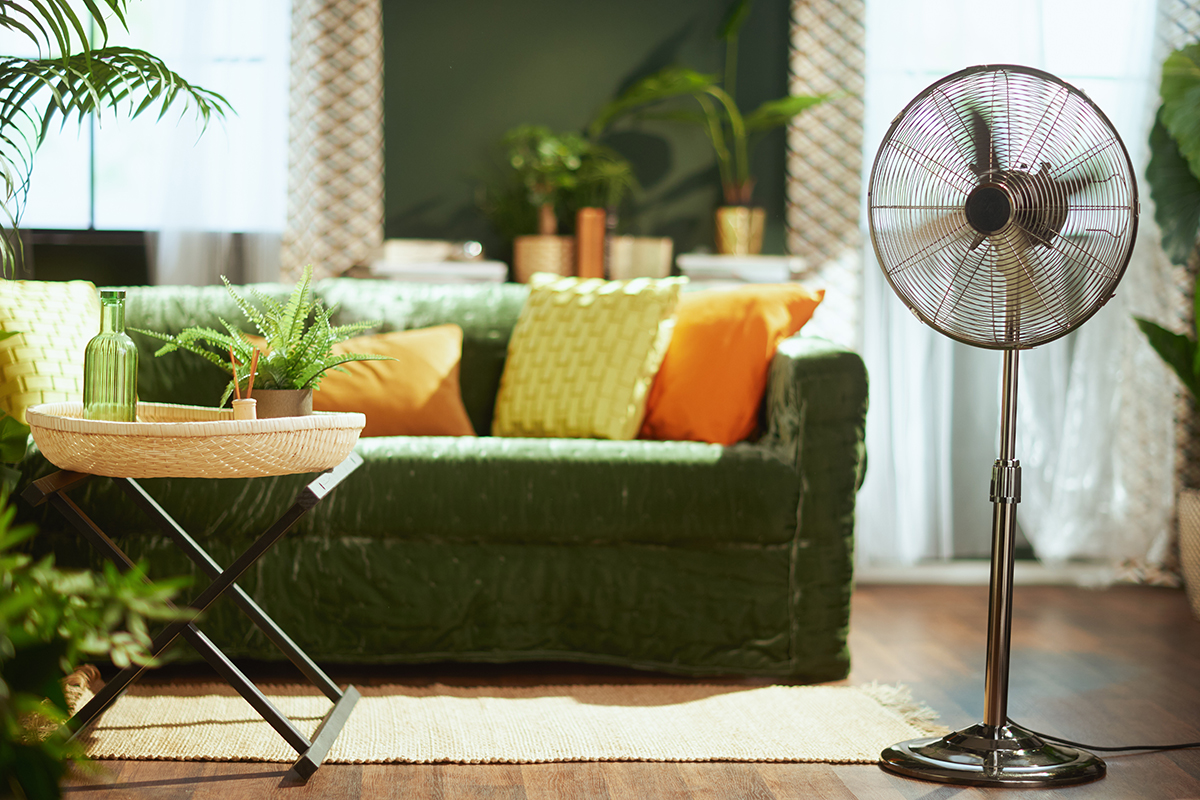
Reduce indoor humidity
Heat feels more uncomfortable when humidity is high. Drying washing indoors during hot weather releases litres of moisture into the air and long, steamy showers also increase humidity.
Using extractor fans, drying clothes outside and taking slightly cooler showers can all help your home feel fresher.
Shade the outside, not just the inside
Stopping sunlight before it reaches your windows is even more effective than closing curtains.
External shutters, awnings, pergolas and even strategically placed trees can dramatically reduce the amount of solar heat entering a property.
Some homeowners temporarily hang light-coloured outdoor fabric over particularly sunny windows during heatwaves.
Read more:
