
The surprising heat stroke symptom you should never ignore
Heat stroke is one of the most dangerous heat-related illnesses, but many people do not spot the warning signs until it becomes a medical emergency. During hot weather, intense exercise or prolonged time in the sun, the body can stop cooling itself properly. When that happens, body temperature can rise rapidly, and vital organs can begin to suffer damage within minutes.
Unlike heat exhaustion, heat stroke is potentially life-threatening and always needs urgent medical attention. It can affect anyone, but older adults, babies and young children, outdoor workers, athletes, and people with certain health conditions are at higher risk. During summer heatwaves, knowing what to look for could be lifesaving.
Heat stroke happens when the body’s temperature-control system becomes overwhelmed. Normally, sweating helps cool you down, but in extreme heat or humidity that process can fail. A body temperature of 40C or above is a major warning sign and without fast treatment, heat stroke can lead to organ failure, long-term complications or death.
Recognising the symptoms early can make all the difference. Here are the key symptoms to watch for.
- You're using your SPF wrong and it could be doing more damage than you think...
- This is how much water you should actually drink each day, according to doctors

Extremely high body temperature
One of the clearest signs of heat stroke is a dangerously high body temperature. A core temperature of 40C or higher is considered a major warning sign. At this stage, the body is no longer able to cool itself effectively.
A person may feel intensely hot to the touch, particularly on the chest or back. In many cases, the skin becomes flushed or red because blood vessels widen to release heat.
It is important not to dismiss a very high temperature as simply feeling overheated after a warm day.
Confusion or unusual behaviour
A sudden change in mental function is one of the clearest red flags for heat stroke. As body temperature rises, the brain can be affected, causing confusion, irritability, disorientation or unusual behaviour.
Someone with heat stroke may struggle to answer simple questions, seem unusually agitated, speak unclearly, or look dazed. They may also have poor coordination or seem unaware of where they are.
In severe cases, a person can become delirious, lose consciousness, or have seizures.

Hot, red, or dry skin
Many people assume sweating always comes with heat illness, but that is not always true with heat stroke. In classic heat stroke, especially in older adults, the skin may feel hot, flushed and dry because sweating has stopped.
Sweating is the body’s main cooling system, but extreme heat and dehydration can overwhelm it. Once sweating stops, heat can build up even faster.
It is important to know, though, that not everyone with heat stroke has dry skin. In exertional heat stroke, which can affect runners, athletes and people doing heavy outdoor work, someone may still be sweating heavily even while their body temperature is climbing to dangerous levels.
High humidity can make heat stroke more likely because sweat does not evaporate as easily, and some medicines, including certain antidepressants, antihistamines and blood pressure tablets, can also affect how the body handles heat.
Severe headache
A severe, throbbing headache is another common symptom. As dehydration worsens and the body struggles to cope with heat, headache pain can become intense and persistent.
The headache is often described as intense and persistent rather than mild discomfort. It may be accompanied by dizziness, blurred vision, or sensitivity to light.
People sometimes mistake this symptom for dehydration alone, but when combined with overheating and other warning signs, it may indicate something much more serious.
Dizziness and fainting
Feeling faint, weak or unsteady is a major warning sign that the body is struggling to cope with heat. Heat stroke can reduce blood flow to the brain, leading to dizziness, collapse or fainting.
A person may complain of weakness, wobbliness, or feeling as though the room is spinning. Some people faint suddenly, especially after standing up or exerting themselves outdoors.
Fainting in hot conditions should never be ignored, particularly if it occurs alongside confusion, nausea, or rapid breathing.

Rapid heartbeat
When the body overheats, the heart has to work harder to try to regulate temperature. This can lead to a noticeably fast pulse, even at rest.
Someone with heat stroke may have a racing heartbeat even while resting. The pulse can feel strong and rapid as the cardiovascular system struggles under stress.
This increased strain on the heart is one reason heat stroke can be especially dangerous for older adults and people with heart disease.
Fast or shallow breathing
Breathing often changes during heat stroke. Someone may breathe quickly or shallowly as the body tries to cope with stress and overheating.
Some people feel short of breath or struggle to catch their breath even without physical activity. Others may hyperventilate or appear panicked.
Breathing difficulties combined with overheating should always be taken seriously, particularly in humid conditions where the body cannot cool efficiently.
Nausea and vomiting
Nausea, stomach cramps and vomiting are also common. As the body redirects blood flow away from the digestive system and dehydration worsens, digestive symptoms can quickly become more severe.
This happens because blood flow is redirected away from the digestive system and towards essential organs and the skin. Dehydration also contributes to stomach upset.
Vomiting can rapidly worsen dehydration, making the condition more dangerous.
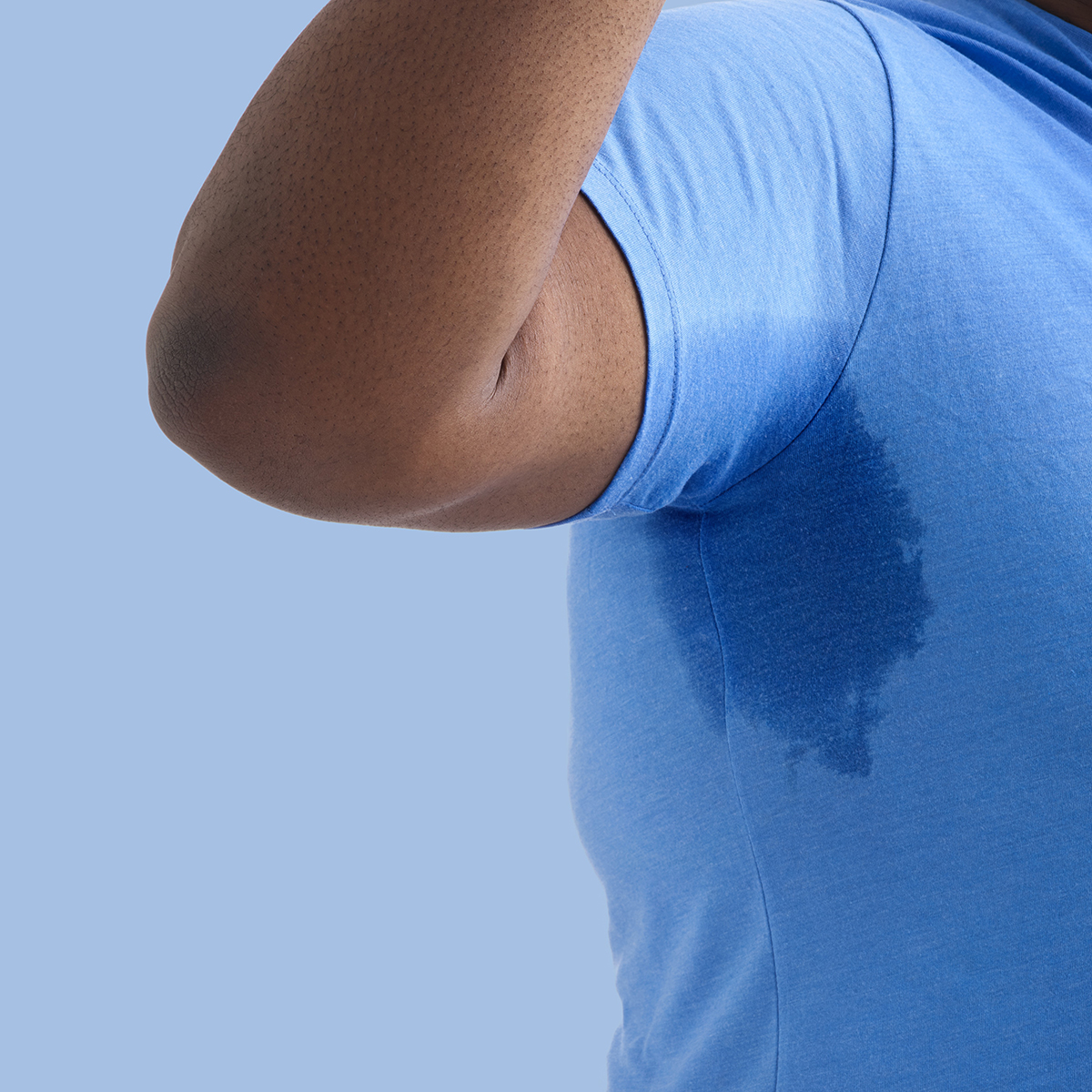
Muscle weakness or cramps
Muscles are highly sensitive to heat and dehydration. Before or during heat stroke, someone may develop painful cramps, twitching or unusual weakness.
The legs, arms, and abdomen are commonly affected. Some people struggle to stand, walk, or grip objects properly.
Seizures
In severe cases, heat stroke can disrupt normal brain activity enough to trigger seizures. This is a medical emergency requiring immediate treatment.
Seizures may involve jerking movements, loss of consciousness, or staring spells. They occur because extreme heat interferes with the brain’s electrical activity.
Loss of consciousness
One of the gravest signs of heat stroke is collapsing or becoming unresponsive. At this stage, the body is under extreme stress, and organ damage may already be occurring.
Loss of consciousness can happen suddenly or after symptoms such as confusion and dizziness worsen over time. Immediate emergency treatment is essential.

What to do if you suspect heat stroke
Heat stroke should always be treated as a medical emergency. If you think someone may have heat stroke, call 999 immediately.
While you wait for help, move the person to a cool or shaded place, remove outer clothing and start cooling them with whatever you have available — cool water, damp cloths, a fan, or cold packs wrapped in a cloth and placed on the neck or under the armpits.
If they are fully awake and able to swallow, you can offer small sips of cool water. Do not give them alcohol, and do not try to make someone drink if they are confused, drowsy or unconscious.
Fast action can save lives. The longer body temperature stays dangerously high, the greater the risk of serious complications.
Read more:
