
Ten everyday habits that help regenerate your liver
Your liver is one of the hardest-working organs in your body. It quietly filters your blood, processes nutrients, breaks down toxins, balances hormones, and supports digestion.
But when it’s overwhelmed by stress, poor diet, alcohol, or illness, you may start to feel the effects: fatigue, brain fog, digestive issues, skin changes, and slowed metabolism.
The good news? The liver is incredibly resilient. In fact, it’s the only internal organ that can regenerate itself.
Whether you’re recovering from a period of heavy drinking, medication use, poor eating habits, or just want a cleaner, healthier body, the right lifestyle upgrades can give your liver the support it needs to repair and thrive.
You don’t need extreme detoxes, expensive supplements, or complicated plans. Your liver’s recovery relies on simple, sustainable habits. Small decisions you make today add up to major long-term healing.
Here’s how to help your liver recover naturally.
- This is why hangxiety gets much worse as you get older (and how to stop it)
- Forget fad diets, this gentle detox really works
Tackle alcohol intake
It’s an obvious place to start but it’s important to remember that even moderate alcohol intake can strain the liver over time. If recovery is your goal, cutting back is non-negotiable. What you can do today:
- Commit to alcohol-free weeks to give your liver a break.
- Swap cocktails for sparkling water, kombucha, or herbal teas.
- Set a weekly limit: many people find success with “No drinks Monday through Friday” or “Only 2 drinks a week.”
If you’ve been drinking heavily for a long time, alcohol reduction matters even more. Your liver begins healing almost immediately once alcohol is removed. Fat accumulation can start decreasing in as little as 7-14 days, depending on baseline health.
2. Hydrate and flush
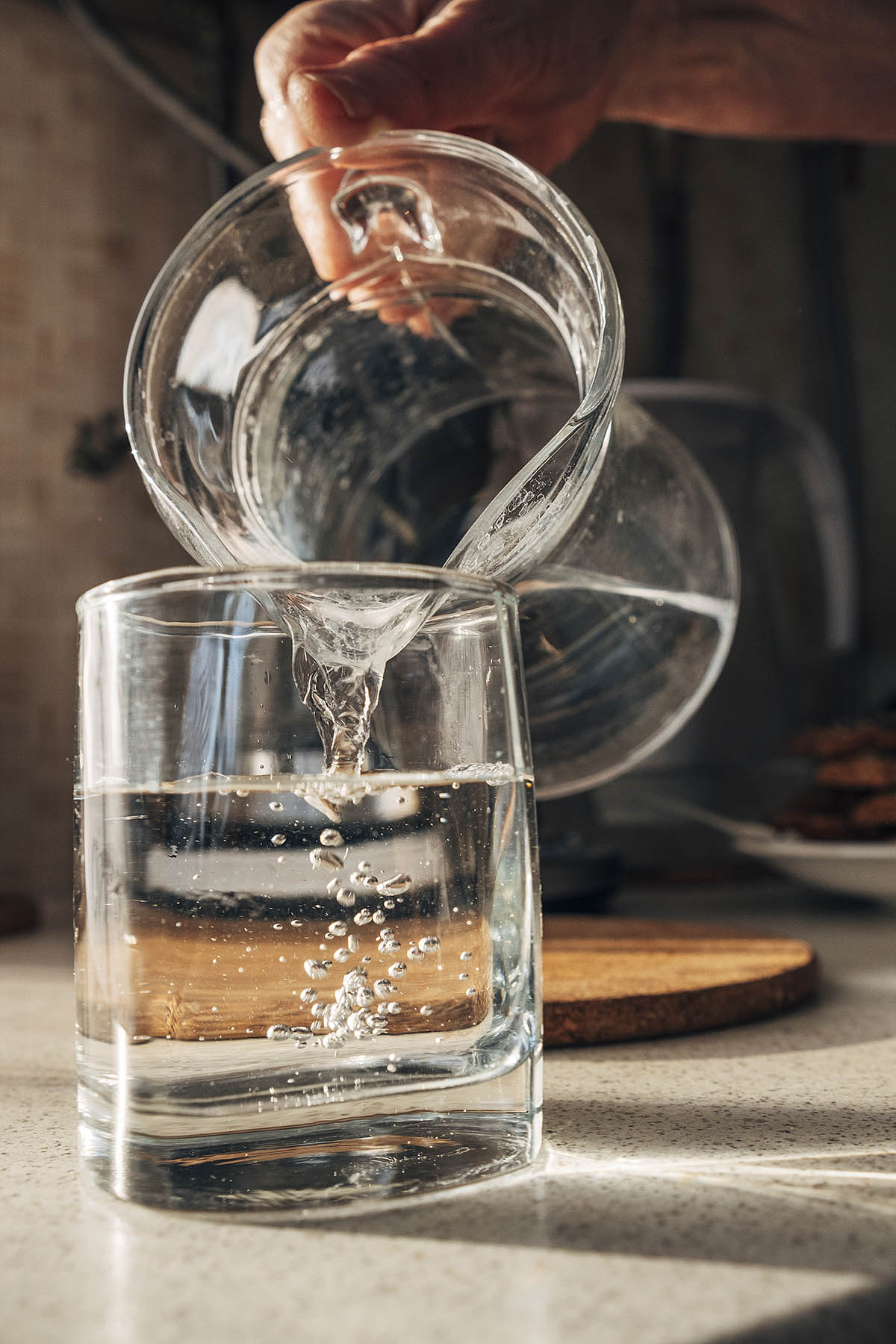
Your liver filters everything, including toxins and metabolic waste, and water helps flush it all out. When you’re dehydrated, the liver has to work harder.
- Aim for 8-12 cups of water per day (more if active or in hot climates).
- Add fresh lemon or cucumber for flavour (not for “detox” - your liver does that).
- Keep a refillable bottle visible all day to stay consistent.
3. Focus on foods that support liver repair
Your liver recovers faster when it gets the nutrients it needs. The most liver-friendly foods include:
Cruciferous vegetables: These increase natural detox enzymes.
- Broccoli
- Kale
- Cauliflower
- Brussels sprouts
High-antioxidant fruits: They reduce inflammation and oxidative stress.
- Blueberries
- Grapes
- Citrus fruits
High-fibre foods: Fibre helps your body eliminate waste, so your liver doesn’t have to handle it.
- Oats
- Beans and lentils
- Apples
- Flax and chia
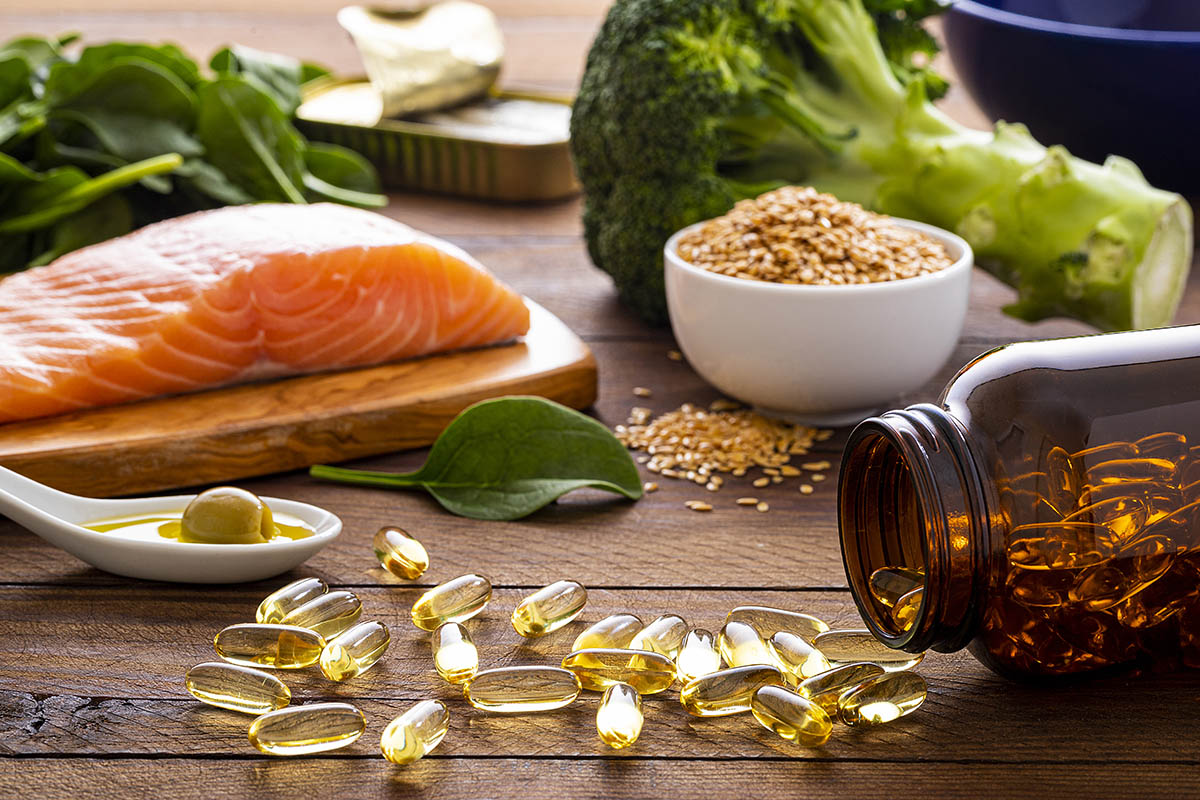
Healthy fats: Omega-3s help reduce liver fat and inflammation.
- Salmon
- Sardines
- Walnuts
- Olive oil
Coffee (yes, really!)
Coffee has been linked to a lower risk of liver disease and may help reduce liver fat. Black is best, but even with a small amount of milk it’s beneficial.
4. Cut back on foods that make the liver work overtime
Some foods don’t cause direct “damage” but add to inflammation and fat buildup – two things that slow liver recovery.
Try to limit:
- Excess sugar (especially in drinks like sodas, energy drinks, sweetened teas)
- Refined carbs (white bread, pastries, chips)
- Deep-fried foods
- High-fructose corn syrup (read labels because it's everywhere)
- Processed meats
This doesn’t mean you need a perfect diet. Aim for an 80/20 balance: mostly whole foods with some room for enjoyment.
5. Add more movement to improve liver fat and circulation
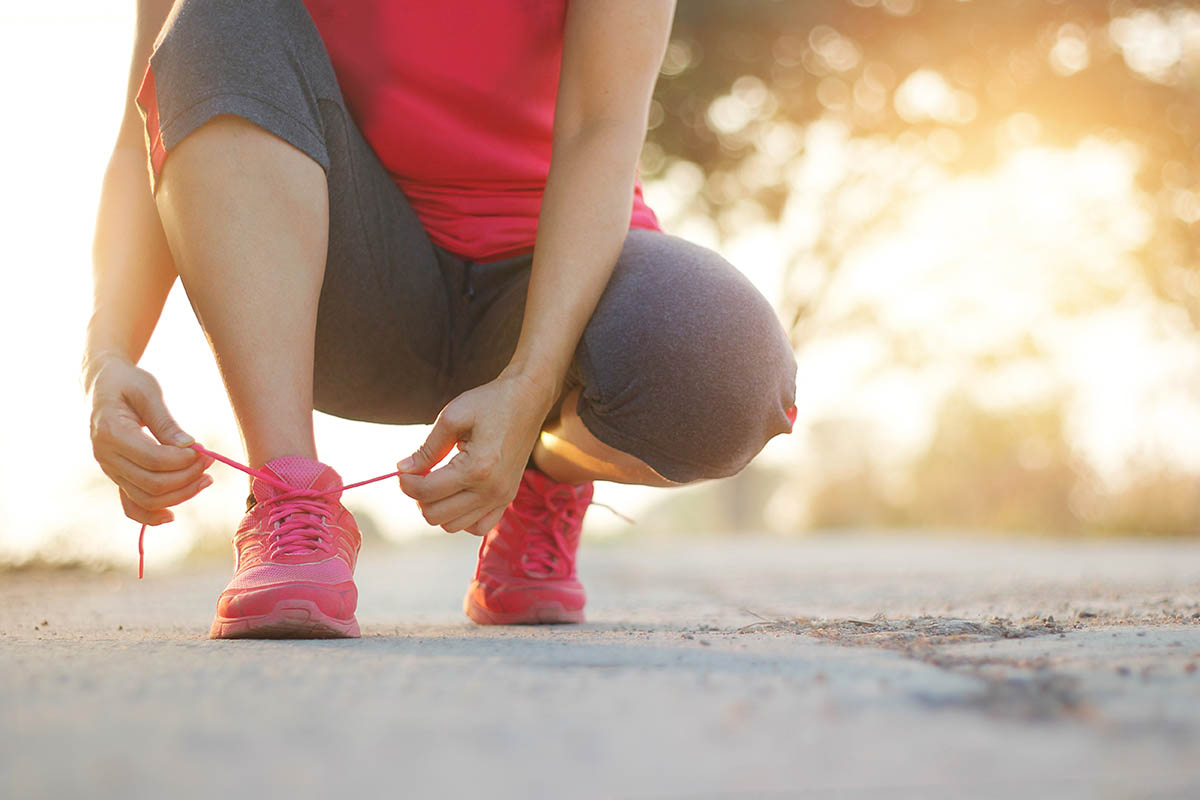
Exercise is one of the most powerful tools for liver recovery, even without weight loss. Movement can help because it:
- Reduces liver fat
- Improves insulin sensitivity
- Boosts circulation so the liver can filter more efficiently
- Lowers inflammation
You don’t need intense workouts. Start with:
- 20-30 minutes of brisk walking, 4-5 days a week
- Two days of strength training, even with light weights
The key is consistency: small doses add up.
6. Support gut health – your liver’s silent partner
The liver and gut are connected through the gut-liver axis. If your gut is inflamed or imbalanced, your liver takes on that stress.
To support gut health:
- Eat fermented foods: yogurt, kefir, kimchi, sauerkraut
- Prioritise fibre every day
- Include prebiotic foods: garlic, onions, bananas, asparagus
- Reduce ultra-processed foods
A healthier gut means a lighter workload for your liver.

7. Sleep for liver regeneration
Sleep is one of the most underrated liver-recovery tools. Your liver performs many of its most important repair tasks while you’re asleep. Chronic sleep deprivation disrupts metabolism, blood sugar, and inflammation, all of which harm liver health.
Tips:
- Aim for 7-9 hours of sleep per night
- Keep a consistent bedtime
- Limit screens 1 hour before sleep
- Try magnesium glycinate or herbal teas (not medication unless prescribed)
8. Manage stress because your liver feels it, too
Stress increases cortisol, inflammation, and oxidative stress, all of which impact liver function. Reducing stress helps balance hormones and lowers the burden on your liver.
Try:
- Deep breathing
- Short walk breaks
- Journaling
- Yoga or stretching
- A 10-minute meditation app

9. Talk to a doctor before combining medications
The liver processes almost all the medications you take. Even common ones can cause liver problems if you take too much or mix them with alcohol. If you’re on:
- Cholesterol medications
- Pain medications
- Anti-inflammatories
- Anxiety or depression medication
- Herbal supplements
…it’s smart to ask your doctor how they affect liver processing.
A quick review can help prevent overloading your liver without realising it.
10. Reach and maintain a healthy weight… gently
Fatty liver disease, especially non-alcoholic fatty liver disease (NAFLD), is one of the fastest-growing health conditions. The good news is that even 5-7% weight loss can dramatically improve liver enzyme levels and reduce liver fat.
Instead of crash dieting:
- Choose whole foods
- Reduce sugar gradually
- Add gentle daily movement
- Eat slowly and mindfully
Slow, steady changes are better for your liver than extreme diets.

Give your liver time
Your liver WILL recover, but regeneration is a gradual process. Positive changes begin right away, but full recovery, especially after years of stress, can take weeks to months depending on:
- How much fat is in the liver
- Alcohol use
- Age
- Medications
- Diet quality
- Medical conditions like diabetes or metabolic syndrome
Think of liver recovery as a long-term investment: every day you nourish it, it becomes stronger.
Signs your liver is getting stronger
As your liver recovers, people often report:
- More stable energy
- Better digestion
- Reduced bloating
- Clearer skin
- Fewer headaches
- Improved sleep
- Better focus and mental clarity
Disclaimer: Seek medical attention if you experience, yellowing of the skin or eyes, swelling in legs or abdomen, dark urine or pale stools, severe fatigue, persistent right-side abdominal pain or any other unexpected changes.
Photos: Getty
