
Are blue light glasses worth the hype? The answer will surprise you
Do you leave the office completely drained despite barely leaving your desk? Hit the pillow every night feeling ‘wired yet tired’? Blue light could be the hidden culprit behind your chronic fatigue.
With digital device usage soaring, most of us rack up eye-watering hours of screen time each day. We stare at a monitor for 8+ hours at work, only to spend our evenings scrolling social media and binge-watching TV. This near-constant exposure to blue light doesn’t just cause eye strain, experts say it may also contribute to fatigue, premature ageing, poor sleep and even weight gain.
Blue-light blocking glasses promise to save us from the damaging effects of screen overload – but do they work or are they just a wellness gimmick?
What is blue light?
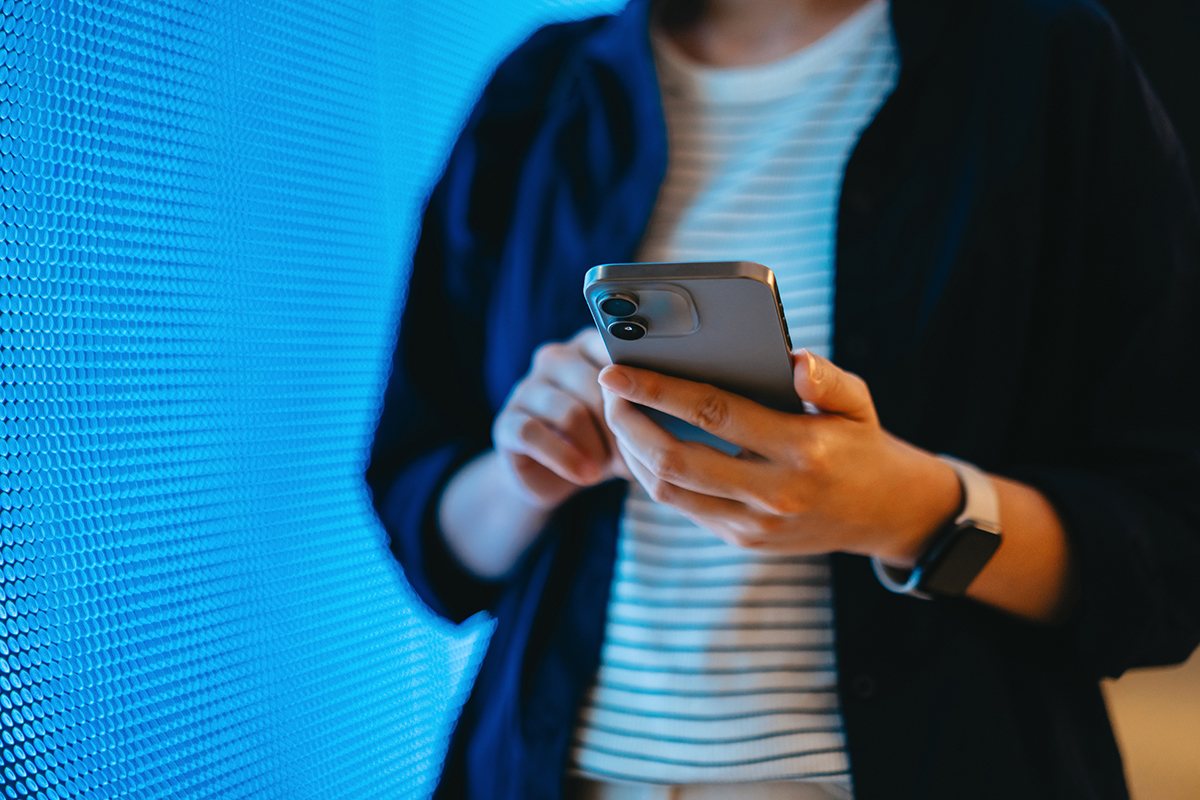
We don’t just get blue light from screens; it’s one of the several colours in the visible light spectrum and is all around us. ‘It is emitted naturally by the sun and artificially by digital screens, and fluorescent lighting’, explains GP and Holistic Doctor, Dr Nirusha Kumaran.
‘Because blue light has a short wavelength and higher energy, it scatters more easily, which can reduce visual contrast and contribute to digital eye strain.’
Blue light contains more energy than other visible colours, and this has its benefits: it helps us wake up, boosts mood and improves focus. Unlike other forms of light, blue light passes through all the way to our retina as our eyes can’t filter the short wavelengths.
‘Nearly all visible blue light rays can penetrate the cornea and lens of our eyes to the retina,’ explains Ana Carolina Goncalves, the Superintendent Pharmacist at Pharmica, ‘making us feel alert and increasing cognitive function.’
Our bodies need blue light for wellbeing: when exposed to it, we release serotonin, the mood boosting hormone, and cortisol, a stress hormone. But too much of this energising light, especially late at night, can exhaust our eyes and disrupt our natural rhythms, leaving us overstimulated and fatigued.
Tackling digital eye strain
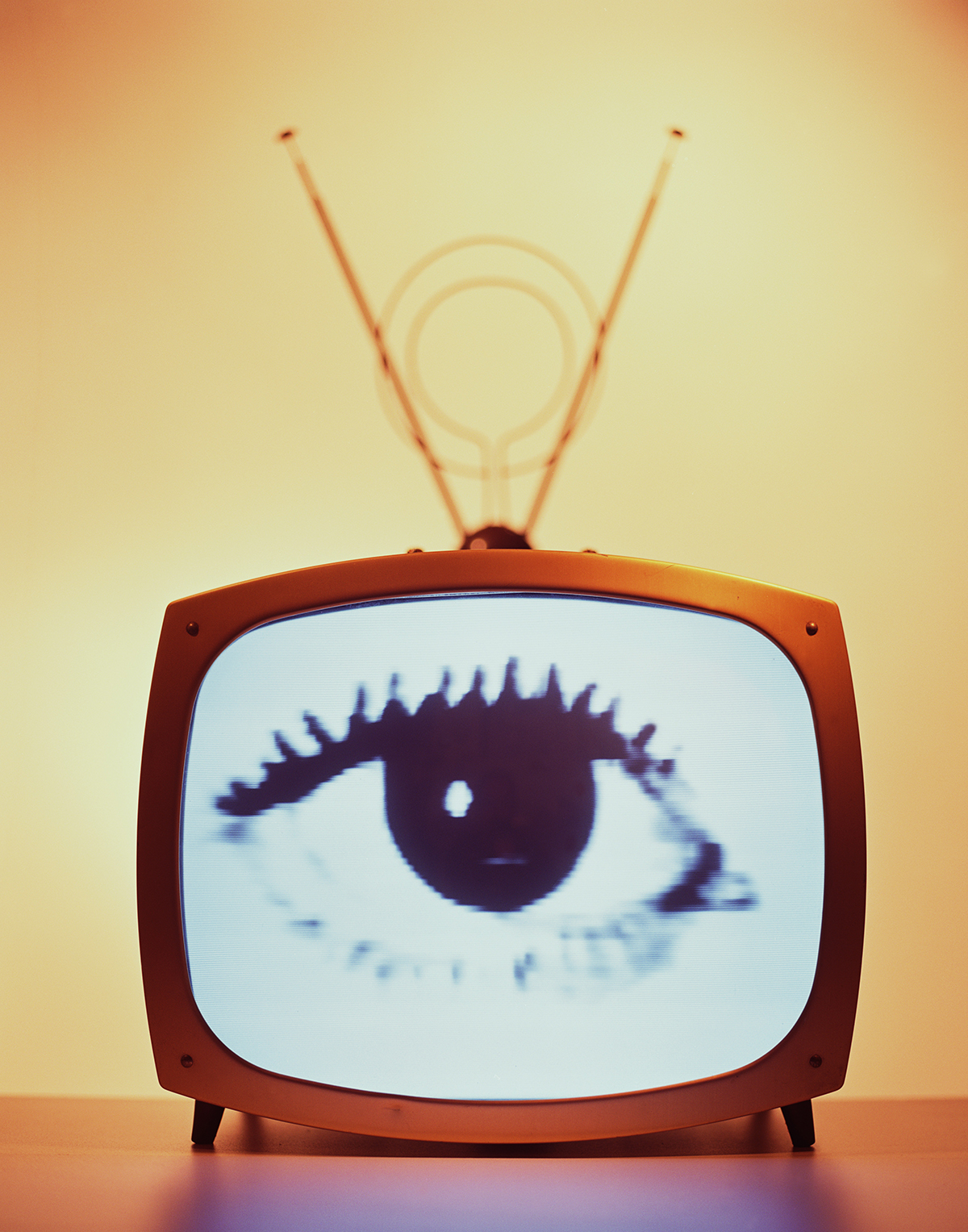
If you grew up believing that too much TV would turn your eyes square, the fear of excessive screen time isn’t new. Now that technology dominates every aspect of our home and work lives, our exposure to artificial blue light is greater than ever.
So, is the blue light in LED screens damaging our eyes? The science is not sure – experts point out that the intensity of blue light emitted by smartphones, tablets and computers is relatively low, about one-tenth of the amount present in natural daylight on a cloudy day. Based on this, there is an argument that it doesn’t pose a serious threat to our eyes.
However, the issue isn’t entirely clear-cut, and some research has shown a link between blue light in the 415-455 nanometer range, well within the range emitted by LEDs, and potential damage to the cornea, crystal lens and retina.
While the long-term effects are still debated, most of us feel the short-term impact of too much screen time. Dr Kumaran explains, ‘Blue light can make our eyes feel uncomfortable after extended use and contribute to digital eye strain (DES).’
Symptoms of DES include blurred vision, eye soreness, headaches, and even neck and shoulder pain. Enter blue light glasses – marketed as the remedy for eye fatigue, glasses companies claim blue light blocking lenses filter out some of the harmful rays.
And with around 60% of device users experiencing DES symptoms, it’s no surprise that the global eyewear industry is projected to reach $5.8 billion by 2034.
Blue light and sleep
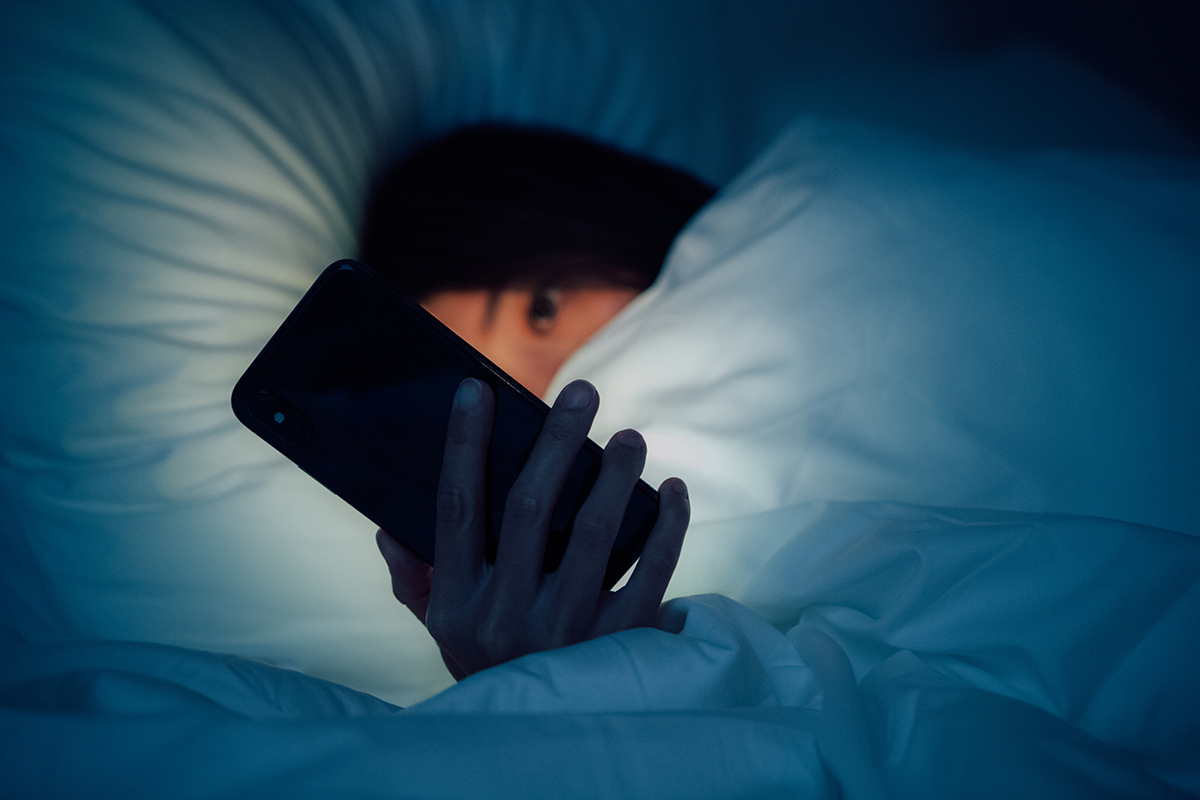
It’s hard to resist a doom scroll before bed – we know it’s a disruptive nighttime routine, but we often do it anyway. While stimulating content is part of the problem, it’s also the blue light of our phone screens that disturbs our sleep.
‘Blue light significantly impacts our body’s circadian rhythm – the body’s internal biological clock that regulates sleep and wake cycles,’ says Dr Kumaran. ‘In the evening, exposure to blue light from phones, tablets, or computers suppresses melatonin, the hormone that signals to our body that it’s time to sleep.’
A recent systematic review suggests that blue light glasses promote better sleep through inducing dim-light melatonin. Goncalves also cites a study which found that: ‘participants who used an e-reader on the highest brightness setting for four hours before bed, over five consecutive days, took 10 minutes longer to fall asleep and secreted less melatonin, compared to those who read a print book.’
To support more restorative rest, Kumaran recommends: ‘Limiting screen time for a minimum of one hour before bed, using night mode on devices, and/or wearing blue light–blocking glasses in the evening.’
The surprising negative health impacts of blue light
According to Dr Kumaran, the harmful effects of blue light go beyond just eye strain, fatigue and sleep disruption, and may also contribute to:
- Mood changes: ‘A disrupted circadian rhythm can affect mood regulation and mental health.’
- Potential skin damage: ‘Emerging research suggests blue light may contribute to skin ageing and pigmentation, though more evidence is needed.’
- Feeling 'Wired and Tired': ‘A disrupted circadian rhythm and lack of restorative sleep can cause stress on our adrenal glands and cortisol response leading to symptoms of feeling wired and tired.’
Goncalves adds that the long-term effects may be even more serious: ‘A study in Spain found a link between exposure to artificial blue light at night and an increased risk of certain cancers, such as breast and prostate cancer.’
Researchers also found that women who slept with lights on at night were more likely to gain weight or develop obesity. ‘It’s thought that the potential disruption to circadian rhythms could be a factor,’ says Goncalves, as they are closely linked to metabolism and hormonal balance.

Do blue light glasses work?
‘A recent review of 17 randomised controlled trials (RCTs) found that blue light glasses had little to no effect on eye strain or sleep quality,’ notes Goncalves. Despite this, the blue light glasses industry continues to boom, and a stream of satisfied customers say the lenses ease digital fatigue, especially during long work days.
Still, the science is inconclusive, and as Goncalves says, ‘more data from future trials and research needs to be carried out to make a more definitive conclusion on the impact of blue light on our eyes.’
In the meantime, investing in a pair of blue light blocking glasses likely won’t do you any harm – and may just help combat eye strain, improve sleep and prevent more long-term effects – while adding a stylish new accessory to your office wardrobe.
Not all blue light glasses are created equal, so it’s important to choose a pair from a reputable, evidence-backed supplier.
Top 5 blue light blocking glasses
A selection of the most stylish, trusted pairs of blue light glasses that protect your eyes while also elevating your look.
- The boss: Felix Gray Turing Glasses
Stay classy in Felix Gray’s tortoise shell glasses frames, designed with a subtle yellow-tinted lens that filters blue light and eases digital eye strain. Best worn while sealing a deal at a mahogany desk, glass of whisky in hand.
- The bold: IZIPIZI Screen Glasses Glamorous yet sophisticated, IZIPIZI’s cherry red SCREEN glasses filter out 40% of harmful blue light, while allowing the essential blue-turquoise spectrum to pass through – protecting your eyes and circadian rhythm.
- The Hollywood: London Mole Blue Blocker Glasses These iconic panto green frames bring star quality to every outfit. With an oversized square lens and anti-blue coating, they protect your eyes while giving you red carpet appeal.
- The studious: Warby Parker Hale Glasses Add blue-light filtering lenses to any Warby Parker frame – we particularly love the Hale in polished gold steel for that librarian-chic look.
- The serious: Ocushield Anti Blue Light Glasses A no-nonsense, lightweight option with or without prescription. These classic glasses feature lenses developed by eye experts, filtering up to 54% of the harmful rays, plus they’re budget friendly!
Blue light glasses aren’t the only solution
Make these small lifestyle changes to limit your exposure to blue light.
1. Reduce screen time: The best way to combat the harmful effects of blue light is by limiting time in front of screens – replace scrolling on your phone with a relaxing bath, and Netflix with a book you can’t put down.
2. Screen filters: Invest in screen protectors with advanced blue light filtration or download built-in tech filters like f.lux which adapts your screen tint to your environment, warming in the evening as the sun goes down.
3. Follow the 20-20-20 Rule: For every 20 minutes spent looking at a screen, a person should look at something 20 feet away for 20 seconds.
4. Keep eyes hydrated: Use over-the-counter lubricating eye drops to hydrate and protect your eyes from irritation.
5. Enhance your workstation: Ensure your screen is at arm’s length and slightly below eye level to avoid straining.
Read more:
