
9 house plants that can boost your health
House plants aren’t just décor anymore. In recent years, they’ve been linked to everything from cleaner air and lower stress levels to better sleep and improved concentration. And while not every claim you see on social media is backed by hard science, research does suggest that having the right plants around your home can have real health benefits.
From boosting mood to easing allergies and even helping you sleep better. Here are the house plants experts say can support your physical and mental wellbeing and why they’re worth making space for.
- 10 superfoods you’ve probably never heard of (but should be eating)
- The biggest feng shui rules that will instantly change how your home feels
Why house plants can improve your health
Humans evolved surrounded by nature, not screens and sealed-off indoor spaces. Studies show that simply being around greenery can reduce stress hormones, lower blood pressure, and improve focus.
Indoor plants may help by:
- Increasing humidity
- Reducing airborne dust
- Encouraging relaxation and mindfulness
- Improving perceived air quality
- Making indoor spaces feel calmer and more restorative
While house plants won’t replace medication or therapy, they can be a simple, low-effort way to support everyday health.
1. Snake Plant (Sansevieria)
Best for: Air quality and bedrooms
Low effort: Very
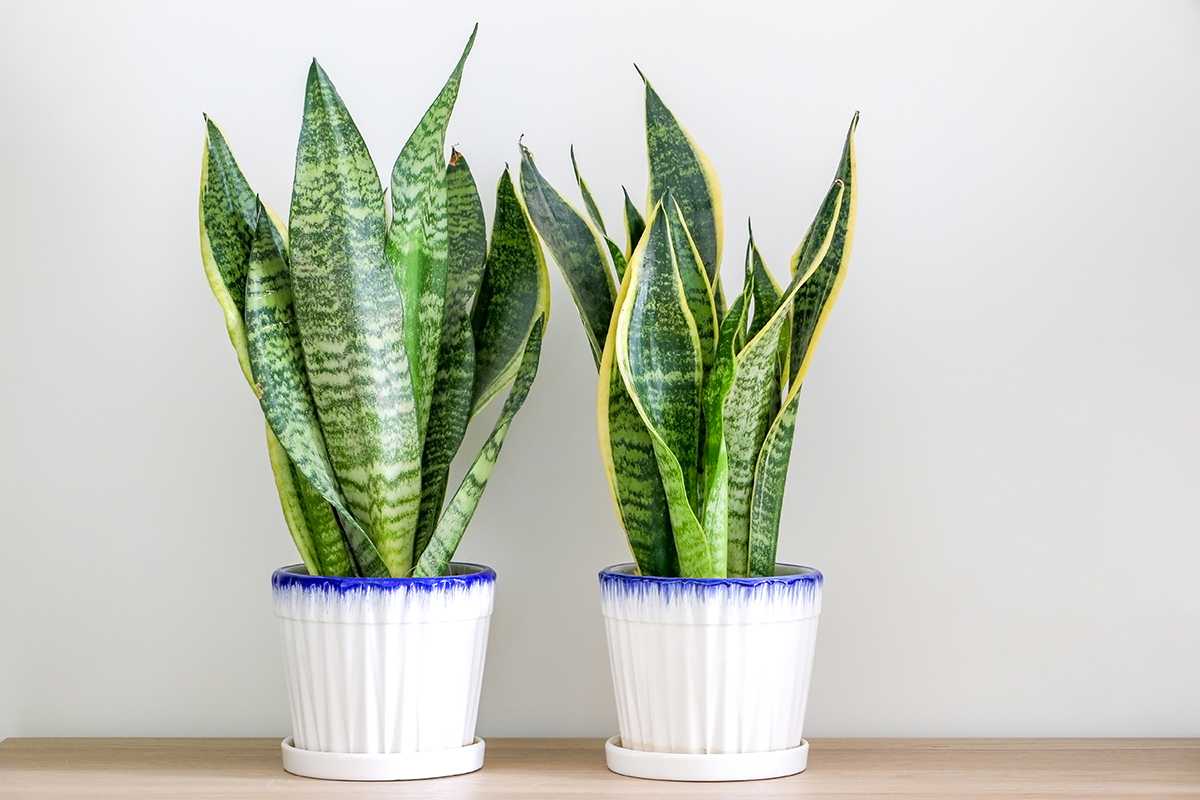
Snake plants are often recommended for beginners and for good reason. They’re tough, adaptable, and tolerate low light and irregular watering.
They’re also known for releasing oxygen at night, which is why they’re often suggested as bedroom plants. While the effect is subtle, many people report sleeping better with greenery nearby.
Health perks:
- May help improve perceived air freshness
- Low allergen
- Can support a calmer sleep environment
2. Peace Lily
Best for: Humidity and respiratory comfort
Low effort: Moderate
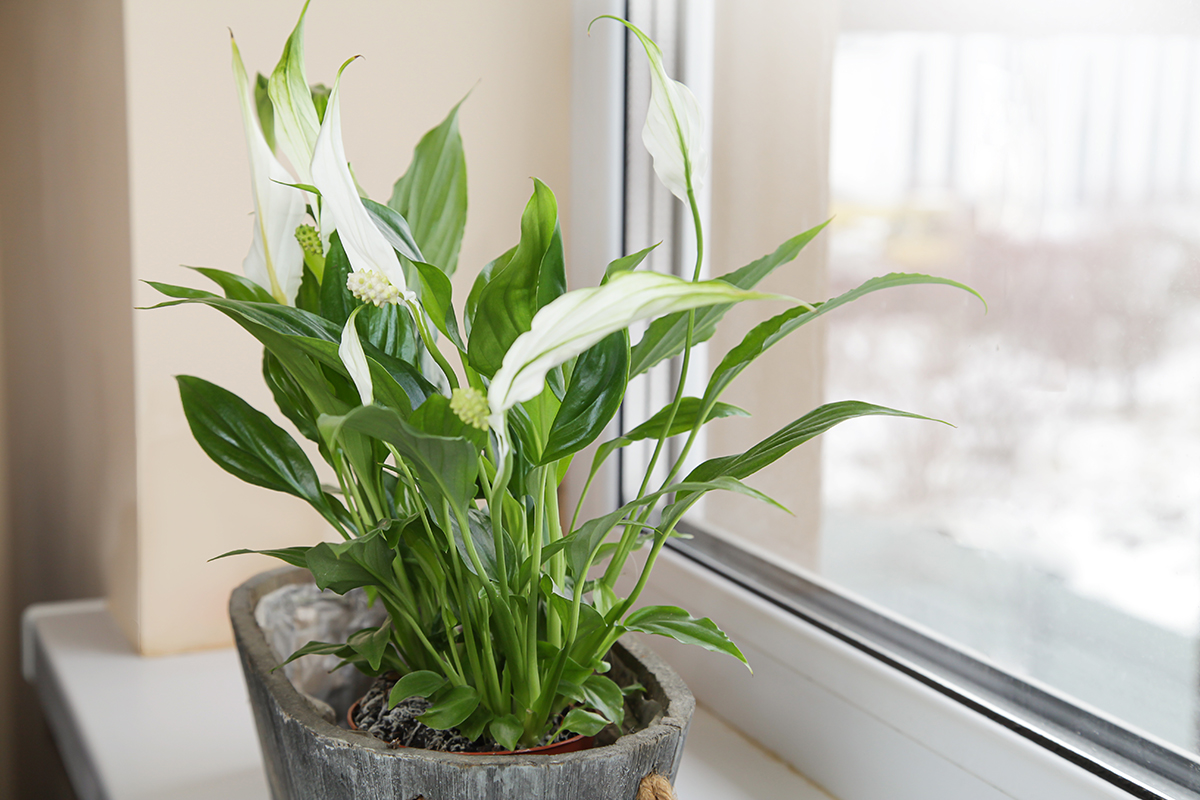
Peace lilies are popular for their glossy leaves and white flowers, but they’re also known for increasing indoor humidity. This can be helpful during colder months when dry air aggravates coughs, sore throats, and dry skin.
They do require regular watering and don’t like direct sunlight, but they’re still manageable for most homes.
Health perks:
- Adds moisture to dry indoor air
- May help reduce irritation in eyes, throat, and skin
- Visually calming, which can ease stress
Note: Toxic to pets if ingested.
3. Aloe Vera
Best for: Skin health and indoor air
Low effort: Very
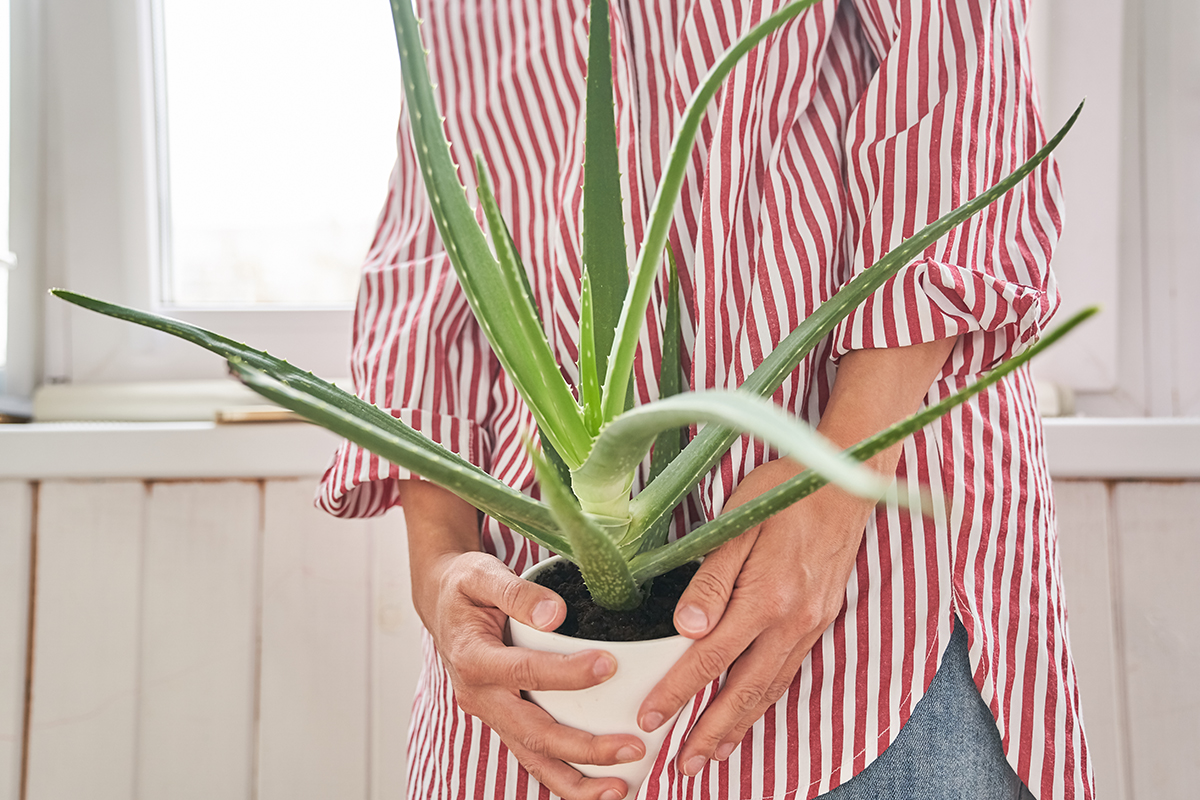
Aloe vera isn’t just useful, it’s also practical. The gel inside its leaves can soothe minor burns, cuts, and skin irritation, making it a natural first-aid plant.
Aloe also prefers bright light and infrequent watering, making it ideal for sunny windowsills.
Health perks:
- Natural remedy for minor skin issues
- Low maintenance
- May support indoor air quality
4. Spider Plant
Best for: Allergies and beginners
Low effort: Very
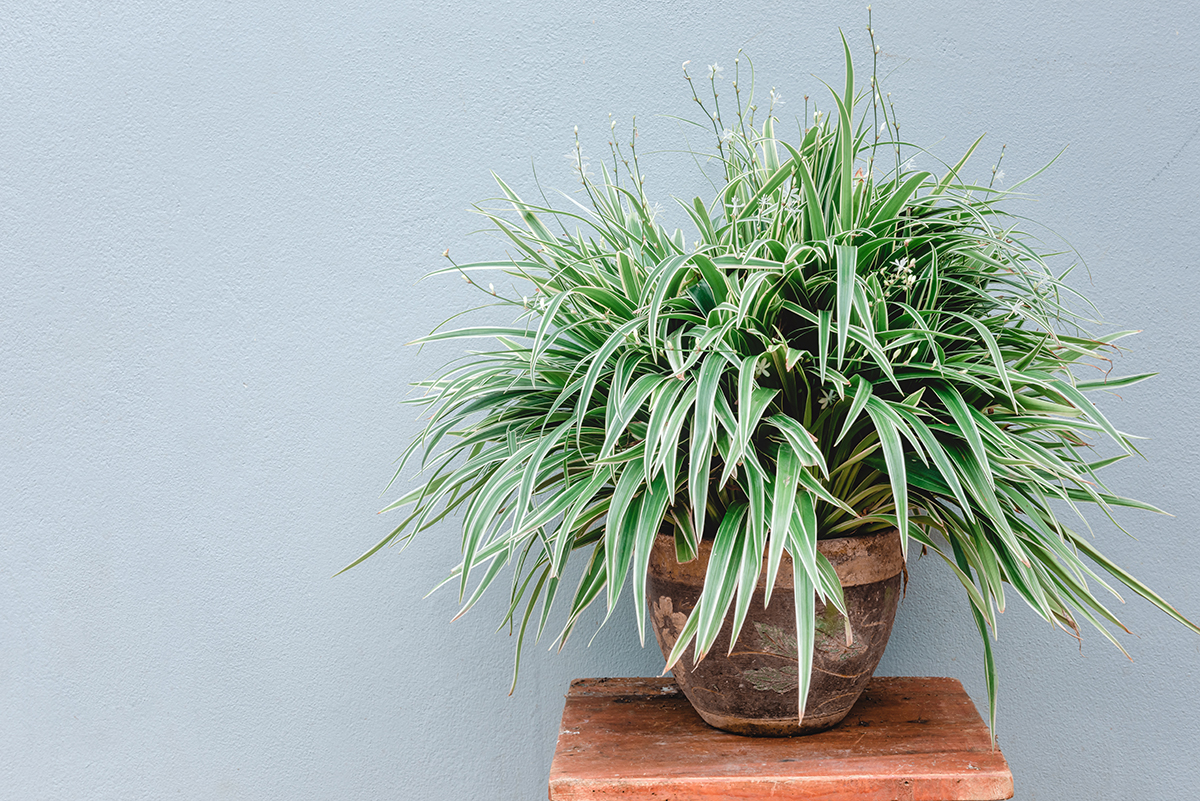
Spider plants are one of the easiest house plants to keep alive and one of the best for homes with allergy sufferers. Their long, arching leaves can help trap airborne particles like dust and pollen.
They also grow quickly and produce “baby” plants, making them satisfying and affordable.
Health perks:
- May help reduce indoor dust
- Non-toxic to pets
- Easy to care for, even in low light
5. English Ivy
Best for: Damp homes and mould concerns
Low effort: Moderate
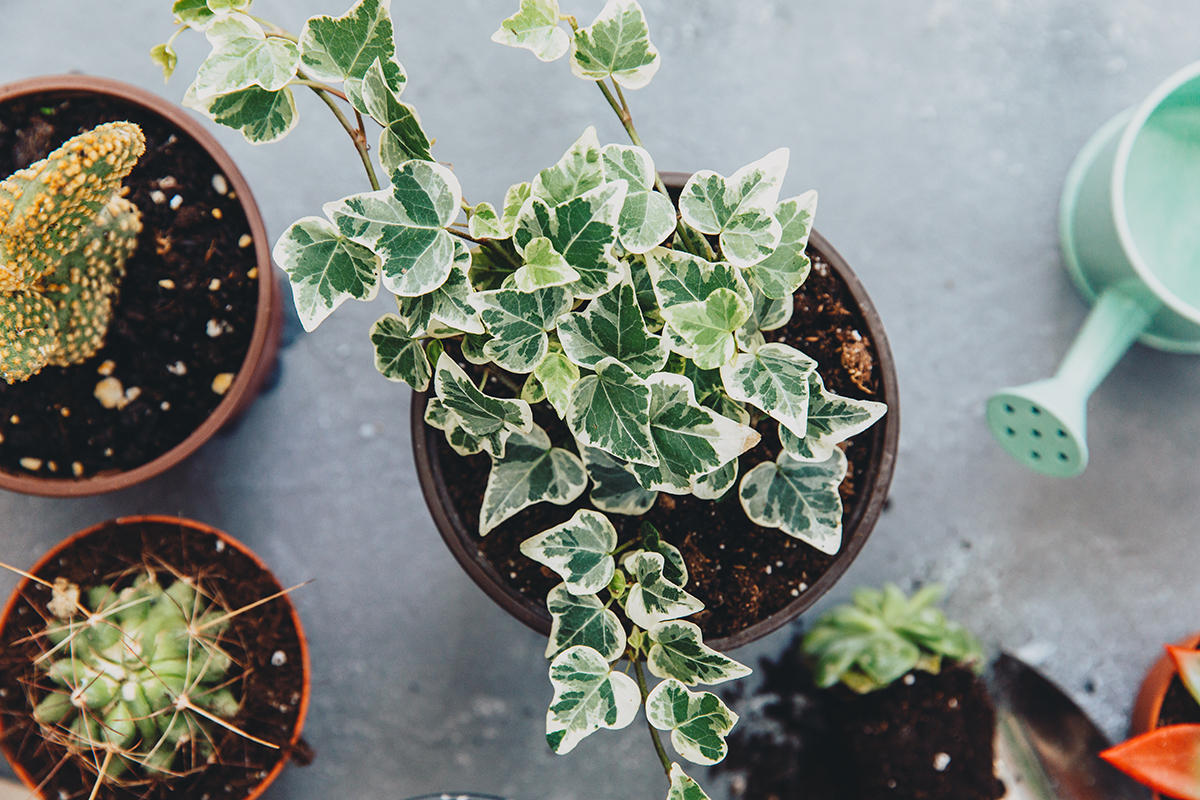
English ivy is often recommended for homes prone to damp or condensation. Some studies suggest it may help reduce airborne mould spores, particularly in enclosed spaces.
It does best in bright, indirect light and cooler rooms, making it a good option for bathrooms or kitchens.
Health perks:
- May help reduce mould-related irritation
- Useful in humid or poorly ventilated rooms
- Can ease allergy symptoms for some people
Not pet-friendly.
- Choose plants suited to your light and lifestyle
- Keep leaves clean to reduce dust build-up
- Avoid overwatering, which can lead to mould
- Be mindful of pet toxicity
- Start small. Even one plant helps
6. Lavender
Best for: Stress, anxiety, and sleep
Low effort: Moderate
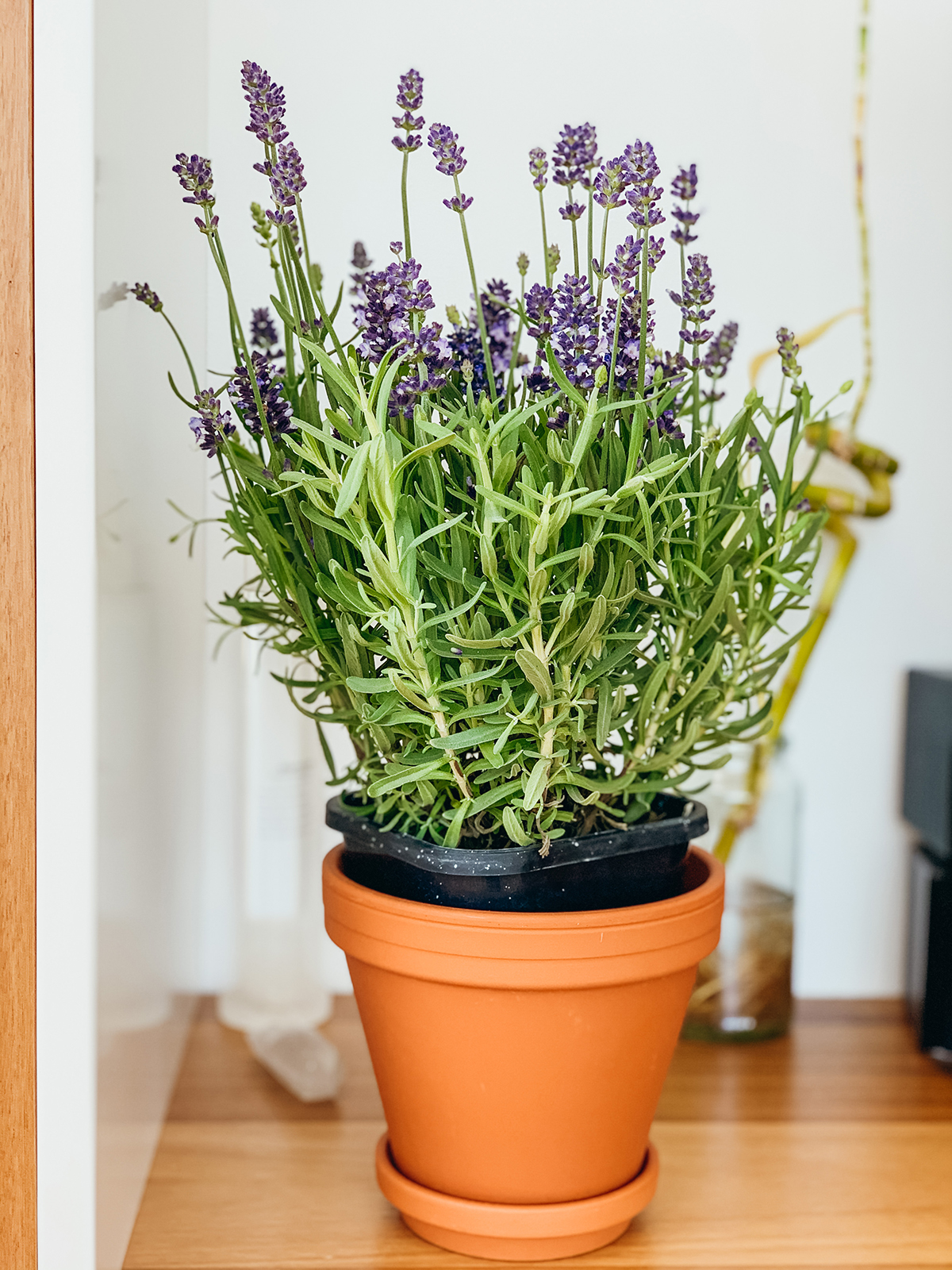
Lavender is famous for its calming scent, which has been linked to reduced anxiety and improved sleep quality. While it’s often used in essential oils, having a live lavender plant can offer a gentler, ongoing effect.
Lavender prefers plenty of light and good airflow, so it’s best near a sunny window.
Health perks:
- Naturally calming aroma
- May help reduce stress and restlessness
- Can support better sleep routines
7. Rubber Plant
Best for: Air quality and visual impact
Low effort: Low to moderate
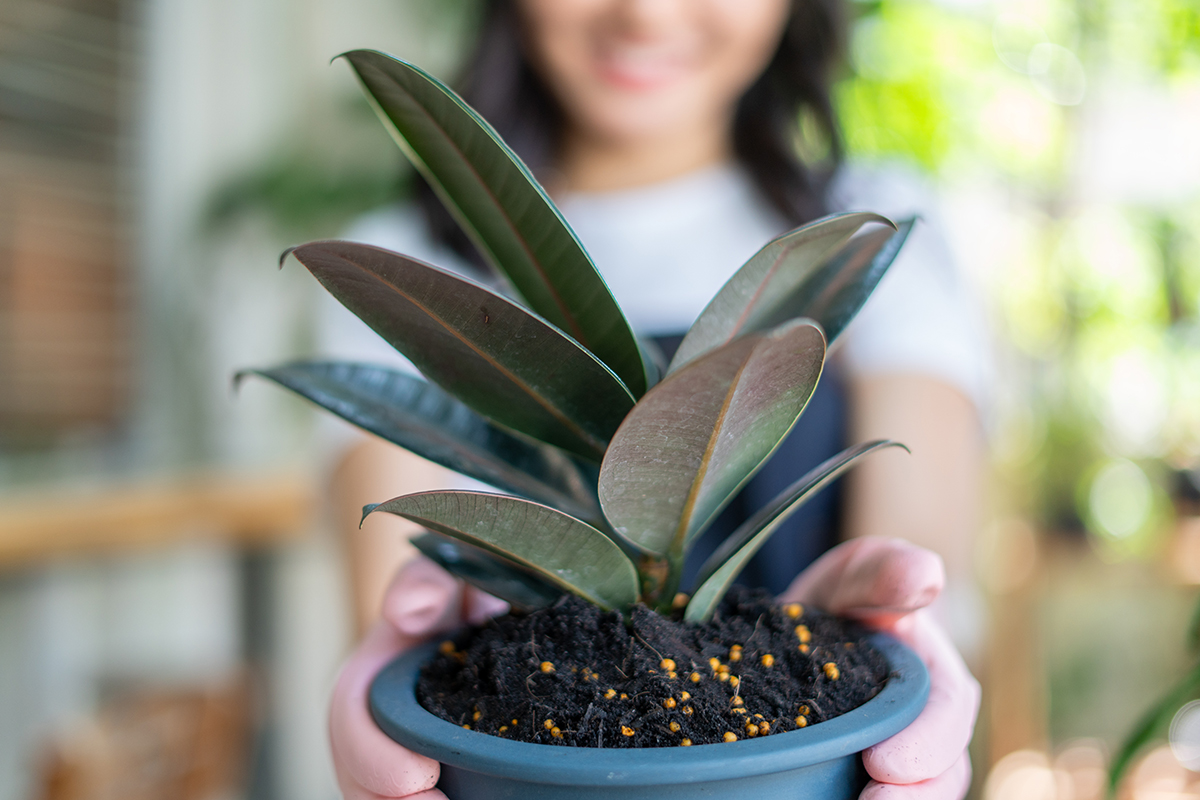
With its large, glossy leaves, the rubber plant doesn’t just look good, it can also help trap dust particles and improve humidity levels in a room.
It thrives in bright, indirect light and doesn’t need frequent watering.
Health perks:
- Helps reduce airborne dust
- Supports indoor humidity
- Creates a calming, nature-rich environment
8. Boston Fern
Best for: Dry air and skin health
Low effort: Moderate to high
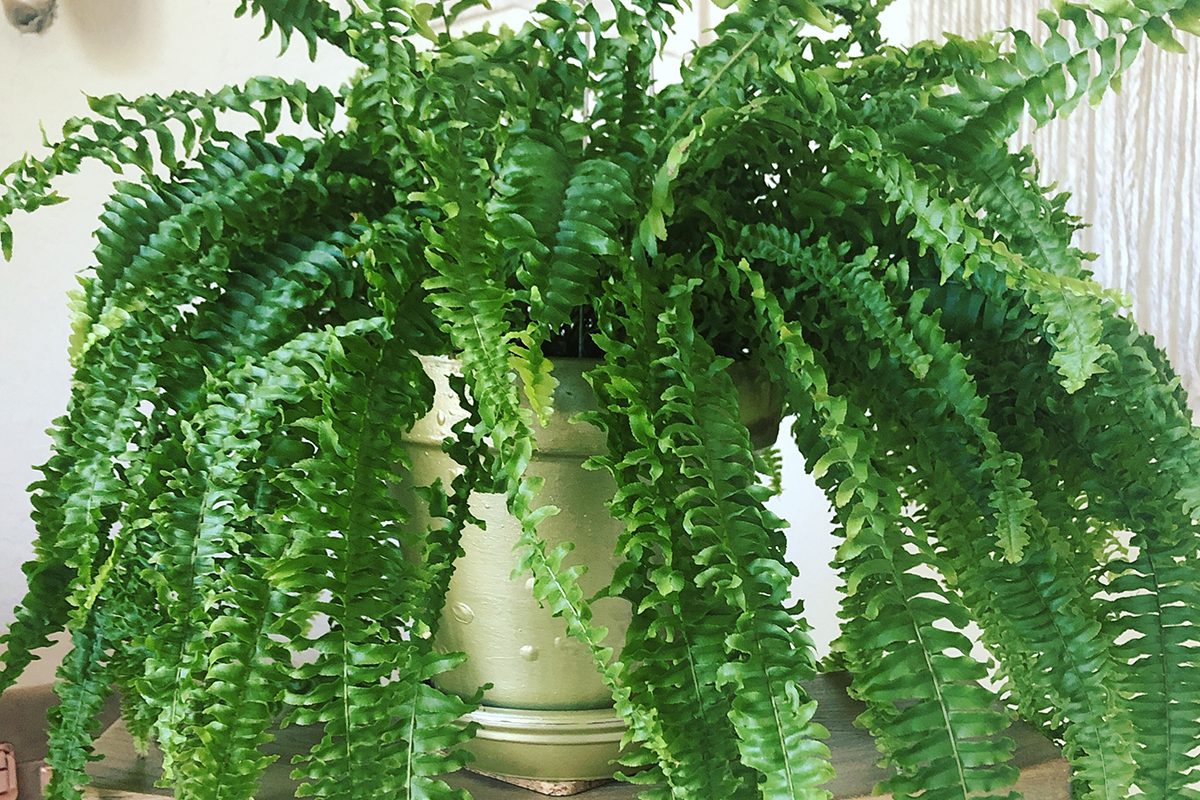
Boston ferns are excellent natural humidifiers. They release moisture into the air, which can help combat dry skin, irritated sinuses, and static-heavy environments.
They do need regular watering and misting, so they suit people who enjoy plant care.
Health perks:
- Raises indoor humidity
- May help ease dry skin and nasal passages
- Adds lush greenery that boosts mood
9. Jasmine
Best for: Sleep quality and mood
Low effort: Moderate
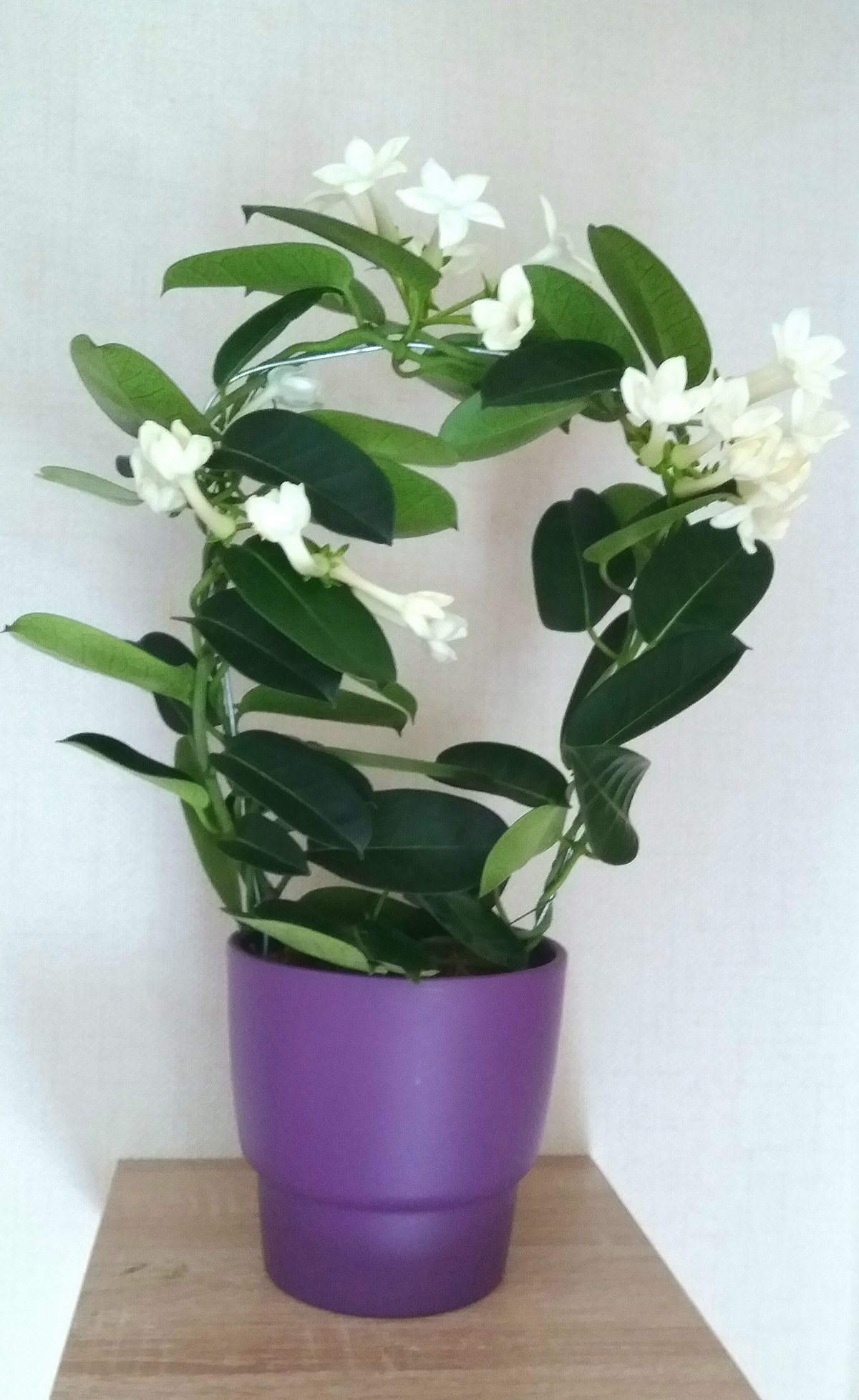
Jasmine plants release a gentle fragrance that studies have linked to reduced anxiety and improved sleep quality. Unlike artificial scents, live jasmine offers a subtle aroma that doesn’t overwhelm.
They need bright light and regular care, but many people find the benefits worth the effort.
Health perks:
- Naturally soothing scent
- May improve sleep and mood
- Creates a peaceful bedroom atmosphere
Mental health benefits
Beyond physical health, house plants can have a powerful effect on mental wellbeing. Caring for plants encourages routine, responsibility, and mindfulness, all of which support emotional health.
Research suggests indoor plants can:
- Reduce stress and anxiety
- Improve focus and productivity
- Boost mood and feelings of wellbeing
- Help people feel more connected to their environment
Even one or two plants can make a noticeable difference.
What NASA says about house plants
You’ll often see claims that certain house plants are “NASA-approved” air purifiers and there is truth behind it. In the late 1980s, NASA scientists studied how common indoor plants removed chemicals such as benzene and formaldehyde from the air in sealed laboratory chambers, similar to spacecraft conditions.
Plants including snake plants, peace lilies, spider plants, English ivy and dracaena were shown to absorb some airborne pollutants, largely through their leaves and soil microbes.
However, there’s an important catch.
In real homes, air constantly circulates through windows, doors and ventilation systems. That means the air-cleaning effect of a few house plants is very small compared to opening a window or using an air purifier. Experts estimate you’d need dozens, even hundreds, of plants per room to make a measurable difference to indoor air quality.
NASA’s research shows that plants can filter air under controlled conditions, but their biggest real-world health benefits come from improving mood, reducing stress, increasing humidity and making indoor spaces feel calmer and more comfortable.
Read more:
