Heart health myths you shouldn't believe, shares doctor
New analysis from the British Heart Foundation shows that heart disease is on the rise amongst working-age adults in the UK, with over 400 under-65s now dying every week. It’s the first sustained increase of heart-related deaths in a generation – and experts say it’s not showing signs of slowing.
Scientists are projecting that by 2050, the number of people with heart disease worldwide is expected to go up by 90%. And despite continued improvements in modern medical treatments, the number of deaths from cardiovascular diseases is set to continue growing significantly.
Dr Asia Ahmed, Digital Technician at Medichecks, explains, ‘Heart and circulatory diseases cause a quarter of all deaths in the UK – more than 170,000 each year. Coronary heart disease is the most common heart disease and the leading cause of heart attacks. It remains the biggest killer of both men and women worldwide.’
So how can you reduce your risk of heart disease? Everyone’s heard the classics – smoke less, eat healthily, go for a run. But what about the more controversial tips and tricks – should you swap your cigarettes for vaping? Is drinking red wine really good for the heart? And are there some things that you don’t even know you’re doing wrong?
We’ve consulted the experts to bust all the myths on this topic and uncover the surprising truth about maintaining a healthier heart.
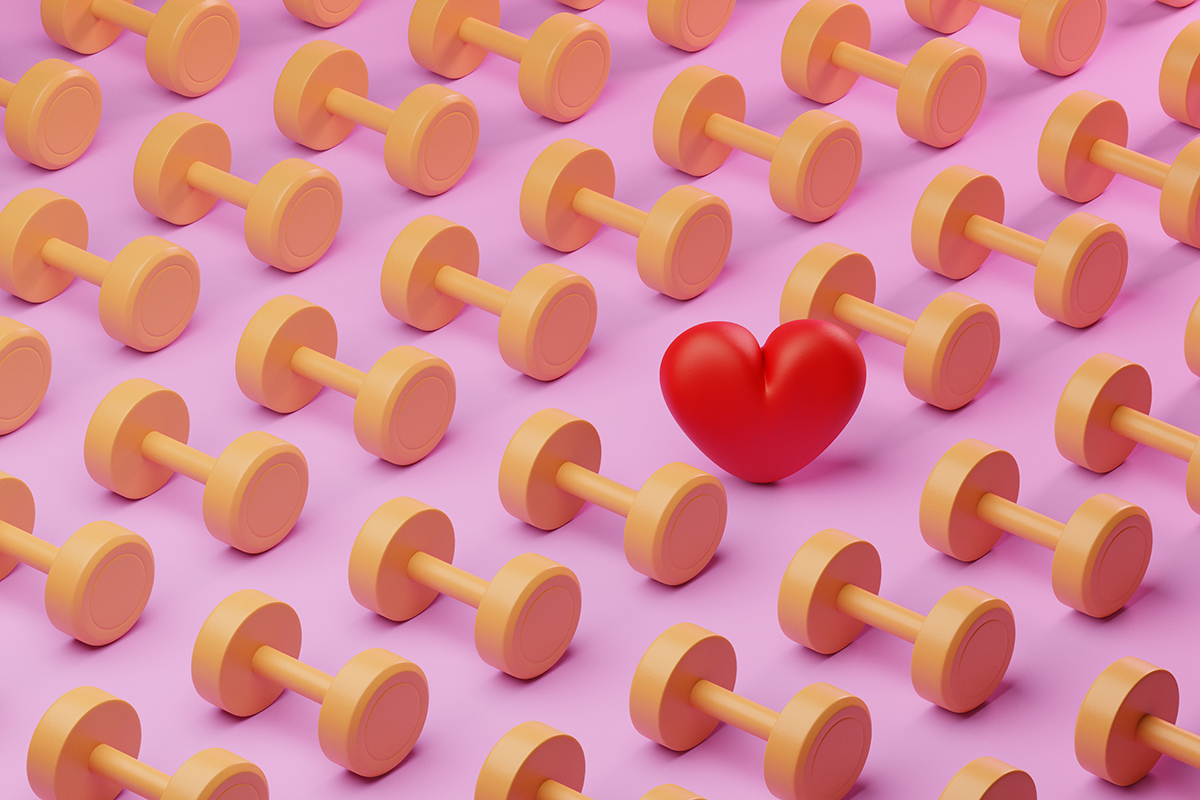
Myth 1: You need to do cardio
Mark Harris, qualified personal trainer and Fitness Expert at Mirafit, explains, ‘When it comes to promoting and maintaining a healthy heart, few factors can benefit it as much as exercise. In fact, one study revealed that exercise can boost blood circulation by 25%.’
But, despite what you might expect, it’s not ‘cardio or bust’. In fact, experts suggest that strength training, yoga and even a dog walk can be beneficial for your heart.
While cardio like running, cycling, swimming and dancing are the usual suspects best known for raising heart rates and protecting against obesity, Harris advises that resistance training is another great option to boost your heart health. ‘Routines such as deadlifts, pull-ups, squats and planks are all key ways of reducing LDL cholesterol, reducing strain and maintaining low blood pressure.’
Harris explains that yoga and pilates can also be a great option for some people looking to improve their heart health – for different reasons than you might expect. ‘Although they may not be popular for their cardiovascular benefits, yoga and pilates are a great way to manage stress and improve circulation – supporting the heart’s general function while reducing the risk of disease.’
Dr Satnam Singh, Consultant Cardiologist at Berkshire Grove Hospital, also emphasises the importance of exercise for a healthy heart. ‘People who perform regular physical activity have a lower risk of cardiovascular disease and cerebrovascular disease.’ That doesn’t mean you need to be running marathons every week – Dr Singh reassures us that 150 minutes per week of moderate exercise like brisk walking, dancing and playing tennis can make all the difference.
Dr Singh encourages moderation, though, explaining: ‘Extreme exercise training can lead to heart damage and can predispose [your heart] to various rhythm disturbances. With chronic exposure to extremes of physical stress and exercise, the heart remodels to accommodate the stress and this can lead to heart muscle thickening or even scarring.’
Ultimately, it doesn’t matter if cardio is your cup of tea or not. It’s all about consistency: the best workout routine for your heart is the one you’ll actually stick to.
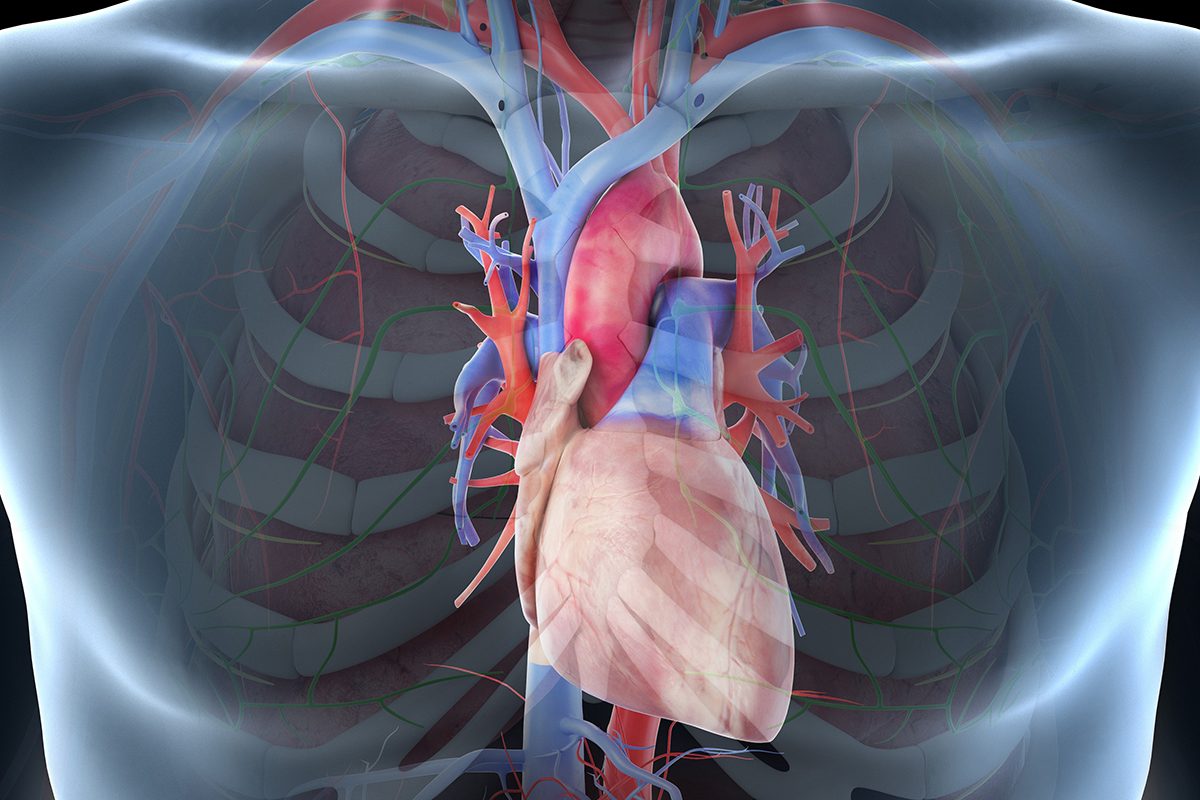
Myth 2: I need to completely cut fatty food from my diet
Good news – you don’t need to be taking such drastic measures to protect your heart. Dr Ahmed explains, ‘Not all fats are bad! Healthy fats such as monounsaturated fats and polyunsaturated fats provide essential nutrients.’
She adds, ‘The Mediterranean diet is full of healthy fats that support heart health.’ It’s the unhealthy fats you need to be focusing on. ‘Eating too many foods high in saturated fat and trans fats can raise cholesterol levels, increasing the risk of heart disease.’
Doctor approved healthy fats:
- Olive oil
- Oily fish (e.g. salmon, mackerel, sardines)
- Nuts & seeds
- Avocados
Unhealthy fats:
- Red & processed meats (e.g. sausages, bacon)
- Full-fat dairy products (e.g. cheese, cream, butter)
- Fried & processed foods (e.g. crisps, fast food)

Myth 3: Eat dark chocolate for your health
We’ve all heard the rumour that dark chocolate is actually good for your heart. ‘Surely it’s too good to be true?’ we hear you say. The answer is more complicated – not all dark chocolates are created equally when it comes to matters of the heart.
While it’s true that dark chocolate traditionally contains higher amounts of flavonoids – chemical compounds with antioxidant properties – the manufacturing of many supermarket chocolates often destroys up to 50% of that goodness.
Research shows that small daily doses of high-flavonoid dark chocolate are associated with improved blood vessel function and increased blood flow – so those are the dark chocolates you should be reaching for. Higher levels of flavonoids can usually be found in chocolate with a high cocoa content and minimal processing. Good news for the chocoholics!

Myth 4: Sleep doesn’t matter that much
One of the most important lifestyle changes for your heart health may also be one of the most surprising: a good night’s sleep. Getting the right amount of sleep each night and sleeping regular hours may be key to preventing heart disease, according to expert analysis.
Those with irregular sleep schedules are twice as likely to develop cardiovascular disease as those with regular sleep patterns. But why is that? Well, it all seems to come down to a little something called circadian rhythms. Almost like a body’s ‘internal clock’, your circadian rhythm has a highly important job of regulating various cardiovascular functions. Research shows that shift workers – those whose circadian rhythms are often the most disrupted – are more at risk of experiencing heart disease and stroke compared to the rest of the general population.
But how many hours exactly should we be sleeping every night? Sleeping too long (more than 9 hours) or not enough (less than 7 hours) have both been proven to increase an individual’s risk of heart disease mortality. Aim for 8 hours – this is the sweet spot.

Myth 5: Drinking red wine is good for the heart
The popular myth posits that red wine has antioxidants, making it a healthy choice of tipple for your cardiovascular functions. But is it true? The short answer: not really.
The British Heart Foundation advises that it’s not a good idea to drink wine with the expectation of any health benefits. Research shows that though red wine does contain some antioxidants, the risks of drinking it vastly outweigh the benefits – so you’re much better off seeking antioxidants from other foods, such as berries and leafy greens.
Experts agree that anyone looking to preserve their heart health should limit their alcohol consumption. Dr Ahmed explains, ‘Drinking alcohol in excess can lead to high blood pressure, weight gain, and an increased risk of heart disease. The NHS recommends consuming no more than 14 units of alcohol per week, spread over at least three days.’
She offers the following advice for healthier drinking habits:
- ‘Choose no- or lower-alcohol options or alternate alcoholic drinks with water.’
- ‘Be mindful of alcohol portion sizes – one small glass of wine (125ml, ABV12%) can contain more than 1.5 units.’
- ‘Mix your wine or beer with fizzy water or lemonade for a lower-alcohol spritzer or shandy.’
Ditching the cigarettes is another great way to improve your heart health. According to the NHS, 1 year after stopping smoking, your heart attack risk reduces to half that of a current smoker. But if you’re thinking of swapping your traditional cigarettes for vaping, you may want to reconsider.
Despite being advertised as safer alternatives to tobacco cigarettes, studies have found that e-cigarettes containing nicotine cause immediate increases in heart rate and blood pressure, plus blood vessel constriction and reduced heart rate variability – making it harder for your heart and blood vessels to work properly. The World Heart Federation also advises caution against vaping, claiming that e-cigarettes are associated with an increase in cardiovascular mortality.

Myth 6: It’s only old, overweight men who need to worry about heart disease
Heart disease doesn’t care how old you are, what size jeans you wear or which gender is displayed on your medical records. In fact, heart attacks among adults under 40 are on the rise. Plus, you can be slim but still have dangerously high cholesterol, spiking blood pressure or harmful visceral fat (also known as hidden fat).
Women need to be especially vigilant: women’s symptoms of heart disease are, on average, more likely to be misdiagnosed, and women are twice as likely as men to die within the first few weeks of suffering a heart attack.
You can assess your own heart risk – no doctor visit needed. The NHS’s Heart Age Calculator is a tool which uses stats like your age, sex, blood pressure, smoking status and family history to calculate how your actual age compares to your ‘heart age’, helping you determine how at-risk you currently are.
You can also track your resting heart rate from the comfort of your own home. Simply sit quietly for 5 minutes, then count your own pulse for 60 seconds. The norm for most adults is anywhere from 60-100 beats per minute (bpm), but if you’re healthy and fit, it can be even lower. If your resting heart rate is consistently over 80 bpm, that could be a sign of increased risk of heart disease.
Warning signs of heart disease to watch out for
Dr Singh explains, ‘Cardiovascular disease can present with a spectrum of signs and symptoms’. This includes:
- ‘A pressure-like, squeezing sensation or heaviness in the chest associated with breathlessness.’
- ‘Nausea and vomiting.’
- ‘Profuse sweating’
- ‘Unexplained fatigue or tiredness.’
- ‘Dizziness or lightheadedness.’
- ‘Unexplained leg swellings.’
- ‘Pain radiating into the left arm, jaw, neck or into the back.’
Try this 10 minute living room work out by the British Heart Foundation:
Read more: