
Small lifestyle changes that make your home greener - and save you money
Living more sustainably doesn’t require a complete lifestyle overhaul. In fact, the biggest impact often comes from small, everyday changes made at home. From how we cook and clean to how we shop and care for ourselves, simple swaps can significantly reduce waste, save energy and lower our environmental footprint.
This practical checklist breaks sustainability down room by room, making it easier to build greener habits that actually stick.
- The 7 eco-friendly high street beauty products you need to switch to
- 17 ways to feel warmer without turning the heating on
In the kitchen
- Ditch plastic wrap: Swap cling film for beeswax wraps, which are reusable, washable, and compostable.
- Coffee routine: Use ground coffee or beans instead of pods. If using a machine, select recyclable pod systems.
- Reusable bags: Bring cotton produce bags and canvas totes for grocery shopping.
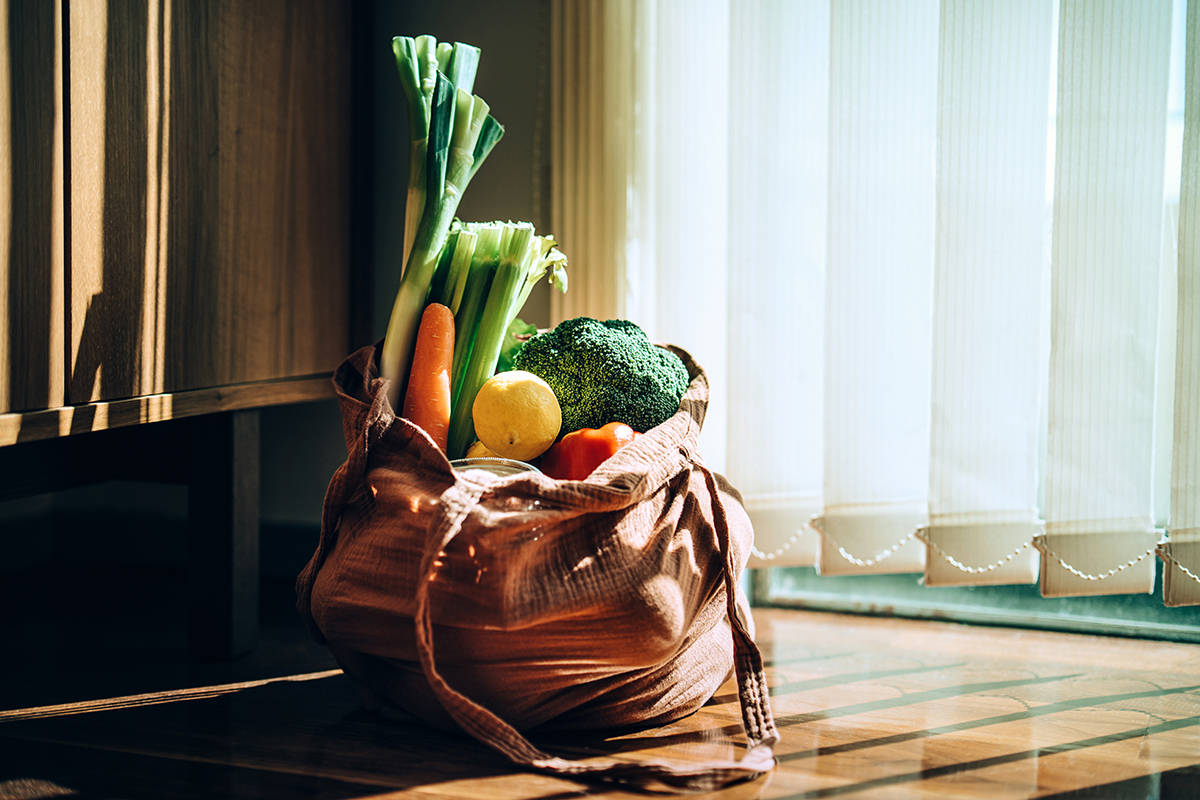
- Save citrus: Freeze leftover lemon, lime, or orange peels for drinks or cooking.
- Kitchen cloths: Replace paper towels with rags, Swedish dishcloths, or old towels.
- Silicone baking mats: Swap disposable greaseproof paper for reusable silicone sheets.
- Leftover management: Use glass jars for storing leftovers instead of plastic containers.
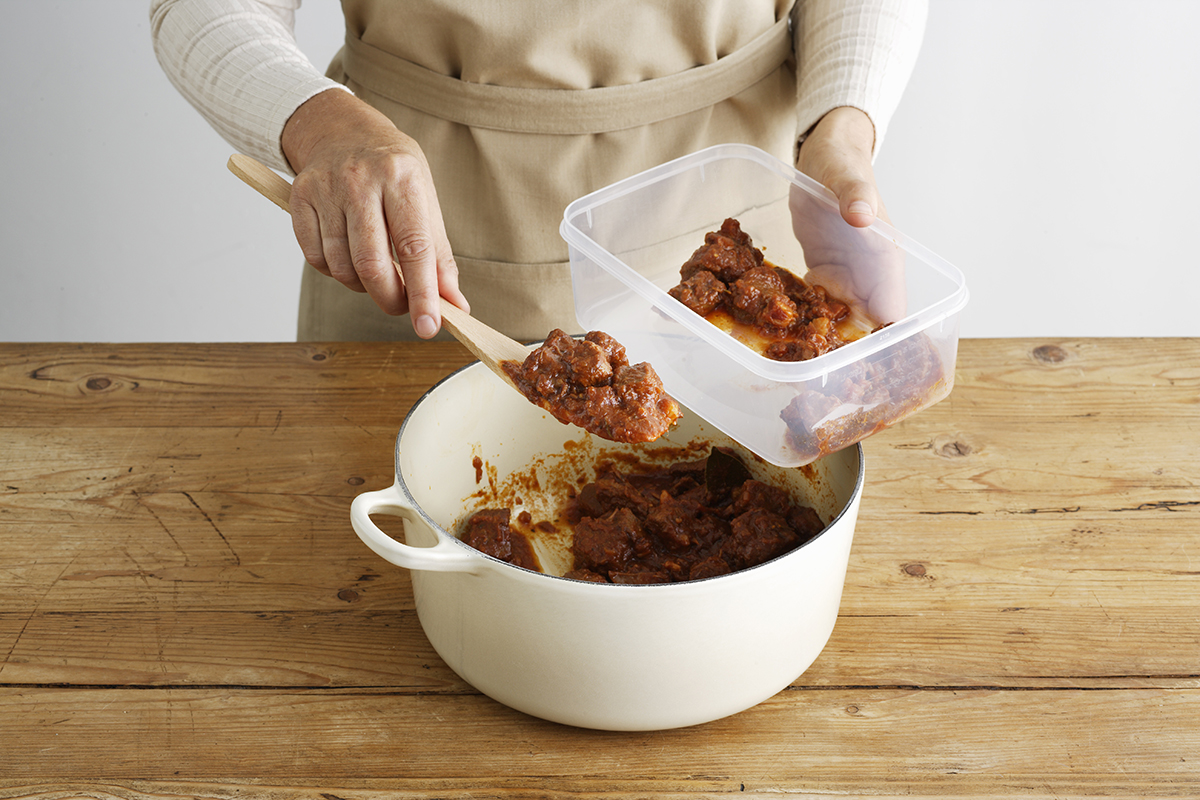
- Cook once, eat twice: Batch cook meals to save energy and time.
- Use veggie scraps: Save vegetable scraps in the freezer to make homemade vegetable stock.
- Repair/Upcycle: Use old sheets to make napkins, hankies, or dusters.
In the bathroom
- Shampoo/soap bars: Swap liquid soaps and shampoo bottles for solid soap bars or shampoo bars to eliminate plastic.
- Bamboo toothbrush: Replace plastic toothbrushes with biodegradable bamboo options.
- Toothpaste tablets: Use chewable toothpaste tablets to avoid plastic tubes.
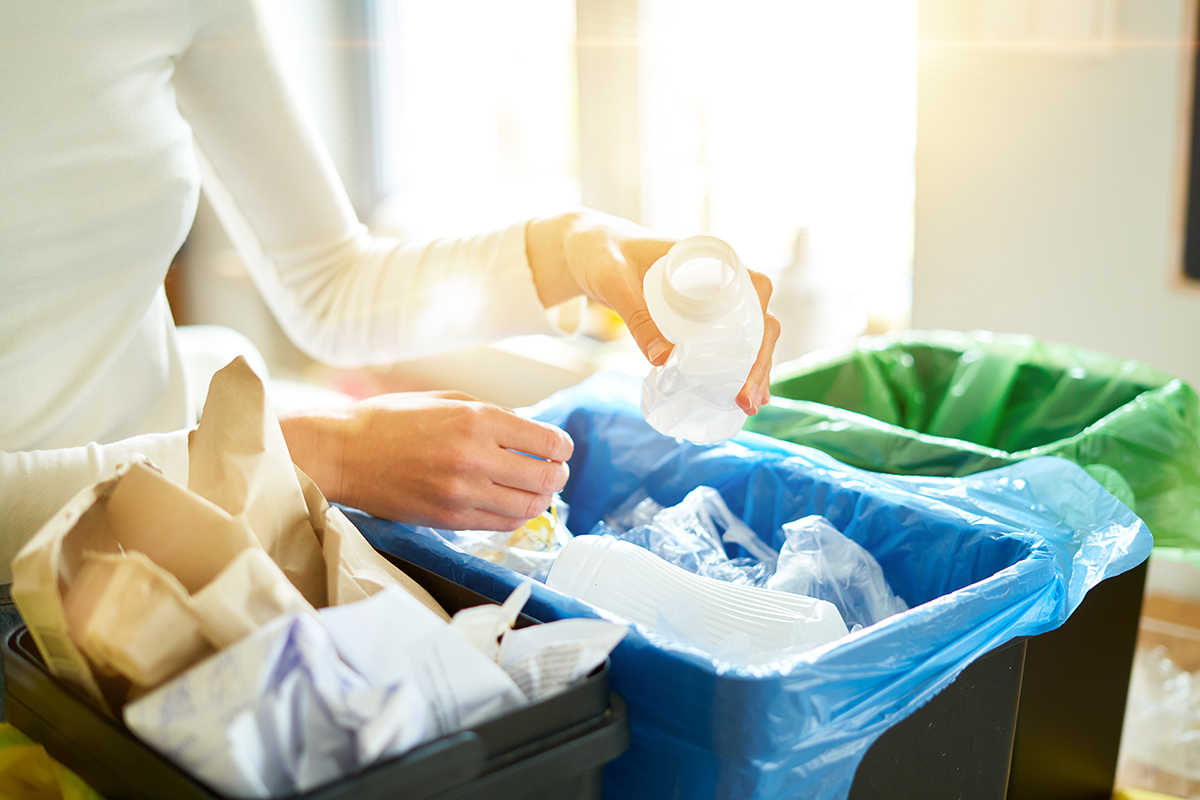
- Add a recycling bin: Place a dedicated recycling bin in the bathroom for cardboard and plastic containers.
- Refillable products: Opt for refillable toothpaste or cleaning solutions.
- Menstrual cup: Switch to a reusable menstrual cup or period underwear.
- Reusable cotton pads: Swap disposable cotton pads for washable bamboo or cloth pads.
- Solid floss: Choose biodegradable dental floss.
Cleaning & laundry
- Natural cleaners: Swap chemical sprays for white vinegar, bicarbonate of soda, and lemon juice.
- Laundry sheets: Use plastic-free laundry detergent sheets.
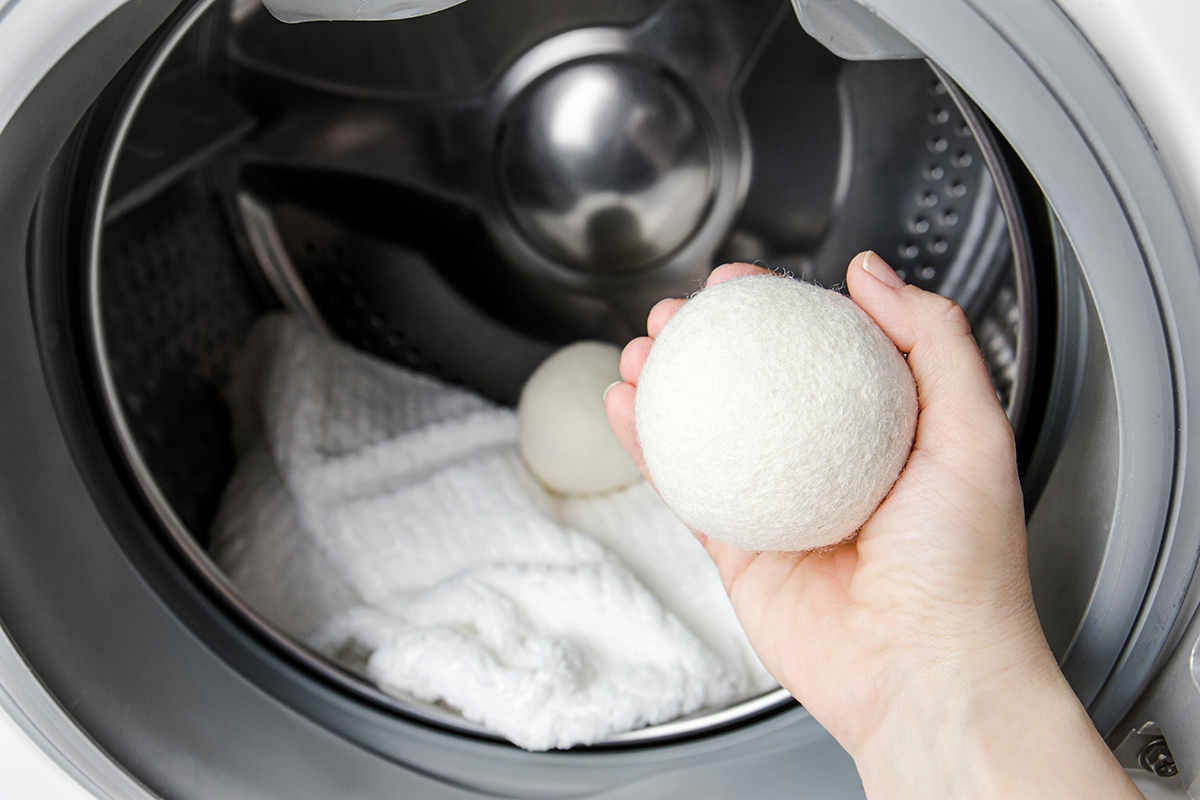
- Dryer balls: Use wool dryer balls instead of fabric softener or dryer sheets to reduce drying time.
- Cold water wash: Wash clothes at 30 degrees to save energy.
- Air dry: Line dry clothes or use an airer instead of a tumble dryer.
- Microplastic bag: Use a laundry bag that traps plastic microfibers.
Shopping & daily habits
- Second-hand first: Look for items on Vinted, eBay, or charity shops before buying new.
- Take a keep cup: Carry a reusable coffee cup for hot drinks.
- Reusable bottle: Carry a water bottle to avoid buying plastic bottles.
- Buy in bulk: Purchase staples (grains, pasta, nuts) in bulk to reduce packaging.
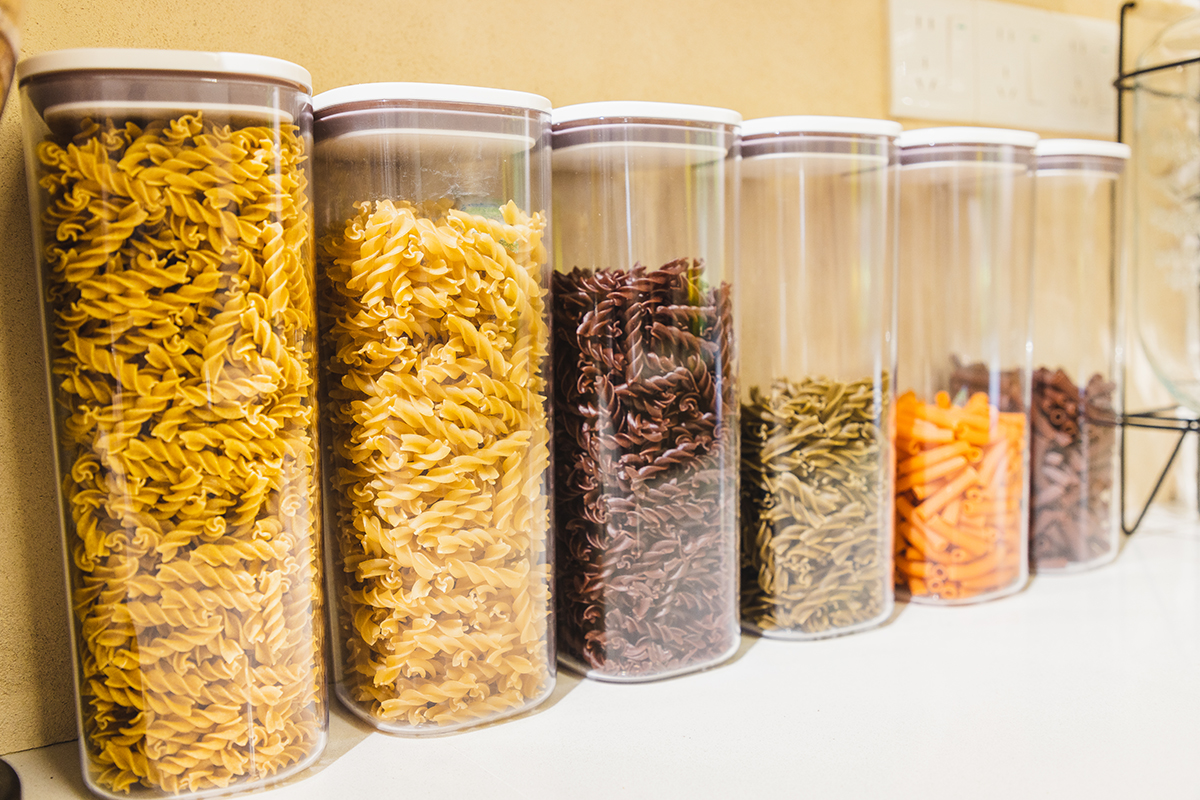
- Takeout containers: Bring your own Tupperware for takeout food.
- Repair cafes: Use local repair cafes to fix broken items instead of discarding them.
- Eco-friendly wrapping: Use newspaper or brown paper for gifts instead of plastic-coated wrapping paper.
- Cancel paper mail: Unsubscribe from junk mail and paper bank statements.
- Walk/cycle: Swap one car trip per day for walking or cycling.
In the garden
- Compost scraps: Start a compost bin for food waste to turn it into nutrients for the garden.
- DIY plant pots: Turn used food containers, egg trays, or yogurt pots into seed starters.
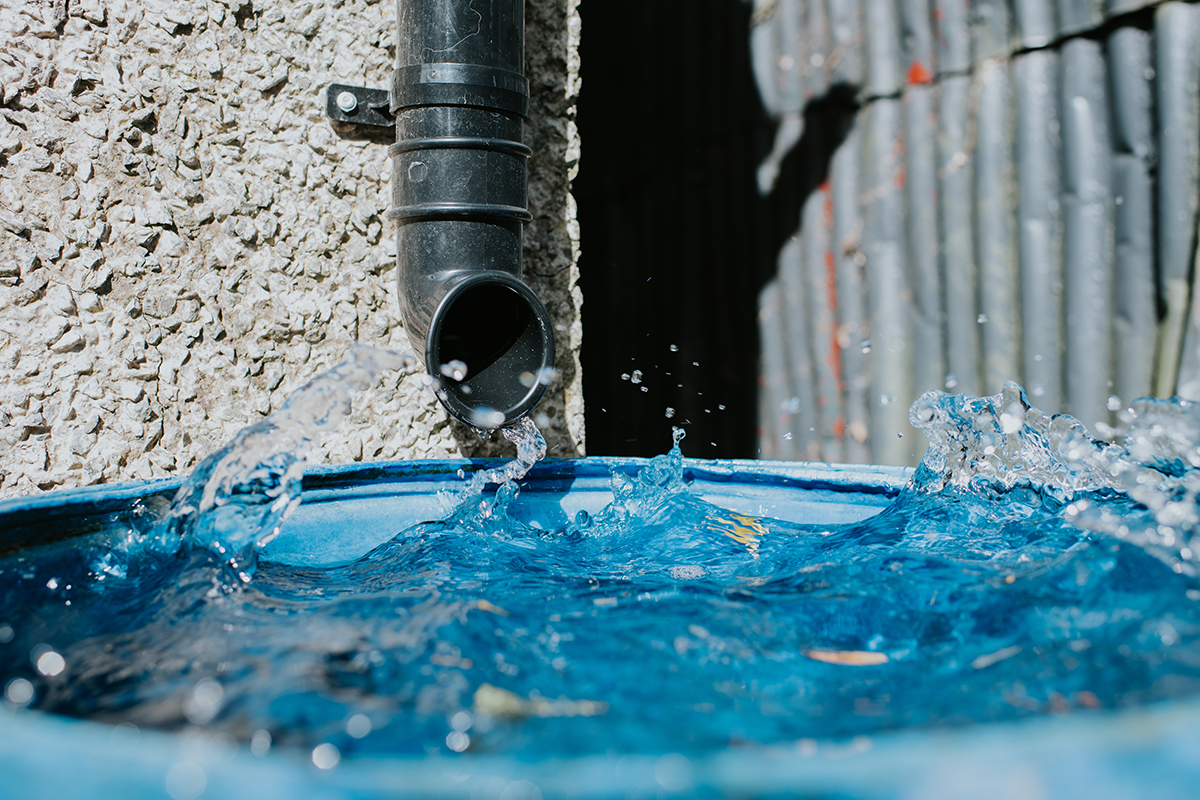
- Collect Rainwater: Use a bucket in the shower or rain barrel to water plants.
- Homemade labels: Use wooden lolly sticks or cut up old plastic bottles for plant tags.
Energy & home
- LED bulbs: Replace all lights with LED bulbs to save up to 90% in energy.
- Draft excluders: Use draft excluders, rugs, or curtains to keep warmth in.
- Unplug electronics: Turn off appliances at the wall to save on standby power.

- Eco-Friendly toilet paper: Switch to recycled or bamboo toilet paper.
- Heat smart: Use an electric blanket or hot water bottle to heat yourself, not the whole room.
Lifestyle & mindset
- Meatless Monday: Reduce meat consumption for a lower carbon footprint.
- Buy local: Support local farmers and reduce food transportation emissions.
- "Smell it" test: Avoid food waste by trusting your senses before throwing food away when it’s a best before date.
- Borrow/share: Ask neighbours for tools or items you only need occasionally.
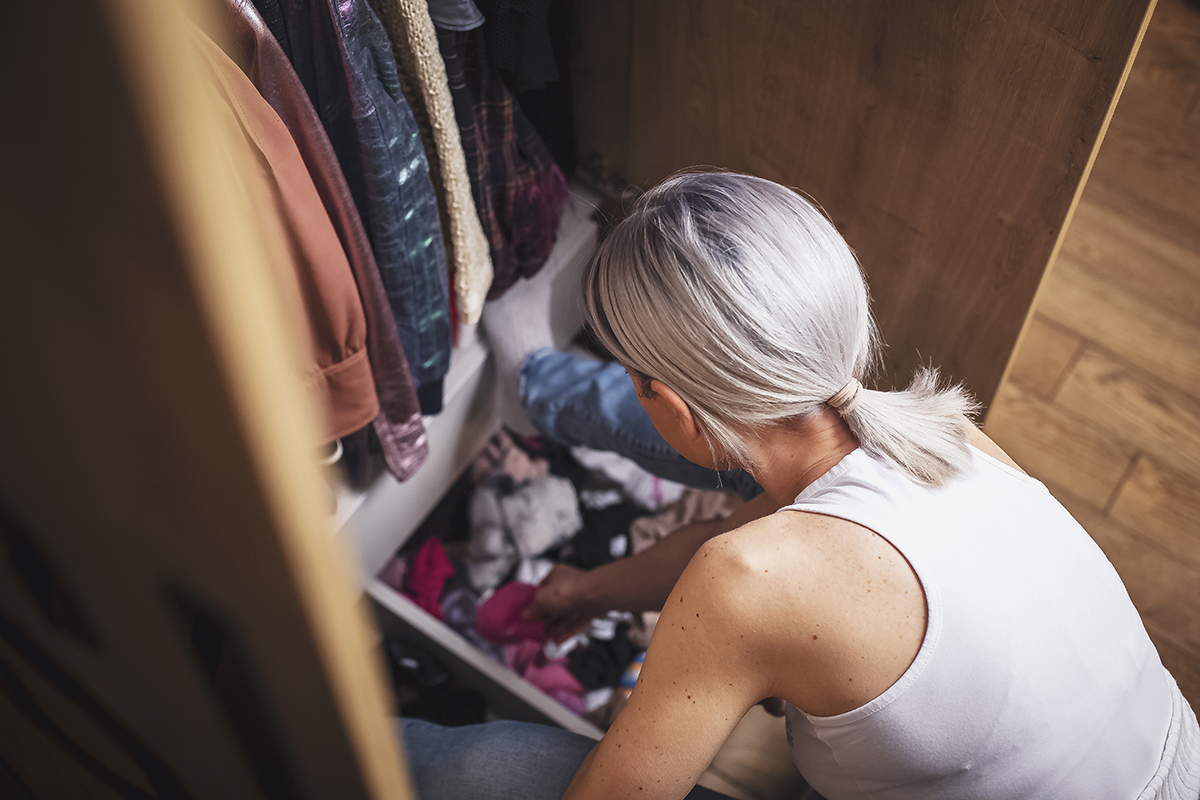
- Minimalist wardrobe: Focus on quality over quantity to combat fast fashion.
- Give experiences: Gift experiences (concerts, meals, trips) instead of physical items.
- Check ingredients: Avoid products with palm oil to support biodiversity.
- Choose glass: Opt for glass packaging over plastic when possible, as it is infinitely recyclable.
Read more:
