It’s no secret that Korean beauty products – known as ‘K-beauty’ – are taking the world by storm. South Korean brands are dominating the market, and this trend shows no signs of slowing with the global K-beauty industry is projected to reach a market value of USD 20.4 billion by 2035.
Fuelled by TikTok and Instagram buzz, the Korean skincare boom has been a welcome catalyst for change in the industry, prioritising budget-friendly, gentle efficacy and scientific precision over harsh ingredients or fast results.
What makes their products so special? Melody Yuan, CEO and founder of leading K-beauty retailer Skin Cupid, explains that a big part of K-beauty’s success stems from a deeply ingrained cultural focus on skin health and prevention.
Far from being an indulgence, skincare is considered an essential step in personal care: ‘In Korea, skincare isn’t seen as a luxury or an afterthought; it’s a daily ritual that values prevention, consistency and skin health over quick fixes. That cultural mindset fuels an industry that’s constantly pushing boundaries.’
She explains, ‘Korean skincare has become the global benchmark for innovation because it sits at the intersection of cutting-edge science, high-quality formulations and a deeply ingrained skincare philosophy… K-beauty leads the way because it’s driven by science and consumer demand working in harmony’.
‘What’s also remarkable is the pace of innovation coming out of South Korea,’ adds Dr Christine Hall, an aesthetic doctor and Korean skincare expert credited with introducing the glass skin trend to London.
‘From advanced formulations like PDRN to the rise of bio-microneedling, Korea is constantly pushing boundaries. Their approach to formulation is incredibly sophisticated: rather than relying on aggressive acids and retinoids that often cause irritation, Korean products tend to incorporate soothing fermented and botanical ingredients.’
It’s this careful balance of scientific innovation and embracing natural solutions which keeps Korean skincare at the forefront. We’ve rounded up some of the most exciting innovations coming out of the K-beauty industry right now to assess once and for all whether they’re the final missing piece to your personal skincare routine.
- Dermatologists are divided on LED face masks. Here's why
- This is the biggest hair removal mistake you're making

Bio-microneedling
Want the rejuvenating effects of injectables without the scary needles? Fear no more. Products with bio-microneedling have been formulated in Korea, and the results are certainly impressive.
Dr Christine explains, ‘Bio-microneedling employs tiny, natural spicules derived from sea sponges. These microneedles create channels in the skin that significantly increase the absorption of active ingredients like peptides or Cica, sometimes by as much as sixty-fold, while also stimulating collagen production, a true game-changer for ageing skin.’
Salmon sperm (PDRN)
One of the biggest standout K-beauty innovations – and perhaps the most surprising – is PDRN, or PolyDeoxyRibonucleotides.
These DNA fragments derived from salmon sperm cells boast significant anti-ageing properties, and have been shown to improve the skin’s elasticity, stimulate collagen production and even repair skin tissue.
Dr Christine explains, ‘While it’s been used as an injectable treatment in South Korea for over a decade, its topical formulations, serums and creams are only recently gaining popularity here. Although its large molecular size means it works best when injected, many patients are seeing genuine improvements in hydration, texture and skin tone with topical use’.
Rice water
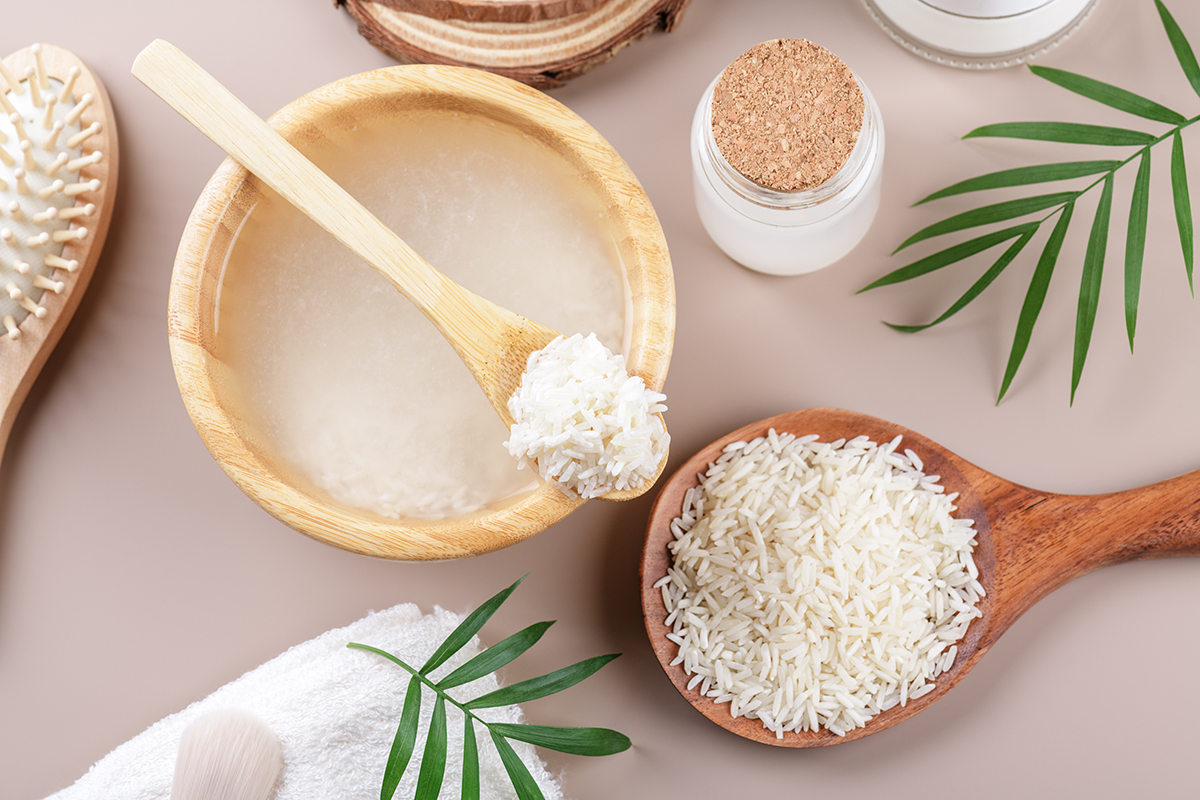
In this case, the old adage “if it ain’t broke, don’t fix it” comes to mind. This ancient Korean ingredient – the starchy liquid left over after making rice – has been used throughout Asia for centuries to brighten and soften skin, right up to the modern day.
Today’s formulations often use fermented rice water for better absorption, enhanced efficiency and improved skin microbiome support (in essence, turbocharging its already-impressive effects).
Dr Christine explains that fermented ingredients such as rice water have enjoyed enduring popularity in Korean skincare for ‘offering antioxidant and hydrating benefits’.
Snail mucin
While it may sound more like a recipe for a witch's spell than a science-backed skincare hack, snail mucin has been proven to be highly effective for skin hydration and regeneration.
This natural substance derived from snail secretions is rich in compounds like hyaluronic acid, which draws moisture into the skin, and glycolic acid, which gently exfoliates to brighten the complexion.
Dr Christine adds that these unexpected but highly effective innovations are why Korean skincare is so influential right now – ‘combining gentle, effective ingredients with advanced delivery systems designed to nurture and protect the skin barrier, giving that sought-after luminous, healthy glow’.
Centella asiatica
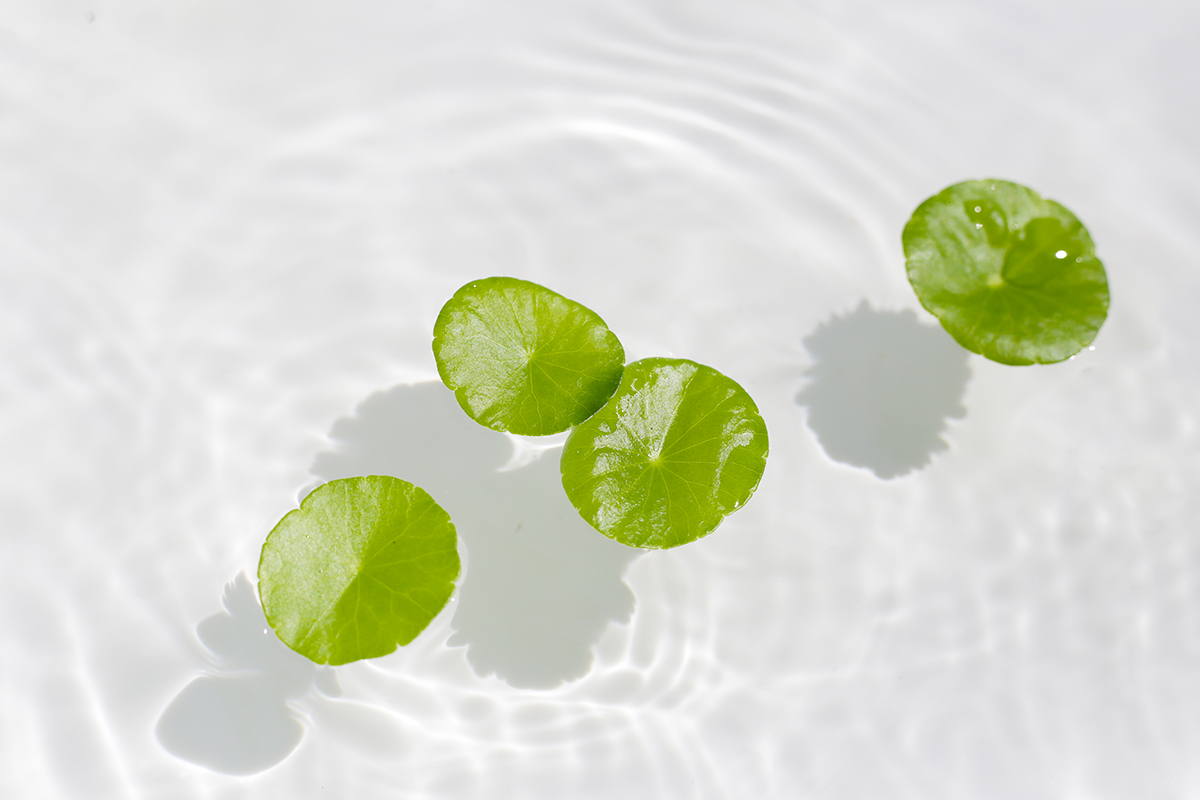
Also known as cica or tiger grass, this humble green plant has been used in traditional Asian medicine for thousands of years to heal wounds and treat inflammation.
Its soothing, healing properties are still being utilised today in many popular K-beauty products, from spot serums to daily moisturising creams.
Dr Christine explains, ‘Traditional ingredients like centella asiatica remain at the heart of Korean skincare. It’s soothing, excellent for sensitive or acne-prone skin, and great at supporting skin barrier repair’.
This exemplifies the K-beauty ethos: strengthening the skin barrier with gentle and nourishing ingredients, rather than attacking skin problems with harsh ingredients and temporary fixes.
Melody explains that these kinds of products have ‘resonated globally, as more people look for products that deliver visible results without compromising skin health’.
Azelaic acid
Anyone with sensitive, acne-prone skin should have this ingredient on their radar. Once a niche dermatologist secret, azelaic acid is now a K-beauty favourite thanks to its gentle but impressive results.
Melody explains, ‘Azelaic Acid is super trendy at the minute because it provides a lot of the exfoliation, pore-unclogging and resurfacing benefits of stronger acids, while also remaining gentle on sensitive skin, and even helping to soothe irritation.’
She recommends the ANUA Azelaic Acid 10 Hyaluron Soothing Serum to anyone with easily irritated skin: it delivers the smoothing, brightening results of other exfoliators, without any harsh stinging sensations.
Colour-changing formulas
Who says beauty products can’t multitask? One of the most exciting things coming out of the K-beauty industry right now are pigment-adapting CC creams that change colour when in contact with the skin. These creams match your skin tone to offer impressive, natural-looking coverage and skincare benefits all in one.
Dr Christine explains that they’re perfect for anyone keen to achieve the ‘glass skin’ look – a trend popularised in Korea of flawless, glowy skin. ‘I’m a fan of Erborian’s Colour-Changing CC Cream, which offers a beautifully natural, dewy finish that blurs pores and smooths texture without feeling heavy or artificial.’
Melody adds, ‘It also contains skincare ingredients like centella, hyaluronic acid, and vitamin E, so it helps to improve your skin while you wear it’.
Enzyme exfoliation
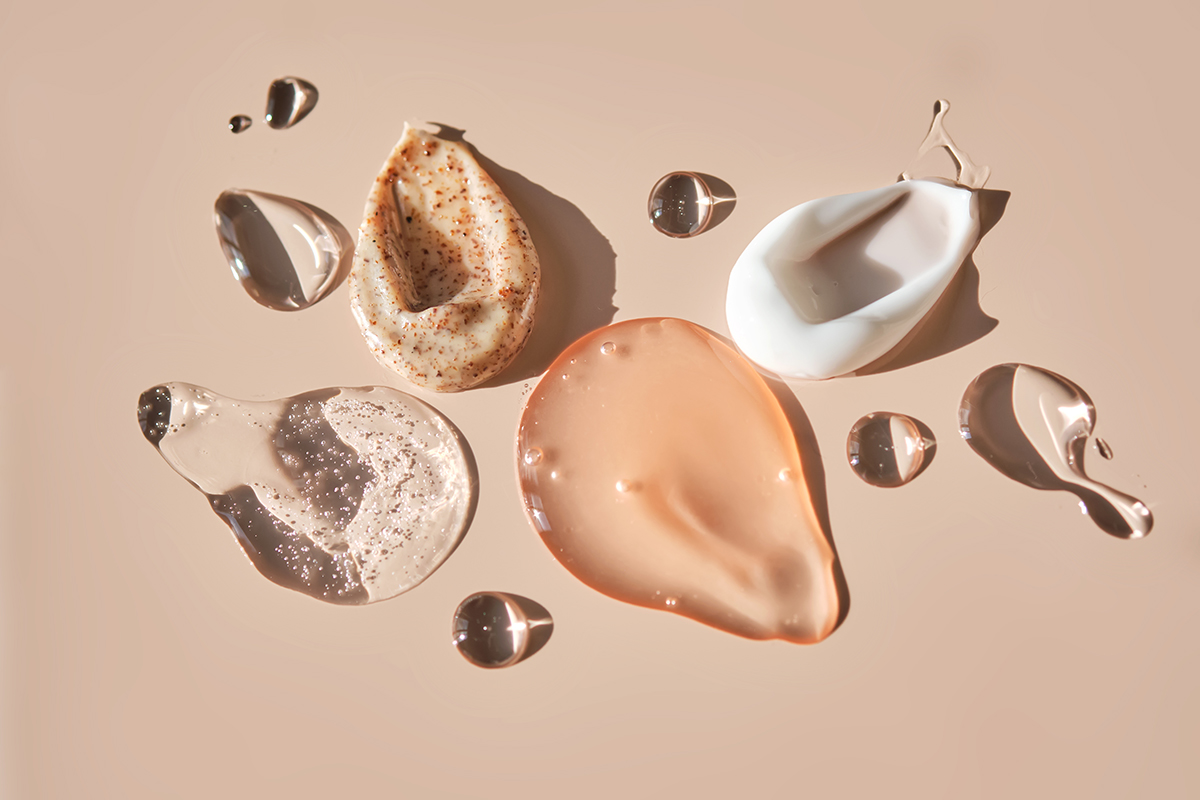
Meet the latest evolution of exfoliation: no acids, no irritation, just happy, glowing skin.
Melody explains that K-beauty enzyme-based toners, like the EQQUALBERRY Swimming Pool Toner, incorporate gentle-but-effective biological exfoliants.
‘This is a super-hydrating, nourishing and brightening toner that uses Protease (the enzyme that degrades proteins) rather than acids to dislodge dead skin cells on the surface of the skin and leave your complexion looking brighter and feeling smoother.’
What comes next?
‘K-beauty’s approach is changing how the world sees skincare,’ says Dr Christine. ‘Global beauty trends are now often shaped by what’s happening in Seoul. Ingredients like snail mucin and fermented extracts, once niche, are now mainstream because Korean brands have proven their efficacy.’
She adds that the same is now happening with newer innovations being pioneered by K-beauty brands. For example, EGF (Epidermal Growth Factor), a protein which promotes cell growth and skin regeneration, may be set to overtake retinol’s popularity thanks to its potent anti-ageing properties.
Vegan PDRNs are also being developed, made from plant DNA instead of salmon, paving the way for the next era of skincare.
The best K-beauty brands to know
Erborian: The cult brand behind skincare and makeup innovations like colour-changing CC cream
Beauty of Joseon: Blends cutting-edge scientific formulations with centuries-old traditional remedies, handed down from the Joseon Dynasty
Laneige: Masters of moisturisation, this Korean brand innovated the first-ever cream toner and went viral for their overnight Lip Sleeping Mask
Round Lab: This popular skincare brand creates gentle products made from the rich natural vegetation of the Korean peninsula
COSRX: Beloved by dermatologists and TikTokers alike, this brand built its reputation on innovations like its now-iconic Advanced Snail 96 Mucin Essence
Genabelle: Pioneers in PDRN and bio-microneedling, this brand expertly combines cosmetics and dermatology
Etude House: Playful, brightly coloured packaging and affordable prices popularised this K-beauty brand
Dr Jart+: Innovative skincare brand known for its popular, high-performance formulas like Cicapair and Ceramidin
Innisfree: Perfect for those just starting out on their K-beauty journey, this brand champions clean, cruelty-free and affordable products

Melody Yuan’s recommended products to try
The founder and CEO of K-beauty retailer Skin Cupid recommends the following products, which showcase the latest innovations in the Korean skincare industry.
‘One of the most iconic at-home microneedling products in Korea, this product uses centella asiatica-coated microneedles made of sponge that help to open up absorption pathways in the skin to increase the efficacy of the skincare you apply afterwards. Make sure to use it straight after cleansing for maximum results.’
GENABELLE Glutathione Vita Glow Spicule Shot
‘This microneedling product is also infused with another trendy Korean ingredient, glutathione – an amino-acid-based substance that is a powerful antioxidant, which also induces collagen synthesis in the skin and inhibits melanin production to prevent the formation of pigmentation. This makes it especially ideal for mature and dull skin.’
GENABELLE PDRN Vita Toning Ampoule
‘This product contains very high-purity PDRN, along with vitamin capsules to rejuvenate tired, dull, inelastic skin. It’s one of the brand’s top sellers and is used in the dermatology clinics in Korea!’
PARNELL Cicamanu Serum Cushion
‘The number one cushion foundation in Korea, this product sits somewhere between makeup and skincare. It’s infused with the brand’s signature blend of centella asiatica and manuka honey, so it helps to take care of your skin while also providing medium-level coverage with a radiant finish.’
NACIFIC Rice Pepta Collagen Gel Mask
‘Collagen masks have become super popular, and this is one of our favourites. Unlike a regular sheet mask, the ampoule that this mask is soaked in has been solidified – so you wear it for around 4 hours, letting the ampoule slowly melt into your skin over time. When you remove it, your skin feels soft, plump, and rejuvenated, without the stickiness you can get from regular sheet masks. It contains hydrolysed collagen – collagen that has been broken up into fragments to improve the skin’s ability to absorb it – along with peptides, to improve skin elasticity and firmness, and rice, for its brightening, soothing, and antioxidant properties.’
Read more: