
Does apple cider vinegar really help with weight loss? The viral health trends that work and which to ignore
Forget Dr Google, social media is saturated with influencers touting health hacks they swear will change your life. Turn to TikTok for tips and you’ll see thousands of posts promising miracle cures and instant results – such as the claim that sipping vinegar will help you lose weight; taping your mouth shut will cure your snoring and visiting McDonald’s will see off your migraine.
But is there any credibility to these popular health hacks? The answer is mixed. While some are based in truth, many are not, medical experts warn, adding a good old healthy lifestyle is better for you long-term, than a quick-fix health hack.
‘I see quite a few people who’ve tried viral health hacks before coming to me,’ says registered dietitian Katie Sanders. ‘It’s understandable – when you’re struggling with symptoms, it’s tempting to try the latest quick-fix you’ve seen online. But the problem is, most of these trends aren’t backed by good quality evidence, and some can actually make your symptoms worse,’ she says.
Katie advises caution before following online tips. ‘Some hacks are harmless, others a waste of money, or, at worst, harmful. It’s far better to get tailored advice from a registered healthcare professional than to follow trends,’ she says.
So which wellness tips work and which don’t? We take a look at the evidence behind some of the most popular health hacks…
- These are the laziest ways to burn belly fat fast
- How 'Ozempic breath' is the latest grim side effect of GLP-1 drugs
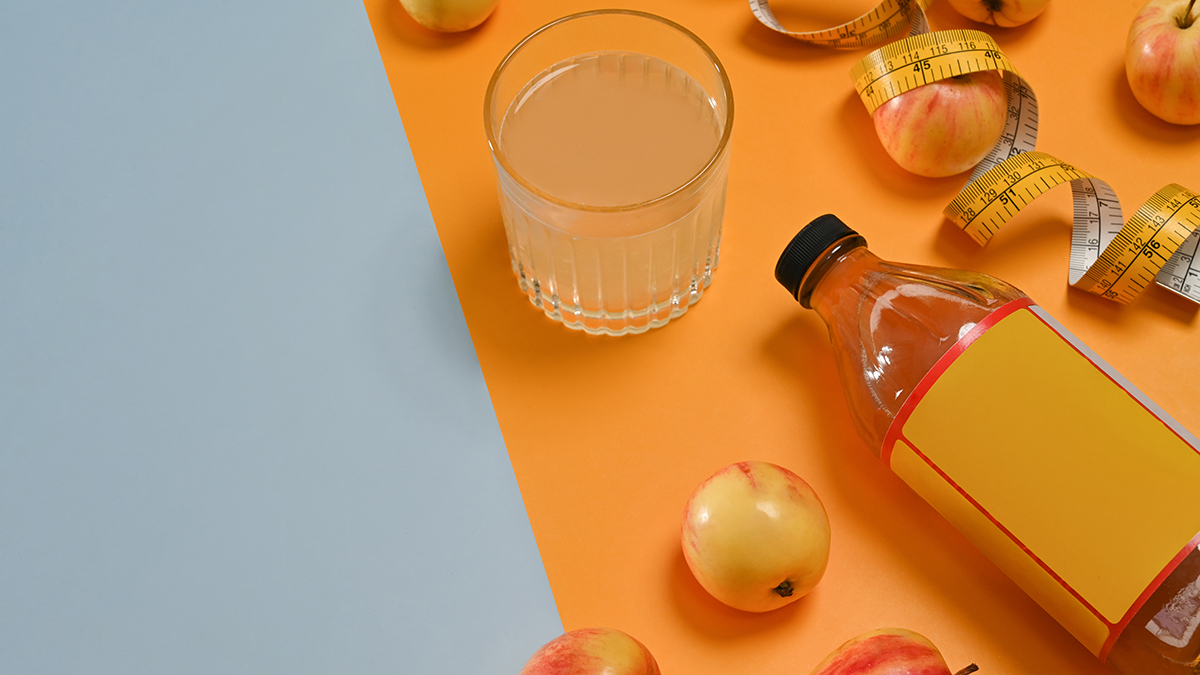
Claim: Drinking vinegar helps with weight loss
Truth: No, it doesn’t
This viral health hack claims that adding a tablespoon of apple cider vinegar to water and drinking in the morning, or before meals, will help with weight-loss, fat-reduction and reduce appetite. So, is there any science behind this? No, says dietitian Katie Sanders.
‘The evidence for apple cider vinegar and weight loss is not strong. The studies we have are very small, short-term and not always well-designed, so it’s hard to draw reliable conclusions. Some show tiny amounts of weight loss, others none at all and any changes could just be down to people eating fewer calories, rather than the vinegar itself.’
The only area where vinegar shows some effect is on blood sugar, she says, ‘because it can slow how quickly carbohydrates are absorbed. But the research is still limited.’ The risks, however, are clearer. ‘Taken regularly, vinegar can damage tooth enamel, irritate the throat and stomach, and interact with certain medicines,’ she says.
If you are looking to reduce your calories and appetite, Katie advises including lean protein at each meal, eating plenty of fibre, sticking to regular meal patterns and exercising regularly. ‘I’d keep vinegar for salad dressings, where it adds flavour, but your money is better spent on foods with proven benefits, like fibre, fruit, vegetables and fermented foods,’ she says.
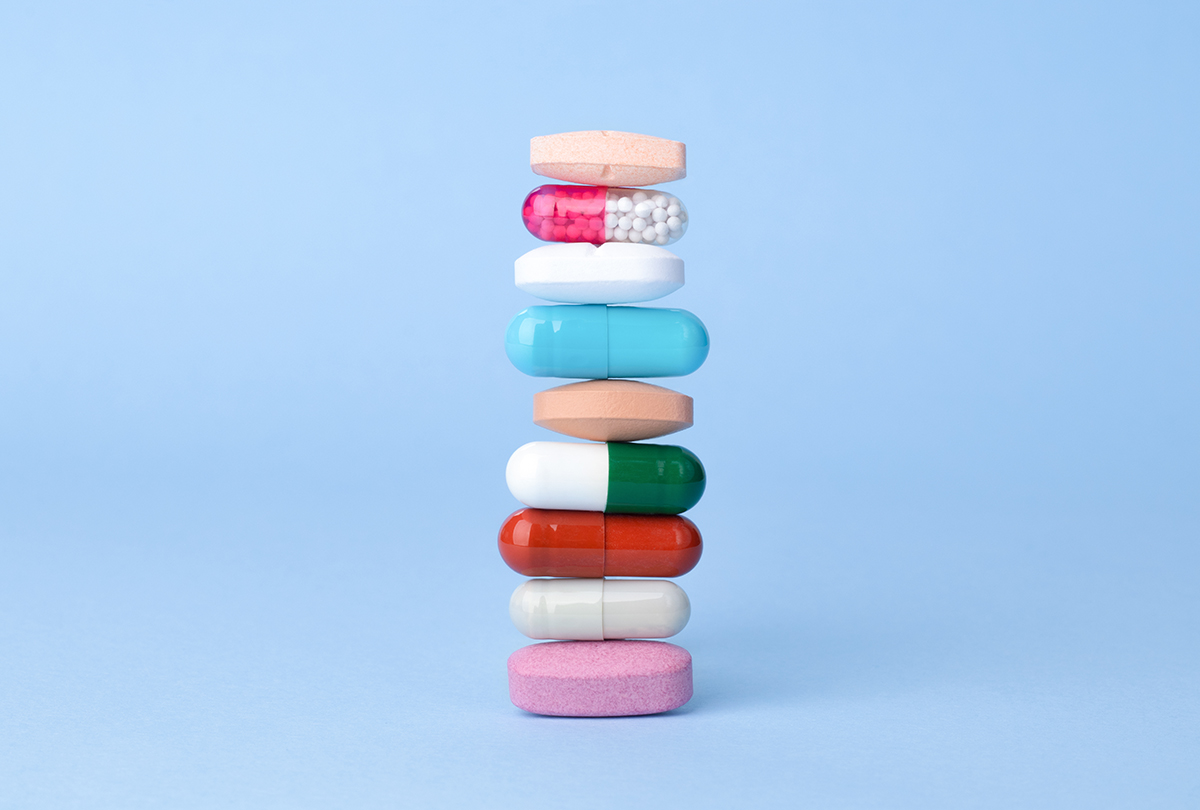
Claim: Supplement-stacking helps vitamins work better
Truth: Sometimes, but beware…
This viral trend, touted by bodybuilders and gym-goers, reckons grouping some nutritional supplements together means they work better. While most doctors and nutritionists maintain supplements are generally unnecessary if you eat a balanced diet, unless you have a specific deficiency, there are instances when taking some supplements together will help their efficacy.
‘For most people, supplements aren’t necessary, as a balanced diet usually provides what you need and taking lots of supplements can sometimes do more harm than good,’ says Katie.
‘However, there are a few combinations that genuinely matter if you do need to supplement – for example iron: iron supplements are absorbed better when taken with vitamin C, so having it with a small glass of orange juice can help. Iron is less well-absorbed if you take it with tea, coffee, or calcium supplements,’ she says.
In fact, anyone taking supplements, should understand how they interact together, as stacking may cause some to work less effectively. ‘If the supplements are taken all together, it might decrease absorption,’ says Raquel Britzke, Doctify-rated dietitian and nutritionist. ‘Also, grouping supplements can lead to high doses, which may increase side effects and harm your health,’ she warns.
‘Nutrients and herbs can interact with each other and with common medicines, sometimes reducing effectiveness, other times causing harm. Supplements should be targeted and ideally guided by a healthcare professional, not just stacked together because of a trend,’ says Katie.

Claim: Mouth-taping stops snoring
Truth: Yes, it does
It sounds extreme, but mouth-taping is the go-to hack for anyone wanting to stop snoring in their sleep. Snoring is caused by mouth-breathing, instead of nasal-breathing and the theory is, if you tape your mouth, you encourage yourself to start breathing through your nose. This is beneficial not only to reduce snoring, but breathing through your nose filters dust and allergens, while mouth-breathing can lead to a dry mouth, bad breath and possibly even tooth decay.
This hack does work, according to sleep experts. ‘I mouth-tape myself,’ says breathing retrainer Jane Tarrant of Link Breathing. ‘I also use nasal congestion strips as I feel my airway is compromised. When you mouth tape for sleep, you either partially or fully seal your lips, encouraging or forcing you to inhale and exhale through your nose,’ she says.
However, Jane issues caution, as mouth-taping is not for everyone. ‘If you are someone who cannot normally nose breathe for extended periods during the day, this should not be attempted at night,’ she says. ‘I recommend trying mouth-taping in the day and if you can’t tolerate it, don’t try it at night.’
She also advises it’s not for those who might have sleep apnoea, in which case you should seek medical advice. But if you do go for it, she advises keeping the corners of the mouth open, which helps with coughs and colds.

Claim: Cortisol cocktails help with stress
Truth: No, they don’t
Another health hack doing the rounds online is the ‘stress-busting cortisol cocktail’, also known as an ‘adrenal cocktail’. This wellness mocktail combines ingredients like orange juice, coconut water and salt and people claim it lowers ‘stress-related cortisol levels’ and ‘supports adrenal health’, boosting your mood and energy.
So, is there any merit to this? Sadly not, say experts. ‘I’m not aware of any robust evidence that cortisol cocktails can lower cortisol or improve adrenal function,’ says Katie. ‘Cortisol is a hormone regulated by the brain and adrenal glands, it’s not something you can switch on and off with a drink.’
What the cocktail does provide, she says, is vitamin C, electrolytes and sodium, which can make a refreshing hydration drink, particularly after sweating or exercise.
‘However, you can easily get those same nutrients from everyday foods like citrus fruit, berries, peppers, potatoes, leafy greens, nuts, seeds, and just plain water,’ she says. And be warned – 250ml of coconut water is high in sorbitol, which can have a laxative effect and may trigger gut symptoms in people with IBS.
‘I feel the big issue here is misinformation. People with genuine adrenal conditions, like Addison’s Disease, need medical treatment, not cocktails from TikTok. And drinking a lot of fruit juice adds unnecessary sugar. Ultimately, these cocktails are a renamed electrolyte drink,’ says Katie. ‘It won’t ‘fix’ cortisol or adrenal health. The best way to manage stress is through sustainable lifestyle strategies.’
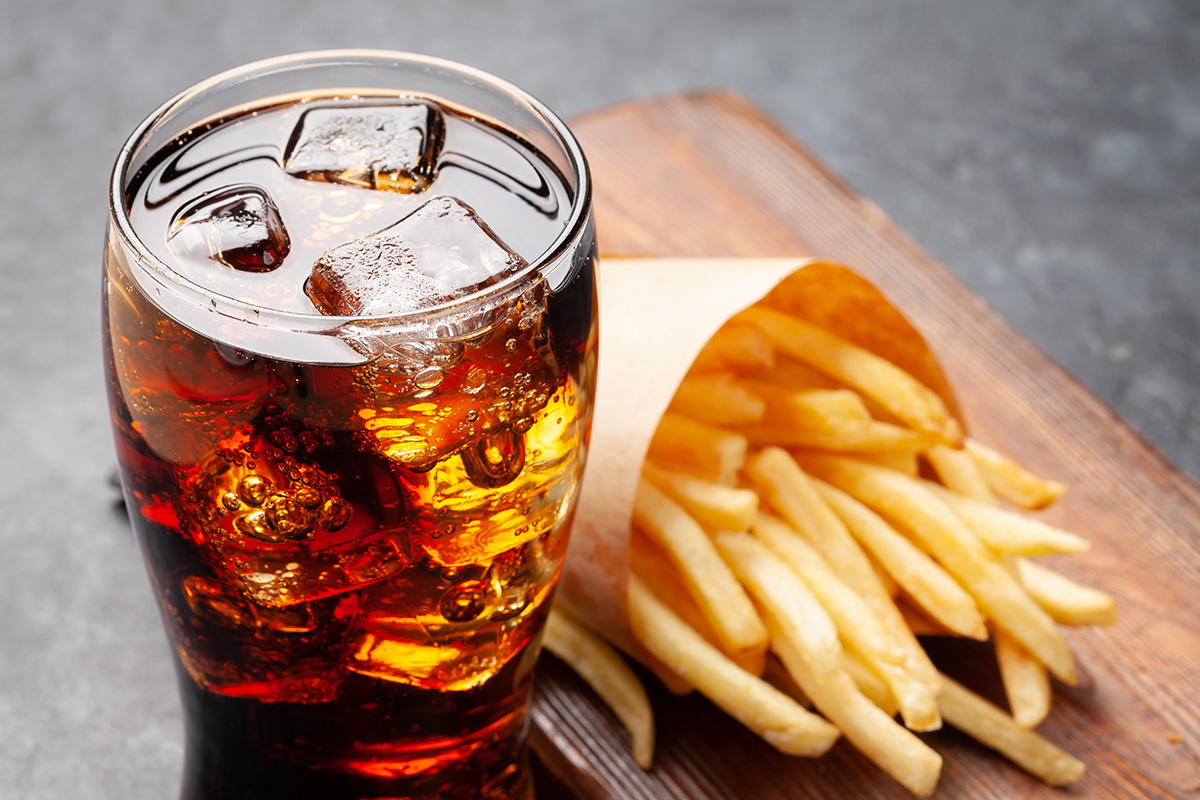
Claim: McDonald’s Coke and fries help a migraine
Truth: Possibly, but the science is out
This popular health hack has migraine-suffering TikTokers swearing it’s true. The theory is a large fries and Coke from McDonald’s will see off your migraine, because of the combination of caffeine and salt.
So, is it true? It might work for some, but it’s not a cure, according to The Migraine Trust. ‘A large fries and Coke from McDonald’s does not ‘cure’ a migraine,’ says spokesperson Debbie Shipley. ‘Migraine is a complex neurological condition, for which there is no cure, though there are many ways to manage the condition.
‘For some people, the caffeine in Coke or other fizzy drinks may have an effect on nerve activity and result in relief of symptoms,’ she says. ‘A similar response to the salt in the large fries may also be experienced by some people, but there isn’t enough evidence to explain exactly why,’ says Debbie.
Instead of social media hacks, Debbie urges migraine-sufferers to speak to their GP. ‘There are lots of treatment options, ranging from medications (like painkillers or triptans) that can be taken at the onset of a migraine attack, to preventive treatments.’
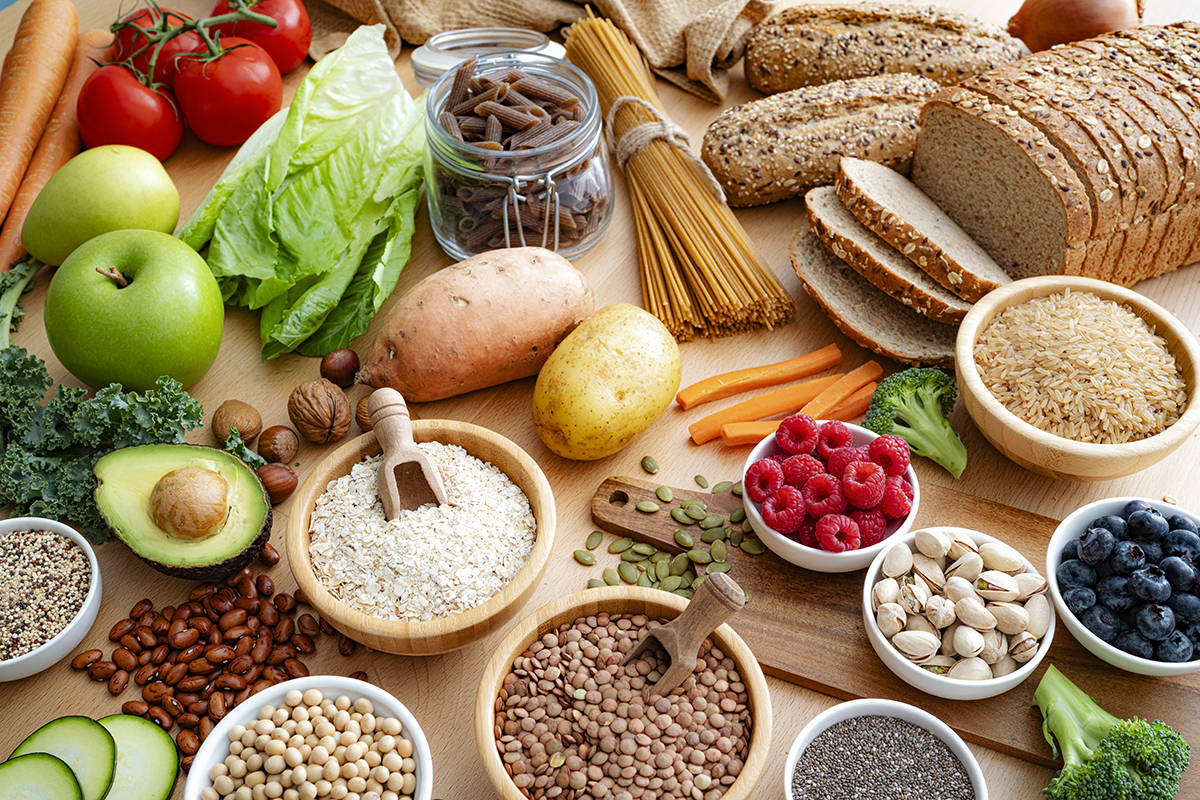
Claim: Fibre-maxxing boosts your health
Truth: Yes, but be careful
We all know we should eat fibre, but this wellness trend encourages people to load-up or ‘max’ high-fibre foods like fruits, vegetables, whole grains, nuts, seeds, and legumes in every meal. Which is a good thing, right? Yes, say experts, just don’t overdo it.
‘Adding fibre to every meal is a good strategy for weight-loss, to lower cholesterol levels and improve gut health,’ says Raquel. ‘Use a variety of fibres from fruit, vegetables, grains, legumes, nuts and seeds, and distribute them during the day, in each meal, in a way that will be well-tolerated.’
It’s important to increase fibre gradually, otherwise you’ll experience bloating, gas and constipation if there’s a fibre-overload. ‘Most of us only get about 18–20g of fibre a day, when the recommendation is 30g,’ says Katie. ‘Suddenly ‘maxxing out’ on fibre, especially if you’re not used to it, can cause bloating, wind, and discomfort, so I would advise gradually increasing intake up to 30g and spreading out over the day.’
And don’t go too high. ‘Regularly going well above 50g a day, especially without enough fluids, can lead to gut symptoms and may interfere with absorption of minerals like iron and zinc,’ says Katie.
’Very high fibre diets can be low in energy density. In young children, older adults, or people with high-calorie needs, this can reduce overall calorie and nutrient intake and may potentially increase risk of malnutrition. Like most things in life, balance is key.’
Read more:
