
This is the best way to get toned legs
Many of us are self-conscious of our legs, but you shouldn't have to avoid short hemlines for the rest of your life – toning up your legs can give you the confidence to never second-guess wearing a mini dress again.
Strong, defined leg muscles are also vital for longevity: linked to better cognitive health, immunity, and bone density. So, consider it an investment in your health that just happens to look great in a mini skirt.
Thighs and calves are notoriously tough to define, but Head of Personal Training at Virgin Active UK, Gok Yesodharan, says that’s because we tend to fall for the “cardio trap”. ‘Steady-state cardio, like a slow jog, is great for the heart and fat loss, but doesn't provide the mechanical tension from lifting weights that’s needed to shape the muscle,’ he explains.
So, pouring hours into strenuous HIT workouts and depriving yourself of carbs isn’t the answer.
‘Many women are under-eating protein and overthinking workouts, when it’s the basics done well that create change,’ adds Veronica Wilde, women’s health, strength & lifestyle coach. We asked the experts to reveal the top techniques to transform your legs in no time.
- These are the laziest ways to burn belly fat fast
- This surprising trick is the key to staying motivated at the gym
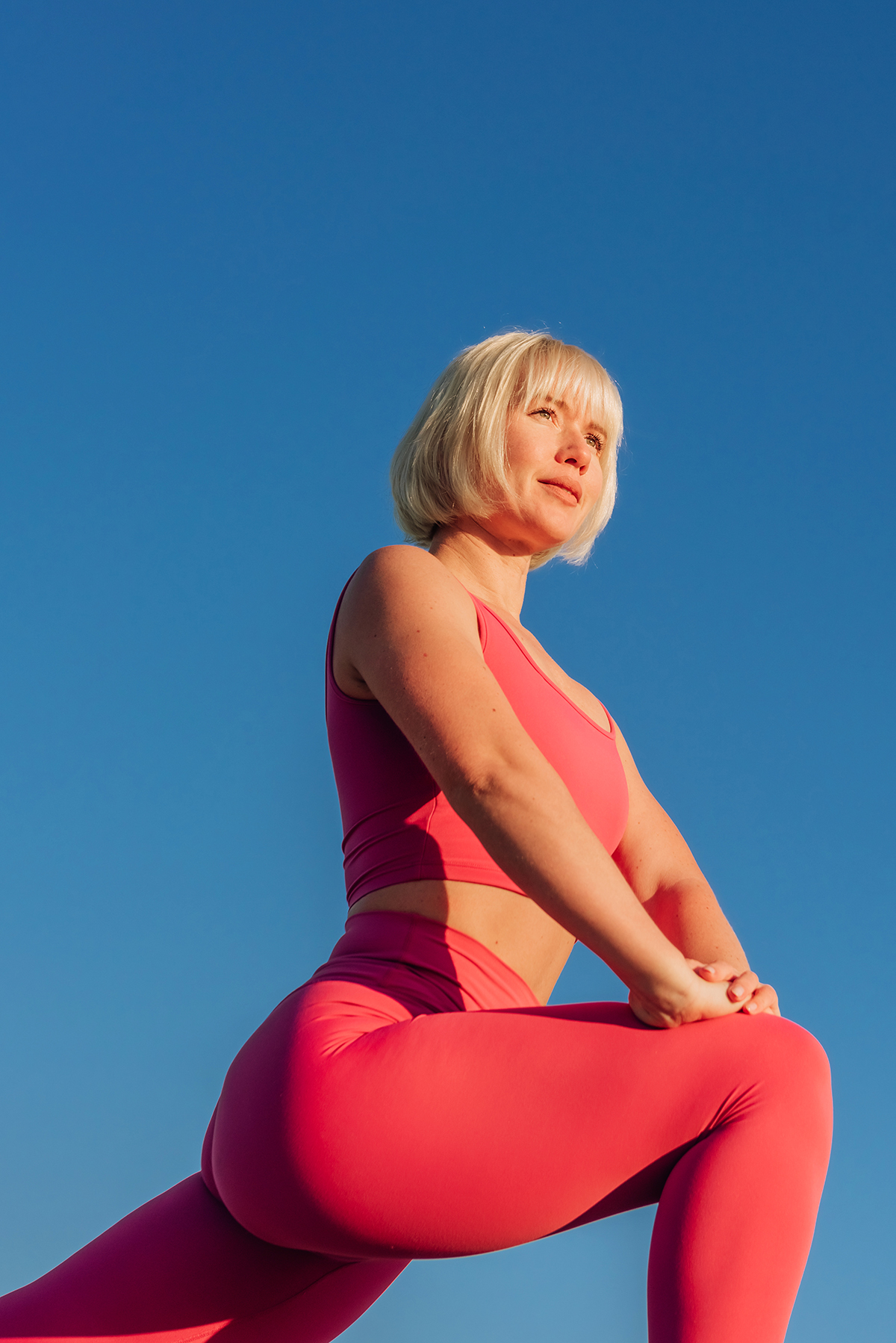
The key to toned legs (and what people get wrong)
We get leg training completely wrong, and the “bulking myth” - the fear that lifting heavy weights makes you overly muscular – is the main saboteur. This belief has us searching for toning effects in all the wrong places, when toned simply means defined muscles.
‘People often struggle to tone their legs because they misunderstand what “toning” means,’ says Sarah Campus, women's personal trainer, nutrition coach, and founder of holistic wellness platform LDN MUMS FITNESS. ‘It is not a separate process but a combination of building muscle and reducing body fat, so progress can feel slow if they focus only on one side of that equation.’
So, if you reduce your calorie intake without sculpting the muscle, or dive headfirst into a leg training routine without adjusting your diet, your efforts will be fruitless.
‘Many people rely too heavily on cardio, such as running or cycling, without incorporating enough strength training,’ notes Campus. ‘Which is essential for shaping the muscles in the legs.’
In other words, a daily, leisurely run around your local park won’t do much, but a high-intensity run up a steep incline will work magic, targeting the calves, quadriceps, hamstrings, and glutes.
‘There is also the challenge of fat distribution,’ she adds. ‘The legs, particularly the thighs and inner thigh, can be stubborn areas where the body holds on to fat, and it is not possible to target fat loss in one specific area. This can make it seem like nothing is changing, even when overall fitness is improving.’

The key is in targeting the subcutaneous fat, which sits just beneath the skin. And according to Carter Bailey, Exercise Physiologist at Pure Sports Medicine, it’s not as simple as just cutting down on calories. ‘Many people struggle because they consume insufficient protein,’ he explains.
It turns out that protein shakes aren’t just for gym bros and teenage boys desperate for broad shoulders; they are also essential for toning up legs. Protein provides the amino acids required to repair and rebuild the muscle fibres damaged during exercise.
In fact, the combination of intense exercise and a calorie-deficient diet without sufficient protein can even result in muscle loss, causing the legs to lose shape rather than tone up.
Top 8 leg exercises that define and tone
Strength and resistance training are the best ways to sculpt your legs. ‘These target the glutes, hamstrings, and quads, which is what gives your legs that “toned” look,’ explains Wilde. ‘If you can add walking daily, then you’ve got a very powerful combination.’
It isn’t about bulking the muscles to the extremes of a bodybuilder; it’s about activating and defining your leg muscles by forcing them to work against something, whether weights or gravity.
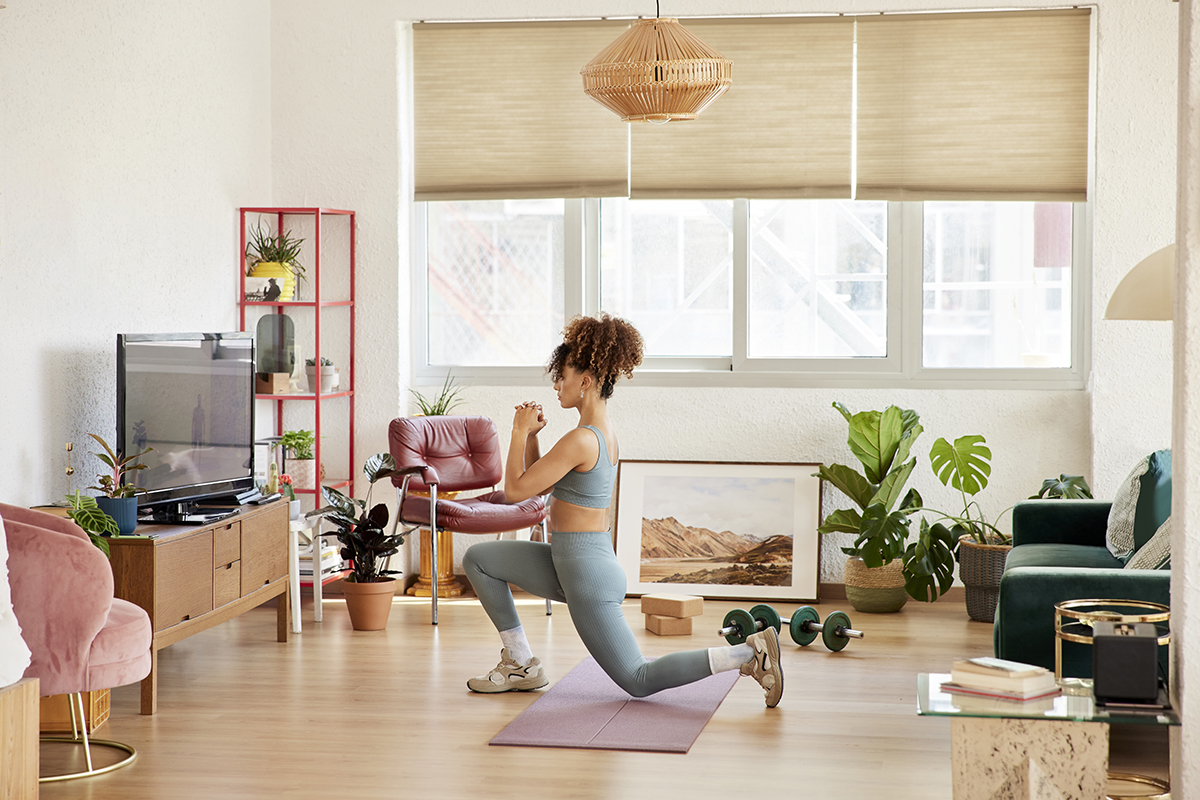
Genetics do make a difference – research shows that they can account for up to 72% of how our bodies respond to training – but our lifestyle can also have a significant impact. And in this work-from-home era, where many have lost their daily commute, leg exercises have never been more important.
‘Long periods of sitting can lead to 'gluteal amnesia,' warns Yesodharan. ‘Where the muscles in your posterior chain essentially switch off, making the legs appear less defined regardless of your DNA.’
Incorporate the following exercises into your weekly routine to effectively target major muscle groups in the legs:
1. Squats
‘Squats are one of the most effective exercises because they work the thighs, glutes, and even the core,’ says Campus. ‘By adjusting depth and stance, you can shift the emphasis slightly, but even a basic squat builds overall leg strength and shape.’ You can also add weights to further tone and strengthen the muscles.
Step-by-step instructions:
- Stance: Stand up straight, with your feet shoulder-width apart. Point your toes slightly outwards and clasp your hands in front of your face in a comfortable position.
- Squat: Bend your knees and lower your hips, keeping your torso upright, as if you were sitting down on a chair. Distribute your weight evenly across your heels to avoid falling forward.
- Hold: Maintain this squat position for three to five seconds once your thighs are parallel to the ground.
- Stand: Slowly return to a standing position and avoid rolling your spine.
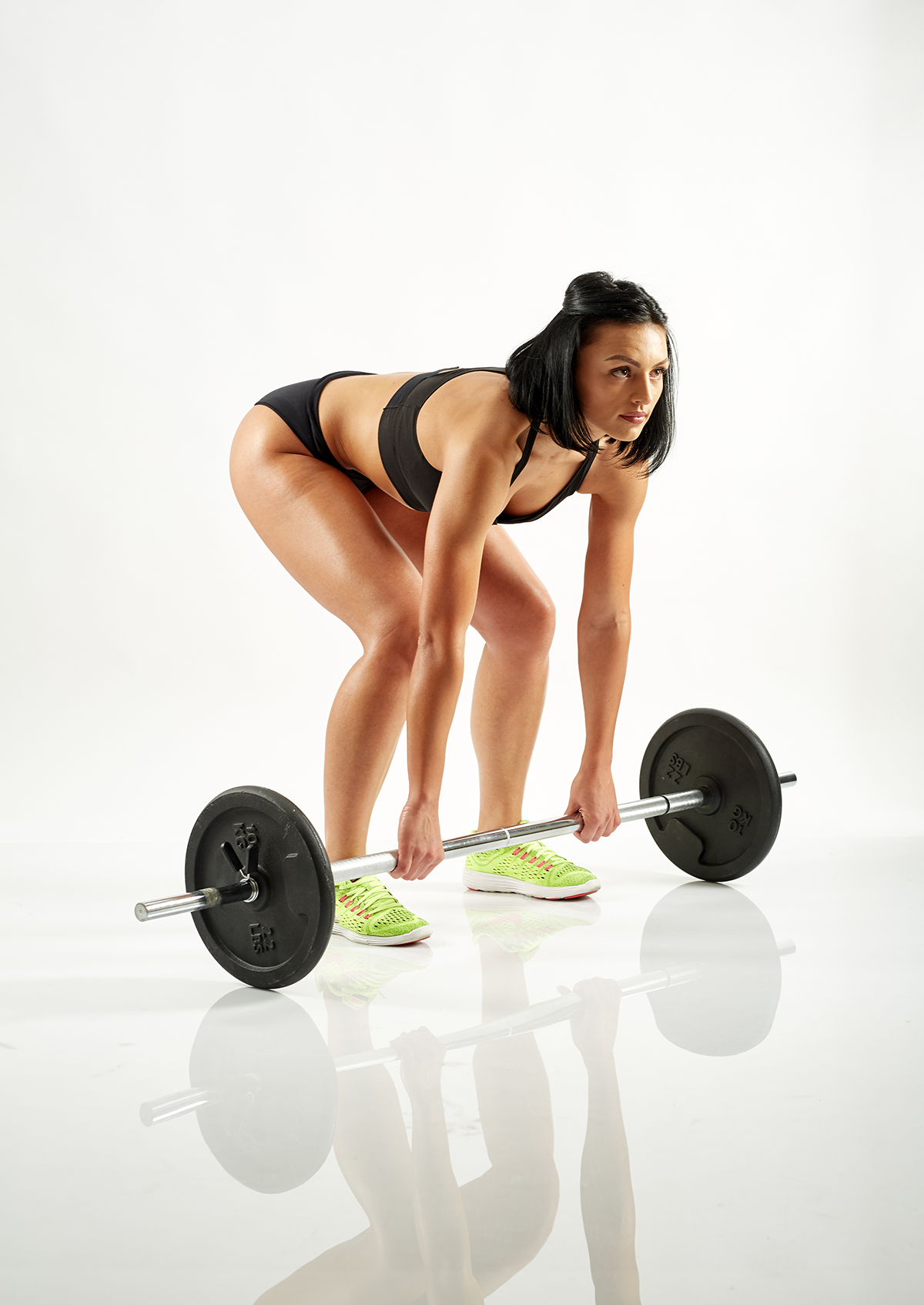
2. Romanian Deadlifts (RDLs)
This hip-hinge exercise utilises weights to work out the back of the legs, primarily the hamstrings and glutes. ‘These target the hidden side,’ says Yesodharan. ‘This is what creates a firm, lifted silhouette from the back.’
You don’t need to use a huge weight to practice an RDL; even just a small dumbbell will create resistance.
Step-by-step instructions:
- Stance: Stand with your chest up, shoulders back, core engaged, and feet hip-distance apart. Keeping your spine and neck neutral.
- Lift: Grip the weights with two hands in front of your thighs.
- Hinge: Soften your knees,push your hips back, and keep your back straight as you lower forward and slide the weights down your legs.
- Stand: Drive your hips forward to return to the standing position, squeezing your glutes.
3. Reverse lunges
This twist on the traditional lunge emphasises the glutes and hamstrings as well as the quads and calves. ‘Lunges are another staple, helping to develop balance as well as targeting each leg individually, which can improve symmetry,’ explains Campus.
Step-by-step instructions:
- Stance: Stand tall with feet hip-distance apart, shoulders back and core engaged.
- Lunge: Step back with one leg, landing on the ball of your feet and then lower, bending both knees to approximately 90-degree angles.
- Stand: Return to standing position by pushing through the heel of your front foot.
- Swich legs: Repeat with the opposite leg, controlling the movement and keeping feet planted.
4. The Goblet Adductor Lunge
Best performed with a dumbbell held to the chest, this sideways lunge works the adductors, a group of five muscles in the inner thigh. ‘An area often missed by traditional forward-facing exercises,’ notes Yesodharan.
Step-by-step instructions:
- Stance: Stand with your feet together, holding a single dumbbell to your chest and keeping your elbows tucked in.
- Lunge: Take a wide step to the side with one leg, keeping it straight while sitting into the hip of the bent, landing leg with the torso leaning slightly forward.
- Stand: Return to landing, pushing off the bent leg and activating the adductor muscles.
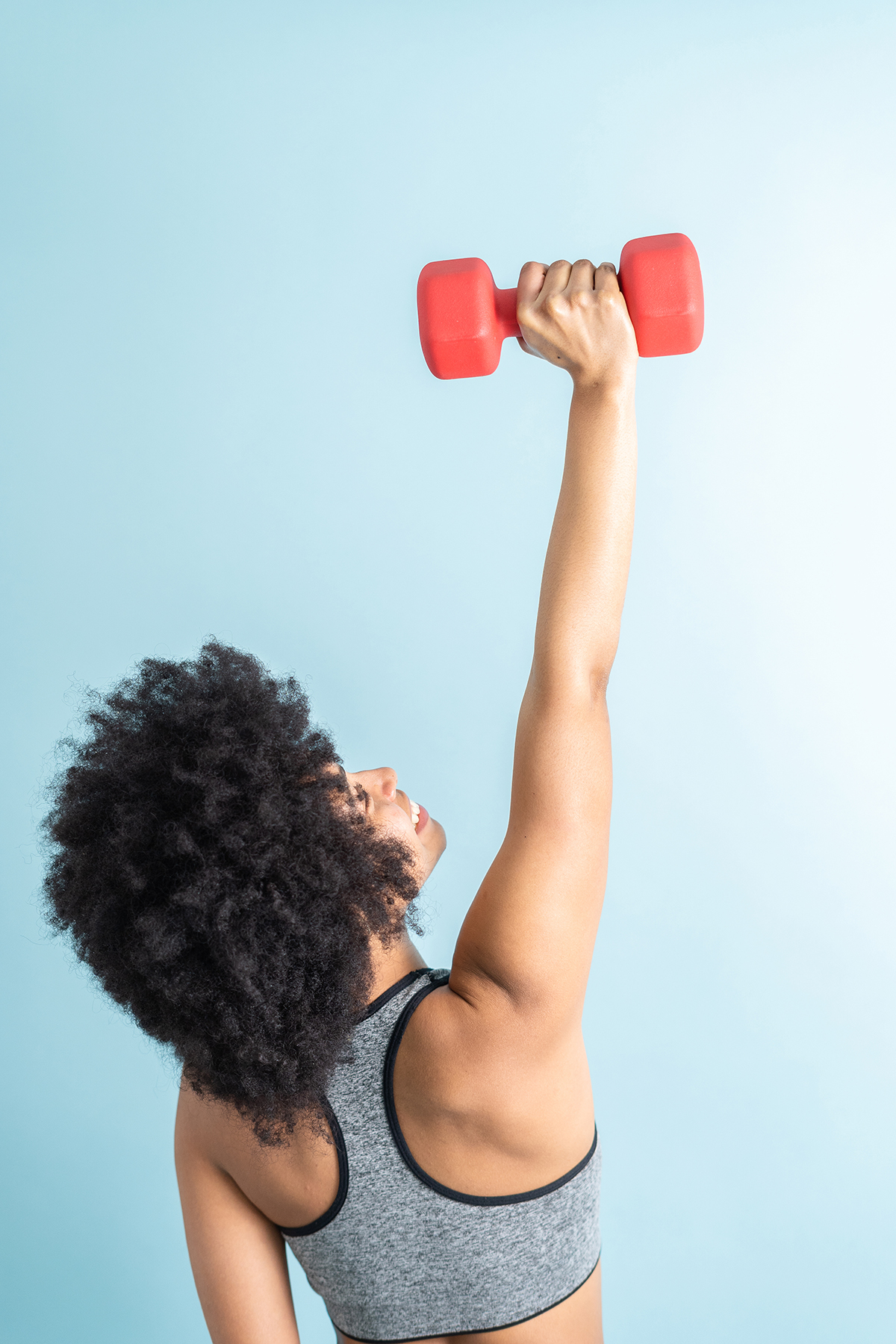
5. Step-ups
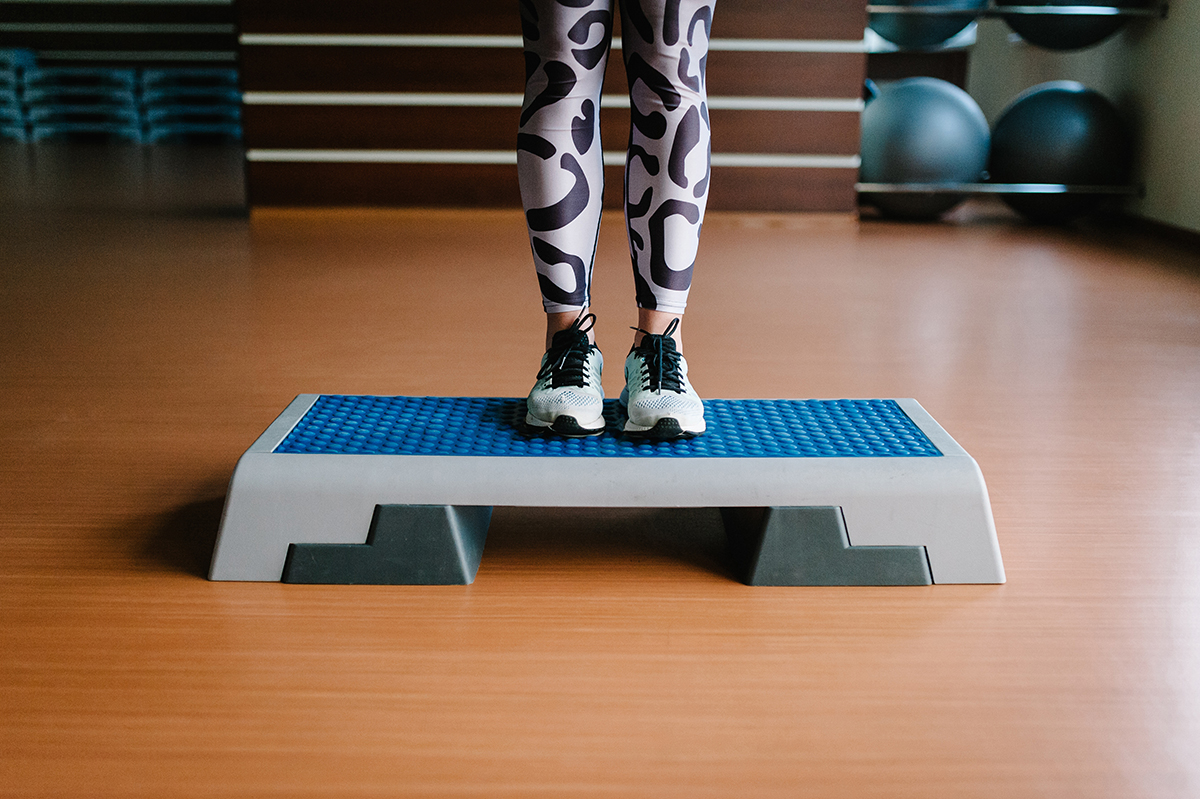
This body resistance exercise targets the quads, hamstrings and glutes. ‘Step-ups, using a bench or sturdy platform, are simple but effective for building strength and coordination while also raising your heart rate slightly,’ notes Campus.
Step-by-step instructions:
- Stance: Stand facing a bench, box or sturdy chair with your shoulders back and head tall.
- Step up: Place one foot onto the bench, forming a 90-degree angle with the knee and then drive up while leaning slightly forward to step the other foot up.
- Descent: Slowly bring the trailing foot back to the floor, creating resistance with gravity.
- Repeat: Complete 8 reps on one side before alternating legs to ensure an even workout on each side.
6. Glute bridges
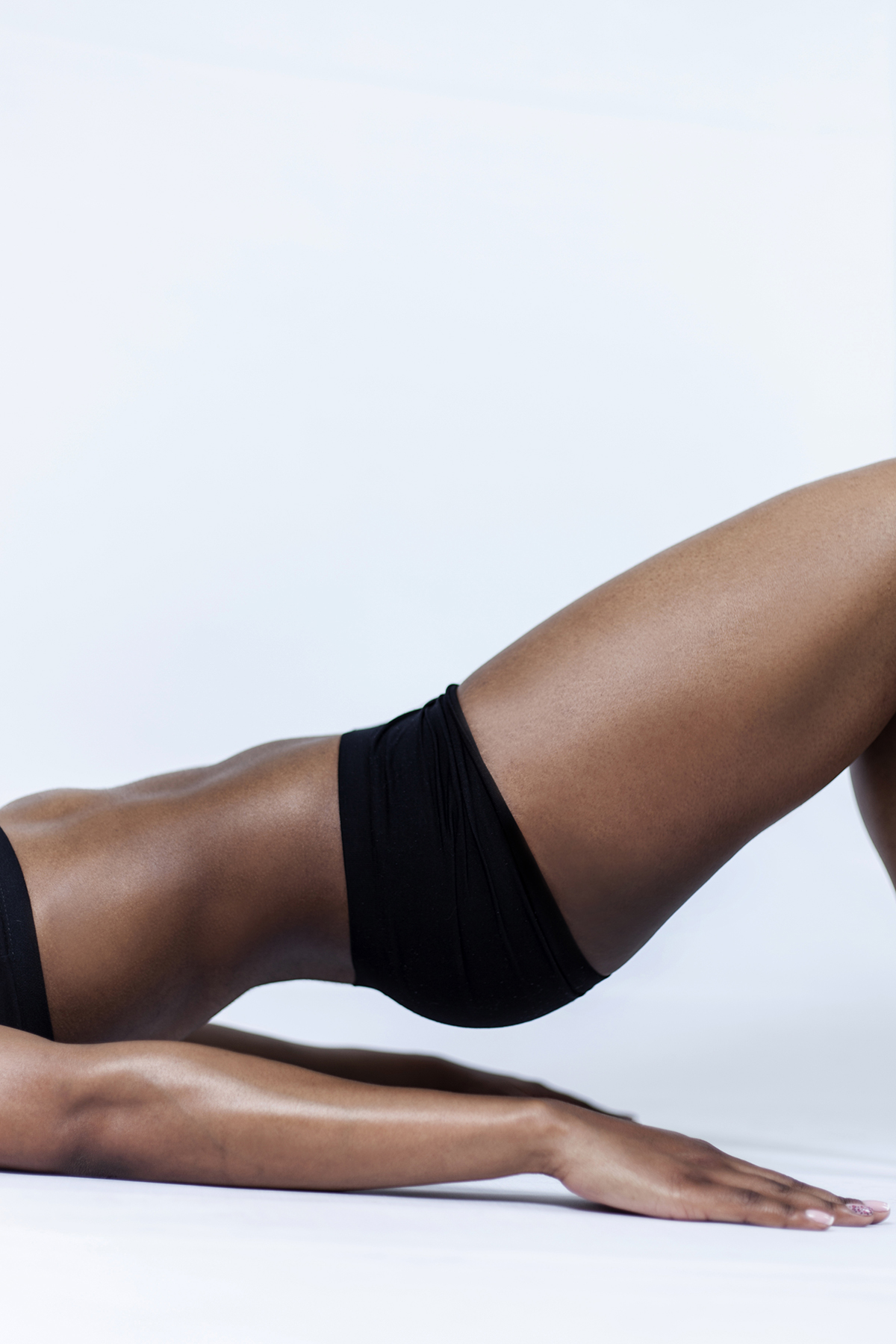
This lower-body workout is perfect for office workers. ‘Glute bridges are useful for strengthening the back of the legs and the glutes, especially for people who sit a lot during the day,’ explains Campus.
Step-by-step instructions:
- Stance: Lie on your back on a mat, with your knees bent so that you can graze your heels with your fingertips.
- Lift: Engage your core, pulling your belly button toward your spine, flattening your back and then press through your heels to raise your hips to the ceiling.
- Hold: Squeeze your glutes and hold for around 2 seconds.
- Lower: Return to a lying position by slowly lowering your hips down to the mat.
7. The Bulgarian Split Squat
‘The undisputed king of leg toning,’ says Yesodharan. ‘By elevating your back foot on a sofa or chair, you force the front leg to handle the full load, which creates that beautiful teardrop definition in the quads.’
Step-by-step instructions:
- Stance: Stand around two feet in front of a bench or box, facing the opposite way. Place your foot down on the bench behind you, so that the knee is bent in a kneeling position.
- Lower: Slowly lower the rear, bent knee toward the floor while keeping the front knee aligned over your foot as you bend.
- Lift: Push through the heel of your front leg to return to your starting position, keeping your chest upright and core engaged to stay balanced.
8. Wall sits
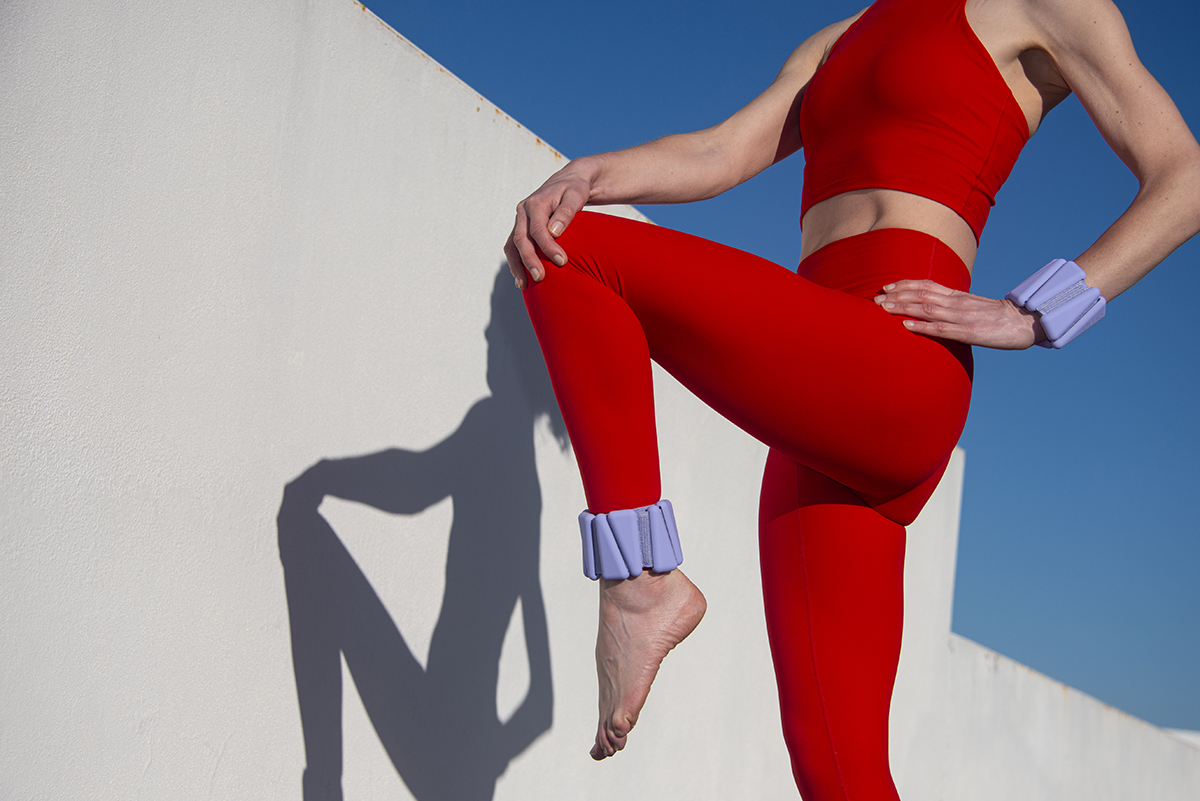
A simple exercise that can be done almost anywhere and is vital for building endurance throughout the lower body. It primarily works the quads, glutes and calves. To up the resistance you can place a weight on your thighs or lift one leg.
Step-by-step instructions:
- Stance: Lean against a wall with your back, head and shoulders flush to the wall. Keep your legs hip distance apart and your feet directly below the knees.
- Lower: Slowly slide down the wall until you get into a hovering seated position and your thighs are parallel to the floor, keeping your core engaged.
- Hold: Stay in position for a few seconds, keeping your back flat and your legs bent.
- Stand: Push up through the heels to return to an upright standing position.
‘The key is not just the exercises themselves but how you perform them,’ says Campus. ‘Controlled movement, proper form and gradually increasing difficulty, such as adding weight or repetitions, make a bigger difference than doing many exercises without progression. Consistency over time is what leads to visible definition.’
The best weekly leg routine
The good news is you don’t have to commit to a vigorous leg training regime to see real results. According to Yesodharan, just two days of strength training a week, combined with regular walking, is the most effective approach.
‘This is the 'Hybrid Interval' technique, which involves pairing two days of heavy, low-rep strength training (to build the shape) with three days of Japanese Walking Intervals,’ he explains.
‘By alternating three minutes of a brisk, purposeful pace with three minutes of a relaxed 'Niko Niko'(smiling) pace, you maximize fat oxidation without the massive cortisol spike of traditional HIIT. This combination provides the structural 'lift' from lifting and the leaning out from the walking, making it the fastest and most sustainable way to see a visible tightening of the legs.’

As with many things in life, the result is down to two major players: balance and consistency.
‘Most of us have a dominant leg that does 60% of the work during a standard squat, leaving the other side less defined,’ adds Yesodharan. ‘To see real change, you have to challenge each leg individually.’
You can identify your dominant leg through the push test. Just ask a friend or partner to push you gently from behind while you stand with your feet together, the leg you instinctively step forward on is your dominant one. Target your weaker leg, performing more reps on this side, to balance out the muscles and tone up your legs evenly.
The Hybrid Interval technique is designed to avoid burnout, sliding effortlessly into your daily routines. If you struggle to commit to two strength-training sessions a week initially, start with just one and build up.
‘Leg muscles are the largest muscle in the body and respond well to regular, progressive training,’ adds Campus. ‘But without gradually increasing resistance or maintaining a balanced diet with enough protein, results tend to plateau. Some people also underestimate how much recovery matters, leading to fatigue or even injury, which then interrupts progress.’
Read more:
