
Think you know everything about your penis? Think again! This organ gets talked about endlessly, in locker-rooms, in internet forums, and in cringe-worthy jokes, but most of what people actually know is wildly off.
Size myths, performance worries, and “facts” passed down like folklore have kept the truth hiding in plain sight.
The reality is way stranger, and way more fascinating, than you’ve been told. Your penis changes size multiple times a day, can have erections for no reason at all, and contains hidden parts most people don’t even realise exist.
It’s controlled by your brain, powered by blood flow, and influenced by stress, sleep, and even your heart health.
Whether it’s random erections at the worst possible moment, curves you didn’t know were normal, or parts of its anatomy that exist purely for pleasure, there’s a lot your penis is doing behind the scenes.
Here’s a numbered deep dive into everything you probably didn’t know about your most infamous body part.
- Ten everyday habits that help regenerate your liver
- Check before you flush. What your poo says about your liver, gut and even your mood
1. Only part of it is visible
What most people think of as “the penis” is only about half of the organ. A large portion extends internally and is anchored to the pubic bone by strong ligaments.
These internal structures help stabilise erections and control angle and movement.
This hidden anatomy explains why pelvic injuries, cycling trauma, or certain surgeries can affect erectile function even when the external penis looks unchanged.
2. It performs two very different biological roles
The penis belongs to both the urinary and reproductive systems. It allows urine and semen to exit the body through the same channel, yet never at the same time.
This is made possible by internal muscular valves that close off the bladder during ejaculation. While it may seem like an awkward design, it is actually a highly efficient evolutionary solution.
3. Erections are a blood-pressure event
Despite how it feels, the penis does not “flex” into an erection. There are no muscles inside it that create rigidity. Instead, erections happen when blood rapidly fills two sponge-like chambers called the corpora cavernosa.
As these chambers expand, veins are compressed, trapping blood inside and increasing pressure until firmness is achieved.
4. The brain is the real control centre
Every erection begins in the brain, not the penis. Visual stimuli, touch, fantasies, emotional closeness, and even memories can trigger neural signals that travel down the spinal cord.
Stress, anxiety, fear, or distraction can interrupt these signals, which is why psychological factors play such a powerful role in sexual performance.
5. Morning erections are a health check
Morning erections, clinically known as nocturnal penile tumescence, occur during REM sleep when testosterone levels peak and the nervous system is relaxed. They are not necessarily linked to sexual dreams.
Their regular presence is often a sign of healthy blood vessels and nerve pathways, which is why doctors sometimes ask about them during health assessments.
6. Size is constantly changing
Penis size fluctuates throughout the day. Temperature, stress, hydration, physical activity, and emotional state all affect blood flow.
Cold causes blood vessels to constrict, while warmth and relaxation increase circulation.
These changes are temporary and completely normal, even though they are rarely talked about openly.
7. “Growers” and “showers” are genetically determined
Some penises appear small when flaccid but expand significantly when erect, while others change very little.
This difference is genetic and has no relationship to sexual ability, fertility, or masculinity.
There is no medical or evolutionary advantage to either type, despite persistent cultural myths.
8. Sensitivity is not evenly distributed
The penis is not equally sensitive everywhere. The glans (head) contains a dense concentration of nerve endings, making it particularly responsive to touch, pressure, and temperature.
The frenulum, which is the small ridge on the underside, is another highly sensitive area that plays a major role in sexual pleasure.
9. Circumcision alters sensation, not satisfaction
Circumcision removes the foreskin, which contains nerve endings and protective tissue.
This can change the type of sensation experienced, particularly friction and moisture levels.
However, research suggests that long-term sexual satisfaction depends far more on communication, confidence, and emotional factors than on circumcision status alone.
10. Erections can happen without desire
Not every erection reflects sexual interest. Random nerve firing, hormonal fluctuations, or physical stimulation from clothing can cause erections without conscious arousal.
This is especially common during puberty but remains normal throughout adulthood and should not be overinterpreted.
11. Testosterone is only one piece of the puzzle
While testosterone influences libido and erectile function, it is not the sole driver.
Healthy blood vessels, responsive nerves, good sleep, cardiovascular fitness, and mental wellbeing are just as important.
Many men with normal testosterone levels experience erectile issues due to stress or medical conditions.
12. Erectile tissue resembles nasal tissue
The same spongy tissue that allows the penis to become erect is also found in the nose.
This is why some medications, such as decongestants or blood pressure drugs, can affect erections. It also explains why sexual arousal can sometimes cause nasal congestion.

13. There is no bone involved
Despite the common slang term “boner,” the penis contains no bone. Its rigidity comes entirely from blood pressure.
This design allows flexibility and movement, but it also means the penis can be injured under certain conditions, particularly when erect.
14. Penile fractures are real (and serious)
A penile fracture occurs when the erect penis is bent forcefully, causing a tear in the tough tissue surrounding the erectile chambers.
This usually happens during vigorous sex or accidental trauma. It is a medical emergency and requires immediate treatment to avoid long-term complications.
15. Curvature is more common than you think
Many penises curve slightly upward, downward, or to the side. Mild curvature is normal and often present from adolescence.
Only sudden changes, pain, or severe bending, such as that caused by Peyronie’s disease, require medical evaluation.
16. Your penis can reveal heart health
The blood vessels in the penis are small, making them sensitive to circulatory problems. Erectile dysfunction can sometimes appear before symptoms of heart disease or diabetes.
For this reason, persistent erection issues are sometimes considered an early warning sign of broader vascular problems.
17. Regular erections help maintain tissue health
Frequent erections help oxygenate penile tissue and maintain elasticity.
There is no evidence that regular sex or masturbation “wears out” the penis. Problems arise only when pain, injury, or discomfort is ignored.
18. The penis has its own microbiome
Like the gut and skin, the penis hosts a community of microorganisms. Proper hygiene helps maintain a healthy balance and reduces the risk of irritation or infection.
The makeup of this microbiome can vary depending on circumcision status, sexual activity, and general health.
19. The glans is structurally different from the shaft
The head of the penis is made of different tissue than the shaft. It is smoother, more sensitive, and designed to reduce friction during penetration.
This structural difference plays a key role in both pleasure and protection.
20. Size has little relevance to fertility
Fertility depends on sperm production, quality, and motility, all of which occur in the testes.
Penis size has no meaningful impact on the ability to conceive. Once ejaculation occurs near the cervix, sperm movement, and not penile dimensions, determines success.
21. Growth mostly ends after puberty
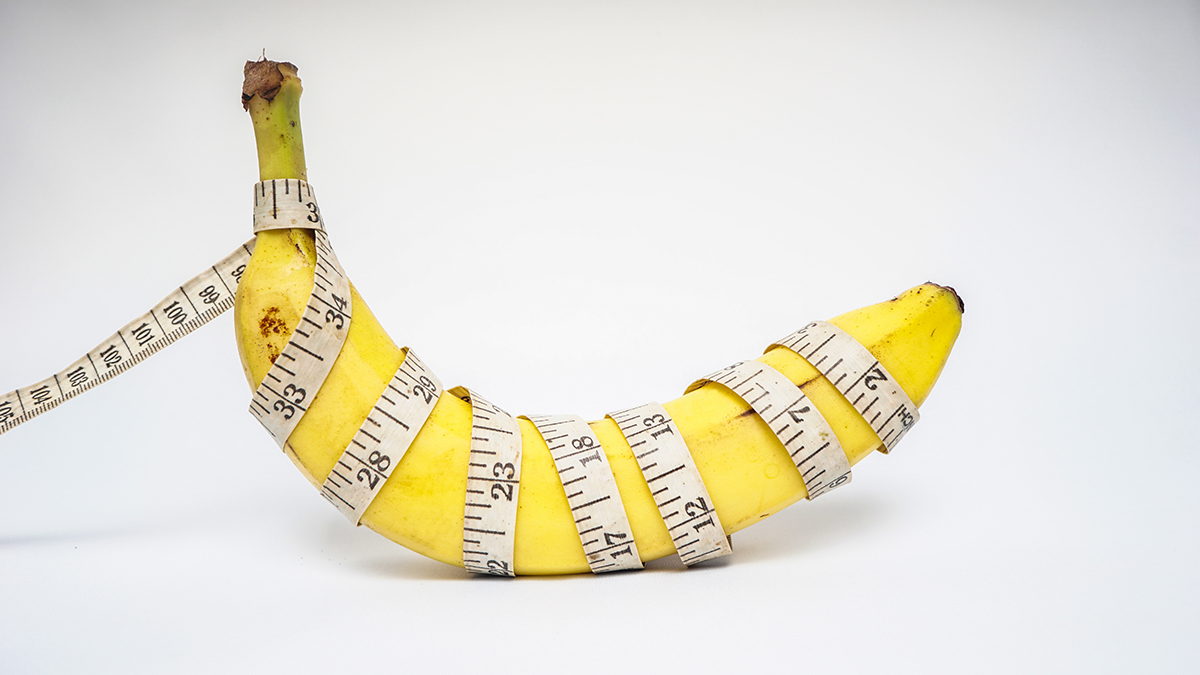
Most penile growth happens during puberty and is usually complete by the late teens or early twenties.
After this point, permanent size changes are rare. Products claiming to increase size in adulthood are generally unsupported by credible scientific evidence.
22. Temporary shrinkage is normal
Stress, anxiety, cold temperatures, and intense exercise can all cause temporary shrinkage due to reduced blood flow.
This is a protective physiological response and fully reversible once the triggering factor passes.
23. Pain should never be ignored
Persistent pain, burning, numbness, or soreness is not normal. These symptoms may indicate infection, inflammation, nerve compression, or injury.
Early medical attention often prevents long-term problems and preserves sexual health.
24. Pelvic floor muscles matter more than you think
While the penis itself contains no muscles, the pelvic floor muscles surrounding it play a crucial role in erection rigidity and ejaculation control.
Strengthening these muscles can improve sexual function and bladder control.
25. Sexual frequency doesn’t determine performance
How often someone has sex or masturbates does not define sexual ability.
Libido varies widely due to hormones, stress, relationships, and life circumstances. There is no “correct” frequency that applies to everyone.
26. Ageing affects erections, but not desire for intimacy
As men age, erections may take longer to develop or be less firm. This is a normal biological process.
Desire for intimacy, pleasure, and connection often remains strong and can even deepen with emotional maturity.
27. Anxiety is one of the biggest erection killers
Performance anxiety can disrupt the brain–body feedback loop required for erections. Worrying about performance often creates the very problem someone fears.
Relaxation, communication, and self-compassion play a major role in sexual wellbeing.
28. The penis adapts to use and experience
The nerves in your penis send signals to your brain that create sexual sensations.
Over time, your nervous system adjusts to repeated stimulation patterns, not by losing sensitivity, but by changing how it processes pleasure.
Introducing variety, staying mindful, and being emotionally connected can keep sensations feeling fresh and boost long-term satisfaction.
29. Cultural myths shape expectations more than biology
Many beliefs about penis size, performance, and masculinity are culturally constructed rather than biologically meaningful.
These myths often cause unnecessary anxiety and comparison, despite having little basis in medical reality.
30. Confidence matters more than anatomy
Research consistently shows that sexual satisfaction depends far more on confidence, communication, emotional connection, and mutual understanding than on physical characteristics.
A healthy relationship with one’s body contributes more to sexual wellbeing than size or shape ever could.
Read more:
