
Check before you flush. What your poo says about your liver, gut and even your mood
Poo is something every human produces, usually once a day, and yet it is rarely talked about openly.
Despite being so universal, many people flush it away without thinking twice, unaware that stool is one of the clearest indicators of overall health. Its colour, consistency, frequency, and even smell can reveal important information about digestion, hydration, diet, stress levels, and the state of your gut microbiome.
Digestive health is deeply connected to overall wellbeing. Public health bodies such as the World Health Organization repeatedly highlight the global burden of gastrointestinal disease, including colorectal cancer, inflammatory bowel disease, and chronic digestive disorders.
Many of these conditions are preventable or highly treatable if detected early, and stool often provides some of the first clues that something is amiss.
From the chemical composition of your stool to the impact of diet and lifestyle, understanding how your digestive system works can help you make smarter health choices. Here are 25 things you might not know about poo, plus some extra surprising facts and a guide to what your stool colour could mean.
- Drink this and reduce your risk of bowel cancer today, says expert
- Protect your prostate today with these simple lifestyle swaps
1. Poo is mostly water
Stool may look solid, but about 70–75% of it is water. The remainder is a mix of undigested food, bacteria, fats, salts, mucus, and cells shed from the intestinal lining.
Proper hydration is key to producing stool that’s easy to pass. When you don’t drink enough fluids, the colon absorbs extra water from waste, making it hard and difficult to eliminate.
2. A large portion is bacteria
Roughly half of solid stool is made up of bacteria, both living and dead. These microbes form part of the gut microbiome, a complex ecosystem that helps digest food, produce vitamins, regulate immunity, and even influence mood. Stool is, in many ways, a visible reflection of that internal microbial community.
3. The brown colour comes from bile
Stool starts as green bile, a digestive fluid produced by the liver to help break down fats. As bile passes through the intestines, chemical reactions and bacterial activity gradually change its colour to brown. When digestion is faster than normal, stool may appear green because bile hasn’t fully broken down.
4. Colour changes can signal health issues
While occasional variations in stool colour are normal, persistent or dramatic changes may indicate an underlying problem.
Black stool may point to bleeding in the upper gastrointestinal tract, while bright red stool can be a sign of haemorrhoids or bleeding lower in the digestive system. Pale, clay-coloured stool may indicate issues with the liver or bile ducts. Monitoring ongoing changes can help identify serious conditions early.
5. Doctors use a stool classification system
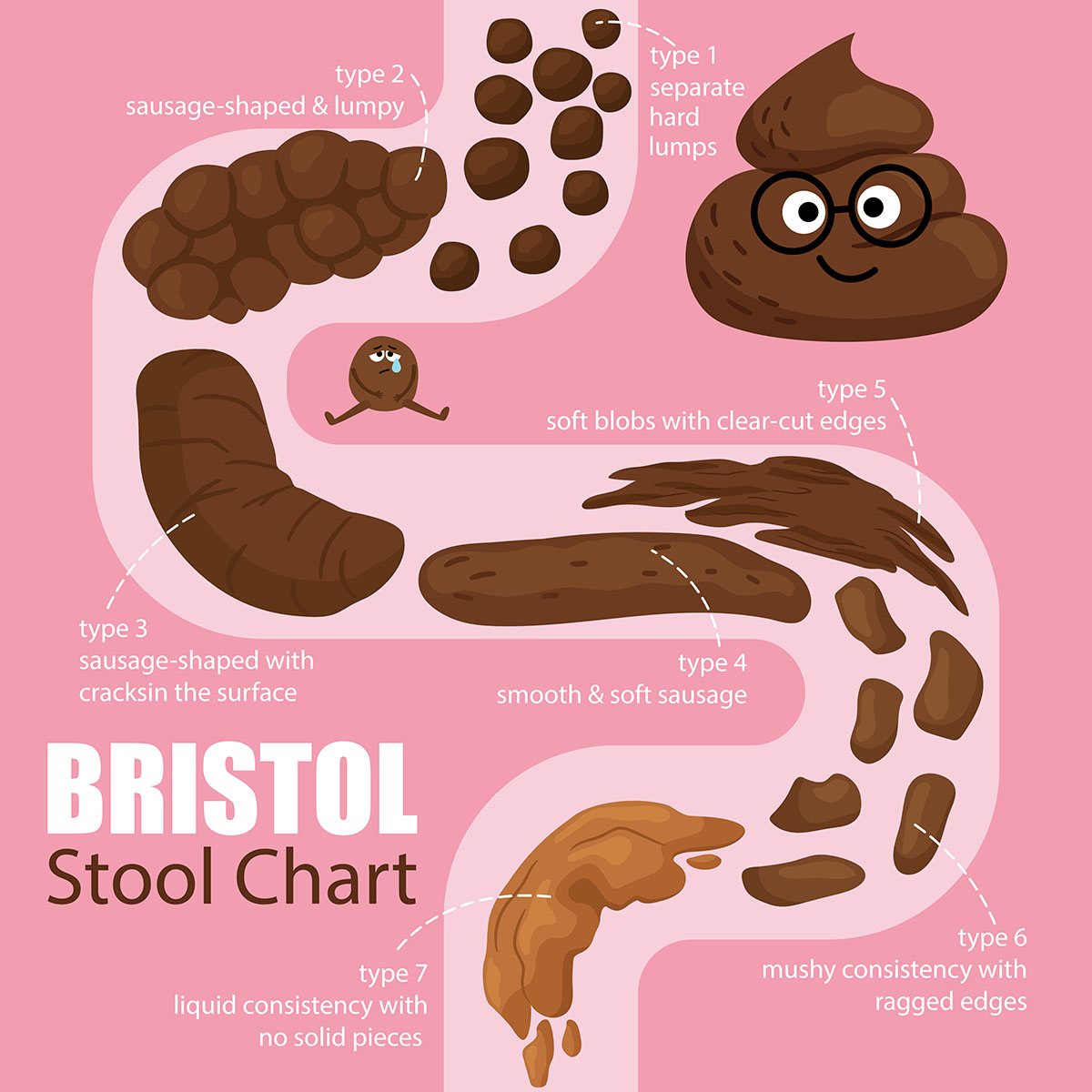
Clinicians often refer to the Bristol Stool Chart, which categorizes stool into seven types, ranging from hard pellets to entirely liquid forms.
Types 3 and 4, sausage-shaped and smooth, are considered ideal. Types 1 and 2 suggest constipation, while types 6 and 7 indicate diarrhoea. This simple visual guide helps doctors assess gut health and track changes over time.
6. There is no single normal frequency
Some people have bowel movements multiple times a day, while others go only a few times a week. Both patterns can be normal, as long as stool is passed comfortably and regularly.
Sudden changes in frequency, particularly if accompanied by pain, fatigue, or weight loss, should be evaluated by a healthcare professional.
7. Fibre is essential for healthy stool
Dietary fibre plays a critical role in shaping stool and keeping digestion smooth. Soluble fiber absorbs water and forms a gel-like consistency, while insoluble fibre adds bulk and helps stool move efficiently through the intestines. Low-fibre diets are strongly linked to constipation and long-term digestive problems.
8. Hydration directly impacts texture
The colon’s main function includes absorbing water from waste material. Without adequate fluids, the colon absorbs too much water, resulting in hard, dry stool. Drinking plenty of water is a simple but essential way to maintain healthy bowel movements.
9. Odour is produced by bacterial gases
The characteristic smell of stool comes from gases released by bacteria as they break down nutrients in the intestines. Sulphur-containing compounds, in particular, produce strong odours. Diet plays a major role, foods like eggs, meat, and cruciferous vegetables often intensify the smell.
While diet is the main factor, extremely foul-smelling stool may indicate infection, malabsorption, or other digestive issues. Monitoring unusual odours alongside other symptoms can help flag potential problems.
10. Stress influences bowel movements
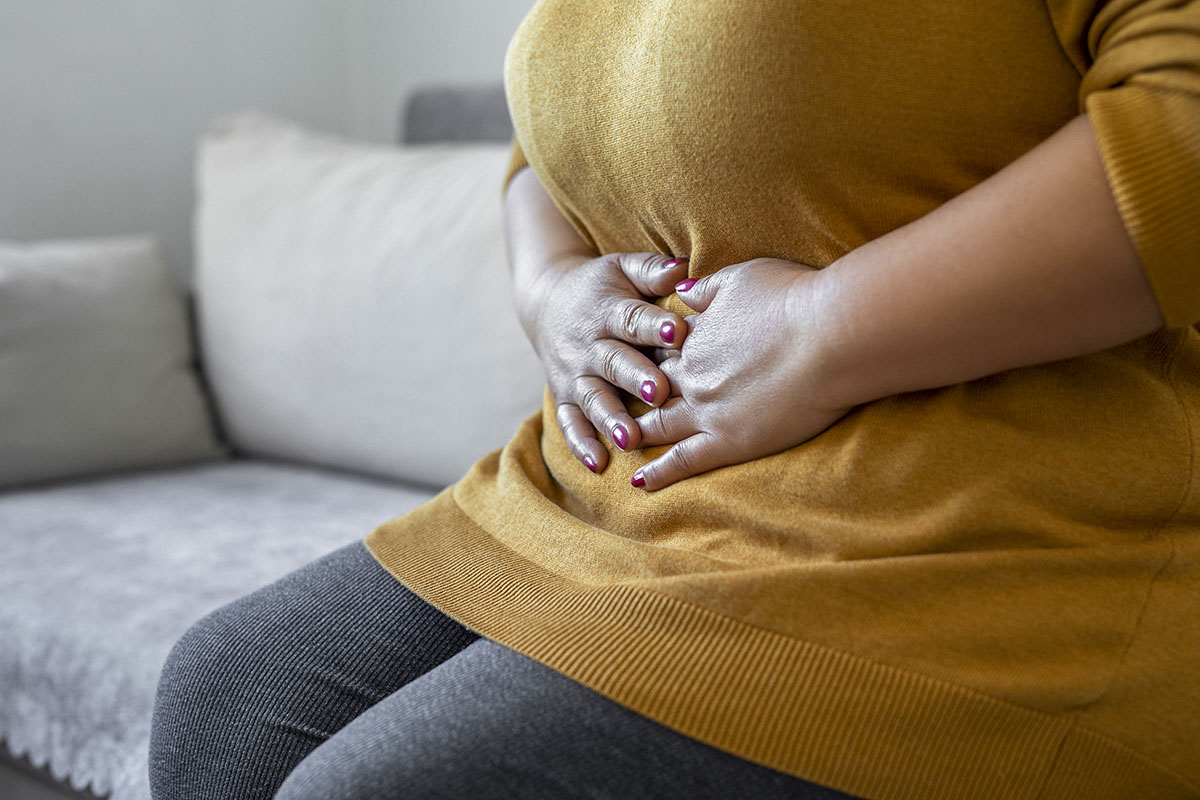
The gut-brain axis describes the constant communication between the digestive system and the brain.
Stress, anxiety, and emotional turmoil can trigger intestinal contractions that result in diarrhoea, or slow digestion and cause constipation. This connection is why people often feel digestive symptoms before major life events or during high-stress periods.
11. Antibiotics can disrupt stool patterns
Antibiotics kill harmful bacteria, but they also impact beneficial microbes in the gut. This can lead to diarrhoea, changes in stool consistency, or even infections like Clostridium difficile in severe cases. Restoring balance through diet or probiotics is often recommended after antibiotic use.
12. Ignoring the urge can lead to constipation
Delaying bowel movements repeatedly can make stool harder and more difficult to pass. Over time, this can lead to chronic constipation and discomfort. Developing a routine that responds promptly to your body’s signals supports long-term bowel health.
13. Physical activity stimulates digestion
Exercise improves blood flow to the intestines and stimulates the smooth muscles that propel stool through the colon. Even moderate activity like walking or yoga can improve regularity. Sedentary lifestyles are strongly linked to slower transit times and constipation.
14. Floating stool is often about gas
Floating stool is usually harmless and caused by trapped gas. However, persistent floating combined with a greasy texture can indicate fat malabsorption, which may occur in digestive disorders such as celiac disease or pancreatic insufficiency.
15. Hormonal shifts affect stool
Hormones play a key role in digestion. Many women experience looser stool or diarrhoea before menstruation due to hormone-induced contractions in the intestines.
Thyroid disorders can also influence bowel habits, with hyperthyroidism causing frequent stools and hypothyroidism causing constipation.
16. Age changes digestive function
Infants, adults, and older adults all have different bowel patterns. Older adults are more prone to constipation due to slower intestinal motility, changes in diet, reduced fluid intake, and medications that affect the digestive tract.
17. Travel commonly alters bowel habits
Traveling can disrupt normal digestive routines. Changes in diet, water source, sleep, and stress levels can lead to both constipation and diarrhoea. Traveler’s diarrhoea is particularly common in regions with different food hygiene standards.
18. Diet impacts stool within days
Food can change stool colour and consistency within one to three days. Red foods such as beets can temporarily redden stool, while leafy greens can turn it green. Artificial food dyes can also affect colour. While these changes are usually harmless, persistent changes should be checked.
19. Thin stools can signal narrowing
Occasional thin stools are generally not alarming but consistently pencil-thin stool may indicate narrowing in the colon and should be evaluated by a healthcare professional to rule out conditions like colorectal cancer or polyps.
20. Blood should always be evaluated
Even though haemorrhoids are common, visible blood should never be ignored. Bright red blood may result from minor issues, but dark or mixed-in blood requires urgent assessment to exclude more serious conditions such as gastrointestinal bleeding or cancer.
21. Stool testing can save lives
Modern screening techniques use stool samples to detect hidden blood or abnormal DNA associated with colorectal cancer. Non-invasive stool tests have greatly improved early detection and survival rates.
22. Chronic diarrhoea has consequences
Persistent diarrhoea can lead to dehydration, electrolyte imbalances, and nutrient deficiencies. It may also be a sign of chronic conditions like inflammatory bowel disease, infections, or malabsorption syndromes.
23. Constipation is widespread
Constipation affects millions worldwide. Common causes include low fibre intake, dehydration, inactivity, medications, and certain medical conditions. Lifestyle modifications, including more fibre, fluids, and exercise, can often prevent or relieve constipation.
24. Gut health is linked to immunity
A large portion of the immune system resides in the gut. Disruption of the microbiome can influence inflammation, susceptibility to infection, and even mood. Stool is a visible endpoint of this internal ecosystem, showing how well your digestive system and immune system are functioning.
25. Monitoring changes is preventive care
Tracking your bowel habits may feel awkward, but it can provide early warning signs of disease. Changes in frequency, consistency, colour, or smell that persist should prompt consultation with a healthcare provider. Awareness and proactive monitoring are forms of preventive medicine.
26. Poo contains DNA
Stool contains cells shed from the intestinal lining, which carry human DNA. Scientists can analyse this DNA to detect infections, inflammation, or even genetic risk factors for certain diseases, making poo a surprisingly valuable diagnostic material.
27. Your stool can reflect your mood
Because of the gut-brain axis, chronic stress, anxiety, or depression can directly influence bowel habits. Persistent diarrhoea, constipation, or sudden changes in stool can sometimes be linked to mental health.
28. Sleep patterns can affect bowel movements
Disruptions in circadian rhythm, caused by shift work, jet lag, or irregular sleep schedules, can change intestinal motility. These changes can lead to altered stool frequency or consistency.
29. Microplastics can appear in stool
Recent studies show that trace amounts of microplastics ingested through food and water can pass through the digestive tract and appear in stool. This highlights environmental exposure and raises questions about long-term health effects.
30. Stool can reveal food intolerances
Recurring digestive discomfort, bloating, or abnormal stool after eating certain foods can indicate intolerances, such as lactose or gluten sensitivity. Attention to patterns can improve dietary choices and digestive health.
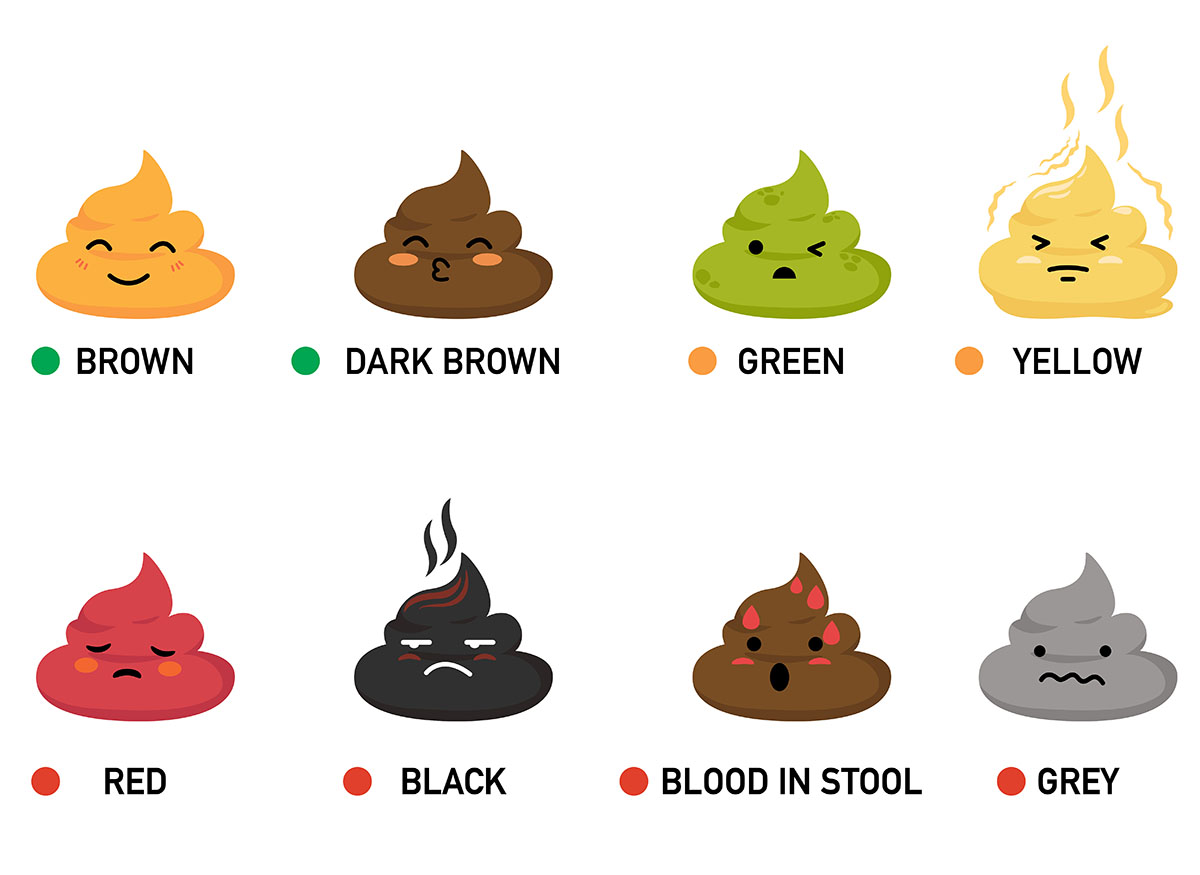
What your poo colour might be telling you
Stool colour can vary from day to day depending on diet, hydration and digestion speed. But persistent or dramatic changes may signal something more significant.
Brown (Light to Dark)
What it usually means: Normal.
Brown stool is the result of bile breaking down during digestion. Variations in shade are common and usually reflect diet.
Green
Possible causes:
- Food moving quickly through the gut (less time for bile to turn brown)
- Eating leafy greens or green food dye
- Iron supplements
Occasional green stool is typically harmless.
Yellow (Greasy or Foul-Smelling)
Possible causes:
- Fat malabsorption
- Certain infections
- Conditions affecting the pancreas or small intestine
If persistent and accompanied by weight loss or discomfort, it should be evaluated.
Black
Possible causes:
- Iron supplements
- Bismuth medications (such as some indigestion remedies)
- Bleeding in the upper digestive tract
Black, tarry stool, especially with weakness or dizziness, requires urgent medical attention.
Bright Red
Possible causes:
- Haemorrhoids
- Anal fissures
- Lower intestinal bleeding
- Recently eaten red foods (like beets)
If bleeding is unexplained or recurrent, seek medical advice.
Pale, Grey or Clay-Coloured
Possible causes:
- Reduced bile flow
- Gallbladder or liver conditions
- Bile duct obstruction
Persistent pale stool should always be medically assessed.
When to see a doctor
Contact a healthcare professional if colour changes:
- Last more than a few days without an obvious dietary reason
- Are accompanied by pain, fatigue, weight loss or fever
- Include visible blood or black, tarry stool
While occasional variation is normal, persistent changes in stool colour can be an early warning sign. Paying attention is a simple and potentially life-saving health habit.
Read more:
