
Experts reveal the secrets to boosting your libido today
We all assume that everyone else is having more sex, better sex – even more adventurous swinging-from-the-chandelier style sex, but the reality can be very different. Studies suggest that sexually active adults have sex around 50 times a year but as we get over the age of 50, this can decline to around 20 times a year.
Of course, personal circumstances can dictate the frequency someone is physically able to be sexually active, including whether you have a partner, but it can also be down to libido – your sex drive.
- Psychotherapist shares the warning signs you could be overlooking in your relationship
- What your star sign says about your sex life
Natural interventions
Dr Elise Dallas, a women's health GP at The London General Practice, shares their advice on how to address a low libido.
1. Diet
What you put in your body plays a huge role in how you feel, including your sex drive, says Dr Elise. ‘Consume a balanced diet rich in fruits, vegetables, lean proteins, and whole grains. And avoid excessive alcohol consumption and processed foods, as they can negatively impact libido and sexual performance.’
Diets that are rich in zinc, omega-3 fatty acids, and vitamins like B and E can significantly help in boosting libido. Keep reading to discover more nutritional advice.
2. Pelvic exercises
Dr Elise recommends Pelvic Floor Exercises (Kegels) ‘Both men and women can improve their sexual fitness by exercising their pelvic floor muscles,’ she explains. ‘Strengthening the pelvic floor muscles can improve bladder control and enhance sexual sensation, plus regular Kegel exercises can lead to more intense orgasms and increased sexual satisfaction.’
Dr Elise describes how to do these exercises. You tighten the muscle you would use if you were trying to stop urine in midstream. Hold the contraction for two or three seconds, then release. Repeat 10 times. Try to do five sets a day.
‘These exercises can be done anywhere—while driving, sitting at your desk, or standing in a checkout line. At home, women may use vaginal weights to add muscle resistance,’ she adds.

3. Reconnect emotionally
‘It’s easy to overlook the emotional connection in a relationship,’ Barbara says. ‘But I see this as one of the most significant factors in keeping your libido alive.’ Barbara suggests you ask if you’ve been feeling disconnected from your partner. The emotional bond you share directly impacts your sexual chemistry.
‘My advice is try focusing on intimacy outside the bedroom. Planned regular date nights, deep conversations, or just small acts of affection can build that emotional closeness, which naturally revives sexual desire.’
4. Manage stress
‘Chronic stress can have a detrimental effect on libido and sexual function,’ Dr Elise says. ‘Practice stress-reducing techniques such as mindfulness, meditation, or deep breathing exercises to promote relaxation and improve overall well-being.’
When you’re stressed, your body’s production of sex hormones can take a hit, and your focus shifts away from intimacy. Try something as simple as a warm bath to get your mind in the mood.
5. Regular exercise.
‘Engage in physical activities that increase blood flow and improve cardiovascular health, such as walking, swimming, or yoga,’ Dr Elise says. ‘Exercise releases endorphins, which can boost mood and increase arousal.’
She also suggests incorporating resistance exercises into your routine to improve muscle tone and stamina. Stronger muscles can lead to increased endurance and enjoyment during sexual activity.
6. Sleep more
Adequate sleep is extremely important, according to Dr Elise.
‘Prioritise quality sleep to optimise hormone levels and energy levels. Lack of sleep can lead to fatigue and decreased libido, so aim for 7-9 hours of uninterrupted sleep per night. When you’re well-rested, your body has the energy and hormones it needs for a healthy and active sex life.
7. Address hormonal changes
‘Talk to your doctor about hormone replacement therapy or other hormonal treatments if menopausal symptoms like vaginal dryness or decreased libido are impacting your sex life significantly,’ Dr Elise says. ‘Your oestrogen, progesterone and testosterone levels reduce in midlife which plays a big part in reducing desire, and many women suffer with vaginal dryness.
Although the amount of testosterone women have is smaller than men, it still has a significant impact on libido. The hormonal changes affect your vagina and sexual performance.
However, you can get help from your doctor.’ Dr Elise says that oestrogen patches, pills, sprays and gels may be helpful (with progesterone cover if you have a womb), and you can add in testosterone in female doses if oestrogen alone is not helping - libido is the one thing testosterone is licensed for.
‘Also, vaginal oestrogen is safe for everyone - even if you have breast cancer so should be considered if experiencing dry or uncomfortable sex.’
8. Supplements
‘Certain supplements may support sexual health in midlife,’ Dr Elise explains. Discuss with your doctor about supplements like L-arginine, ginseng, maca root, or black cohosh, which have been associated with increased libido and sexual function in some studies. Keep reading to find out why these supplements might work for you.
9. Communication
‘Open and honest communication with your partner about desires, preferences, and concerns can strengthen emotional intimacy and enhance sexual satisfaction,’ Dr Elise says.
‘Maintain physical affection even if you're tired, tense, or upset about the problem; engaging in kissing and cuddling is essential for maintaining an emotional and physical bond.’
Why does your libido change every month?
Naturopath, herbalist and A.Vogel (avogel.co.uk) trainer Siobhán Carroll explains why you might not always been in the mood.
Have you ever wondered why you might be feeling more in the mood and more easily aroused at certain times of the month, and much less at other times? Having a natural cycle, aka not being on hormonal birth control, plays a big role. Naturally cycling women often find they have a higher sex drive around ovulation and less desire for sex, and even for kissing, in the second half of the cycle.
If you have a natural menstrual cycle (bleeding each month and you are not taking any synthetic hormonal birth control) then it is extremely normal for you to have ebbs and flows in your libido. There are only 5 or so days each cycle when we are fertile and can conceive. It makes sense, from an evolutionary point of view, that our sex drive would be more intense at this time of the month around ovulation.
One in three women find their libido increases during their period, and this is completely normal too! The hormone testosterone, normally associated with men, is also a key hormone for women, and we experience a slight surge in testosterone during our periods, which may account for some of that increased libido.
There is also increased blood flow and increased sensitivity within the pelvic area during your period, which can also add to the extra arousal.
What if your libido is low all the time?
If a woman’s libido doesn’t peak at all throughout the month, the first thing I would ask is are you on hormonal birth control? Because it can reduce your testosterone levels, which are needed for a healthy sex drive.
Another reason your libido might be low is that you have just had a baby. It can take months, even years, for hormones and libido to return to normal after giving birth. Approaching menopause can also be to blame, as can so many other things, ranging from blood sugar issues, to mental health, stress and how overworked your adrenals are.
Agnus castus is a herb that can help. It is only suitable if you have already come off the pill, or other hormonal contraceptives. A.Vogel’s Agnus castus is a brilliant herb for women’s libido. In English, this remedy is known as Chasteberries, and these Chaste Trees were planted in monasteries and given to monks in the past to help control their libido. It has the opposite effect in women.
It helps to rebalance and reignite a low libido by returning hormones to their optimum level. It has been used for this purpose since Ancient Greece, and, intriguingly, the word agnos translates to both ‘chaste’ and ‘sacred’, potentially indicating its use as a sacred plant by women at the Thesmophoria, an ancient festival of fertility!
What should you be eating?
Nutrition and fitness expert, Penny Weston, runs an award-winning health spa, Moddershall Oaks and a leading wellness centre, MADE.
She says: ‘When it comes to boosting libido, the food we eat can play a surprising role. Certain nutrients and compounds help regulate hormones, increase blood flow, and improve overall energy levels, which are essential for a healthy sex drive.’
- Omega-3 fatty acids, which are found in salmon, walnuts, and flaxseeds, are great for heart health, but they also improve circulation, which is key for arousal. Better blood flow means more sensitivity and responsiveness.
- Foods rich in zinc, like oysters, are often thought of as the ultimate aphrodisiac, and for good reason, as they’re packed with zinc, which is essential for testosterone production. Other great foods include pumpkin seeds, chickpeas, and beef. Low zinc levels have been linked to reduced libido, so it’s an important mineral to keep topped up.

- Within nutrition, dark chocolate is not just a treat. Dark chocolate contains flavonoids that help boost blood flow and reduce stress hormones, both of which can have a direct impact on libido. It also encourages the release of dopamine, the ‘feel-good’ chemical that enhances pleasure.
- The summer fruit watermelon contains citrulline, which is an amino acid that relaxes blood vessels and improves circulation in a similar way to Viagra! It’s a great natural option for supporting sexual health.
- Avocados are rich in vitamin B6, folic acid, healthy fats, and help regulate hormones and improve mood, two essential components of a strong sex drive. Plus, the name ‘avocado’ actually comes from the Aztec word for ‘testicle’ due to their shape!
Other supplements to consider
Hannah Trueman, Lead Nutritionist and Dietetic Medicine Specialist at Body Fabulous Health Clinic suggests some supplements that might help get your sex life back on track
- L-arginine is an amino acid that helps improve blood flow by increasing nitric oxide levels in the body. This is essential for sexual function, as good circulation is crucial for arousal and performance. Studies have shown that L-arginine can help improve erectile function in men and support sexual arousal in women.
- Maca root, an adaptogenic herb, is widely used to support energy, stamina and libido. Studies have suggested that maca can enhance sexual desire and performance, especially in individuals experiencing low libido due to stress, fatigue or low hormone levels.
- Tribulus Terrestris is a plant commonly used in traditional medicine for enhancing libido and improving sexual function. Research suggests that it may help increase testosterone levels and improve sexual satisfaction in both men and women.
Finding your confidence
Sexual & Relationship Psychotherapist Kate Moyle is the in-house sexpert for LELO. Kate shares how you can improve your body confidence for better sex.
1. Body image and confidence issues are commonly reported in psychosexual therapy as factors that can interrupt sexual pleasure, satisfaction and orgasm. This is because being preoccupied with our thoughts rather than what's happening in our body can create distraction, taking our attention away from sensations.
If you notice this continuing to happen then intentionally redirect your focus and attention to the physical sensations that you're feeling in your body, but importantly, do it without judgment. E.g. your partner's hand running down your arm, or the weight of your body on theirs. Just try and notice without commentary - it is a practice and so you might notice it feels more forced at first, but the more and often you do it then the easier it will become.
2. Break away from ‘shoulds’. So many of us are comparing our bodies to unrealistic beauty standards and are focusing more on what we think the expectations of what our bodies 'should' look like rather than how they are - and this focus on how our body looks rather than how it feels can be an interrupter when it comes to our sex lives.
The idea of the perfect body is subjective and also should not get in the way of you experiencing pleasure. Body neutrality is the focus on what your body is capable of, can do functionally and respect for your body regardless of appearance. So try and take a body neutral stance rather than putting yourself under pressure to love your body, which can ironically cause more discomfort if you're struggling with body confidence.
3. Use context to your advantage. Sex is always in context and so changing up your context is important if you're struggling to get into a sexual headspace and can an incredibly useful tool for triggering responsive desire.
Think about what helps you to feel more sensual and sexual, and what helps to promote you feeling good in your body. It could be something simple like a moisturiser or oil that you like the scent and feel of or wearing a material that you like the sensation of against your skin, or using a sex toy which produces a more intense sensation on the skin and body.
Equally, something like listening to music that makes you feel good, or audio-erotica, can help you to tune into the moment and switch off. Or even changing the lighting in your space can make a difference. Use whatever environmental cues will help you to feel less self-conscious.
4. Get to know your own body on your own time. Practicing self-touch and self-pleasure can help you to first build comfort in what you like, don't like and feels good, which can then better set you up to communicate this to a partner.
You can also explore with using sex toys and or lubricants to try different types of touch, sensations, pressures and speeds. Knowing what you don't like is as important as knowing what you like, as if you find a particular area of your body triggering or activating when touched, you can then be clear about that with your partner.
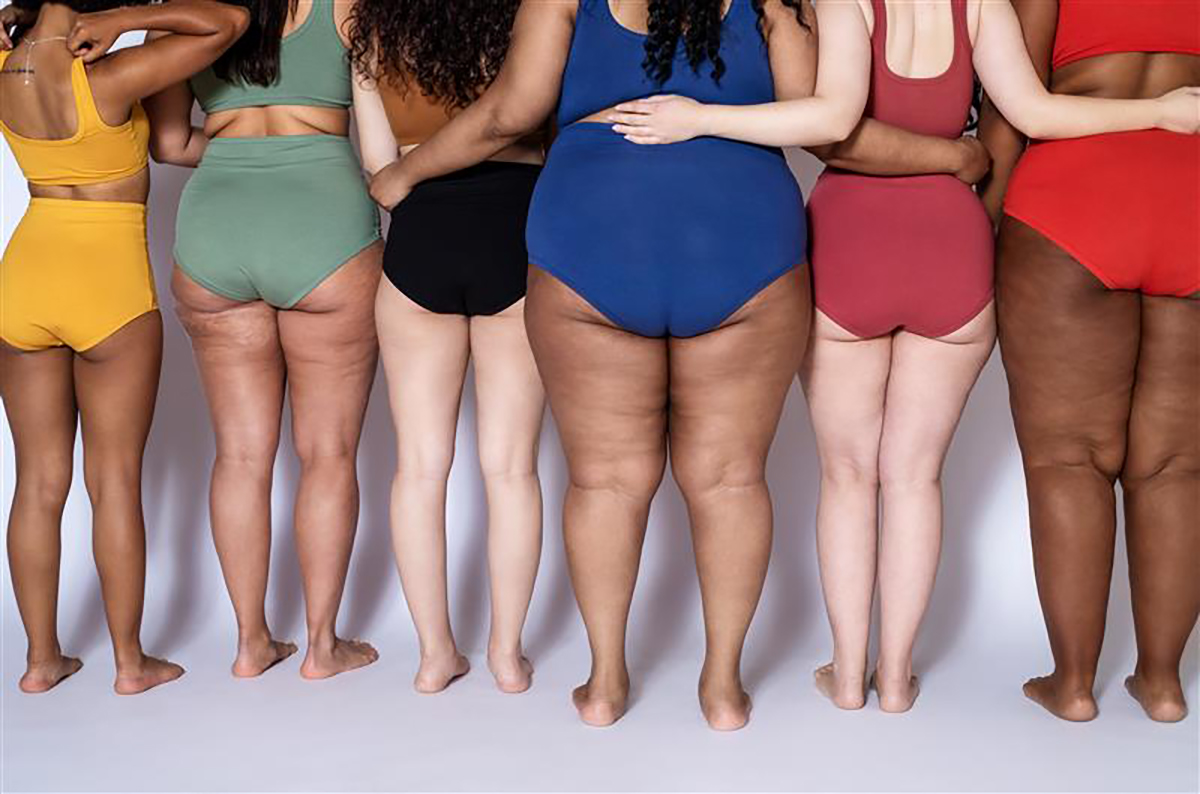
5. Curate your social media feed to include different types of bodies. Although you might think that everything that's happening in your sex life has to relate to sex, much of it is happening outside of the bedroom.
Many of our ideas about our bodies get distilled when it comes to sex, as we can feel more exposed both physically and emotionally. Much of social media is idealised, filtered and edited and this makes the gap between our real bodies and these representations of bodies wider. This is a way of starting to affirm yourself, your body and that all bodies are diverse.
When should you see a doctor?
Hannah Trueman, Lead Nutritionist and Dietetic Medicine Specialist at Body Fabulous Health Clinic, says it’s crucial to address any underlying health issues that negatively affect your physical or mental health will likely impact your libido.
- Hormonal imbalances, such as low oestrogen, testosterone, high or low cortisol or thyroid dysfunction, can directly affect libido by disrupting the hormonal signals that regulate sexual desire and arousal. Low levels of these hormones can lead to fatigue, mood swings and reduced sexual drive. These hormones can be tested and rebalanced through targeted dietary and lifestyle tweaks as well as supplementation or medical support as needed.
- Gut issues: The health of the gut is closely linked to libido due to the gut-brain axis. An imbalance in gut bacteria or conditions like IBS or leaky gut can increase inflammation and stress in the body, which may suppress libido and often come with symptoms that can be embarrassing and uncomfortable. Poor gut health can impair nutrient absorption, leading to deficiencies that affect energy levels and sexual health. Stool testing can provide valuable insights into gut health and imbalances can be supported through dietary intervention and targeted supplements.
- Nutrient deficiencies in key nutrients like zinc, vitamin D, B vitamins and healthy fats can contribute to low energy, mood swings and reduced libido. These can be tested for and corrected with dietary tweaks and targeted supplementation.
- Anything else that could be impacting energy levels, moods and self-esteem, including skin health (acne, eczema, psoriasis), chronic stress, poor sleep, anxiety and unresolved emotional issues can also drain energy and negatively impact libido. Body image concerns, low self-esteem and mental health challenges can reduce sexual desire, as can lifestyle factors such as overtraining and burnout.
Read more:
