
6 signs your gut is in trouble
When your gut functions properly, it’s usually because there’s a good balance of bacteria helping your body process and get energy from the foods you eat, clear toxins, fight against disease, and boost your mood.
You’re also free of symptoms like diarrhoea, constipation, loose stools, gas, bloating, and abdominal pain.
However, not all issues with your gut manifest themselves in digestive issues, and experts say there may be signs that your gut is in trouble, which can manifest in your skin, mood, and even your breath. Ignoring these distress signals can lead to bigger problems down the line.
So, how do you know if your gut is trying to tell you something? Here are six key signs that it might be time for your gut to have a check-up.
- Always run-down? These surprising foods will give your immune system a boost
- Ten everyday habits that help regenerate your liver

You have persistent bloating
We all experience bloating from time to time, with research showing that 18% of the general population experience bloating at least once per week. But what causes it, and when should you be worried?
Dr Leke Asong, a GP and gut health specialist, says, ‘Some foods naturally produce gas when they’re broken down. This can contribute to feeling bloated, which is a normal part of healthy digestion. This type of bloating is temporary and usually subsides as food is digested and gas is passed. However, bloating can also be a symptom of an underlying condition, such as coeliac disease, irritable bowel syndrome (IBS), or food intolerances like lactose intolerance.’
This is why it’s important to speak with your GP if you experience bloating that does not go away, causes severe discomfort or is combined with symptoms like weight loss, stomach pain, or changes in your poo.
Your GP will ask questions about your symptoms and conduct blood tests to identify potential causes.
You have stinky breath
Bad breath is something that most of us experience. Persistent bad breath is typically referred to as chronic halitosis, a term that describes poor oral hygiene, which allows bacteria to accumulate and lead to gum disease.
However, your bad breath could also indicate poor gut health and even a gastrointestinal disorder or condition.
Asong says your digestive tract can have a greater impact on your oral health than you think. The first step in addressing bad breath, or halitosis, that appears to originate from the stomach, is identifying its cause.
Asong explains common causes of bad breath from stomach issues:
- GORD or acid reflux - Bad breath can be a sign of gastro-oesophageal reflux disease (GORD). If you tend to have heartburn or reflux, your bad breath could be related to the excess acid produced by your digestive tract. Those acids can have a sour odour, affecting your breath.
- Ulcers -A link has been found between bad breath and the H. pylori bacterium. This bacterium is a common cause of peptic ulcers and heartburn.
Discuss with your doctor how to address bad breath originating from the stomach. Ensure that you discuss all your symptoms, not just the bad breath, to develop an effective treatment plan.

You suffer from unexplained fatigue
Feeling constantly tired, even after a full night’s sleep? Your gut could be a hidden culprit.
Asong explains, ‘A healthy gut is essential for absorbing nutrients from your food, including those vital for energy production like B vitamins and iron. If your gut isn’t functioning optimally, you might not be getting the full benefit from your diet, leading to nutrient deficiencies and persistent fatigue.’
Furthermore, an imbalanced gut microbiome can impact serotonin production (a mood and energy-regulating neurotransmitter), contributing to that sluggish feeling.
Asong says, ‘We know that fatigue is more common in people with active inflammation in the gut. It may seem obvious that when you’re most unwell, you feel more tired. But it’s not just the symptoms like pain and diarrhoea that can lead to fatigue. It can also be caused by the chemicals released from inflammation. These chemicals can affect your brain and muscles, making you feel weak, sleepy, less hungry, and less motivated.’
Your bowel habits have changes
A change in bowel habits is any departure from what counts as normal when it comes to how your stools look or how often you have a bowel movement.
Slight changes usually aren’t a big deal. But major changes may signal that you need to adjust some parts of your lifestyle to live healthier.
Asong says the most common cause is one you can control — your lifestyle. Eating too few of the foods that keep your digestive tract moving (like high-fibre foods) can affect your stools.
Lack of exercise, a sudden increase in exercise intensity, not getting enough water and stress are also common causes.
Medications are also a key culprit. Many over-the-counter and prescription medications have side effects, like diarrhoea and constipation. Stools usually return to normal once you stop taking the medicine.
Multiple conditions can cause changes in your bowel habits and stools, including:
Bowel (intestinal) obstruction: A medical emergency that happens when something large blocks your intestine. Symptoms include constipation, nausea, vomiting, abdominal pain and gas.
Coeliac disease: A disorder that causes problems in your digestive system when you eat gluten (wheat products). Symptoms include constipation, diarrhoea and stomach pain.
Colon cancer: Cancer that forms in your colon’s inner lining. Bloody poop, abdominal pain, constipation, diarrhoea and a frequent urge to poop are all symptoms.
Diverticulitis: When small pockets lining your colon become inflamed. Symptoms include severe abdominal pain, constipation and rectal bleeding.
Food intolerance: When your digestive system can’t break down certain foods. You may experience symptoms such as diarrhoea and abdominal pain. Lactose intolerance (trouble digesting the sugar in milk or dairy products) is an example.
Infections: Viruses, bacteria, and parasites can all cause symptoms affecting your gut, like diarrhoea and an upset stomach.
Inflammatory bowel disease (IBD): A group of disorders that cause inflammation in your gut. IBD causes symptoms like diarrhoea, gas and abdominal cramps. Types include Crohn’s disease and ulcerative colitis.
Irritable bowel syndrome (IBS): A group of symptoms affecting your gut. They include constipation, diarrhoea and abdominal cramps or pain.

You are experiencing skin issues
An unhealthy gut can lead to increased inflammation throughout the body, which can manifest on your skin as eczema, rosacea, or unexplained rashes.
If you’ve tried various topical treatments for your skin without success, looking inwards at your gut might be the missing piece of the puzzle.
‘There are a number of conditions where I hone in on the gut microbiome as a form of treatment, as an imbalance or overgrowth of bacteria may lead to these changes in the skin according to emerging studies,’ says Lucy Kerrison, a dietician who specialises in gut health. These include:
Eczema: studies reveal that individuals with eczema have distinct bacteria in their gut compared to those without eczema, particularly an overgrowth of a strain called Staphylococcus aureus, which can lead to dryness and inflammation.
Rosacea: an imbalance fueled by a H. pylori infection or small intestine bacterial overgrowth (SIBO), has been found to contribute to facial redness, sensitivity, and flare-ups.
Psoriasis: a weakened skin barrier and an overactive immune response, often linked to gut dysbiosis and ‘leaky gut’, could be the trigger for scaly psoriasis patches showing up on the skin in some people
Dandruff: A 2015 review found that an overgrowth of yeast in oily areas like the scalp can lead to tell-tale flaking
Kerrison says, ‘More research is needed to know if any of these skin conditions are caused by poor gut health or exactly how it all works, but there's certainly an interesting link coming up in studies that warrants further research.’

You’re experiencing mood swings, anxiety, or brain fog
For decades, scientists assumed the gut simply followed the brain’s lead. But research now suggests that the gut and brain are closely connected, and the trillions of microbes in our intestines may play a surprisingly active role in shaping our emotions and mental health.
One study describes how neurotransmitters, such as serotonin and GABA, and inflammatory molecules travel from the gut to the brain, influencing mood, cognition, and the body's stress response.
In fact, about 90% of the body’s serotonin —the neurotransmitter often called the ‘happy chemical’— is made in the gut, not the brain.
An imbalanced gut microbiome can affect these pathways, potentially contributing to feelings of anxiety, depression, irritability, and that frustrating brain fog where you struggle to concentrate or remember things.
If your mood has been consistently off-kilter or your mental clarity isn’t what it used to be, your gut could be playing a role.
‘The connection between your gut and brain is real,’ says Asong, ‘and eating well, managing stress, and supporting your gut can help boost your mood. But these strategies are not a cure for depression or anxiety.’
For most people, gut-focused approaches should complement, not replace, proven treatments like therapy or medication.
Here are 15 gut-friendly foods to help support your digestive health
1. Yoghurt
Rich in probiotics like Lactobacillus and Bifidobacterium, yoghurt introduces beneficial bacteria to the gut. These microbes aid digestion, support immune function, and help maintain a balanced gut microbiome.
2. Kefir
A fermented milk drink, kefir contains a diverse array of probiotics. It improves digestion, enhances nutrient absorption, and may help reduce bloating, inflammation, and symptoms of irritable bowel syndrome (IBS).
3. Sauerkraut
Fermented cabbage is packed with probiotics and fibre. Sauerkraut supports healthy digestion, increases beneficial gut bacteria, and provides vitamins C and K, helping immunity and overall gut health.
4. Kimchi
This spicy Korean fermented vegetable dish is rich in probiotics, prebiotic fibre, and antioxidants. It improves gut microbiome diversity and supports digestion, metabolism, and immune function.
5. Miso
Miso is a fermented soybean paste commonly used in soups. It contains probiotics and enzymes that promote healthy digestion, enhance nutrient absorption, and support the balance of intestinal bacteria.

6. Tempeh
Fermented soy product with probiotics and protein, tempeh improves gut flora, aids digestion, and may reduce inflammation while providing essential nutrients like calcium, iron, and B vitamins.
7. Kombucha
Fermented tea containing probiotics and organic acids. Kombucha supports digestion, gut microbiome diversity, detoxification, and may enhance immune function while promoting a healthy balance of intestinal bacteria.
8. Whole grains
Oats, barley, and quinoa contain soluble fibre that feeds beneficial gut bacteria. They promote regular bowel movements, improve microbiome diversity, and reduce the risk of digestive disorders.
9. Garlic
Garlic is prebiotic-rich and feeds good gut bacteria. It also has antimicrobial and anti-inflammatory compounds that support digestion, immunity, and a healthy balance of intestinal microbes.
10. Onions
Onions contain prebiotic fibres like inulin, which nourish beneficial bacteria. They improve gut microbiome diversity, support digestive enzyme activity, and may reduce inflammation and improve bowel regularity.
11. Leeks
Similar to onions, leeks are rich in prebiotic fibres that feed healthy bacteria. They support gut flora balance, improve digestion, and provide vitamins and minerals that benefit overall intestinal health.
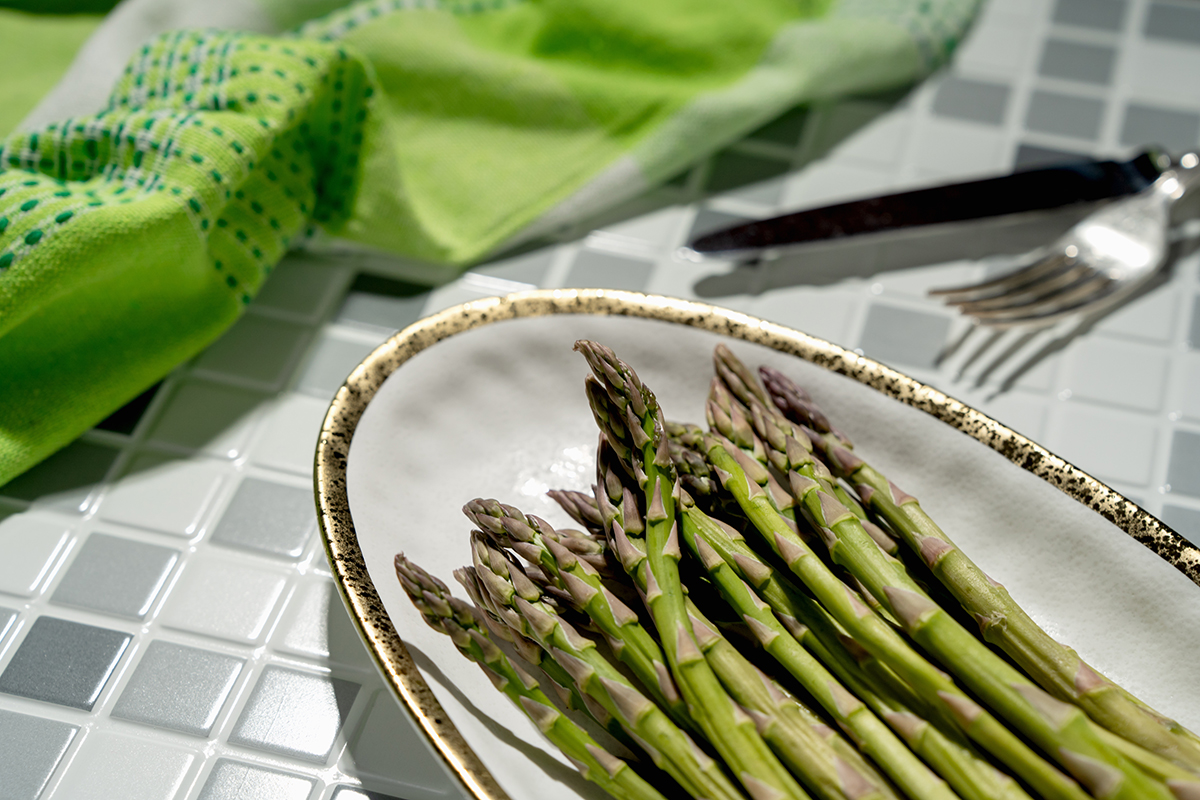
12. Asparagus
A natural prebiotic high in inulin, asparagus promotes the growth of beneficial gut bacteria, aids digestion, supports detoxification, and may help regulate bowel movements and reduce inflammation in the digestive tract.
13. Bananas
High in soluble fibre and resistant starch, bananas feed healthy gut bacteria, promote bowel regularity, and may improve digestion, reduce bloating, and support the growth of beneficial microbes.
14. Apples
Apples contain pectin, a type of prebiotic fibre that nourishes gut bacteria. They support digestion, improve stool consistency, enhance microbiome diversity, and may reduce gut inflammation.
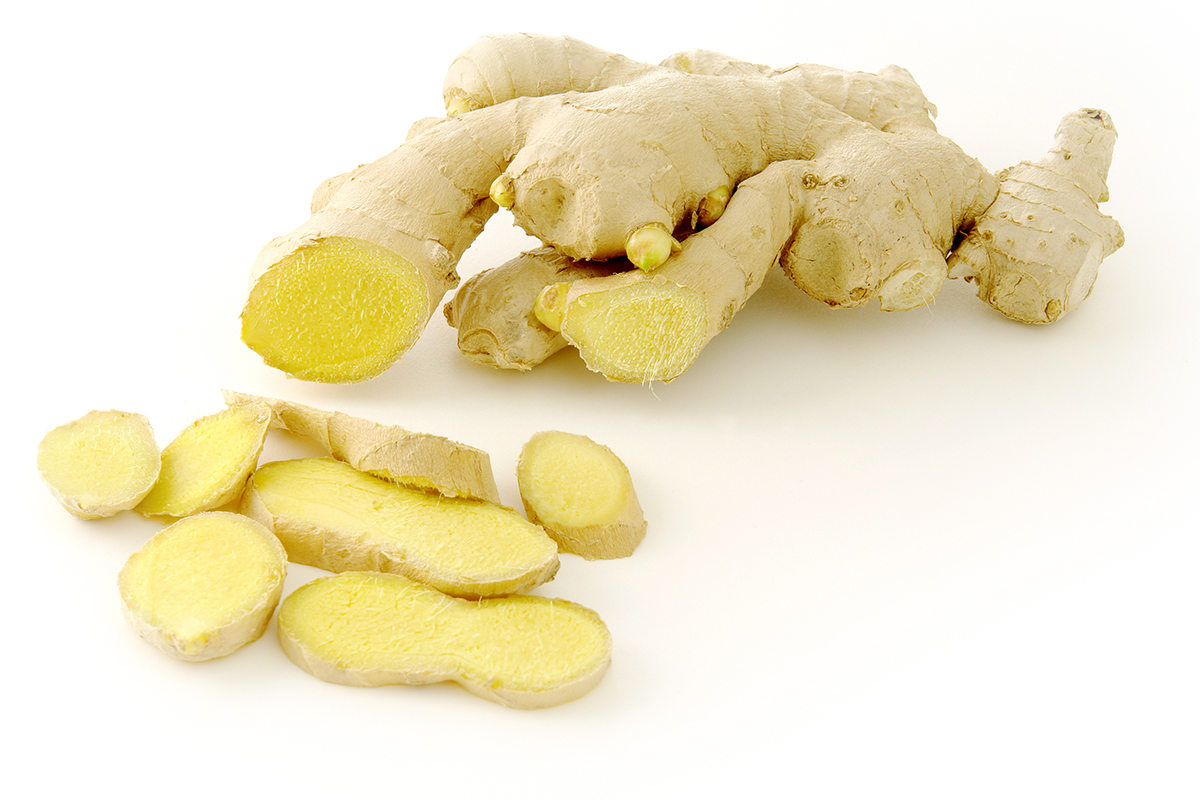
15. Ginger
Ginger contains bioactive compounds that support digestion, reduce nausea, and have anti-inflammatory effects. It helps maintain gut motility, soothes the digestive tract, and may improve overall intestinal health.
Read more:

