
What your poo says about your health. Learn how to read the warning signs
Pooing – we all do it, but most of us are reluctant to talk about it. When it comes to our toilet habits, the conversation can feel a little bit TMI. That’s despite it being a key part of our daily routine and a valuable indicator of our overall health.
‘Your stool provides a great insight into your health,’ says registered dietitian Helen Tieu. ‘Not only how frequently you pass a stool, but also the colour, shape and texture of it can indicate how well your digestive system is functioning.’
Wondering what to look out for? Here, experts break down what our bowel habits may indicate about our overall health and how factors, such as diet and lifestyle, can influence everything from the appearance of our stool to how easily it passes.
- If you notice this in the toilet see your doctor immediately
- 'It can kill in hours,' says expert. The silent killer we still don't take serious enough
What can my poo tell me?
Amazingly, your poo can provide clues about what’s going on with your diet, fluid intake, medication use and lifestyle. Just by looking at a poo sample, it can reveal to experts whether:
- You’re drinking enough water
- You’re experiencing a food intolerance or allergy
- You’re under a lot of stress
- You’re not eating enough fibre
- You have worms or a parasite
- You have damage to your gastrointestinal tract
- You’re experiencing digestive and absorption issues
- The health of your organs has changed, such as your liver or gallbladder
You may not be keen to spend too long looking down the loo, but being able to track what’s going on with your bowel movements can help you recognise when something is wrong, and when to seek medical help.
What does a healthy poo look like?
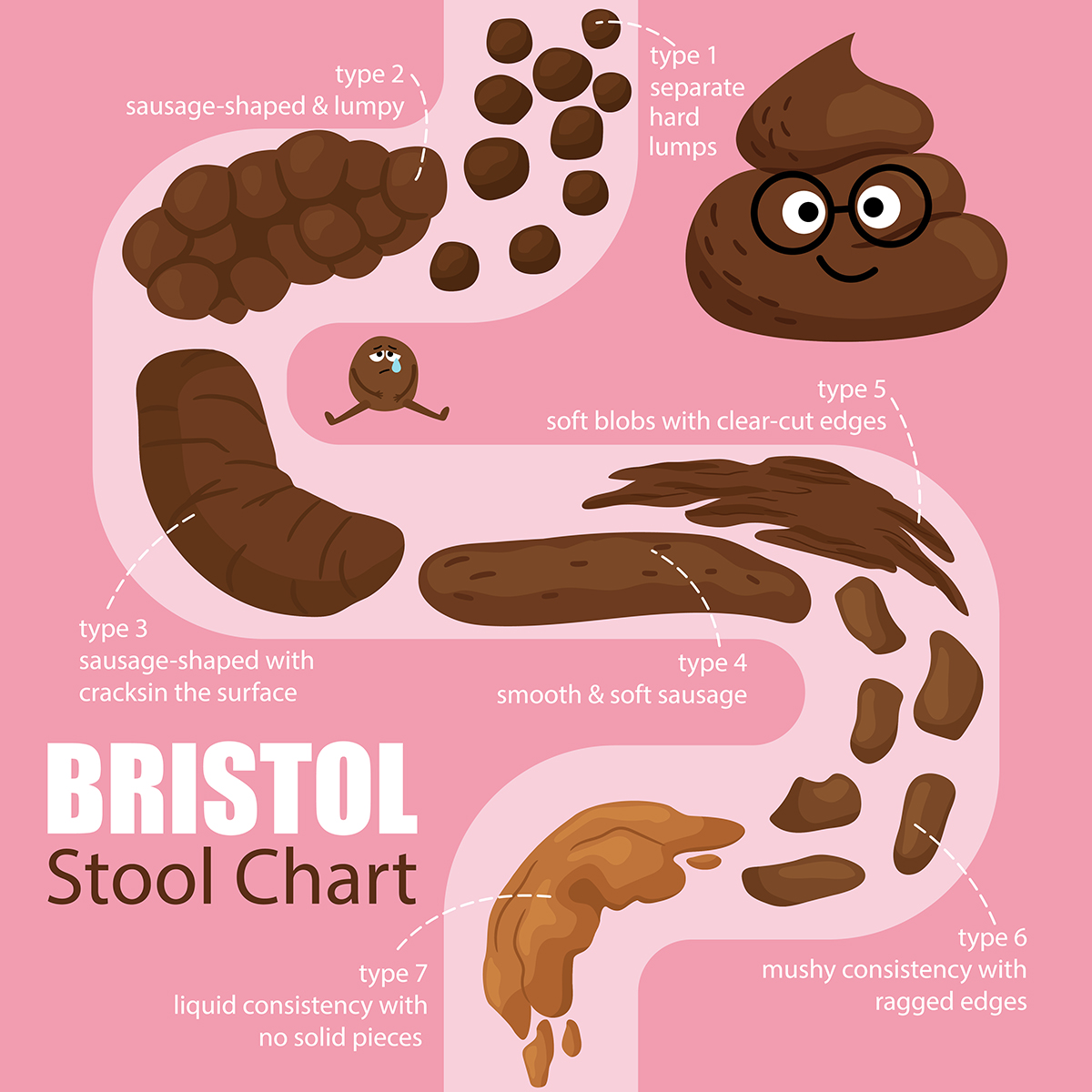
Poo can come in all shapes, but the ideal silhouette to look out for is one that’s shaped like a sausage with a smooth surface that’s relatively easy to pass, advises gastroenterologist Dr David D. Clarke.
If there are a few cracks on the surface, don’t fret – the Bristol Stool Scale outlines that this is considered normal, too.
Why your water intake can drastically affect your poop consistency
‘When you don’t drink enough water, the colon ends up taking more water from the stool, which can create a hard-to-pass stool and constipation, explains Tieu.
If your poo is difficult to push out and looks like small, hard, dry lumps, you are not drinking enough water.
But how much water should you aim for in a day? The NHS recommends drinking six to eight glasses of fluid a day. ‘Drinking more water will help improve bowel habits,’ adds Tieu.
Why do I need a poo after my morning coffee?
If you’ve ever wondered why the first cuppa of the day can have you needing the loo, Clarke explains, ‘Coffee contains caffeine, which is a stimulant. Along with increasing energy, caffeine may trigger contractions in your colon and intestinal muscles. This can lead to an easier bowel movement.’
Research has shown that caffeine makes the colon 60% more active than water and 23% more active than decaf coffee.
Should I be worried about the runs?
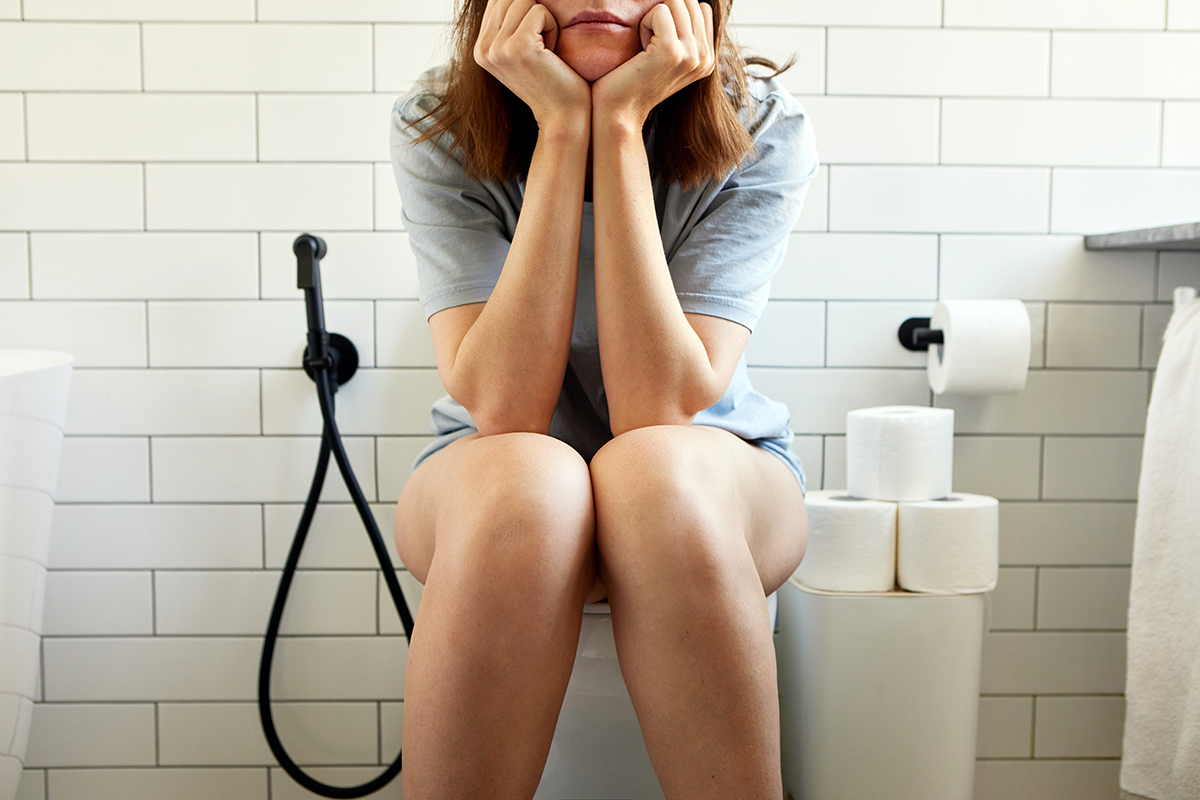
Runny poo could be down to a bug or that you’ve eaten something that disagreed with you, but if it happens frequently, you should probably visit your GP.
‘Diarrhoea often occurs following acute infections as the body attempts to clear the pathogen. However, it may also be a sign of a food sensitivity or intolerance if it happens often,’ explains Clarke.
If this is the case, visit your GP, who can carry out further investigations and may suggest keeping a food diary to identify any patterns in your eating habits that might be leading to less-than-firm stools.
Help – my poo is a funny colour!
The poo emoji isn’t that colour by accident; a healthy bowel movement tends to be a shade of brown.
But what if your poo changes colour, when do you need to worry? Clarke explains what the different colours may mean.
Green: While hints of green are quite normal, if your poop has gone from brown to full green, it may mean one of two things. You’ve added lots of green foods like spinach to your diet, or your stools are passing through you too fast.
Yellow: Greasy, stinky, yellow stool is typically a sign of too much fat. This could also be a direct relation to a malabsorption disorder like celiac disease, where your body isn’t absorbing enough nutrients.
Red: You’re probably not surprised to hear that red poop can mean bleeding, either due to haemorrhoids or bleeding in the lower intestinal tract.
If your stool is a little red, however, there may be no need to fret immediately. There are other, less serious reasons for this change in colour. Foods like beetroot, cranberries, red gelatine, or tomato juice can also turn poop red.
White: If your poo is a chalky light shade, it might mean you’re lacking bile. Bile is a digestive fluid that comes from your liver and gallbladder, so if you’re producing white stool, it probably means your duct is blocked.
Clarke advises that you contact your GP if you notice white bowel movements, so they can arrange blood tests to rule out liver issues.
Black: If your number two is black in colour with a tar-like consistency, it could be worth visiting your GP.
If it’s a one-off, there probably isn’t an issue, but if it's more frequent, it can be a red flag that needs further investigation. ‘It could be a sign of blood loss somewhere in the GI tract,’ says Clarke.
How often should I be having bowel movements?
The NHS and other health bodies state that having a bowel movement between three times a day and three times a week is considered normal.
But normal and healthy aren't necessarily the same thing. Increasingly, researchers are finding that a person's bowel movements are a strong indicator of their health.
For example, a 2023 study examined the bowel habits of 14,573 adults in the United States. The most frequent bowel habit was seven times per week (50.7% of people).
Researchers then tracked participants for over 5 years to determine if there was any relationship between stool frequency and mortality.
They found that people who pooed four soft stools a week were 1.78 times more likely to die within five years than those who pooed normal stools seven times a week.
Infrequent defecators were also 2.42 and 2.27 times more likely to die from cancer and cardiovascular disease, respectively.
The researchers said the findings suggest that self-monitoring of stool frequency may be a simple yet useful tool for informing about major chronic illnesses like cancer and cardiovascular disease.
Clarke says if you don’t poo every day, not to worry too much about it, ‘Stressing over the timing or frequency of bowel movements can paradoxically worsen symptoms. The key is to recognise what is normal for your body and to seek help only if there are significant changes or symptoms of concern.’
Should I be worried about constipation?
You may think that constipation is harmless, and just a minor inconvenience but chronic constipation can cause complications such as haemorrhoids, anal fissures, or even bowel obstruction.
Clarke says additionally, an unhealthy colon environment may foster inflammation or allow harmful bacteria to multiply, potentially increasing the risk of colorectal cancer.
Clarke says the following lifestyle factors help maintain good bowel health and prevent constipation:
- Regular physical activity: Exercise stimulates bowel movements and helps maintain a healthy weight, both of which reduce colon cancer risk.
- Avoid smoking and limit alcohol: Both are linked to higher colon cancer risk.
- Maintain a healthy weight: Obesity, particularly abdominal obesity, is a risk factor for colon cancer.
- Respond promptly to the urge to defecate: Ignoring it can contribute to chronic constipation.
- Manage stress: Chronic stress can negatively affect gut health and bowel habits.
What should I eat to support my digestive system?
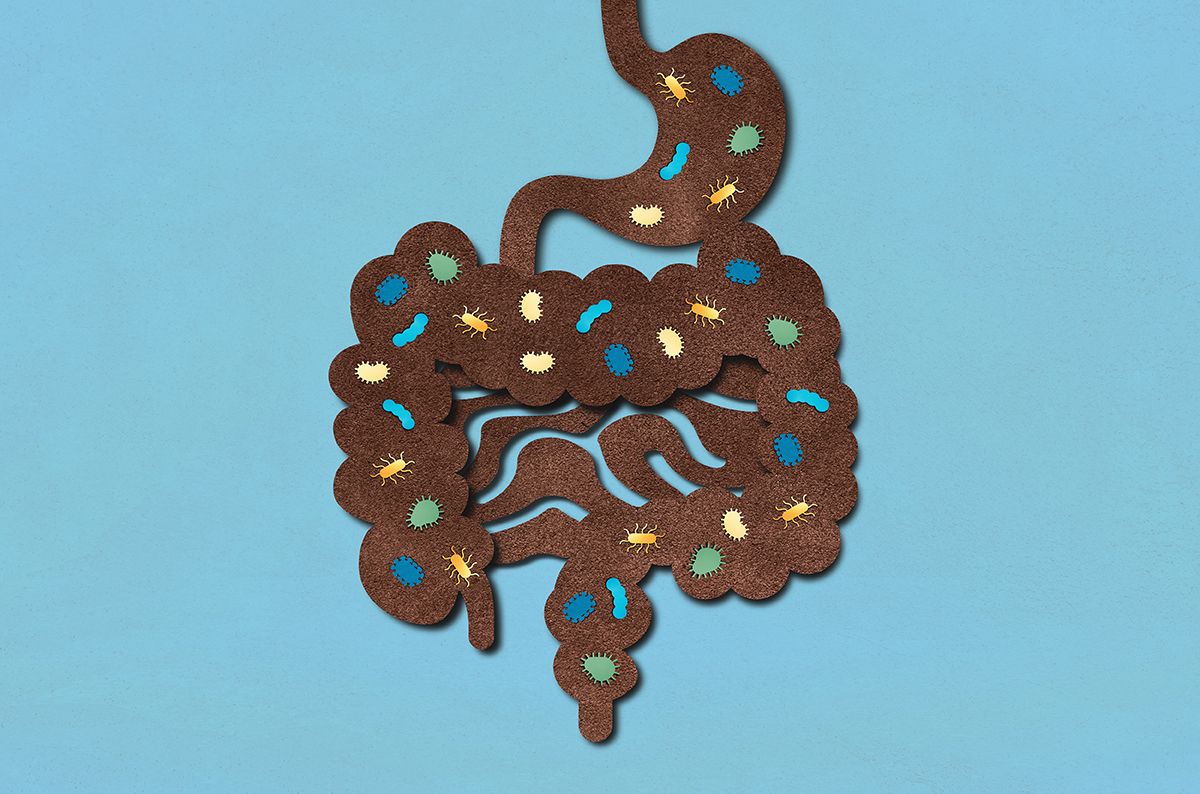
A diet rich in fibre is foundational for colon health, according to Tieu. Fibre helps move stool through the colon and feeds beneficial gut bacteria, which in turn produce anti-inflammatory compounds and vitamins.
Tieu also recommends having regular meals helps to signal bowel movements, as opposed to skipping meals or an erratic eating schedule. If you eat a high-protein diet without enough fibre, this can slow gut movement and lead to harder stools.
Key dietary recommendations include:
- Whole grains (oats, brown rice, barley, whole wheat bread)
- Legumes (beans, lentils, peas)
- Fruits and vegetables, especially leafy greens and cruciferous vegetables (broccoli, cabbage, kale)
- Nuts and seeds (chia, flaxseed)
- Probiotic foods (yoghurt, kefir, kimchi, sauerkraut, miso, kombucha) to support a diverse and healthy gut microbiome
- Healthy fats (olive oil, avocados, nuts, omega-3-rich fish) to reduce inflammation
Limiting red and processed meats, fried foods, refined sugars, and ultra-processed foods is also advised, as these can possibly increase inflammation and colon cancer risk.
When should you consult with a doctor about your bowel movements?
An occasional different coloured or odd-shaped poo happens to most of us. When this type of irregularity carries on for more than a day or two, you should take action and talk with a doctor.
Chronic constipation can obstruct the bowels, while chronic diarrhoea can make it difficult to absorb necessary nutrients from food. Again, the first sign of either of these should not be an immediate cause for concern, but keep an eye on it and see if it lasts more than a few days.
That said, pay attention to any signs of blood. If you haven’t eaten any of the foods mentioned above that could turn your poop into this colour, consult with a healthcare professional as soon as possible.
Read more:

