
Finding what habits and routines work for you to live a healthy, happy and exciting lifestyle is part of the fun of learning about yourself. A bit of support along the way can be exactly what we need, especially if that help comes from the best in the business.
Often the solutions to fixing our physical and mental health dilemmas can seem like a big mountain to climb (literally sometimes!) but what if you could just make a couple of easy changes and get results?
We’ve gone straight to eight experts, who are trained in their fields give trusted and researched guidance to give us their very best piece of advice to support our physical fitness, health, emotional well-being, and sexual desire. What do they wish everyone was doing to help themselves? Let’s find out.
- Expert reveals the perfect exercise and diet plan according to your age
- Naked yoga is the latest wellness trend with very surprising health benefits
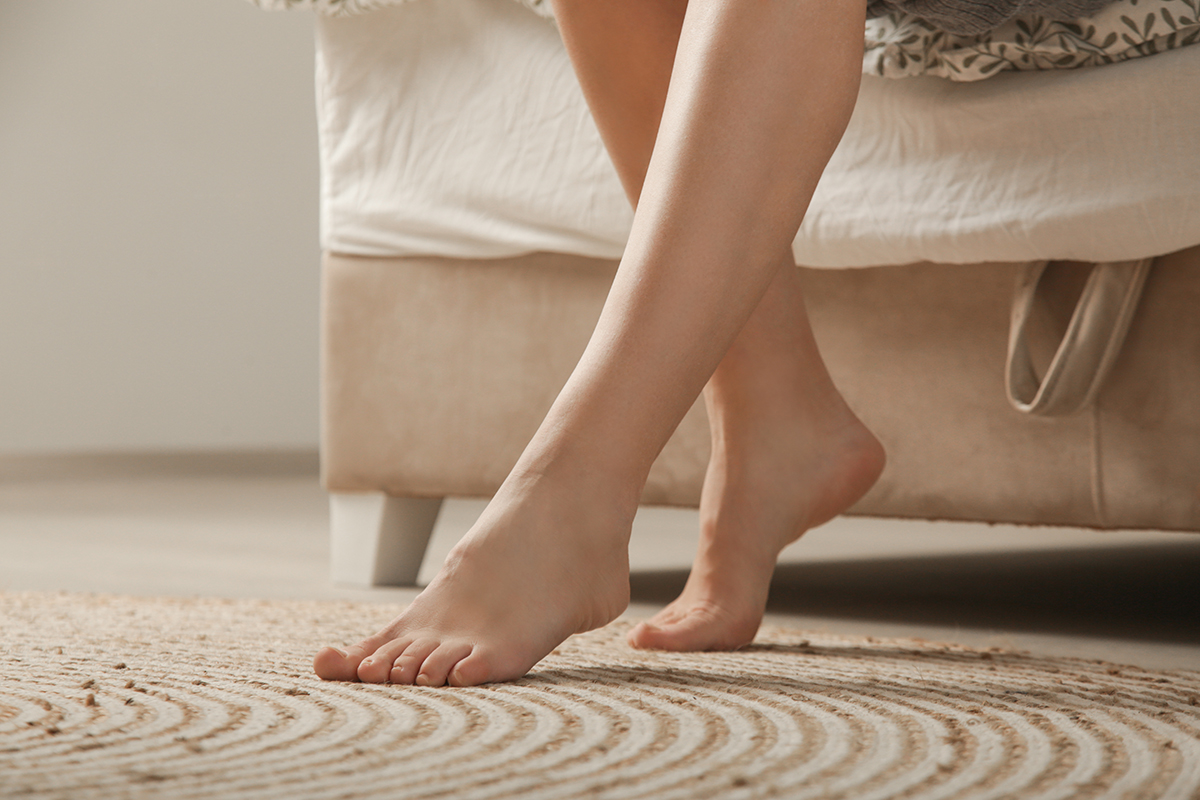
1. Aches and pains expert – Improved mobility can tackle your chronic pain
Sitting at a desk for nearly eight hours a day does no justice to your long-term health. It’s unsurprising if you’re experiencing lower back pain when your poor posture is bending your spine into a pretzel on an office chair all day. Add on the extra weight of chronic pain, discomfort or general illness, and you’ve got a recipe for disaster.
One trick, according to Venard Fong, chronic pain and movement specialist at The Vernard Clinic, is to prioritise ‘down-up’ movements to boost mobility and discourage muscle stiffness.
‘People often experience tightness, aches and pain in their back and feel older than they actually are because modern lifestyle has led to habits where they haven’t moved as freely as they used to. Their body has ‘forgotten’ its mobility. A fun and simple movement my clients love is the ‘Down-Ups’. Simply go from standing to sitting/ lying on the floor and then back up to standing.
‘The fun part is changing the variation - lying on your front/ side/ back on the floor, getting down and up with your non-dominant hand, not using your hands, etc. This encourages the brain and body to find space and movements it has forgotten, so it can solve the puzzle and get back up. A wider range of accessible movement reduces the risk of injury and supports a better quality of life.’
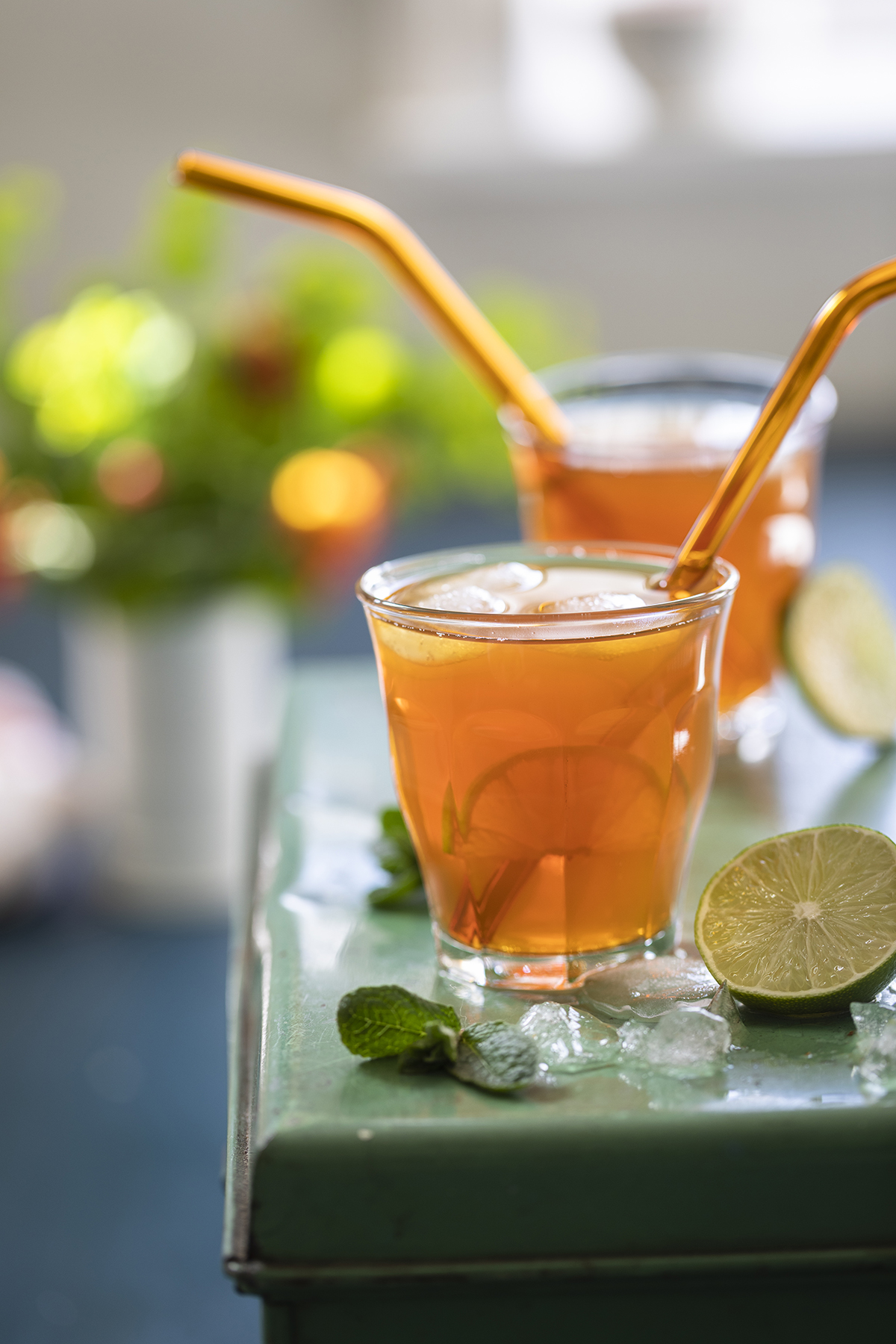
2. GP – Planning and preparing prevent pain
‘Preventative healthcare is crucial for maintaining overall well-being,’ explains Dr Elise Dallas, women’s health GP at The London General Practice.
Preventative healthcare can cover a variety of lifestyle steps that consider your long-term health, including weight management, hydration and sufficient routine exercise.
The first place to start? Your diet. Dr Elise shares: ‘I personally make conscious choices to maintain a nutritious diet and try to limit processed foods and excessive sugar or salt intake. My nutrition non-negotiables include green vegetables, and also my kefir or kombucha daily. Kefir and kombucha can be wonderful additions to a healthy diet. They provide probiotics, support gut health, and offer potential benefits for digestion and overall well-being.’
‘I stress the importance of vaccinations to my patients as a way to prevent various diseases. I ensure that I am up to date with my own vaccinations, including annual flu shots and other recommended immunisations,’ encourages Dr Elise. ‘I encourage my patients to be aware and come forward if something doesn’t seem right, but also schedule routine check-ups.’

3. Dermatology expert – Wear sunscreen, it’s that simple
Dr Sasha Dhoat, consultant dermatologist for The Harley Street Dermatology Clinic, shares ‘The human condition is to erroneously believe throwing money at a problem is the best solution. In reality, your mantra for slowing the ravages of time on your skin should be sunscreen, sunscreen, sunscreen.
‘Sunscreen is your real miracle anti-ageing and anti-dullness potion and is the most important part of any skin care regime, in the summer months. SPF 30+, UVA 4-5 star rating sunscreen, April to October, coupled with vitamin D supplements, is the best investment to prevent ultraviolet-related damage and undeniably the best singular use of pennies with regards to optimising a youthful, more evenly pigmented and wrinkle-free complexion.’
Sunscreen protects us from sunburn, which increases our risk of skin cancer. You should be able to cover your body sufficiently with 6-8 teaspoons of the product, and make sure that you’re using it between 6-12 months after you first open it before it expires. It’s essential to use and should be a daily part of your skincare routine.
‘Equally, a one-size-fits-all approach to skincare is flawed. We are all gloriously different as individuals, and so is our skin. Match your skin care choices to whether your skin is dry, oily, spot-prone, or sensitive and use in the relevant areas, as skin type can vary across the face.’

4. Meditation expert – In a busy world, don’t be afraid to slow down
‘My biggest tip for living a healthy, balanced life is to slow down enough to notice the subtle things,’ advises advanced meditation teacher and former Buddhist nun Beth Upton. ‘When we’re constantly occupied by the loud, coarse distractions of modern life, we lose access to the subtle qualities that are actually driving our quality of life - our energy, clarity, presence, and capacity for love. We don't need to make it complicated.
‘For example, while waiting for the kettle to boil or walking between meetings, we can pause and notice the subtle sensations in our fingertips, a distant sound in the background, or a tiny detail of something we see in the room. Simply putting down the most stimulating thing and tuning into something subtle can calm the nervous system and restore balance, but this is just the tip of the iceberg. With time and practice, inclining our attention away from the coarse and towards the subtle can lead us to states of unimaginable peace, clarity, and well-being.’
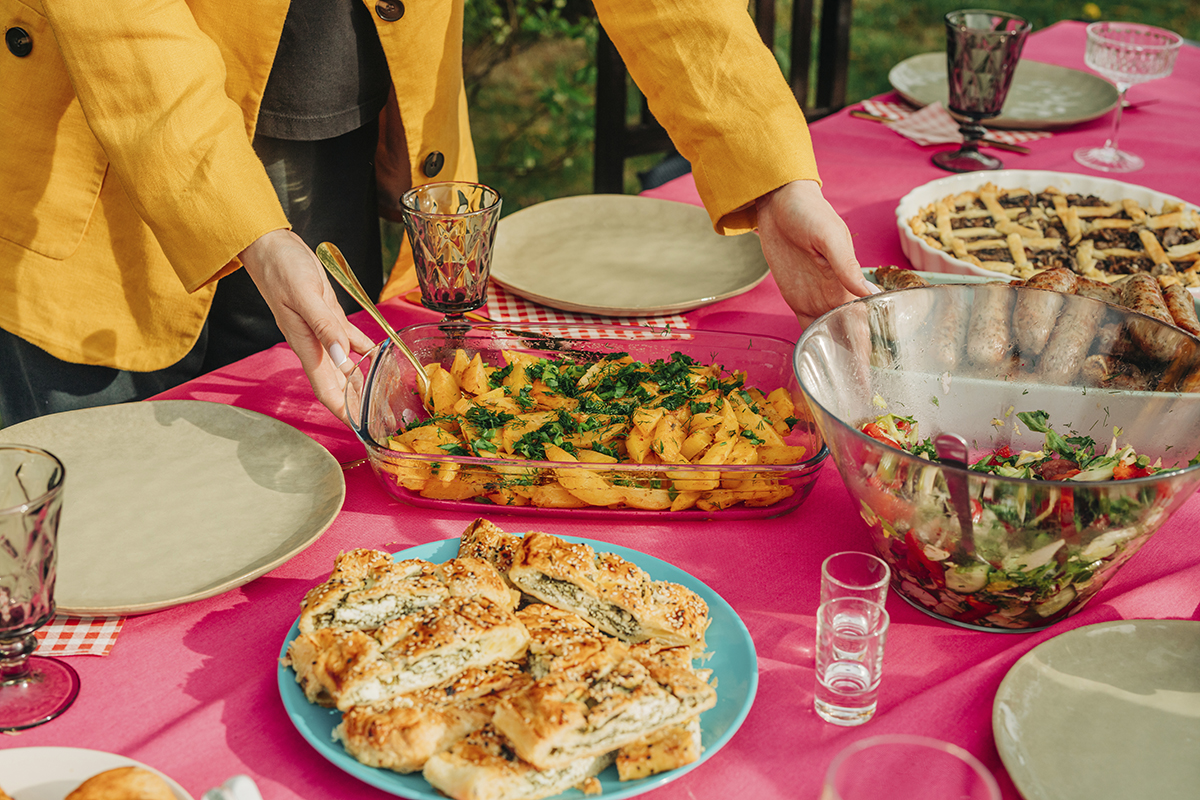
5. Head Chef – Prioritise nutrient-dense meals
Dominic Smith, head chef at Danforth Care’s Pear Tree House, says ‘Poor nutrition can lead to tiredness, weakness, and a greater risk of illness,’ says Dominic. ‘Good nutrition, particularly key vitamins and minerals, helps support your body’s natural defences against common illnesses like cold and flu. Eating a balanced, nutrition-rich diet is especially important for older adults, as it helps maintain strength, energy, and immunity during the colder months.’
Fewer than 1% of the global population eats a diet that is nutritionally satisfying and good for the planet, research has found. If more of us were eating a healthier diet, we could cut greenhouse gas emissions by up to 20%.
Dominic explains, ‘Some foods are naturally more nutrient-dense than others, and are often referred to as ‘superfoods’, because they contain particularly high levels of beneficial nutrients that support overall wellbeing. As well as enjoying indulgent sweet treats and cheese, it’s important to be mindful of your family’s nutrient intake, especially for the youngest and the older members of the family, such as grandparents.’
Some of the superfoods Dominic recommends adding to your meal plan include red cabbage, Brussels sprouts and walnuts. Try adding some chopped walnuts to your salad or cooking up a roast dinner with all the cabbage and sprout trimmings to add a wider variety of nutrients onto your plate.

6. Menopause expert – Don’t ignore your bone health
‘Osteoporosis is often considered something that affects us later in life, but in reality, bone health needs to be considered much earlier, particularly from the mid 30s when bone density naturally begins to decline,’ urges Kathryn Danzey, menopause expert and founder of supplement company Rejuvenated.
Osteoporosis is a condition that makes your bones fragile and increases their risk of breaking or becoming damaged through fractures, where women who have recently gone through the menopause are at a greater risk.
Actively considering your bone health is something everyone should be doing in their daily routine, particularly when stretching and participating in rigorous exercise, with the effects of sports like running dividing researchers on the positive and negative impacts on our bone health.
Kathryn adds ‘Bone health is an overlooked pillar of longevity; they are active living tissues which support posture and balance, dictating how we move, age and live. When and how you support bone health is vital.
‘Bone repair and regeneration work in synergy with the body's circadian rhythm, and as a result, good quality sleep is integral to optimising bone health. Stress levels, alcohol, caffeine, and blue light can all wreak havoc on our sleep cycle, so try to limit these before bed. Incorporate melatonin-rich foods into your diet, alongside Omega-3 fatty acids, calcium and magnesium. Prioritising sleep alongside nutrition and lifestyle habits such as strength training is essential to support long-term bone health.’
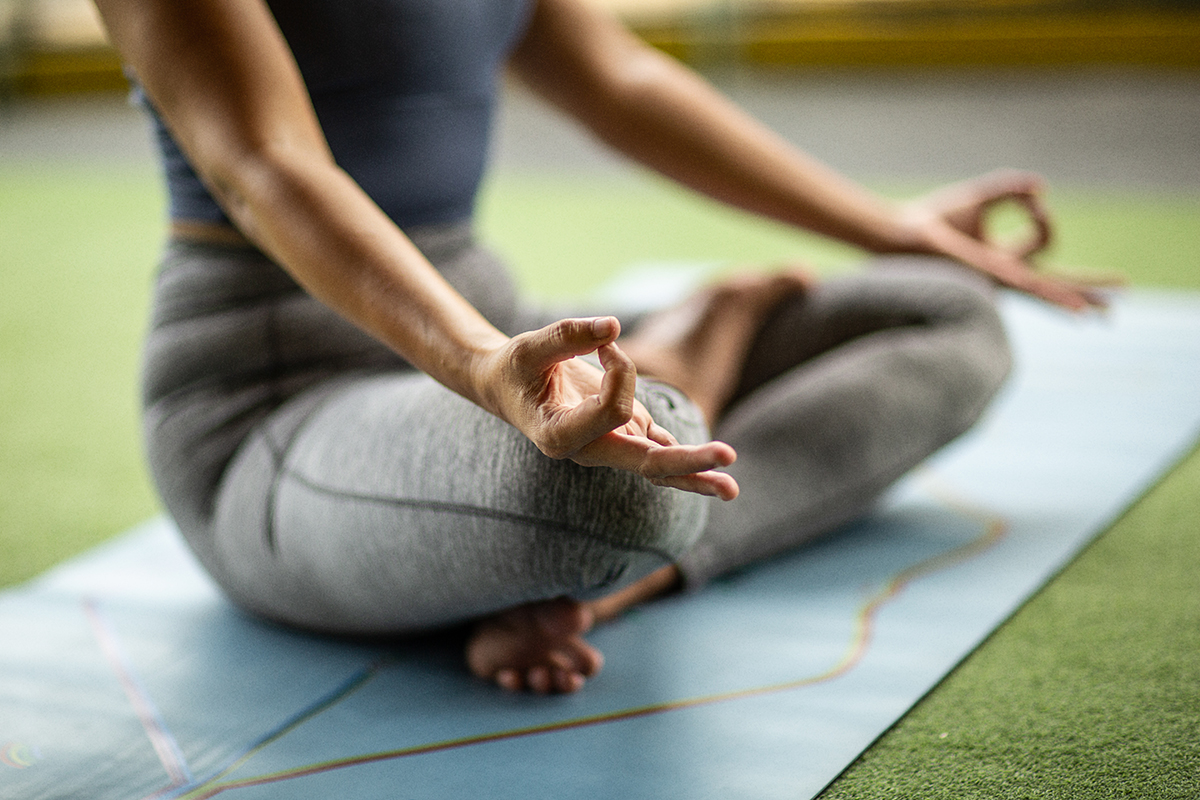
7. Psychotherapy expert – Prioritise the relationship between your mind and body
Talking about our emotional well-being and mental health is becoming more normalised, but there’s still a considerable amount of work to be done to remove the stigma. In England alone, Mind reported that 1 in 5 adults is living with a mental health problem, with this figure continuing to rise. It also found that stigma around mental well-being is increasing, whilst the acceptance and knowledge of mental health conditions is declining.
‘My biggest advice (as a psychotherapist & fitness instructor) would be to develop a deeper connection between your mind and body,’ shares Eloise Skinner, author and psychotherapist. ‘This connection is fundamental to so many aspects of our wellbeing and provides us with greater insight and a greater ability to meet our own needs.
‘You can develop this connection in a wide variety of ways - mindful movement practices like yoga or Pilates can be great, or embodied creative practices like arts or music - and it can deliver a huge range of benefits on a practical and psychological level. Ultimately, strengthening the mind-body connection can help us feel more present and fulfilled on a daily basis, as well as providing the foundation for other forms of wellness or self-care.’
8. Sexual Wellness expert – Stop thinking your libido is lost
Our attitudes to sex and romance change throughout our lives, just as our opinions, bodies and hormones change along with them. Although some people believe that as we age our sexual desire decreases, that’s not necessarily the case. Libido has actually been found to spike again after people reach their 50s, particularly among post-menopausal women who feel more confident and sexy in themselves than ever before.
‘Stress, tiredness and hormonal changes can all affect libido, but desire often returns when the body feels safe and supported,’ shares Edel McCann, pelvic health physiotherapist and sexual wellness coach at Vacation Vibes. ‘Simple practices like slow breathing, relaxing the pelvic floor, gentle movement and self-compassion can make a real difference.
‘Tools such as The Aspen from Vacation Vibes, a brand that is all about helping women feel informed, confident and connected to their bodies, can support this calm, body-led approach by helping women reconnect with sensation and relaxation — because listening to your body matters far more than pushing through. Libido responds to calm, not pressure.’
Read more:
