
Expert reveals the perfect exercise and diet plan according to your age
If, like many of us, you've tried time and time again to get a bit fitter but always end up feeling burnt out and giving up, it's probably down to an unrealistic plan.
Punishing your body with gruelling sessions you don't enjoy is unlikely to be sustainable and makes good intentions fall by the wayside.
While it’s never too late to put your health first, there isn’t a one-size-fits-all regime to whip us into shape quicker than you can say ‘burpee’.
Depending on our age and our hormonal stage, our bodies have a different set of requirements in order to stay fit, healthy and injury-free, but with our expert-led guide, you can reach your goals whatever your DOB…
- Slept 8 hours but still tired? Expert explains the worrying reason why
- This is the fastest way to lose weight without the weight loss jab, says expert
In your 20s
With the benefits of youth on your side, your body is at peak condition thanks to the combination of oestrogen, progesterone, testosterone, the human growth hormone, and thyroid hormone working together to keep you in tip-top baby-making shape.
As an added bonus, they improve your body’s muscle-building power making this the time to lay the foundations for fit and healthy years to come and call on that muscle memory later on in life.
With bags of energy and so many life distractions, finding an exercise regime that’s both engaging and enjoyable is vital to keep motivation high.
‘This is a crucial decade to influence our bone mass for the future,’ says personal trainer Christina Howells.
Christina is a leading personal training and lifestyle management coach. Her approach is deeply rooted in science and her main area of interest is midlife fitness.
‘Weight-bearing exercise such as resistance, bodyweight training, and impact exercises or sports such as netball, tennis, running or walking all contribute to reaching and maintaining peak bone mass. It’s important to be aware of calcium and vitamin D intake for building strong bones, too. Both progesterone and oestrogen are at their lowest during menstruation which can make us feel more tired, therefore a lower impact cardio-based exercise class or yoga may be a better option on those days. These options are also a good recovery day alternative.’
Although a faster metabolism can carry you through a decade of indulgence, this is a time to plan ahead.
‘Whether you’re thinking about starting a family or not, these are considered your peak fertility years,’ says Helen Ford, nutritional therapist at Wild Nutrition.
Helen is a senior nutritionist who has over 20 years’ experience in the field. She is passionate about the therapeutic power of food to heal, helping her clients reach their health goals through realistic dietary and lifestyle changes.
‘The most important thing you can do to protect this for when you’re ready is to eat a healthy diet and take vitamin supplements such as zinc, folic acid, selenium, beta-carotene, vitamin E and other nutrients like manganese and the B vitamins.’
Build the foundation
Your 20s can feel like a decade of invincibility with late nights, irregular meals, stress, and a fast-paced lifestyle often don’t seem to leave lasting marks. But this decade is actually the foundation for your long-term health.
The habits you build now influence your metabolism, hormonal balance, muscle mass, bone density, mental health resilience, and risk of disease later in life.
Focus on building strength
Muscle mass is at its peak potential in your 20s, making this the ideal decade to establish strength training habits. Lifting weights or doing resistance workouts 2–4 times per week helps:
- Boost metabolism
- Protect bone density
- Improve posture and prevent future injuries
- Balance hormones and mood
Prioritise nutrient-rich eating
It’s common in your 20s to grab food on the go or rely on convenience eating, but your body responds better to consistent nourishment. Prioritise:
- Protein at every meal
- Healthy fats for hormone stability
- Whole foods over highly processed options
- Fibre to support gut health
This is also a decade where deficiencies can quietly develop, especially iron, B12, vitamin D, and omega-3s.
Start caring for mental health early
Stress management here pays off for life. Establish habits like breathwork, therapy, boundaries, or regular exercise to protect mental well-being.
Don’t skip preventative care
Routine check-ups, STI tests, dental visits, skin checks, pap smears and baseline blood work create a valuable health record you’ll rely on later.
In your 30s
After the big 3-0, you may start to notice energy slumps, lower motivation and everything feeling a little more difficult.
Now is the time to switch up your workouts, push your boundaries and keep your body guessing.
In your 30s, the body’s production of the hormone dehydroepiandrosterone (known as DHEA), which is produced in the adrenal gland, naturally starts tapering off, making recovery more of a priority.
‘Exercise is the preventive medicine and now is the time to start carving out some healthy habits,’ Christina says.
‘We will start losing muscle tone in this decade, which means a slower metabolism. Push your muscular strength through resistance and weight classes – try using resistance bands, reformer Pilates or bodyweight workouts to create a strong physique. As we won’t bounce back as quickly as we did in our 20s, incorporating pelvic floor moves plays a big part in strengthening the bladder (especially if you’ve had a baby). Mobility exercises (such as down dog, cat pose and the plank) either pre-exercise or as a routine on its own will really help your posture, especially if you sit for prolonged periods of time.’
Although we may now be well-versed in handling our hormones, changing contraceptive methods or pregnancy can have a huge impact on our health.
‘You may find that you’re getting more PMS symptoms now due to dropping oestrogen levels, therefore balancing your hormones is vital,’ Helen explains.
‘This means cutting right down on refined sugar and refined carbohydrates and cutting down on, or even eliminating, alcohol. Eating six small meals a day (including three healthy snacks, such as a handful of nuts), always with a little protein, can really help to keep your energy levels stable and assist with exercise recovery. The herbal combination of agnus castus, black cohosh and skullcap has also been known to balance hormones and ease symptoms of PMS.’
Support hormones, metabolism and recovery
Your 30s are often busier and more demanding with careers, relationships, parenting, responsibilities and stress create new pressures.
Hormones shift subtly, metabolism slows slightly, and recovery takes more effort than it did in your 20s.
Train smarter, not just harder
You may still feel strong, but your body benefits from more intentional recovery. Mix:
- Strength training (still essential)
- Low-impact cardio
- Mobility work
- At least one rest or active recovery day per week
Overtraining is common in this decade, especially among people trying to ‘bounce back’ from stress, pregnancies, or career stagnation.
Balance your hormones
Hormonal fluctuations become more noticeable in your 30s. PMS changes, stress hormones may run high, and fertility shifts begin. Support hormones by:
- Getting 7–9 hours of sleep
- Eating enough protein and healthy fats
- Reducing ultra-processed food intake
- Managing stress through meditation, walking or therapy
Prioritise gut health
Your gut has a major impact on immunity, mental health, and inflammation. Focus on:
- High-fibre foods
- Fermented foods
- Hydration
- Reducing alcohol where possible
Establish long-term health screening
By your 30s, you should know your baseline cholesterol, blood sugar, thyroid function, and vitamin levels. Early detection prevents long-term issues.
In your 40s
Juggling family life, a demanding career and an endless to-do list – you’re likely to be firing from all cylinders. So nourishing your body and carving out a little guilt-free ‘me’ time is all-the-more important.
A great way to keep motivation up is by working out with friends or making simple changes like taking your morning catch-up meeting on foot with colleagues.
‘Boosting energy levels and feeling our best is the main objective right now,’ Christina says. ‘We’re naturally losing 5 percent muscle mass every decade but incorporating cardio, such as biking, walking, running or interval training, three times a week can preserve lean muscle mass, work your heart and burn some calories.’
With more activity comes lots of recovery time as adequate rest is now every bit as important as sweating it out.
As the human growth hormone is released when we sleep, getting good quality shut-eye will help cell repair and refresh your immune system.
Along with drinking plenty of water to flush toxins, reduce inflammation and lubricate joints, Christina suggests going back to basics.
‘Exercise increases cortisol [the stress hormone] which affects our adrenals and metabolism more as we get older, so the key is quality exercising over quantity and keeping workouts short. Eradicate the chance of injury by paying more attention to your form and working to improve your technique,’ she says.
The next tool in your recovery kit is refuelling your resources with a diet high in anti-inflammatories such as blueberries, cherries and turmeric, and sleep-inducing snacks.
‘Boost your calcium and magnesium intake by eating more green leafy vegetables, whole grains, nuts and seeds during the day,’ Helen says. As 56 percent of perimenopausal (when your egg gradually ceases to produce oestrogen) women sleep less than seven hours a night, Helen also suggests a herbal sleep aid with valerian, which, along with passion flower and hops, is known for its calming qualities.
Phytoestrogens (hormone-like substances that can help balance fluctuating hormones) are your best friends now and are present in foods like soya, legumes and flaxseeds.
Protect your heart, hormone and muscle mass
Your 40s are a pivotal decade, hormones begin shifting more significantly, inflammation can creep in, and age-related changes like slower recovery, decreased metabolism, and drops in collagen and muscle become more noticeable.
But with the right approach, your 40s can be one of the healthiest decades of your life.
Strength training becomes non-negotiable
Because muscle mass naturally declines with age, weight training 3–4 times per week is crucial for:
- Preventing weight gain
- Supporting bone density
- Enhancing joint stability
- Keeping your metabolism strong
Think compound movements: squats, deadlifts, rows, lunges and push-ups.
Prioritise protein
Aim for 1.2–1.6 grams of protein per kg of bodyweight daily to maintain muscle and satiety.
Watch your heart health
Your 40s are a key time to reduce risk factors for heart disease. That means:
- Regular cardiovascular exercise
- Monitoring blood pressure
- Reducing alcohol
- Managing chronic stress
- Eating a heart-supportive diet (fibre-rich, colourful, low-inflammatory foods)
Support hormones especially during perimenopause
For many women, perimenopause starts in the 40s. Symptoms can include irregular cycles, sleep changes, mood shifts, weight changes and hot flushes. Support yourself with:
- Magnesium
- Omega-3s
- Strength training
- Good sleep hygiene
- Stress reduction strategies
A doctor or specialist can guide hormone testing or treatment options.
Prioritise joint and mobility work
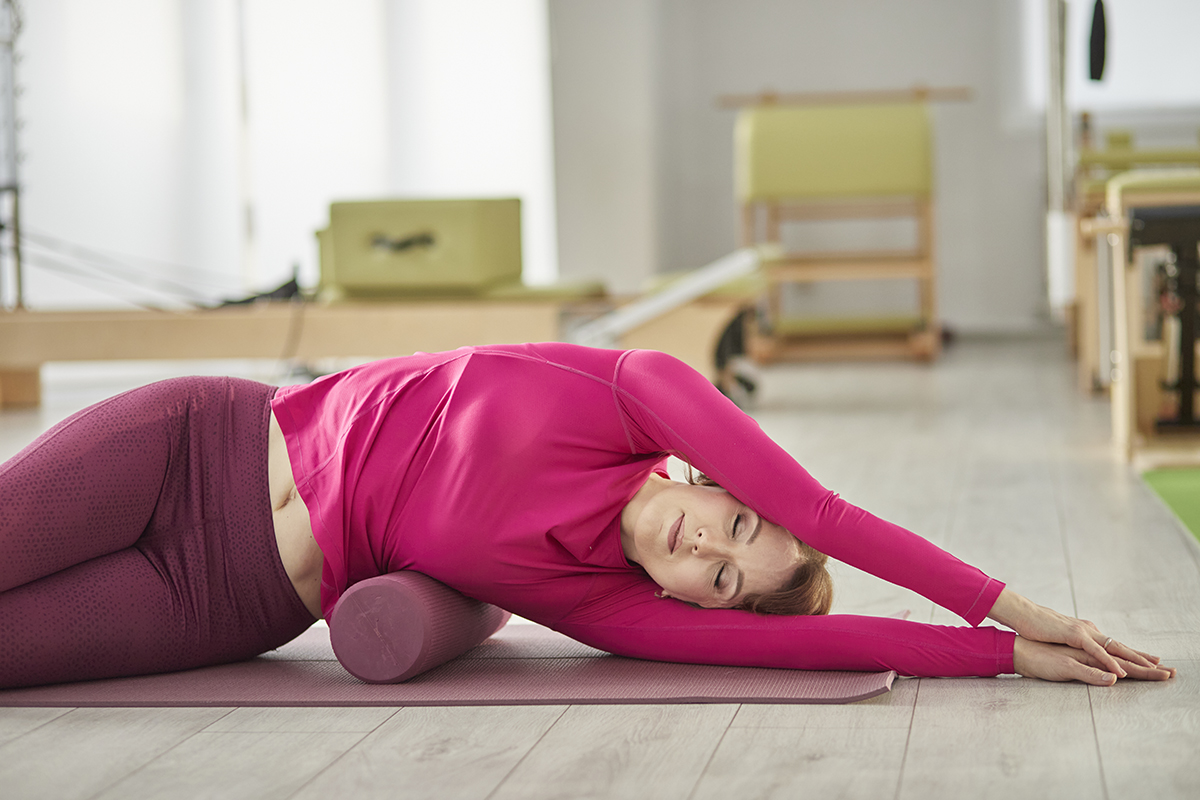
Flexibility and mobility routines help protect long-term movement and reduce injuries. Yoga, Pilates, and stretching become invaluable.
In your 50s and beyond
An inevitable change is afoot in the form of the menopause, and this can bring a multitude of emotions and physical side effects with it. But the good news is that you can regain control with a little forward planning.
‘We need to make sure we’re moving enough,’ Christina explains. ‘During menopause, the decline of oestrogen directly affects bone density, but just like your heart, your bones will stay strong if you give them work to do. Try to include lots of resistance training using your body weight or gym-based machines. Walking, running, skipping, high knees and star jumps are also great for your bones, and the feel-good endorphins released will help reduce low mood, improve self-confidence and keep us mentally sharp.’
While declining oestrogen can result in sleep disturbances, lower energy, muscle and joint aches, this is not the time to retire your trainers.
‘Listen to your body – if you train one day, make the next day a rest or recovery day opting for restorative yin yoga or a mindful walk in the park,’ Christina says. ‘This is a time to be consistent but not push beyond your limits.’
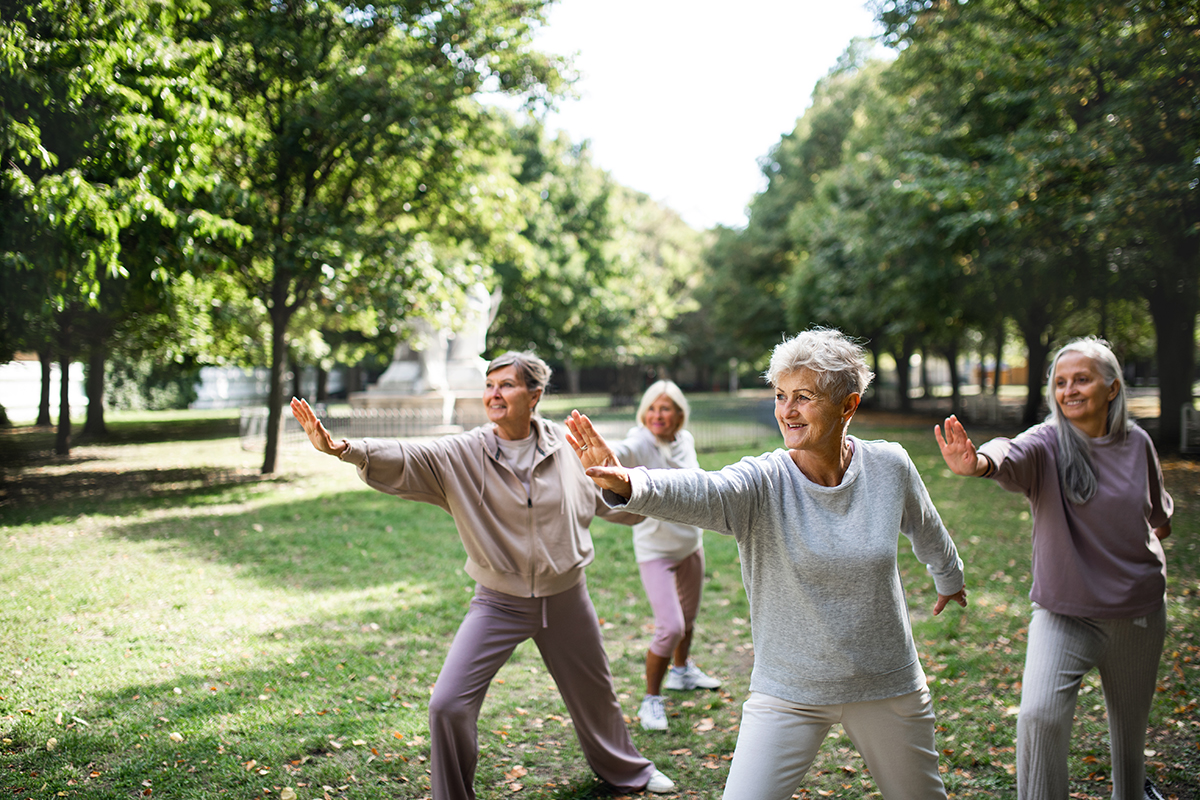
As you move into your sixth decade and beyond, there is more focus on balance and core strength, as well as general movement, so swap high impact exercises for aerobics, yoga, swimming or walks alongside bodyweight movements.
Recovery now takes centre stage and nourishing your body can be the difference between feeling good and feeling better than ever.
‘Keep cholesterol and blood pressure in check by limiting alcohol consumption to no more than 10 units a week. Up your calcium intake through sesame seeds, beans and dried fruit to stave off osteoporosis and equip you with lots of bone-building nutrients,’ she says. ‘Stock your pantry with a rainbow diet rich in brightly coloured fruit and veg, with phytoestrogens including natural forms of soya and tamari, pulses and flaxseed.’
Longevity, bone health and vitality
Your 50s mark a shift into a new phase of health. It’s one focused on longevity, resilience, and independence.
Hormones continue to change, bone density may decrease, and your risk of chronic conditions increases slightly. But with a proactive plan, this decade can be vibrantly healthy.
Double down on strength and balance
Strength prevents frailty, falls, and bone loss. Balance training is equally important to protect mobility and independence. Incorporate:
- Weight training
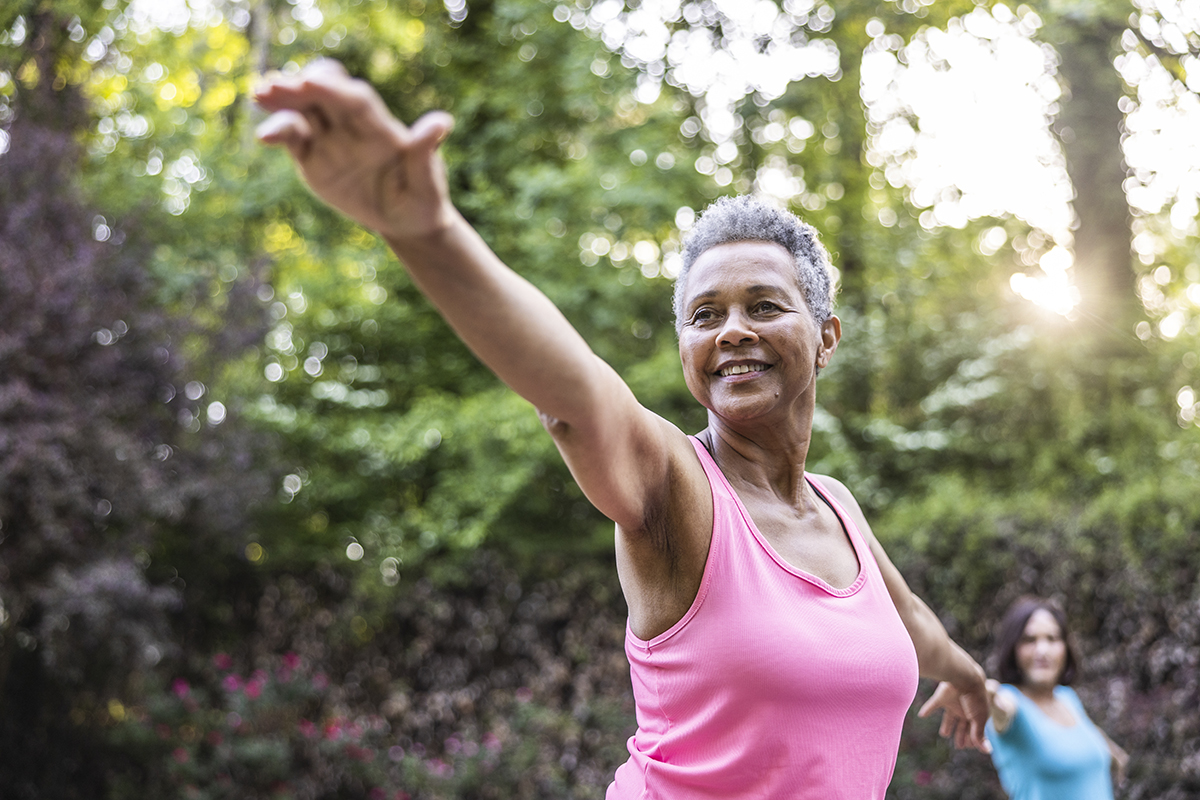
- Balance-heavy movements (single-leg work, Pilates, tai chi)
- Functional training (lifting, carrying, bending)
Bone health becomes a priority
Bone density can drop rapidly during and after menopause. Support bone strength through:
- Weight-bearing exercise
- Calcium and vitamin D
- Magnesium
- Protein
- Sun exposure where possible
Support metabolism and protect lean mass
It’s common to experience weight fluctuations in your 50s as hormones settle. Keep metabolism healthy by:
- Eating protein with every meal
- Getting enough fibre
- Managing insulin through whole foods
- Staying consistent with exercise
Focus on cardiovascular health
Your risk for heart issues rises slightly with age. Protect yourself by:
- Getting regular check-ups
- Maintaining aerobic conditioning
- Reducing inflammation
- Managing stress
Prioritise quality sleep
Sleep patterns may shift, but quality rest supports memory, immunity and longevity. Sleep routines, magnesium, and good sleep hygiene make a significant difference.
Nurture emotional and cognitive health
Longevity isn’t just physical – staying connected, creative, curious, and mentally stimulated is essential.
Read more:

