
15 ways that having ADHD can affect your love life, says therapist
Modern dating is already a minefield – online sparks often fizzle to awkward small talk or vanish entirely thanks to ghosting. For people with ADHD, this dating scene can feel even more confusing, making red flags or social cues harder to read.
Though ADHD was only formally recognised as a mental disorder in the 1960s, awareness is growing. A recent UK survey found that one in twenty adults suspect they have ADHD and in the US, an estimated 15.5 million adults have received an official diagnosis.
ADHD symptoms can unintentionally sabotage your love life. Traits like distractibility may be misread as a lack of interest, while hyperfocus might come across as “love bombing”. In the early stages of dating, these communication breakdowns can easily derail a promising relationship.
- Everyone's talking about it, but how many of these 20 signs of ADHD do you know about?
- Psychotherapist shares the warning signs you could be overlooking in your relationship

How does ADHD affect dating?
Anita Robertson, author of ADHD and Us: A Couple’s Guide to Loving and Living with Adult ADHD, says she sees the same issues arise repeatedly when counselling neurodiverse couples. She explains that ADHD symptoms can complicate dating dynamics – turning relationships into ‘an intense emotional roller-coaster, with extreme highs and lows.’
Robertson believes skill-based learning can help reduce frustration and unlock the strengths ADHD partners often bring to relationships: ‘They bring so much: creativity, empathy, compassion, non-judgement and loyalty. Always seeking fun and play – that’s a good thing to prioritise in a relationship.’
There are three subtypes of ADHD: Predominantly Hyperactive, Predominantly Inattentive and Combined. The Combined subtype – marked by both intense focus and distractibility – accounts for 50-70% of cases.
Sarah Templeton, Managing Director & Lead Therapist at Headstuff ADHD Therapy – the UK’s largest team of ADHD-diagnosed counsellors – says: ‘It's a myth that all girls have the inattentive type and all men are hyperactive and impulsive.
‘ADHD traits cross gender, race, culture, age, and intelligence. So, you might see men who are dreamy, distracted, and prone to procrastination, as well as women who are highly driven, motivated, and high achieving.’
Misinterpreting ADHD traits can threaten a new relationship. With diagnoses on the rise – the number of people prescribed ADHD medication has tripled in England over the past decade – it’s important to recognise when dating slip-ups are symptoms, not dealbreakers.

1. Commitment issues
The paradox of choice on dating apps is creating commitment issues – more daters are keeping their options open, hoping a better match is just one swipe away. This ‘grass is greener’ effect is intensified for people with ADHD who often struggle with distractibility.
Templeton explains that boredom is the nemesis of ADHD: ‘Once the novelty has worn off and the honeymoon phase is over, the dopamine-seeking ADHD brain can struggle to maintain excitement, making long-term relationships more difficult to sustain.’
2. Too much, too soon
ADHD hearts are prone to a whirlwind romance, with dopamine-charged fixation causing new relationships to feel all-consuming. ‘Hyperfocus can turn every thought toward the new partner and accelerate the pace from a stroll to a sprint,’ says Brian Lutz, licensed marriage and family therapist at Blume Behavioral Health.
‘Sudden intensity can feel flattering at first, but it may overwhelm the other person or create expectations that can’t be sustained.’
Romantic excitement combined with hyper fixation can amplify initial attraction into a full-blown fantasy, creating a cycle of obsession followed by earth-shattering disappointment. Feminine Energy Relationship Coach Naomi Snelling says, ‘The antidote is to consciously pace yourself. There’s no train to catch, so don’t rush!’

3. Intense emotional reactions
‘ADHDers don’t feel things by halves,’ says Matt Buff, Founder of ADHD supplement brand Get Dopa. ‘Which is great when we’re experiencing the good stuff like joy or excitement but crushing when we feel frustration or disappointment.’
Regulated emotions help couples navigate conflict with clear communication, whereas dysregulation fuels escalation. 'Intense emotions can override problem-solving, leading to defensiveness, withdrawal, or blame,’ says Dr Ravi Gill, Practitioner Psychologist. ‘Strengthening regulation skills helps couples de-escalate tension, repair more effectively, and maintain trust in the relationship.’
4. Forgetfulness
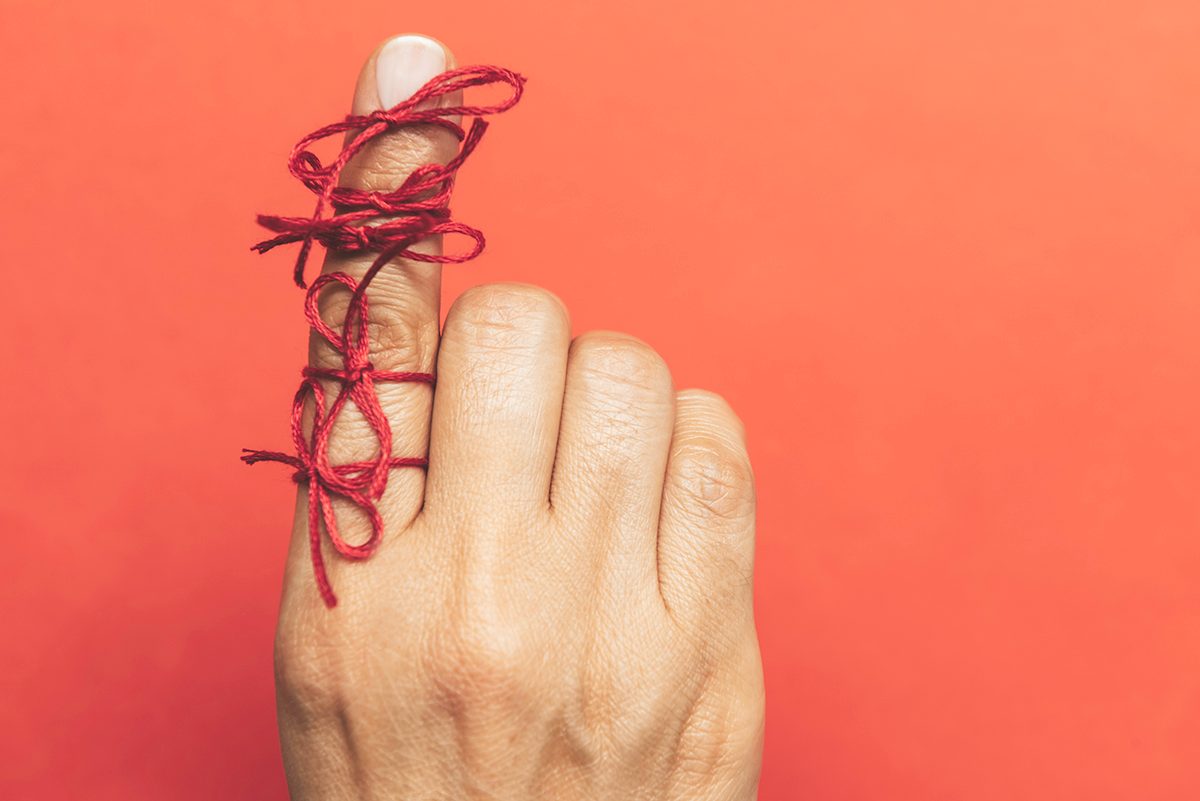
Working and short-term memory impairment are present in most ADHD cases and this persistent forgetfulness can cause a partner to feel neglected, mistaking it for a sign of disinterest.
Dr Gill says, ‘Strategies like setting reminders, writing things down, agreeing on cues for attention, and checking for understanding can reduce frustration. Equally important is framing forgetfulness as a symptom of ADHD – not a lack of care – so the focus stays on collaboration rather than blame.’
5. High intuition
ADHD brains process information in a unique way, with a reliance on association allowing them to uncover patterns and connections that non-ADHD brains may miss. Naomi Snelling says, ‘ADHDers are typically highly intelligent and very in tune with other people’s emotions, with an intuition that is off-the-charts.’
This ability to pick up on emotional shifts means they have a strong capacity for empathy and can be incredibly supportive partners. However, it can also cause them to jump to drastic conclusions, mistaking a feeling for a fact.
6. Hot and cold
Research suggests that people with ADHD are more likely to have an insecure attachment style. An increased need for attention and tendency for avoidance can create mixed signals.
As Snelling explains, ‘they may fear abandonment and crave constant reassurance. This can lead to a push-pull dynamic, where you seek closeness but then push people away out of fear of rejection.’
Buff adds that fixation and distractibility can also fuel a “hot and cold” pattern. ‘That first flush of romantic hyperfocus is powerful – creating an instant sense of intimacy and closeness,’ Buff explains. ‘However, once the hyperfocus shifts, your partner might be left feeling confused and rejected. Naming this pattern early on helps everyone stay on the same page and keeps things balanced.’
7. Spontaneity
While impulsivity can sometimes lead to rash decisions, it also brings spontaneity – adding a sense of adventure to the everyday. Matt Buff says: ‘Occasionally, some of my ADHD traits have collided – my distractibility causing me to forget an important occasion like a birthday, and my impulsivity leading me to book a romantic weekend away – leaving that same day – to make up for it.’
This kind of restlessness means there is never a dull moment, an ADHD partner is likely to encourage you to try new things, so you won’t fall into monotonous routines. ‘Be open about your traits early on,’ says Buff. ‘Frame them as part of who you are but also don’t forget to highlight the amazing strengths you bring (spontaneous Paris getaway, anyone?).

8. Sensitive to rejection
Rejection sensitivity dysphoria (RSD) – an overwhelming emotional reaction to perceived rejection – is linked to ADHD. For people with RSD, small gestures can feel like painful snubs that shatter self-esteem.
Robertson sees this as one of the biggest challenges in dating: ‘Hypersensitivity to criticism – often rooted in the relational ruptures and negative criticism ADHD kids experience more than their peers – can lead (someone with ADHD) to end a relationship before it’s begun.’
Whether the signs of disinterest are real or imagined, RSD can trigger disproportionate reactions. ‘A quick change in tone from joy to hurt is common when rejection sensitivity dysphoria flares,’ says Lutz. ‘Even a delayed text can feel like a door slammed shut, sparking tears or withdrawal.’
9. Social faux pas
If you have ADHD, you’re probably not a stranger to a social blunder. Adults with the disorder may unintentionally offend their date by missing subtle social cues – maybe you overshared because your filter didn’t kick in, or you accidentally interrupted your date mid-sentence.
‘ADHDers are the kings and queens of blurt. They will often say something without thinking or move a little too quickly in a relationship,’ says Snelling. If this sounds like you, she suggests slowing down and observing yourself: ‘Get grounded, and don’t feel you have to carry the conversation or fill the gaps.’
10. Late for dates
Chronic lateness is common among adults with ADHD – distractibility, disorganisation and a complicated perception of time all work against punctuality. Snelling explains “time blindness” as like having a “wonky internal clock”:
‘You might not mean to be late for a date, but you get in the shower and start singing … and suddenly you’re half an hour late. Or you hyper-focused on something else (typically something completely inconsequential, such as falling down a social media rabbit hole), and suddenly two hours have flown by.’
To avoid starting a date off on the wrong foot, try intentionally tracking the time while you get ready. Set alarms or reminders at regular intervals or use music playlists to mark how much time has passed.
11. Arguments can escalate
Conflict resolution can be trickier when arguing with a partner who has ADHD; emotional dysregulation, impulsivity and rejection sensitivity mean arguments can escalate fast.
Lutz explains that ‘a person with ADHD may find it hard to calm down once the nervous system is flooded. Communication can turn into crossed wires – interruptions, half-finished stories, or forgotten details can frustrate both sides.’
It's essential to approach a dispute with empathy – try to let minor issues go, and when problems arise, focus on clear and concise communication rather than engaging in lengthy, accusatory speeches. Establishing guidelines for conflict, like taking breaks when the dispute gets heated, can help keep conversations calm and respectful.
12. Miscommunication
Communication mishaps can happen when someone with a hyperactive and inattentive brain misses small details, loses focus, and struggles to pick up on subtle cues.
Dr Ravi Gill says, ‘ADHD can affect dating communication by making it harder to stay attentive or manage impulsive responses. This may leave partners feeling unheard or misunderstood.’
Prone to sensory overload, a date in a noisy restaurant or bar can overstimulate someone with ADHD, causing them to lose the thread of conversation. ‘At the same time, people with ADHD often bring energy, creativity, and authenticity to conversations,’ Gill explains. ‘With awareness and strategies – like active listening or clarifying intentions – communication can become more balanced and supportive.’
13. All-or-nothing
An all-or-nothing mindset can cause people with ADHD to give up on a new relationship at the first sign of disappointment. An intense honeymoon phase followed by a rapid loss of interest can leave your love interest with whiplash.
Matt Buff explains that the combination of fixation and inattention can also cause strain: ‘A new partner wants to feel special, so forgetting to text back or struggling to plan dates can come across as not caring, even when you do.
‘On the flip side, there’s ‘love bombing’ – getting so hyper focused on someone that your attention feels overwhelming instead of romantic. Constantly walking the tightrope between these two states can make it hard to find momentum and build trust.’
14. Missing red flags
When you jump headfirst into a relationship, the euphoria of new love can make it easy to ignore warning signs in a partner’s behaviour. ‘People with ADHD tend to fall fast and hard, often overlooking red flags and seeing everything through rose-coloured glasses,’ says Templeton.
A chaotic approach to dating, combined with an inflated fear of rejection, can make people with ADHD more vulnerable to toxic relationships. ‘They often crave acceptance and can be people pleasers,’ Templeton explains. ‘This can lead them to latch onto anybody who shows affection, sometimes overlooking dangerous red flags, narcissistic behaviour, and even domestic violence.’

15. Deep connections
ADHD brings unique strengths to relationships – emotional sensitivity often fosters deeper connections through empathy, excitement and authenticity. When traits are acknowledged, understood and embraced, people with ADHD can experience fulfilling, meaningful relationships that truly last.
‘One of my favourite things Nicole Grünewald-Bridi (Love is Blind – Netflix) said on ‘Unmasked’ was how her ADHD helps her connect to a partner in “unconventional but deeply authentic ways,” says Buff. ‘I felt this. We might have a different set of love languages to other people, but we bring passion, intensity, humour and spontaneity. You’ll never be bored with an ADHD partner, that’s for sure.’
Top tips for dating with ADHD
Embrace your neurotype
Understand both the challenges and the strengths that come with ADHD. Take responsibility for any issues that may arise in relationships, while also celebrating the unique traits that make you a total catch.
‘Anyone with ADHD has overcome a lot just to navigate the world and has learned to be incredibly resilient,’ explains Snelling. ‘These qualities aren't just a bonus; they're at the heart of what makes you so magnetic and worth falling in love with.’
Take things slow
Don’t rush into a new relationship and instead, focus on building a solid foundation rather than sprinting toward infatuation. Distractibility can make it harder to appreciate a “slow burn”, but it’s important to get to know someone before diving in.
‘Make an effort to stay engaged with other aspects of your social life and avoid losing yourself in your new partner,’ says Templeton. ‘Don’t sugarcoat everything a new partner does and focus on maintaining stability in your life.’
Advocate for yourself
Self-advocacy allows ADHDers to communicate their needs clearly and establish healthy dynamics that let strengths to shine. ‘Enjoy the beauty that you bring to these relationships,’ says Roberston. ‘And if somebody doesn't enjoy it – that person isn't for you. That would be my advice for establishing a healthy dating life – feel comfortable with who you are.’
Set boundaries
Personal boundaries are essential for respectful relationships – they support emotional stability, reduce misunderstandings and boost self-esteem. ‘Be honest about what you need and try to find little systems that work for both of you,’ suggests Buff. ‘Loving someone with ADHD has its moments, but we bring creativity, depth, and plenty of fun to more than make up for it.’
Read more:
