
This is why hangxiety gets much worse as you get older (and how to stop it)
It’s a familiar scene: blurry eyes blink open to find evidence from the night before – your handbag tossed on the floor, a half-drunk glass of wine on your bedside table, and the crushing feeling of impending doom.
As you shuffle through hazy memories, a rising panic sets in. Did you burn bridges? Ruin your reputation? Why does it feel like the world is closing in? Welcome to hangxiety – the emotional comedown after a night out.
‘When alcohol leaves your body, the nervous system rebounds hard, and this can feel like anxiety, dread or a sense that something is “wrong,”’ explains Michele Koch-LaFemina, Clinical Director at Pathways Recovery.
And it affects a large proportion of us – one study estimates that around 23% of people experience anxiety after drinking.
But you don’t need to let this pesky chemical comedown rain on your parade this summer. Read on for expert advice on how to let your hair down and enjoy your favourite tipples without fearing an emotional hangover.
- Change your health for good with these 21 small steps
- These are the hangover cures that actually work

The science behind hangxiety
Alcohol is a sedative; it slows the brain and reduces anxiety. But once this tranquilizing effect wears off, stress hormones surge and the nervous system is sent into overdrive.
‘Alcohol first boosts GABA, a calming chemical that helps us unwind,’ says Claire Law, psychotherapist and legal contributor to Custody X Change. ‘As we keep drinking, the brain produces less GABA and increases glutamate, which heightens alertness and tension. When the alcohol wears off, the brain is overstimulated, and that’s when anxiety sets in.’
Though hangxiety isn’t a medical term, scientific evidence supports a strong link between hangovers and increased stress, anxiety and depression. Your alcohol-induced good mood must obey the laws of gravity – what goes up must come down – as your brain struggles to restore its natural equilibrium.
Janee Young, Clinical Director of Wellness Detox of LA, describes hangxiety as a form of ‘emotional dehydration’. ‘Alcohol doesn’t just deplete your body’s water – it drains your emotional reserves too,’ she explains. ‘When serotonin levels dip and adrenaline spikes after drinking, your body interprets it as danger, which can trigger racing thoughts, guilt, and a sense of unease the next day.’
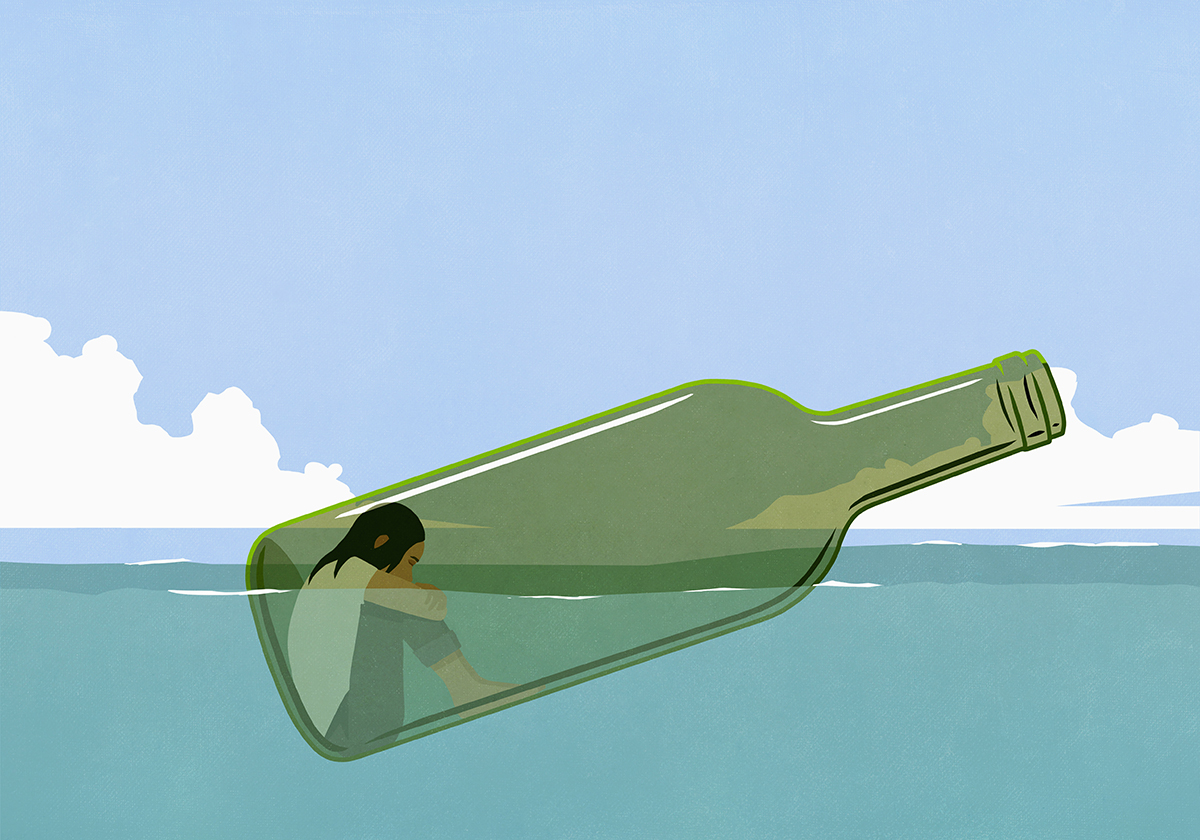
Some people are more prone to hangxiety
While anyone can feel uneasy after a night of drinking, a study of 600 adults found that certain people are particularly susceptible to hangxiety. People with low self-esteem and underlying mental health issues often use alcohol as a social crutch to mask discomfort, ease nerves and escape negative emotions. Once the buzz fades, it can trigger a debilitating emotional rebound.
You’re more likely to experience hangxiety if:
- You are prone to anxiety or low mood. Hangovers can amplify these emotions - when alcohol is used to dull them, they can return with a vengeance.
- You act out of character when drunk. Acting in a way that doesn’t align with your values can trigger shame, embarrassment and self-criticism the next day.
- You struggle with emotional dysregulation. Difficultyidentifying or managing stress in healthy ways can trap you in a negative thought loop.
- You have avoidant coping styles. Alcohol can be a temporary escape from difficult emotions or stressful situations. These suppressed feelings will resurface stronger than before.
- You’re naturally shy. Research shows that very shy people are more likely to experience heightened anxiety when hungover compared to their extroverted peers.
- You struggle with persistent negative thinking. If you’re prone to rumination or worst-case-scenario thinking, a hangover can intensify this toxic internal monologue.
It’s not all in your head – hangxiety gets worse with age
Gone are the days we could indulge in off brand corner shop vodka and wake up unscathed. ‘This rebound becomes stronger because our metabolism slows and our recovery window lengthens,’ explains Koch-LaFemina. ‘What felt like mild jitters at 25 can feel like a full wave of anxiety at 40.’
Law adds that this is due in part to changes in our liver function and a reduction in GABA. ‘On top of that, sleep quality and hydration levels naturally decline with age,’ she adds. ‘Which makes hangovers more intense. What might have felt like harmless fun in our twenties can suddenly leave us anxious and drained in our thirties, forties, and beyond.’
‘We also tend to have more life responsibilities and stressors,’ adds Lape. ‘Giving our anxious minds more material to fixate on during hangover recovery. Baseline anxiety often increases with age due to hormonal changes, accumulated stressors, and health concerns, providing fertile ground for hangxiety to flourish.’
It's not just age – hangxiety seems to be getting stronger with the times. Data shows that Gen Z are more conscious of how alcohol impacts their mental health than ever – only 62% of adults under 35 identify as alcohol consumers, compared to 72% a decade ago.
Social anxieties play a role – an increasingly online generation is spending more time at home than in the office or at the club and is more preoccupied with how they come across thanks to the constant self-editing of social media. So, is the future of drinking at risk from the fear of hangxiety?
How to outsmart hangxiety
According to the experts, preparation is the key. ‘Avoiding post-drinking anxiety is less about willpower and more about stabilizing the nervous system before and after alcohol,’ says Koch-LaFemina.
‘Eating beforehand, pacing drinks, hydrating, getting real sleep, and planning gentle routines the next day all reduce the spike. When people understand the emotional and physiological rebound, they stop treating hangxiety as a mystery and start recognising it as a predictable pattern they can influence.’
Law adds: ‘After drinking, it helps to get quality rest, do light movement, and practice mindfulness or slow breathing. Most importantly, try to manage stress in ways that don’t rely on alcohol, like spending time outdoors, journaling, or connecting with people who make you feel grounded.’
The best cures are often counter-intuitive: though your instinct might be to cocoon under a duvet, with a McMuffin and an iced frappe, that combo only feeds an anxious brain.
‘Skip caffeine and definitely don't drink more alcohol,’ says Lape. ‘Both will only amplify the anxiety.’ Instead, she advises gentle movement: ‘Light stretching or a short walk can help metabolize stress hormones and boost mood-regulating endorphins.’
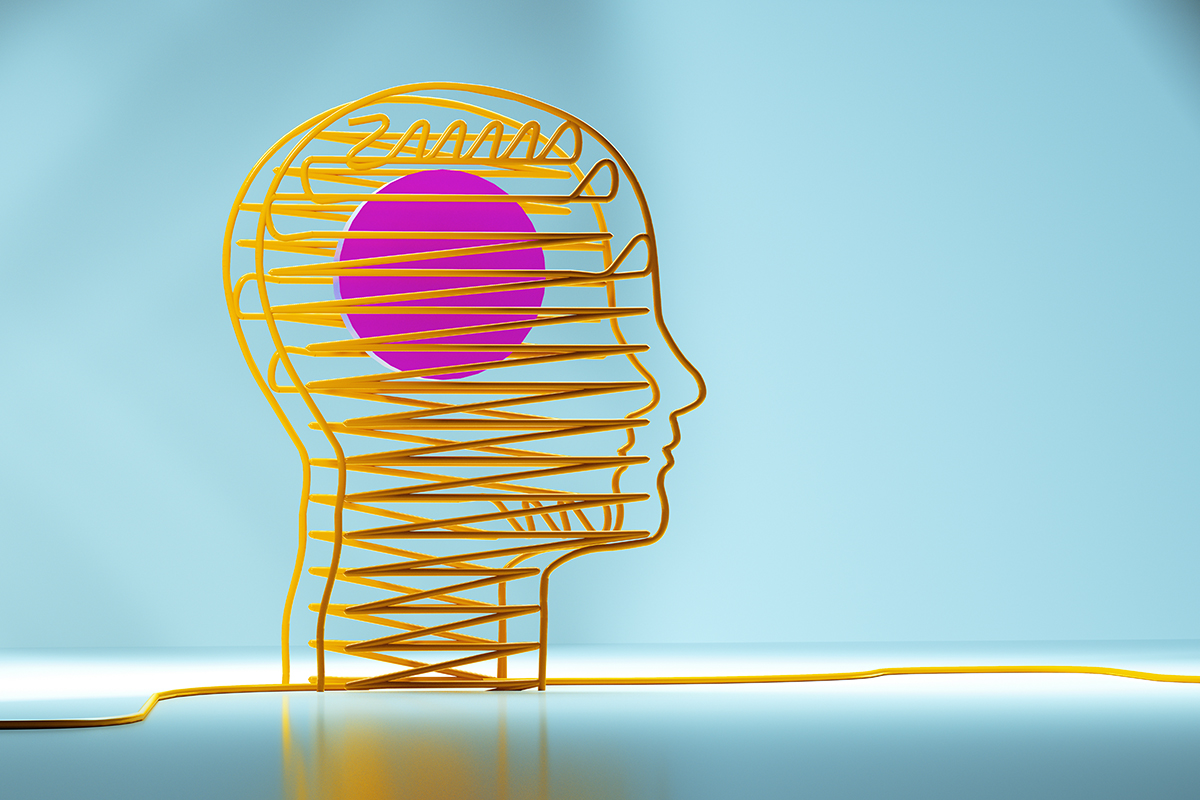
Micheles Koch-LaFemina’s top five tips for combating hangxiety:
1. Regulate before you drink
‘If your nervous system is already stressed, alcohol will amplify the rebound. Slow your breathing, eat something steady and give yourself a moment to decompress before the first drink. A calmer baseline reduces the next-day anxiety spike.’
2. Match every drink with hydration and protein
‘Blood sugar crashes intensify hangxiety. Alternate between alcohol and water and pair drinks with protein or healthy fats. This keeps your system from bottoming out overnight and reduces the morning adrenaline surge.’
3. Set a cut-off time
‘The later you drink, the tougher the rebound. Stopping earlier gives your body a chance to stabilise while you sleep. Many people don’t realise hangxiety is often just exhaustion disguised as dread.’
4. Plan a morning routine that grounds you
‘Have a low-stimulation plan ready: a shower, fresh air, a simple breakfast and light movement. Predictability lowers the nervous system’s “what’s happening?” alarm that fuels anxiety.’
5. Interrupt the mental spiral
‘When hangxiety hits, the thoughts feel convincing but they’re chemical, not emotional truth. Label the feeling (“this is my nervous system rebounding”), hydrate, breathe slowly and give your body 20 minutes. The wave usually passes once the physiology settles.’
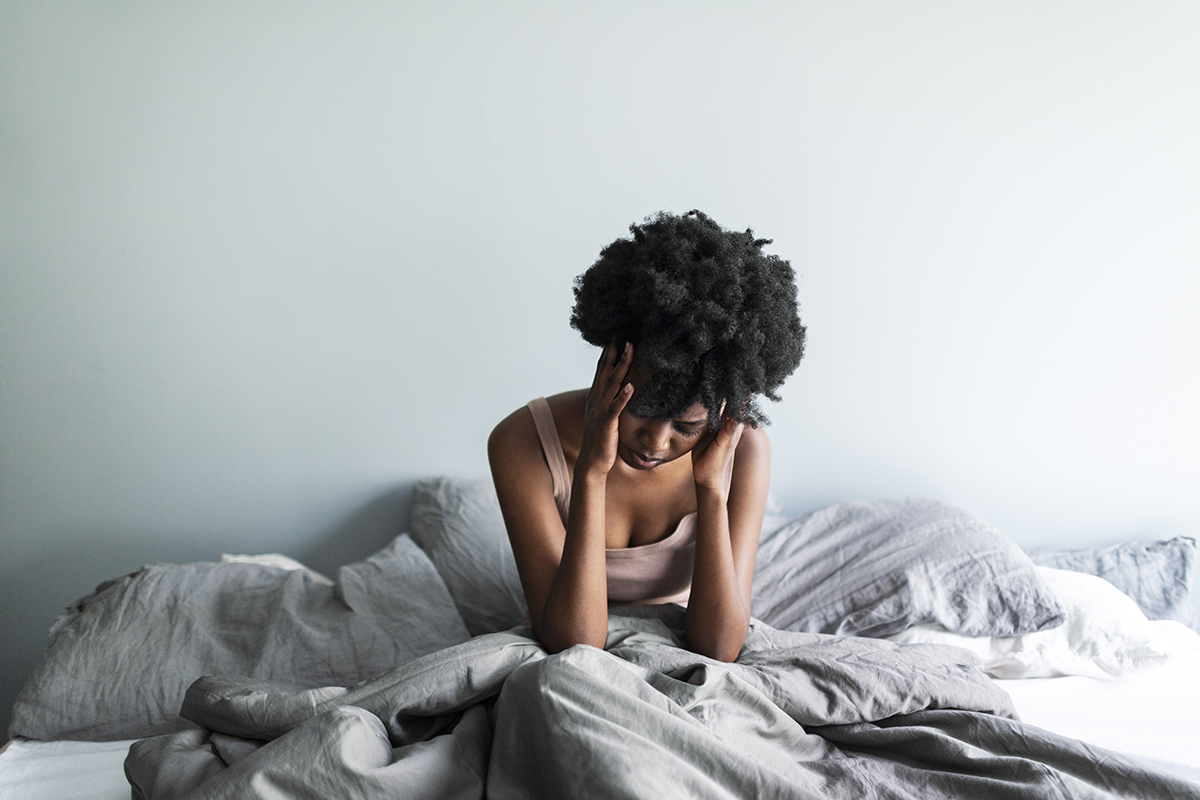
Challenge catastrophic thinking
Despite what your nervous system might be telling you, chances are you didn’t burn your life to the ground in a blaze of drunken chaos. ‘Remember: alcohol impairs memory formation, so those "terrible things" you think you said or did might be anxiety-distorted fiction,’ says Lape.
‘Most people won't remember or care nearly as much as your anxious brain suggests. Be patient with yourself, focus on physical recovery, and remember that these feelings are temporary neurochemical effects, not reflections of reality.’
Reach out to a trusted friend to piece together the night and you’ll likely discover that you’re catastrophising – sure, maybe you let loose on the dance floor or overshared with a mutual friend – but is that really a crime? Don’t let hangxiety rewrite a fun night into a catastrophe.
If the worry loop won’t stop, disrupt it by getting those thoughts out of your head and onto paper. Writing down what actually happened will minimise the drama and help you regain perspective.
How to practice mindful drinking
‘The most effective prevention is moderation,’ advises Lape. According to Australian health guidelines that means no more than four standard drinks in one day and ten in a week.
‘Avoid drinking when you're already stressed or anxious – this only amplifies the rebound effect,’ she adds. ‘Most importantly, don't use alcohol as a coping mechanism for existing anxiety - this creates a dangerous cycle.’
Dr Asia Ahmed, Digital Clinician at Medichecks, recommends you try a simple yet effective approach she calls ‘zebra striping’ where you alternate each alcoholic drink with a non-alcoholic one. ‘A sparkling water with lime, kombucha, or a mocktail will keep you hydrated, slow your alcohol intake, and support your liver while reducing hangover risk,’ says Ahmed.
Cure your hangxiety with a nutrient reboot breakfast
After a big night, it’s not just your mind that needs soothing – your body needs replenishing too. Your mood and gut are closely connected, so restoring balance through what you eat can help your emotions.
‘Alcohol affects the gut–brain axis: the communication network between your digestive system and your brain,’ says Grace Kenworthy, Nutrition & Education Advisor at Bio-Kult. ‘Heavy or long-term drinking can disrupt the balance of gut bacteria and make the gut lining more permeable, which can trigger inflammatory and chemical changes in the body that are involved in mood and emotional regulation.’
Dr Ahmed advises skipping the greasy fry up. ‘It might sound comforting, but it’ll only slow digestion and leave you feeling sluggish,’ she explains. ‘Instead start your day with a recovery-boosting breakfast to replenish nutrients and restore balance.’
‘What to eat:
Eggs – rich in choline to support liver function
Oats + banana – restore serotonin and potassium
Kefir or Greek yogurt – nourish your gut microbiome
Herbal tea or coconut water – rehydrate and replace electrolytes
Why it works: This combination supports liver detox, gut health, hydration, and mood.’
Combine this nutrient reboot with rest, hydration and a dash of self-compassion to bounce back from hangxiety. By the evening your alcohol, induced brain fog will have cleared, and you’ll wonder what all the fuss was about.
Read more:
