
Expert warns about the change in your eyes you should never ignore
Our eyes naturally change with age. However, while some changes are harmless, others can signal more serious eye conditions. If left untreated, these conditions can increase the risk of vision loss, so it’s essential to recognise the signs to look out for.
You may be tempted to wait until your next regular check-up to address symptoms like dry eyes or blurred vision, ignoring changes to your vision in the hope that they will improve on their own. But it’s important to see an optician as soon as you notice anything unusual.
Here, experts tell you which eye symptoms you should never ignore.
- Are your bones prematurely ageing? How to protect them, according to a doctor
- This is when you should worry about a headache, says neurologist
Yellowing of the eyes
GP Dr Deepali Misra-Sharp says that yellowing of the eyes typically occurs if you have jaundice, which can result if your liver, pancreas, or gallbladder isn’t functioning properly.
Dr Misra-Sharp says, seek medical attention as soon as possible if you notice any of the following symptoms along with yellowing of your eyes, as they may be signs of a serious condition:
- Loss of appetite
- Nose bleeds
- Itchy skin
- Feeling weak or exhausted
- Unexplained weight loss
- Leg or abdominal swelling
- Dark urine
- Pale stools
- Abnormal joint or muscle pain
- Changes or darkening of skin colour
- Fever
- Nausea or vomiting
Abnormal discharge
Normal eye discharge is debris trapped in the eye's mucus. Your conjunctiva, the clear membrane that covers the white of your eye, produces mucus to help lubricate your eye and carry debris away.
Ophthalmologist Dr Deborah Herrmann says you’ll know when regular eye mucus changes to something else: ‘Abnormal eye discharge is more abundant and more noticeable. It looks or feels like your eye is working hard to clean itself. It might seem watery but leave a crusty residue that sticks your eyelids together. Or it might be sticky, or have an unusual colour, like yellow or green.’
If discharge is accompanied by pain, redness, or blurred vision, this can indicate a more serious issue, such as an infection, allergy, or blocked tear duct. Abnormal discharge warrants an appointment with an eye doctor.
Dry eyes
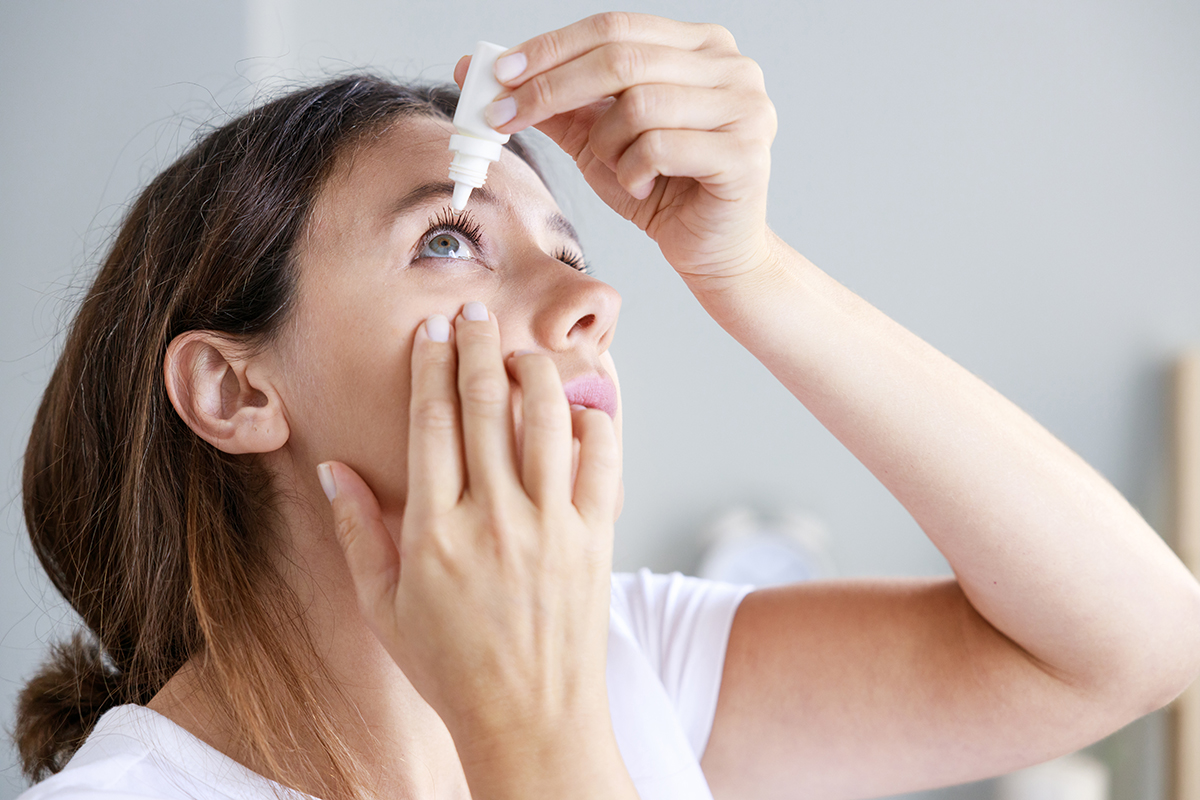
Dry eye syndrome is a condition in which the eyes do not produce enough tears or the tears evaporate too quickly. This can lead to the eyes drying out and becoming inflamed.
Herrmann says it is a common condition and becomes more common with age, especially in women. Up to one-third of people aged 65 or older may have dry eye syndrome.
Herrmann comments, ‘Dry eyes are not usually serious, but they can be a symptom of a more serious underlying issue or lead to complications if left untreated.’
Complications of dry eyes which require medical attention:
- Eye infections: Your tears protect the surface of your eyes from infection. Without adequate tears, you may have an increased risk of eye infection.
- Damage to the surface of your eyes: If left untreated, severe dry eyes may lead to eye inflammation, abrasion of the corneal surface, corneal ulcers and vision loss.
Eye pain
Eye pain is a relatively generic symptom, but Dr Vincenzo Maurino, a world-leading consultant eye surgeon from Moorfields Eye Hospital in London, explains when it warrants further investigation: ‘It is important to think about the severity and localisation of the eye pain. In general, eye pain can be a serious symptom of eye infection, inflammation, or eye pressure and should never be ignored, especially if sudden and severe.’
Maurino says, ‘One condition that causes eye pain in elderly patients, particularly when accompanied by nausea, vomiting, or seeing coloured halos, can be acute angle-closure glaucoma, where pressure inside the eye rises dramatically and can cause permanent blindness if untreated. Acute glaucoma is an emergency and needs prompt attendance at an ophthalmic emergency department.’
Red eyes
Maurino says red eyes are often harmless, but it is important to assess the severity of the redness and its location, such as deep redness around the coloured part of the eye, which could indicate serious internal inflammation requiring urgent treatment.
‘Contact lens wearers with a red, painful eye face particular danger from contact lens infection, which can be common, if you wear contact lenses excessively or shower and swim with them in. Contact lens-associated infection can be caused by aggressive organisms that can severely damage the cornea and vision. This requires an urgent appointment with your optician,’ explains Maurino.
Sudden vision loss
Maurino says, ‘Sudden vision loss represents one of our most time-sensitive emergencies – retinal blood vessel damage, vein or retinal artery occlusion is essentially a stroke of the eye that requires immediate attention and treatment – it is more common in patients with hypertension, diabetes, and heart disease.’
Any sudden changes in vision following eye surgery or eye injections could indicate an infection and require immediate evaluation.
Light sensitivity
Our eyes are naturally designed to handle varying degrees of light. However, light sensitivity, also known as photophobia, can make every day light conditions seem too bright, causing discomfort or even affecting one's ability to see.
Herrmann says, ‘Experiencing mild photophobia is normal – for example, when you walk outside after watching a film at the cinema or when first waking up to sunlight in the morning. However, photophobia that lingers may be a sign of a more serious eye condition. Some eye conditions can cause inflammation or make it more difficult to adapt to light changes.’
Eye conditions that can cause light sensitivity include cataracts, glaucoma, and corneal abrasions (a scratch on the eye), all of which require medical attention.
Peripheral vision loss
Peripheral vision loss, also known as tunnel vision, makes it difficult or impossible to see objects that aren’t directly in front of you. Peripheral vision loss can affect one or both eyes simultaneously and may cause dizziness or unsteadiness when walking or standing.
Herrmann says ‘Temporary peripheral vision loss can be caused by migraines. However, eye conditions that damage the eyes can lead to permanent peripheral vision loss if left untreated. Some of the most common eye conditions linked with peripheral vision loss include glaucoma, retinal detachment, diabetic retinopathy, and optic neuritis.’
Floaters
Floaters in your vision can appear as small, dark dots, squiggly lines, rings, or cobwebs and are typically not a serious concern, as they are a normal part of ageing.
Maurino says that a sudden increase in floaters, especially when accompanied by flashes of light, a shadow in your vision, eye pain, or sudden vision changes, can signal a serious problem, such as retinal detachment or a tear in the retina.
Maurino says, ‘The combination of sudden floaters with flashing lights is particularly concerning because 14% of patients with these symptoms can have a retinal tear at initial examination, and without treatment, up to half of these tears can progress to retinal detachment, which is a surgical emergency. You need to attend a specialised ophthalmic eye A&E, to ensure same-day evaluation for these symptoms. Delays can result in permanent central vision loss.’
Drooping eyelid
A drooping eyelid, medically known as ptosis, can manifest at any age and may affect one or both eyes.
Mr Mfazo Hove, consultant ophthalmologist and founder of Blue Fin Vision, says, ‘Although most commonly associated with the natural ageing process due to the weakening of the muscle that elevates the eyelid, it is vital never to dismiss ptosis – particularly when it is sudden, present in the young, or affects only one side. Unilateral ptosis may herald serious neurological conditions, including third cranial nerve palsy, which can signify aneurysms or tumours, or Horner’s syndrome, a disruption of the sympathetic nerve pathway often associated with chest or neck pathology.’
Prompt evaluation is crucial, and any new, persistent, or rapidly progressing eyelid drooping merits immediate professional attention.
Different-sized pupils
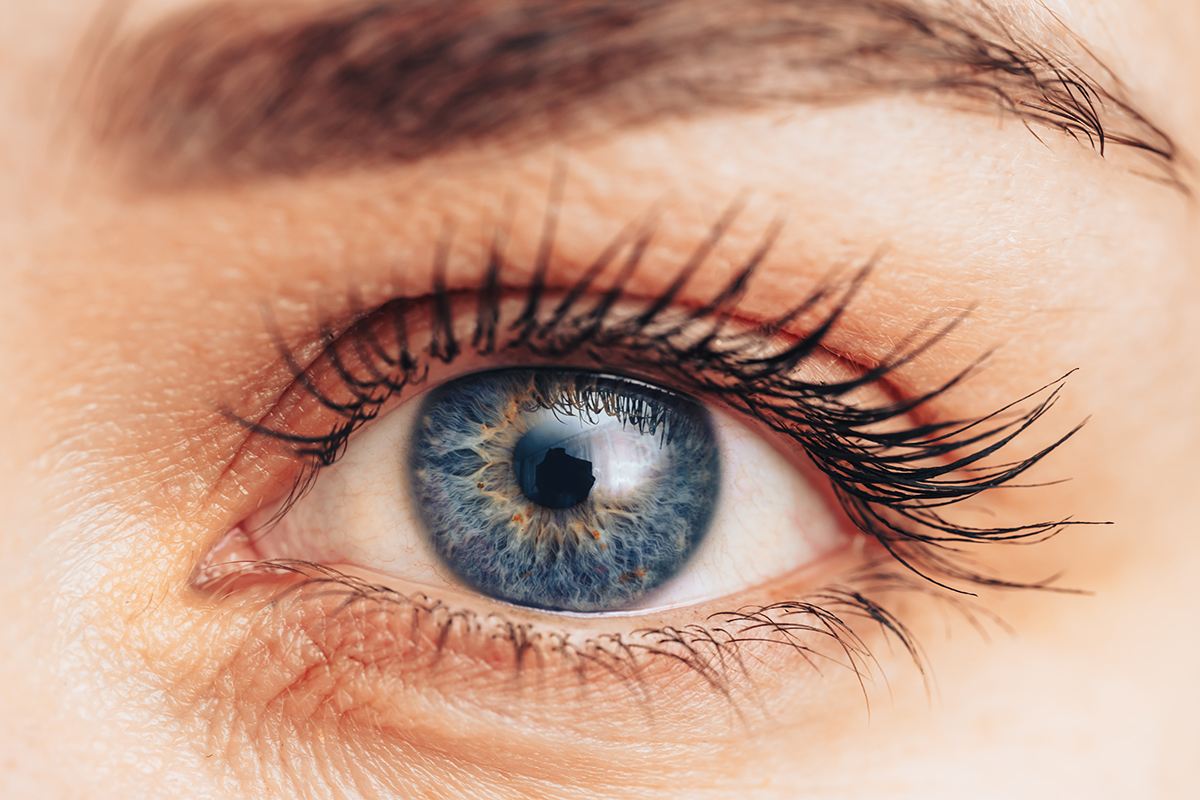
Anisocoria describes the condition of unequal pupil sizes. Hove says, ‘While mild, long-standing differences can be a benign variation in up to 20% of individuals, any sudden change or marked asymmetry, particularly if accompanied by other neurological symptoms such as drooping eyelid, double vision, headache, or facial sweating, necessitates urgent evaluation.’
A difference in pupil size may reflect serious conditions such as brain aneurysms, intracranial haemorrhage, meningitis, nerve palsies, or Horner’s syndrome. Timely referral to a specialist is imperative, as anisocoria may be the earliest sign of potentially life-threatening neurological disease.
Double vision
Hove says that double vision, or diplopia, should never be underestimated, particularly when it arises suddenly or persists.
‘Though fleeting episodes can occasionally relate to benign factors such as fatigue or stress, persistent or recurrent double vision often reflects underlying pathology of the eye muscles, their nerve supply, or the brain itself. Serious causes include cranial nerve palsies from stroke, tumours, diabetes, multiple sclerosis, or myasthenia gravis, as well as trauma or infection,’ he explains.
Diplopia may also present with other symptoms such as headache, unequal pupils, or drooping eyelid, further raising clinical urgency. Double vision warrants a swift, specialist-led investigation to find the cause and prevent potential sight or life-threatening complications.
Read more:

