
It’s the season of summer dresses and miniskirts - but in a cruel twist of fate, it’s also the peak time for swollen legs, where ankles bulge with rising temperatures.
If you’ve noticed your calves ballooning or your rings becoming snug during a heatwave, you’re not imagining it. Heat-related swelling, known medically as heat edema, is a common symptom of soaring temperatures – one that tends to sabotage your cute holiday outfits.
Most of the time it’s harmless, but swelling can also be your body’s way of flagging something more serious. Here’s how to tell the difference.
- You may be overlooking these urgent warning signs from your body, doctors share
- Expert reveals why women put weight on during menopause – and how to avoid it
Why hot weather makes your legs swell
When temperatures climb, your body works hard to keep you cool - blood vessels near the surface of the skin dilate to release heat. This is effective at stopping you overheat but has one rather unfortunate side effect – swelling.
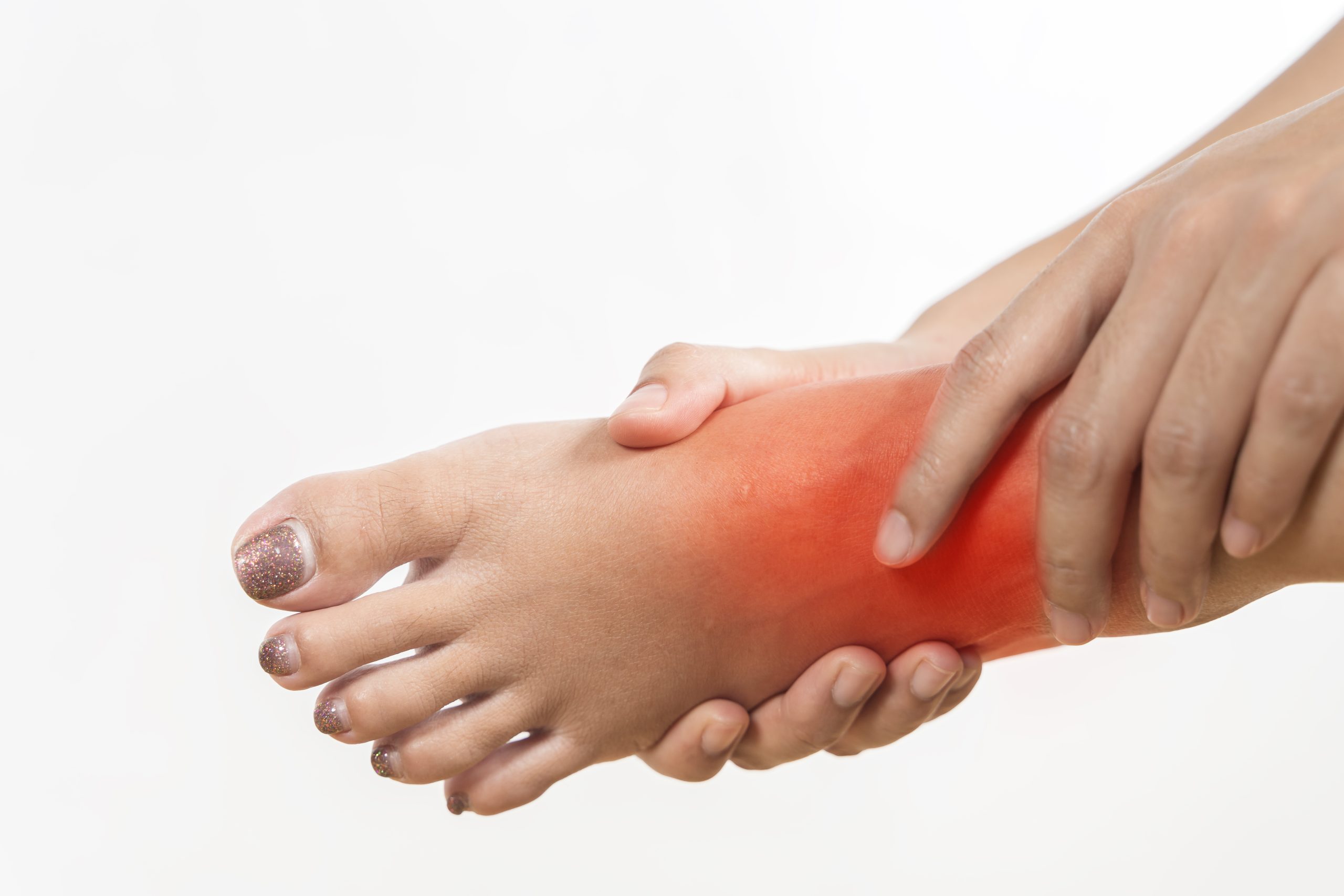
Widened blood vessels allows extra fluid to leak out into surrounding tissue, gravity then pulls this liquid down, causing it to pool in the lower legs, ankles and feet.
When it’s hot, we also tend to move less – even just climbing the stairs feels like hard work. But this lack of movement only exacerbates the issue, as sitting for long stretches slows down our natural lymphatic drainage system and reduces circulation – letting fluid stay trapped.
Hot weather also messes with your hormones. When you sweat, your body loses water, triggering the release of aldosterone, which cause the body to hold onto sodium and water.
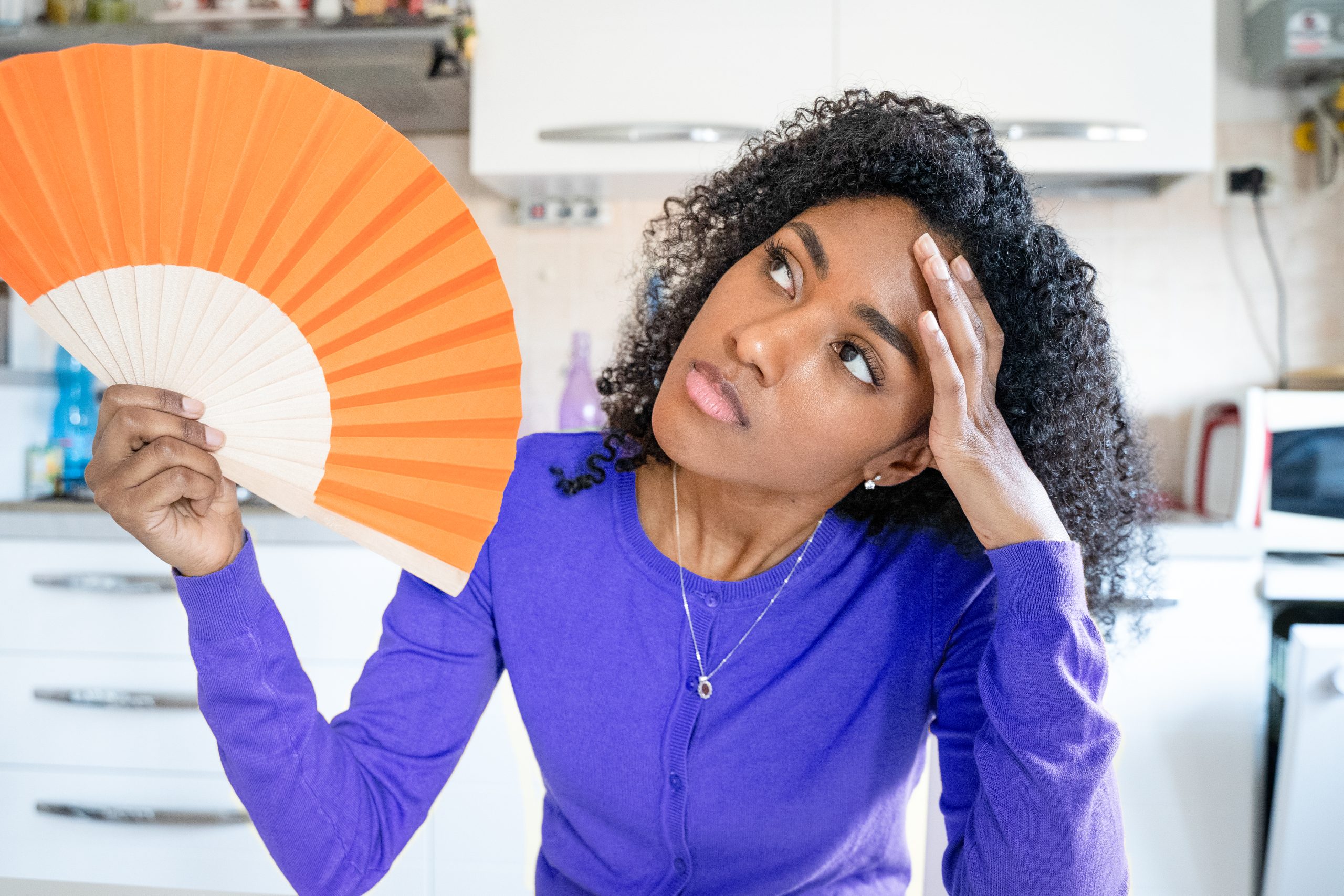
Who’s more likely to notice it
Heat edema doesn’t affect everyone equally - there are certain factors which make you more prone to it during the summer months. It’s more common for:
- Older adults: as we age, our veins become less efficient at circulating blood upward, making it pool downwards.
- Pregnant women: due toadded weight on your leg muscles, increased amount of blood and hormonal changes.
- Office workers: people who stand or sit for long periods during their job are more likely to develop noticeably swollen legs.
- Those with existing vein issues: varicose veins and chronic venous insufficiency symptoms can worsen during hot weather.
- People on certain medications: blood pressure tablets and anti-inflammatory drugs can make swelling more pronounced.

What normal heat swelling looks like
For most people, this swelling is a nuisance and discomfort rather than a danger. Typical heat edema with no cause for concern tends to follow a predictable pattern:
- It affects both legs roughly equally
- It builds gradually over the course of a hot day
- It tends to improve with rest, elevation or once the temperature drops
- The skin looks puffy but isn’t painful
- Pressing a finger into the skin leaves a temporary indent that fades in a few minutes
Simple lifestyle adjustments and at-home hacks are often enough to manage these symptoms.
How to reduce everyday swelling in hot weather
Elevate your legs Prop your feet above heart level for 15-20 minutes to help drain fluid naturally.
Stay active You don’t need to run a marathon in the heat. Just walking around the house or even flexing your calves while seated helps circulation.
Reduce your salt intake Sodium encourages the body to retain water and worsens swelling.
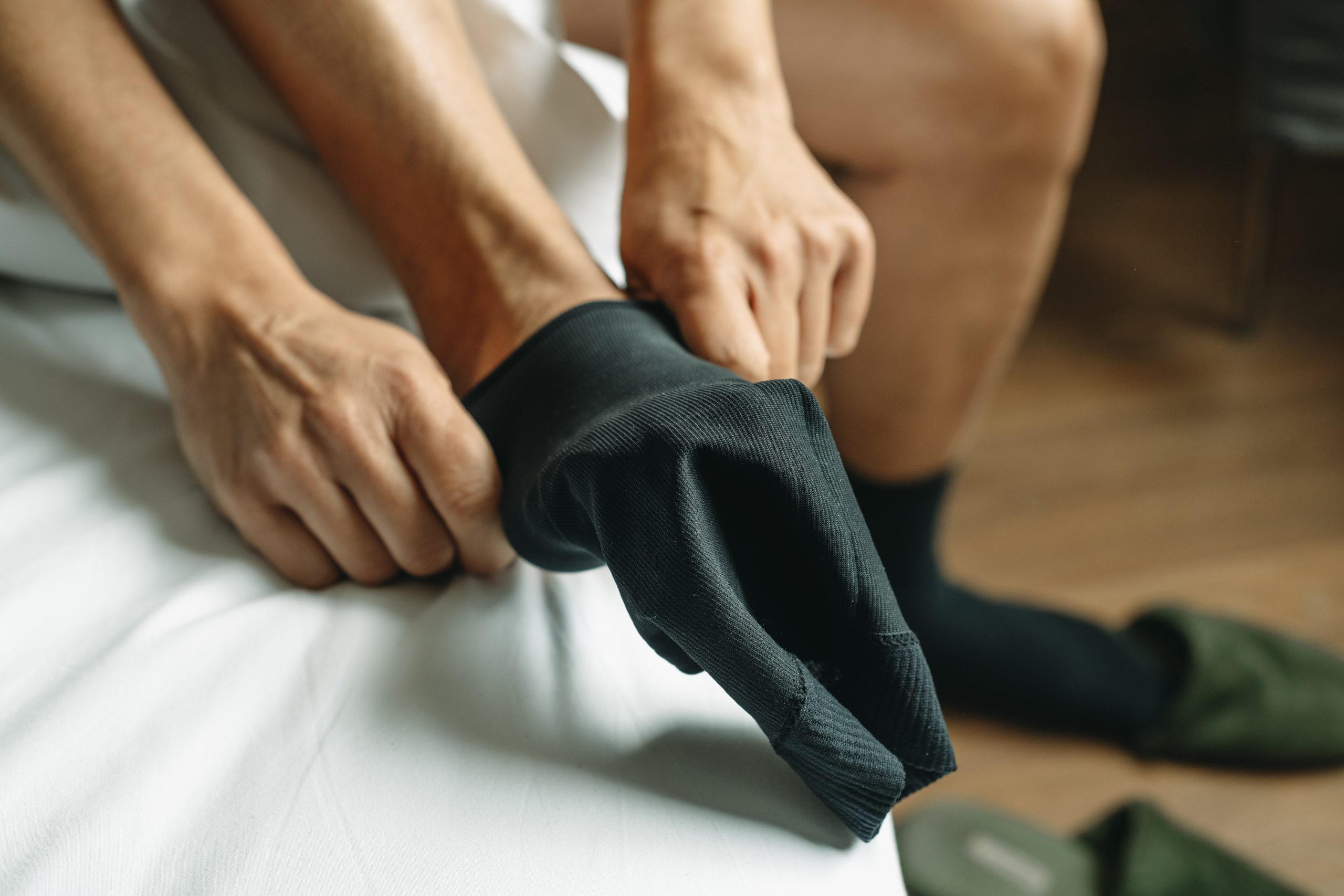
Try compression socks If you can bear to wear long, tight socks in the heat, they’re effective at supporting vein function.
Stay hydrated Don’t restrict your fluids – dehydration only makes the problem worse, while drinking enough water helps rebalance fluids.
Avoid tight clothing Tightly laced up pumps or waist bands that leave a mark can also restrict circulation and worsen fluid pooling.
Stay in the shade During peak heat, seek out shade or stay in the coolest room in the house to limit the side effects.
When swelling signals something more serious
Puffy ankles are usually just a sign your body’s natural cooling system is working. But leg swelling can sometimes be an early sign of blood clots, heart problems or vein disease.
There are a few warning signs that mean it’s worth getting checked instead of blaming the heat. Some symptoms – like sudden swelling in one leg or swelling paired with shortness of breath – need emergency care right away. Here’s what to look out for:
- Only one leg is swollen
Sudden, one-sided swelling can indicate a deep vein thrombosis (DVT), a blood clot that requires immediate treatment.
- You have chest pain, shortness of breath or rapid heartbeat
These symptoms alongside leg swelling can signal a clot that has travelled up to the lung, which is a medical emergency.
- The skin is discoloured or shiny
This can be a sign of advance venous disease or a more serious circulation problem.
- It appears suddenly and doesn’t improve overnight
Heat edema usually builds gradually and eases when you’re off your feet and out of the heat, swelling that persists needs to be checked out.
- Unexplained weight gain or reduced urination
These can be signs of heart, kidney or liver conditions where the body is retaining excess fluid.
- You feel fatigued, dizzy or confused When combined with swelling, this can be a symptom of a broader cardiovascular or metabolic issue, particularly in older adults.
Read more:
