
Most men don’t spend much time thinking about their sperm. It’s not exactly a dinner-table topic, and unless you’re trying to conceive or undergoing fertility treatment, it’s easy to assume everything is working as it should.
But sperm health can reveal a surprising amount about your overall wellbeing, and in some cases, changes in semen or sperm can be an early warning sign that something isn’t right.
While not every oddity is cause for panic, certain changes should never be ignored.
From unusual colour and texture to pain, blood, or fertility problems, these signs can point to infections, hormonal imbalances, chronic conditions, or even cancer.
Knowing what’s normal, and what isn’t, could make a life-changing difference. Here’s what doctors say you should be paying attention to, and when it’s time to book an appointment.
- 30 things you probably don't know about your penis
- Protect your prostate today with these simple lifestyle swaps
What is normal?
Semen is typically a cloudy white, grey, or slightly yellowish fluid with a thick, gel-like consistency that liquefies within 15 to 30 minutes after ejaculation. Volume can vary, but on average ranges from 1.5 to 5 millilitres per ejaculation.
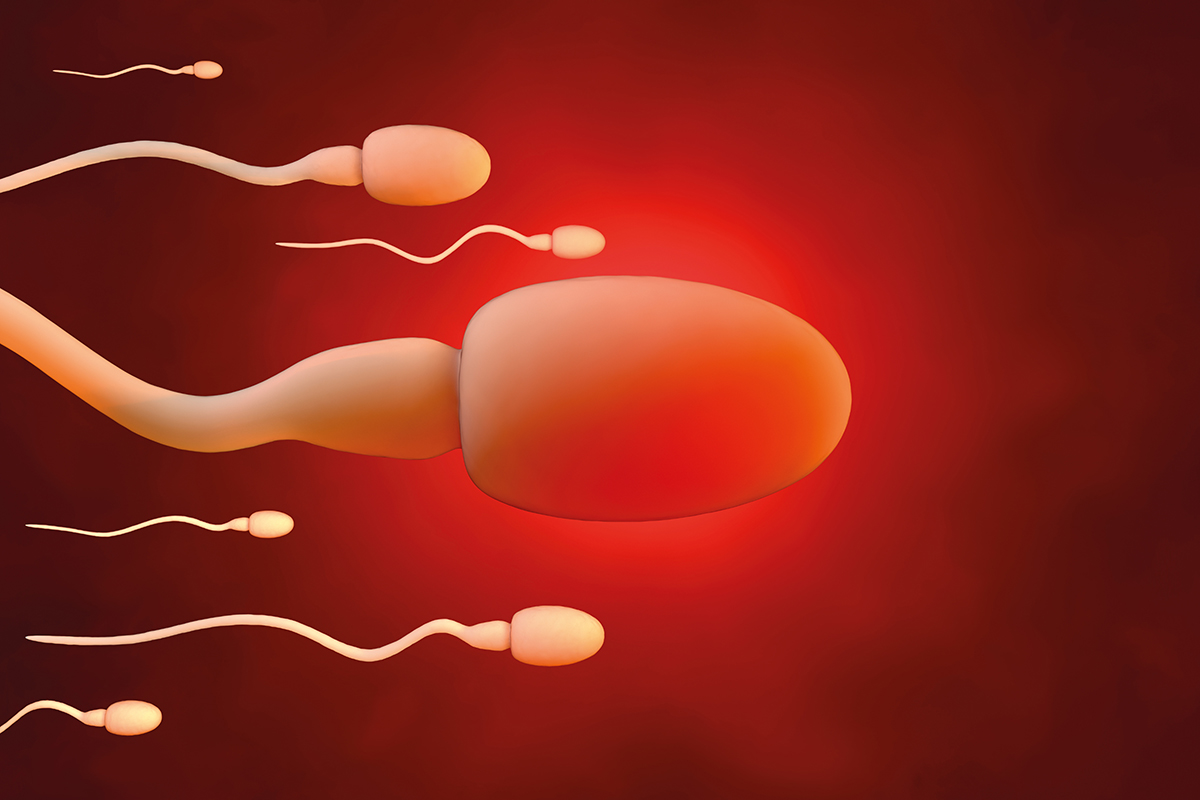
Sperm themselves are microscopic and can’t be seen with the naked eye, so most “sperm problems” men notice are actually changes in semen, the fluid that carries sperm.
Temporary changes can happen due to dehydration, diet, illness, abstinence, or frequent ejaculation.
What matters most is persistent or recurring changes, especially when they’re accompanied by pain, fever, urinary symptoms, or fertility difficulties.
1. Blood in your semen (haematospermia)
Seeing blood in your semen can be alarming, and understandably so. The good news is that in many cases, especially in men under 40, it can be benign and temporary. The bad news? Sometimes it isn’t.
Blood may appear as:
- Pink, red, or brown semen
- Rust-coloured streaks
- Dark clots mixed into semen
Possible causes include:
- Inflammation or infection of the prostate, seminal vesicles, or urethra
- Sexually transmitted infections (STIs)
- Prostate biopsy or medical procedures
- Trauma or injury
- High blood pressure
- Prostate or testicular cancer (rare, but serious)
When to see a doctor:
If it happens more than once, lasts longer than a few weeks, occurs with pain, fever, difficulty urinating, or if you’re over 40, it needs medical evaluation.
2. Dramatic changes in colour
While slight variations can be normal, sudden or persistent colour changes deserve attention.
- Yellow or green semen may indicate infection, including STIs.
- Brown semen can suggest old blood.
- Red or pink semen usually indicates fresh bleeding.
- Clear or watery semen may reflect low sperm count or hormonal issues.
Diet, supplements, and dehydration can influence colour, but these effects are usually mild and short-lived.
When to see a doctor:
If the colour change persists for more than a few ejaculations, or is accompanied by pain, fever, or urinary symptoms.

3. Very low semen volume or “dry” ejaculation
Producing little to no semen, known as hypospermia, can be distressing, especially for men trying to conceive.
Possible causes include:
- Hormonal imbalances (low testosterone)
- Retrograde ejaculation (where semen flows backward into the bladder)
- Diabetes or nerve damage
- Prostate or bladder surgery
- Certain medications (including antidepressants and blood pressure drugs)
Retrograde ejaculation isn’t usually dangerous, but it can signal underlying nerve or prostate problems.
When to see a doctor:
If low volume is sudden, persistent, or associated with fertility problems or changes in orgasm sensation.
4. Thick, lumpy, or unusually gelatinous semen
Semen naturally thickens after ejaculation and then liquefies. But if it remains unusually thick, clumpy, or stringy long after, it could signal dehydration, or something more.
Possible causes include:
- Infection or inflammation
- Prostate issues
- Hormonal imbalances
- Long periods of abstinence
Chronic changes in texture may affect sperm motility, making conception more difficult.
When to see a doctor:
If texture changes persist despite hydration and normal ejaculation frequency.

5. Foul or fishy smell
Semen normally has a mild, chlorine-like scent. A strong, foul, or fishy odour may indicate infection.
Common causes include:
- Bacterial infections
- STIs such as chlamydia or gonorrhoea
- Poor prostate health
Smell changes often accompany other symptoms like pain, discharge, or burning during urination.
When to see a doctor:
Promptly. Infections are easier to treat early and can worsen if ignored.
6. Persistent pain during or after ejaculation
Ejaculation should not hurt. Pain, burning, aching, or sharp sensations during or after climax are not normal and shouldn’t be brushed off.
This kind of pain may be felt in:
- The penis
- Testicles
- Lower abdomen
- Perineum (the area between the scrotum and anus)
Possible causes include:
- Prostatitis (inflammation of the prostate)
- Urinary tract infections
- STIs
- Pelvic floor dysfunction
- Nerve damage
- Previous surgery or radiation therapy
Chronic prostatitis, in particular, is common and often underdiagnosed. It can affect sexual function, fertility, and mental health if left untreated.
When to see a doctor:
Immediately, especially if pain is severe, worsening, or interfering with sex or urination.

7. Fertility problems or abnormal sperm tests
Sometimes sperm problems aren’t visible at all. Men may only discover an issue after months of trying to conceive.
Abnormal sperm parameters can include:
- Low sperm count
- Poor motility (movement)
- Abnormal shape
- High numbers of dead sperm
These issues may be caused by:
- Varicocele (enlarged veins in the scrotum)
- Hormonal disorders
- Obesity
- Smoking, alcohol, or drug use
- Environmental toxins
- Genetic conditions
Importantly, declining sperm quality has also been linked to broader health risks, including cardiovascular disease.
When to see a doctor:
If pregnancy hasn’t occurred after 12 months of regular, unprotected sex, or after six months if the female partner is over 35.
8. Swelling, lumps, or changes in the testicles
Sperm health starts in the testicles. Any physical change should be taken seriously.
Warning signs include:
- A new lump
- Swelling or heaviness
- Dull ache
- Shrinking or hardening of one testicle
Testicular cancer is most common in younger men and often presents as a painless lump.
When to see a doctor:
Immediately. Early detection dramatically improves outcomes.

9. Watery or unusually thin semen
Semen that consistently appears clear, thin, or watery, rather than cloudy and thick, can be a sign that sperm concentration is low.
Because sperm cells give semen much of its opacity, watery semen may indicate oligospermia, a reduced sperm count that can affect fertility.
Occasional thin semen isn’t usually a concern and can happen after frequent ejaculation, dehydration, illness, or fever.
However, when watery semen becomes persistent, it may point to an underlying issue that needs medical assessment.
Possible causes include:
- Low sperm count
- Hormonal imbalances, including low testosterone
- Prostate or seminal vesicle inflammation
- Sexually transmitted infections
- Varicocele (enlarged veins in the scrotum)
- Nutritional deficiencies, particularly zinc
- Lifestyle factors such as smoking, excessive alcohol use, heat exposure, or steroid use
When to see a doctor:
If semen remains watery for several weeks, occurs consistently rather than occasionally, or is accompanied by fertility problems, reduced ejaculate volume, pain, or other sexual or hormonal symptoms, a medical review is recommended.
A semen analysis and basic blood tests can usually identify the cause and in many cases, the issue is treatable once addressed early.
Getting checked
Many men delay seeking help due to embarrassment, fear, or the belief that symptoms will resolve on their own. Others worry about masculinity or fertility stigma.
Doctors are clear: early assessment leads to better outcomes, whether the issue is minor or serious.
Seeing a GP or urologist may involve:
- A physical exam
- Urine and blood tests
- Semen analysis
- Ultrasound or imaging
- STI screening
These tests are routine, confidential, and often reassuring.
Your sperm isn’t just about fertility; it’s also a window into your overall health. While occasional changes can be harmless, persistent abnormalities should never be ignored.
If something looks, feels, smells, or functions differently, especially if it’s painful or recurring, seeing a doctor isn’t overreacting. It’s being proactive.
In many cases, early treatment can restore normal function, protect fertility, and uncover hidden health issues before they become serious.
What happens to your sperm as you age?
- Sperm quality declines gradually: From around age 40, sperm count, movement, and overall quality tend to fall.
- More DNA damage: Older sperm are more likely to carry genetic errors, which can affect fertility and pregnancy outcomes.
- Hormone levels drop: Testosterone declines with age, influencing sperm production, libido, and sexual function.
- Longer time to conceive: Conception often takes longer when the male partner is over 40, even if the female partner is younger.
- Slightly higher risks for children: Advanced paternal age is linked to a small increase in certain genetic and developmental conditions.
- Lifestyle matters more: Smoking, alcohol, obesity, stress, and heat exposure have a bigger impact on sperm as men get older.
Read more:
