TV star diagnosed with oesophagitis – here's what we know about the condition
In the new season of The Kardashians, media personality and businesswoman Kim Kardashian has revealed that she has recently been diagnosed with oesophagitis.
This diagnosis was first revealed in the Season 8 trailer, including a clip of Kim talking to a stylist off camera and saying: “I have something called oesophagitis”, before the shot cuts to her in hospital being hooked up to machines.
With her late father Robert Kardashian passing away on the 30th of September 2003 after being diagnosed with oesophageal cancer just two months earlier, the disclosure of Kim's condition has been especially concerning for fans.
While we'll have to watch the show to learn more about Kim’s health, here's what we know about oesophagitis, including the most common symptoms, risk factors, and the serious complications of leaving it untreated.
- These are the key warning signs your gut health needs attention (and fast!)
- The quiet but deadly cancer symptoms doctors warn are often missed
What is oesophagitis?
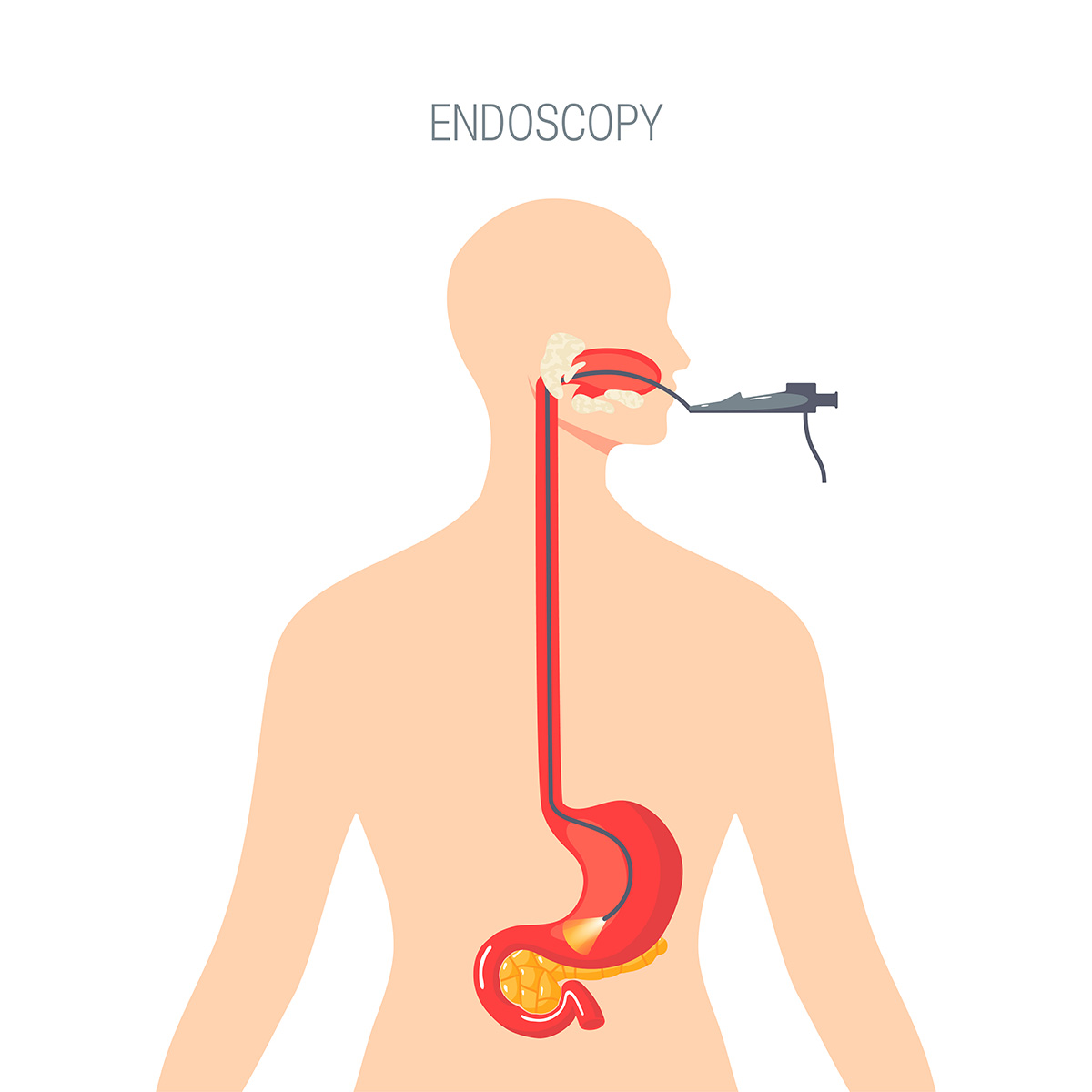
The term oesophagitis refers to the inflammation of the oesophagus. The most common way to diagnose the condition is by performing a gastroscopy (or upper gastrointestinal endoscopy), where a tube with a camera is inserted into the mouth, which goes down the throat and into the stomach, and allows doctors to look at the oesophagus and upper digestive tract. Sometimes a biopsy of the oesophagus will also be taken during the procedure, which will then be analysed using a microscope.
There are several types of oesophagitis, which are as follows:
Reflux oesophagitis
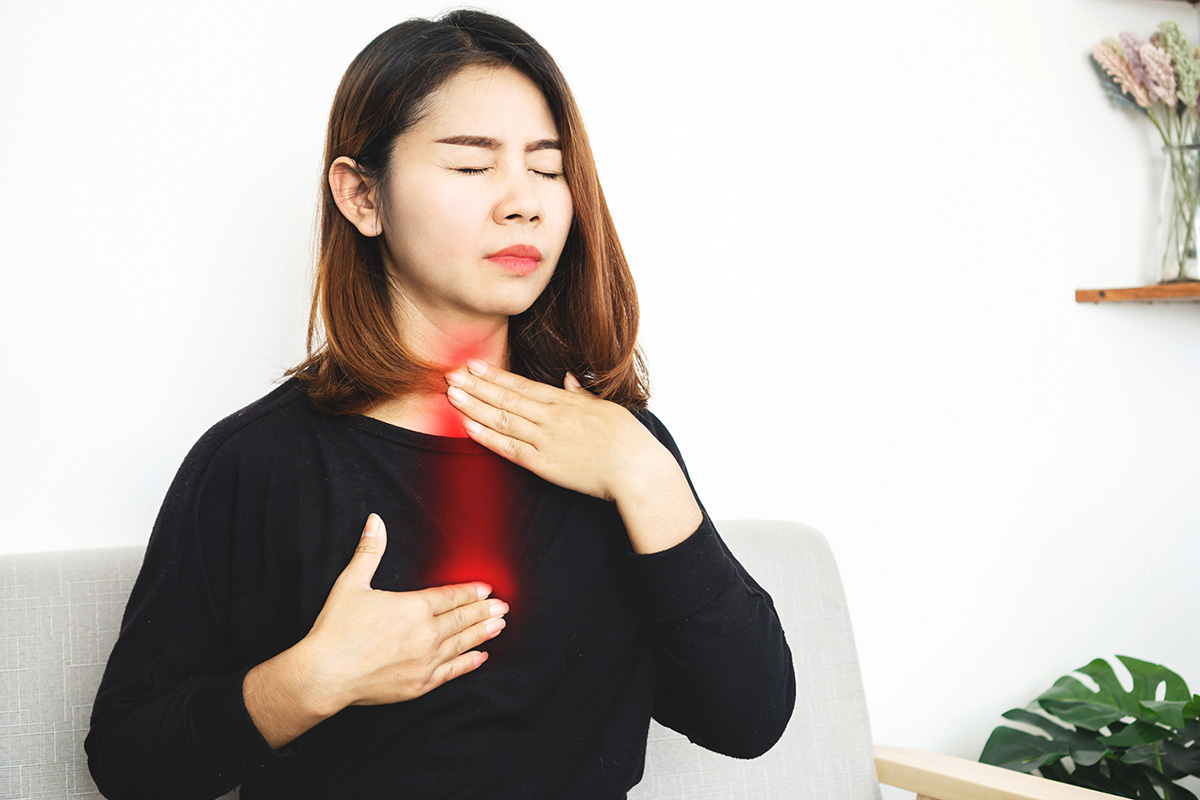
This is the most common cause of oesophagitis and is due to stomach acid moving to the oesophagus and irritating it. Measuring the acidity of the oesophagus can also help confirm this condition if inflammation is difficult to detect through a gastroscopy.
As acid reflux can lead to oesophagitis, people with gastro-oesophageal reflux disease (GORD) are particularly susceptible. GORD is chronic heartburn caused by stomach acid travelling into the oesophagus over a prolonged period. Over time, the ongoing exposure to acid reflux can inflame the oesophagus.
Eosinophilic esophagitis
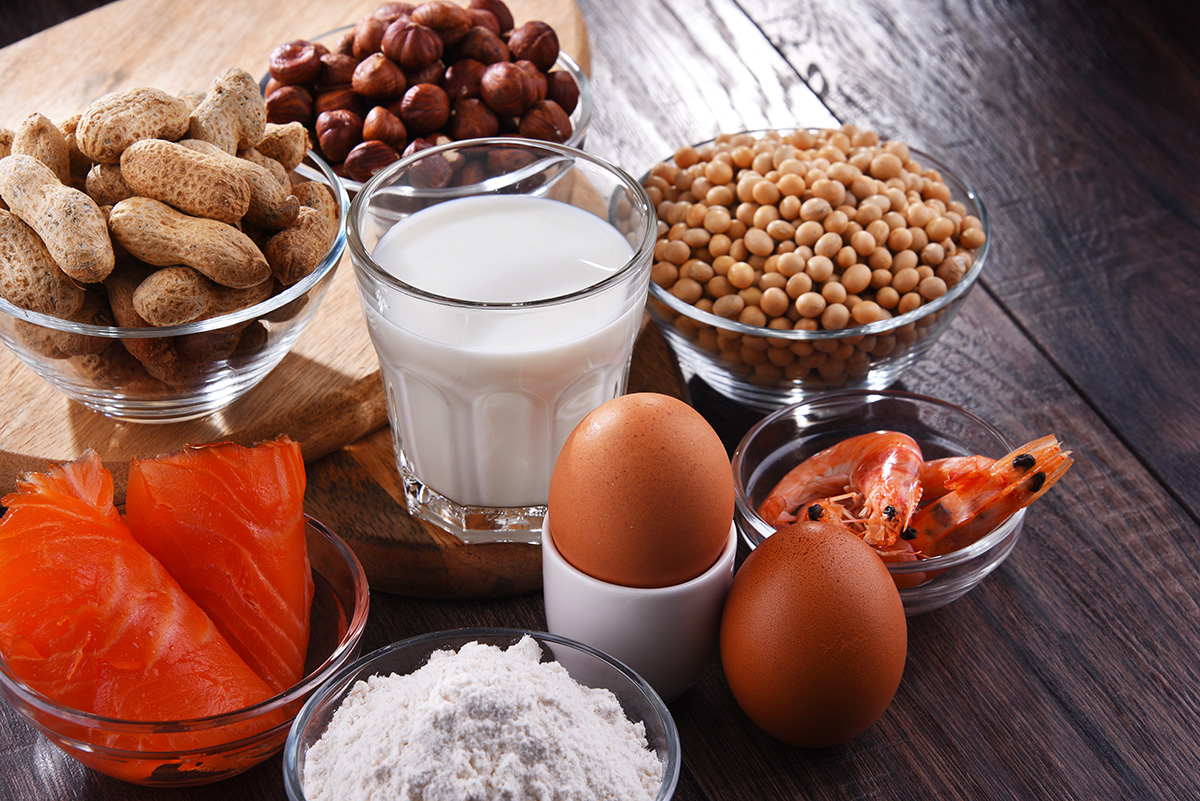
Eosinophilic esophagitis (EoE) is a condition that involves inflammation of the oesophagus due to an overreaction by your immune system to allergens. This can be triggered by seasonal allergens, as well as food allergens such as dairy, wheat, soy, eggs, nuts and seafood.
This form of oesophagitis occurs because the body percieves the allergen as a threat and so releases eosinophils – a type of white blood cell – to attack. These eosinophils can build-up and damage the lining of the oesophagus, over time.
Research suggests that treatment to reduce acid reflux can also improve eosinophilic esophagitis for some, indicating that reflux might also contribute to the condition.
Infectious oesophagitis
As the name suggests, infectious oesophagitis is when the oesophagus becomes inflamed due to an infection. This can include bacterial, fungal and viral infections.
Research shows that bacterial oesophagitis is the least common. Fungal infections are most common and are typically caused by an overgrowth of Candida albicans. This can be caused by antibiotics, conditions such as HIV/AIDS, certain cancers, and medications that suppress immune responses such as steroids.
The herpes simplex virus (HSV) is the main cause of viral infectious oesophagitis. Other viral infections that can also cause oesophagitis include cytomegalovirus (CMV), Epstein-Barr virus (EBV) (which can cause glandular fever), varicella-zoster virus (VZV) (which causes chickenpox and can reactivate as shingles), and human papillomavirus (HPV).
Pill-induced oesophagitis
Certain medications can cause oesophagitis by irritating the oesophageal lining and causing inflammation.
These medications include doxycycline, tetracycline antibiotics and ferrous sulfate (an iron supplement), which become highly acidic when they dissolve in your saliva, and potassium chloride, which can also damage tissue.
Healthline also notes that pill-induced esophagitis can be due to not swallowing the medication lying down or not having enough water to flush it down.
Radiation-induced oesophagitis
This can occur in people undergoing radiation treatment to fight cancer, particularly when the radiation is directed to or near the chest area. The cancers that most associated with radiation-induced oesophagitis includebreast cancer, lymphoma, and lung cancers, according to Healthline.
Radiation therapy can produce free radicals, which are unstable molecules that damage healthy cells. Free radicals can therefore cause inflammation and damage to the lining of the oesophagus.

What are the symptoms?
Oesophagitis can cause a number of symptoms. The most common ones include:
- Difficulty swallowing (dysphagia)
- Painful swallowing (odynophagia)
- Sore throat
- Acid reflux
- Heartburn (which may get worse after eating or when you lie down)
- The sensation of food being stuck in your throat or chest
- Feeling sick and/or vomiting
- Cough
Many of these symptoms occur with other conditions, so if you’re concerned, it’s definitely worth making a GP appointment to get to the bottom of what’s causing them.
You should also speak to a doctor if your symptoms don’t improve after a few days or worsen, if they make eating difficult, or if they come with other symptoms such as a headache, muscle aches or fever.
If you experience any of the following symptoms, seek urgent medical attention:
- Chest pain that doesn't go away after a few minutes, or if you have previously been diagnosed with heart disease, high blood pressure, or diabetes
- Shortness of breath
- Food lodged in your oesophagus
- Excessive vomiting or vomiting blood
- Blood in stool (stools will appear black and tarry)

Risk factors of oesophagitis
There are many factors that increase your risk of developing oesophagitis.
As acid reflux is the main cause of oesophagitis, people who frequently experience reflux or have GORD have an increased risk of getting the condition. Additionally, spicy, acidic and high-fat foods, fizzy drinks, caffeine and alcohol can trigger acid reflux and make oesophagitis more likely.
Other factors include:
- Smoking
- Medications such as antibiotics and iron supplements – especially when consumed without water or when lying down
- If you are overweight or obese
- Having allergies (seasonal or food allergies)
- Being immunocompromised
- Radiotherapy
Some of these factors cannot be helped – for example, if you have a compromised immune system, take certain medications or are undergoing radiotherapy. However, there are some steps you can take to help prevent oesophagitis.
Avoiding foods and drinks that cause you acid reflux, lowering your alcohol intake and quitting smoking can lower your oesophagitis risk. Medicines that treat acid reflux can also help with symptoms.
If you suffer with eosinophilic esophagitis, you can reduce your risk by identifying and avoiding allergens you’re sensitive to.
A 2019 study also revealed that being overweight increases your risk of oesophagitis, and being obese makes the risk even greater. This is because belly fat can put pressure on the stomach, which increases the chance of stomach acid rising into the throat. Maintaining a healthy weight with a balanced diet and regular exercise can therefore help lower your oesophagitis risk.
Can oesophagitis increase the risk of oesophageal cancer?
In some serious cases, chronic oesophagitis can increase your risk of oesophageal cancer.
Research has shown that individuals with ongoing acid reflux (GORD) were more likely to develop Barrett's oesophagus, which is when cells in the lining of your oesophagus change. This condition is linked to a higher risk of oesophageal cancer. However, it is important to note that this rare.
Read more: