
The cold and flu symptoms you should never ignore, warns doctor
Are you someone, who, at the first sign of a sniffle, declares you have the flu? Or do you need to be bed-bound before you can state you’ve officially caught it? And how do you really know the difference between a cold and flu, anyway?
As we head deeper into sniffle-season, doctors explain exactly what the difference is between a common cold and influenza, when you need to seek medical help and when you just need a box of tissues and some sofa-time.
- Always run-down? These surprising foods will give your immune system a boost
- How your bum shape could signal diabetes risk, according to study
What are the main differences between the flu and a cold?
The difference between a common cold and the flu, according to NHS guidelines, is, a cold will mainly affect your nose and throat. You’ll feel off-colour but can still do most normal activities. Whereas the flu will knock you out, bringing with it a range of symptoms like a sudden high-temperature, aches and pains, feeling exhausted, sore throat, dry cough, headache, difficulty sleeping and loss of appetite.
‘Flu is a particularly nasty and debilitating illness,’ explains Kent-based GP, Dr Anna Langridge. ‘It starts with a high fever, and patients are usually bed-bound with it.’ She says you can expect to take a week to 10 days to come out the other side of it and in some cases, longer. ‘It is quite common to feel wiped out for many weeks afterwards,’ she says.
By contrast, a cold is more common and can vary in severity. ‘The symptoms usually come on gradually and generally affect the upper airways, so cause a blocked nose, sneezing, nasal congestion and a cough. It is common to feel a bit tired and under the weather, but most people can soldier on through and shake it off in a few days,’ she says.
She also cautions; the flu can linger for much longer than you expect and even affect you mentally. ‘After the flu, my patients tell me they can feel quite depressed and low, this has overlap with post-viral fatigue and can be hard to cope with. It seems to give our immune systems such a workout fighting it off, patients can feel they have no energy left afterwards,’ she says.

So, how can you tell if you have the flu?
Still not sure whether it’s a cold or flu? The main way to self-diagnose, is the speed it comes on – a cold will creep up slowly, whereas the flu will hit quickly, with much more severity. ‘The flu comes on quite suddenly and dramatically,’ says Anna. ‘The first sign is often a high fever, which people do not generally get with a cold. The muscle aches can be really painful and if you are struggling to do anything other than lie around at home, you may well be suffering from the flu.’
If you are in hospital, medics would swab for flu and Covid, whereas GPs tend to diagnose on symptoms.
Do you always need to go to the doctor?
The short answer is no, usually you can treat flu at home, with rest and sleep, making sure to keep warm and drink plenty of water to avoid dehydration. The old tried and tested remedies work, says Anna. ‘Unfortunately, there is no real treatment for the flu other than supporting your immune system whilst you fight it off,’ she says. ‘The old wives’ remedies of fluids, lemon and honey, paracetamol and ibuprofen (if it is safe for you to take these and they agree with you) and rest, are in fact wise and correct.’
However, she urges you should always seek medical help if you are experiencing complications, or if you’re a parent, worried for your child. ‘I would always be happy to see a worried patient and ones with an unwell child,’ says Anna. ‘The flu can give you certain complications such as a pneumonia or even sepsis, so it is very important to be seen if you are not improving or getting worse.
‘Some of these complications do need treatment from your doctor,’ she says. ‘And some ‘red flag’ signs such as a rash, which doesn’t fade when a glass is rolled over it, stiff neck (although this can be a common symptom) or not liking the light, raises worries about a different infection like meningitis and would need to be seen urgently.’

How do you treat the flu?
As Anna explains, the first thing you need to do, if suffering from the flu, is rest. Take to your bed, keep warm and use paracetamol or ibuprofen to lower your temperature and help with aches and pains. Remember to keep fluid intake high enough – your urine should be light yellow, or clear.
‘Keep you or your child at home with the flu and with a cold, if you are feeling unwell,’ says Anna. ‘This gives the immune system the best chance to recover on its own. Take paracetamol and ibuprofen and rest, read and sleep. Don’t forget to drink plenty of fluids; this could be squash, soups, juice or milkshakes.
‘If you have underlying health conditions such as diabetes, know that flu or a cold can affect this and therefore staying at home and looking after yourself can help you manage this,’ she says, adding you should speak to your GP or specialist nurse, in that case, for advice.
When you should you seek urgent help?
According to NHS guidelines, you should seek help for the flu if you are 65 or over, pregnant, have an underlying or long-term medical condition; have a weakened immune system; or if your symptoms do not improve after seven days.
Parents should also seek help if concerned. ‘With children they can tolerate an illness for a while before deteriorating and it can be hard to know when to worry and seek advice,’ says Anna. ‘If in doubt, take them to be seen either to your GP, call 111 or go to the paediatric emergency department if you are concerned.’
If your child is, ‘floppy and not responding as normal; passing less urine or has a high temperature which is not coming down with Calpol or ibuprofen, they should be seen,’ she cautions. ‘As GPs we are always happy to review a child, so do not worry about ringing and booking your child in; we are happy to advise.’

What are the different types of flu?
Flu is caused by the influenza virus and according to the World Health Organisation, there are around a billion cases of seasonal flu every year. There are four types of influenza viruses – type A, B and C affect people and type D mainly affects livestock.
The flu is spread by coming into close contact with an affected person and inhaling tiny droplets carried through coughs and sneezes. Symptoms generally start one to four days after infection. The good news is, your immune system is designed to fight it off, but the bad news is it’s highly infectious. If you are run down, or immuno-compromised, you’re much more likely to catch and be affected by the flu, therefore, the best prevention is though keeping healthy and vaccination.
Covid, meanwhile, is caused by the SARS-CoV-2 virus and the WHO advises most people now infected with the virus, ‘will experience mild to moderate respiratory illness and recover without requiring special treatment.’ However, ‘older people and those with underlying medical conditions like cardiovascular disease, diabetes, chronic respiratory disease, or cancer are more likely to develop serious illness.’
How to avoid spreading the flu
You’d think we’d all know, having been through Covid, but the flu is highly contagious and easily spread by coughs and sneezes. It’s more infectious in the first five days and germs can live on hands and surfaces for 24 hours. If you have the flu, try to reduce the risk of it spreading by staying at home and avoiding contact with others, washing your hands often with warm water and soap, covering your mouth and nose when you cough or sneeze and disposing of used tissues immediately.

Do we need flu vaccinations?
In the UK, the NHS offers flu vaccines to those aged 65 or over; have underlying health conditions; are pregnant; live in a care home or are the main carer for an older or disabled person or live with someone with a weakened immune system. ‘In the UK we offer flu vaccination every autumn to those at risk,’ says Anna. ‘Flu can be a really unpleasant illness, so it is a good idea to take up your flu vaccine if offered, as it does offer good protection and avoids hospital admission and worsening symptoms if you were to catch it.’ While you still might catch the flu after having a vaccine, it’s likely to be milder and not last as long.
What about Covid?
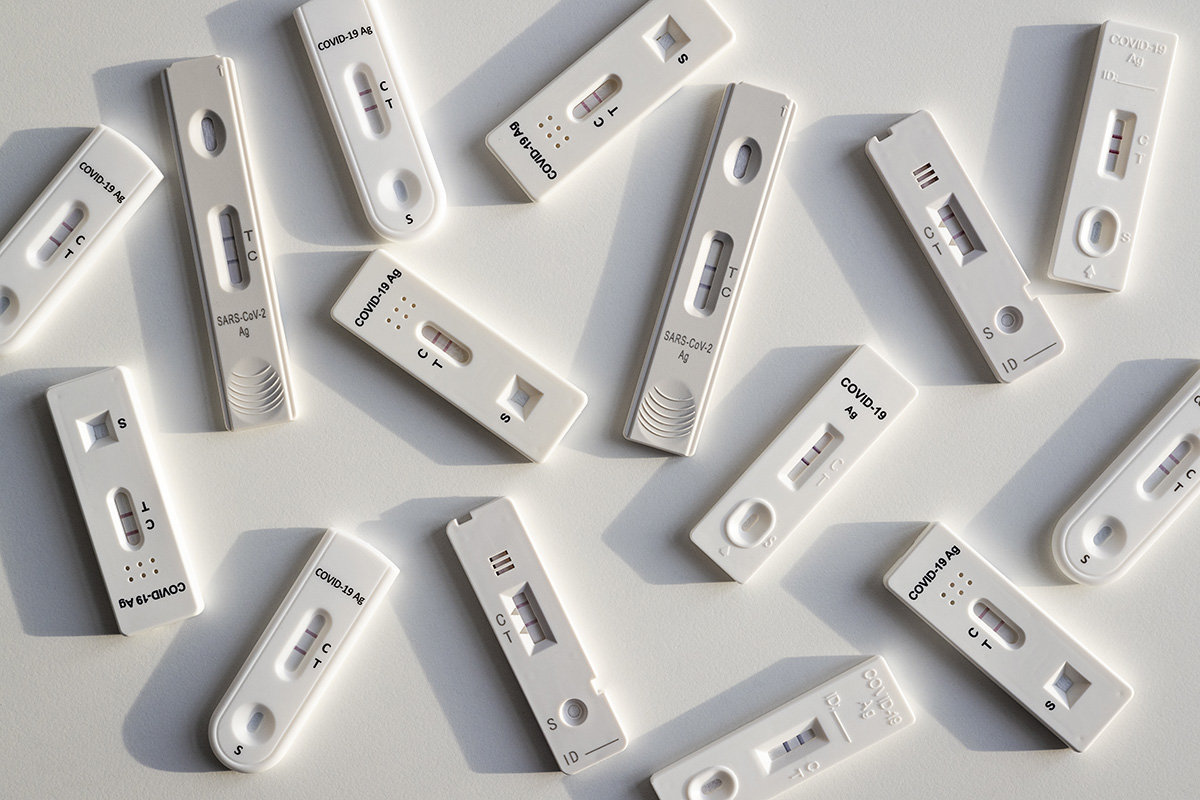
Most people wouldn’t know if they had Covid, or the flu, any longer, unless they test for it. According to the WHO, symptoms of Covid include: a fever; sore throat; cough; muscle aches; fatigue; headache; sore eyes; rash; dizziness; diarrhoea; shortness of breath and loss of taste or smell. Treatment is the same as the flu and it’s advised patients seek urgent help if symptoms get worse, or they suffer: difficulty breathing; confusion; drowsiness and chest pain.
Covid vaccines are currently offered in the UK to those who are aged 75 or over; with weakened immune systems or live in a care home.
Cold remedies which work
There’s no cure for a cold, but these tips will make you feel better, according to the Mayo Clinic
- Drinking plenty of fluids: Water, juice, broth or lemon and honey helps loosen congestion and stop you feeling dehydrated.
- Rest: Your body needs rest to heal.
- Vaporisers and humidifiers: Adding moisture to the air can help ease stuffiness.
- Salt-water gargle: This can relieve a sore throat.
- Ice-cubes and lozenges: Similarly, sucking ice-cubes, lozenges, or using sore throat sprays, can temporarily soothe sore throats.
- Saline nasal drops and sprays: These can relieve stuffiness.
- Paracetamol and ibuprofen: Use to reduce temperature and relieve pain.
Read more:
