
We’ve all taken an antihistamine to ease the itch of a mosquito bite or the sneezing fit of a hay fever attack. But histamine doesn’t just emerge in allergic reactions; it’s essential to many of our bodily functions. That’s why histamine intolerance can be such a debilitating condition, affecting virtually every system in the body.
According to Nicola Williams, registered dietitian and founder of The Dietary Edit, the symptoms can be surprisingly widespread. ‘People with histamine intolerance can experience widespread, allergy-like symptoms, such as bloating, diarrhoea, flushing, headaches, itching, nasal congestion, or palpitations despite having normal allergy tests,’ she explains.
This isn’t just about watery eyes and skin rashes. Histamine intolerance can also cause insomnia, low blood pressure, anxiety and shortness of breath. And while searches on this topic have increased by 200% over the past decade, many aspects of the condition still remain a mystery with no reliable form of diagnostic test available.
We spoke to dieticians to learn more about more this significantly underdiagnosed condition.
- This overlooked nerve is your body's built-in "reset button" - here's how to use it
- Slept 8 hours but still tired? Expert explains the worrying reason why
What is histamine?
‘We tend to only hear about histamine in relation to allergies, but in the right amounts, it’s doing important work behind the scenes every day,’ says celebrity nutritionist and founder of GP Nutrition, Gabriela Peacock. ‘It’s something we all naturally produce and is actually essential for good health.’
This natural chemical plays a key role in how our cells communicate, regulating our immune system and digestion.
‘Histamine is made from an amino acid called histidine and acts as a chemical messenger,’ explains Williams. ‘Different tissues respond to histamine in different ways, depending on where it’s released and which receptors it acts on. This is why histamine can be helpful in some situations and problematic in others.’
Histamine helps defend your body from parasites and infections by signalling to your immune system that there is a threat, increasing blood flow and inflammation to fight off the invader. This comes in handy when protecting you from toxins, but less so when overreacting to harmless substances. Histamine can be a little dramatic when it comes to pollen, for example, which is what causes hay fever symptoms.
But it doesn’t just affect the immune system. ‘In the digestive system, histamine is key,’ Williams continues. ‘Cells in the stomach release histamine to trigger the production of stomach acid. This acid helps break down protein and acts as a barrier against bacteria entering the gut with food.’
We don’t just produce histamine ourselves; we also ingest it through food. For this reason, histamine intolerance is classified as a ‘pharmacological food hypersensitivity’ rather than a food allergy, as we need a certain amount of it to function.
Chloe Hall, The Calm Gut Dietitian, says it’s a vital part of our chemistry: ‘It's involved in stomach acid secretion, inflammation, changes in blood pressure and muscle contraction.’
Histamine intolerance explained
Histamine is a necessary part of our digestive system, so what goes wrong in people with an intolerance? Their histamine levels rise too high.
‘In simple terms, there’s more histamine coming in than the body can clear away,’ explains Williams. ‘Histamine affects how the gut moves. How much mucus it produces, how blood vessels behave in the gut wall, and how pain signals are sensed.’
‘In normal amounts, this helps digestion run smoothly and supports the gut’s immune defences,’ she continues. ‘Problems tend to arise when histamine levels are higher than the body can comfortably handle. This can contribute to symptoms such as abdominal pain, bloating, diarrhoea, nausea or reflux. Histamine in the gut may come from the body itself, from certain foods, or from gut bacteria that can produce histamine during digestion.’

The issue with histamine lies in how our body breaks it down; the body relies on two main enzymes to do this:
- Diamine oxidase (DAO): ‘This enzyme is mainly active in the gut,’ says Williams. ‘Particularly in the lining of the small intestine. Its job is to break down histamine from food before it’s absorbed into the bloodstream. You can think of DAO as a gatekeeper that limits how much dietary histamine gets into circulation.’
- Histamine- N-Methyltransferase (HNMT): ‘This works inside cells throughout the body,’ says Williams. ‘Including the gut, skin, lungs, kidneys, and brain. HNMT clears histamine that’s been released within tissues rather than from food.’
‘In a healthy system, these two enzymes work in the background,’ explains Williams. ‘Keeping histamine levels low even when you eat normal foods.’ However, if these enzymes don’t work properly, it causes a build-up in histamine, and it’s this excess that can trigger a whole host of distressing symptoms.
Symptoms of histamine intolerance:
- Abdominal pain
- Bloating
- Diarrhoea
- Headaches
- Nausea or vomiting
- Digestive problems
- Migraines
- Fatigue
- Flushed face
- Nasal Congestion
- Hives or itchy skin
- Dizziness
- High blood pressure
- Insomnia
- Swollen throat, lips or tongue
- Irregular or faster heart rate
The low histamine diet guide
Histamine increases with time, so the storage and freshness of food are the most important things to consider when practicing a low histamine diet.
‘Histamine forms when bacteria break down an amino acid called histidine,’ says Williams. ‘That happens most when food is fermented, aged, cured, or starting to spoil. This is why histamine levels can vary hugely between brands, batches, and even how food is stored at home.’
‘There is a lot of confusion online about what is low histamine,’ adds Hall. ‘As there is no 'gold standard' food list and some are much more restrictive than they need to be when we look at the evidence. This is why I would always encourage anyone trying a low histamine diet to work with a registered dietitian who is experienced in this area.’
Genny Masterman, founder of Histamine Intolerance Awareness, lists the following fail-safe advice to anyone dealing with the intolerance:
- Avoid canned foods and ready meals
- Avoid ripened or fermented foods (alcoholic drinks, yeast & old cheeses)
- Only buy fresh products
- Keep food refrigerated – don’t let it linger on the side for too long
Though it’s impossible to completely cut histamine out of your diet, there are foods that are reported to have higher histamine levels. Hall warns you to be wary of long lists of ‘high histamine’ foods as levels can vary greatly due to how they’re stored – but staying clear of aged or fermented food is a good place to start.
Foods highest in histamine
- Aged and fermented fish
- Pickled or canned foods
- Matured cheeses
- Shellfish
- Ready meals
- Cured meats
- Fermented vegetables
- Soy products
- Alcohol
- Citrus juices
- Long-stored nuts (e.g. peanuts, cashew nuts, almonds, pistachios)
- Meat alternatives like Seitan
- Spinach
- Aubergine
- Grapes
- Tomatoes
- Rice vinegar
So, what does a low histamine diet look like? Think fresh ingredients with minimal intervention.

Foods lowest in histamine
- Fresh meat (chicken, beef & lamb)
- Fresh white fish (hake, trout, plaice)
- Egg
- Non-fermented diary (mozzarella, cream cheese, cottage cheese, butter, fresh pasteurised milk)
- Most fresh fruits and vegetables
- Leafy herbs
- Grains
- Oats
- Pasta
- Herbal teas
- Cooking oils
The way that you cook the food may also make a small difference to the histamine levels. ‘Boiling may slightly reduce histamine in some foods,’ adds Williams. ‘While frying and grilling can increase it, storage and freshness matter far more.’
Lifestyle factors can also make a difference
Daily habits outside of dietary choices can also significantly impact histamine levels in the body. ‘Factors like stress, sleep and hormones can all play a huge role,’ says Hall. ‘I often describe to patients that their body is like a bucket, and different things are going to fill their 'histamine bucket' up at different rates.’
Stress
Symptoms of histamine intolerance can flare up in stressful situations, as adrenaline and cortisol activate the release of histamine. ‘Both short-term and ongoing stress change histamine activity in the brain and the body,’ explains Williams. ‘Under stress, histamine turnover increases in certain brain areas linked to anxiety and alertness. Chronic stress also affects mast cells, which are one of the main sources of histamine.’
Sleep and circadian rhythm
‘Histamine follows a daily rhythm,’ says Williams. ‘Levels tend to rise overnight and in the early morning, which is one reason symptoms like itching, nasal congestion or asthma can feel worse at night. Poor sleep, shift work or irregular sleep patterns can flatten this rhythm and increase overall histamine activity in the brain.’
This catch-22 of how poor sleep can trigger histamine release and elevated histamine levels can worsen insomnia, creates a vicious cycle that perpetuates feelings of chronic fatigue and poor mental health. ‘Studies show that sleep deprivation increases histamine signalling and affects mood and anxiety,’ continues Williams. ‘Which again mirrors what many people report when they’re overtired.’
Hormones
Hormones also play a role: oestrogen can cause a spike in histamine, while progesterone – the hormone that prepares the uterus for pregnancy and balances oestrogen – prevents histamine build-up. ‘There’s evidence that histamine signalling differs between sexes,’ says Williams. ‘Many women notice symptoms fluctuate across the menstrual cycle or around perimenopause and menopause.’
Hall adds, ‘At times of high oestrogen e.g. just before ovulation, women may find they are more sensitive to high histamine foods. Progesterone may also help stabilise mast cells, preventing excess histamine release.’ This means that women tend to struggle more with histamine intolerance during perimenopause.
It also affects our nervous system
As a neurotransmitter in the brain, histamine impacts way more than just our gut. ‘It plays a role in wakefulness, attention, appetite, learning and memory,’ explains Williams. ‘Histamine levels naturally fluctuate across the day and are highest when we are awake and alert.
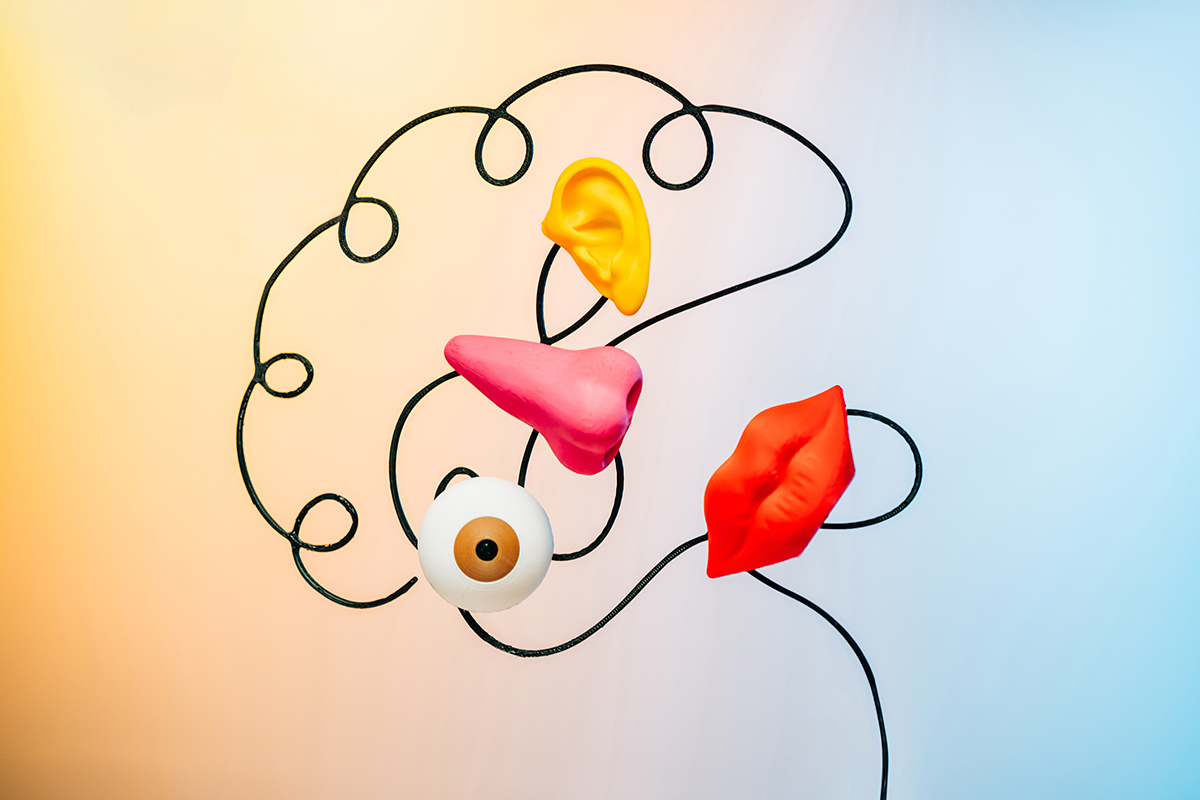
‘In the brain and nervous system, histamine also interacts with pain perception and how the brain responds to stress or illness. This helps explain why histamine-related issues can be linked with symptoms such as headaches, poor sleep, brain fog or fatigue.’
Symptoms of histamine intolerance can vary from person to person. For example, it doesn’t always drive inflammation. Williams says, ‘In some contexts, it helps calm immune responses and supports tolerance.’ Whether histamine helps balance the immune system or causes inflammation depends on the amount present and the receptors involved.
‘This explains why histamine-related symptoms don’t always look like classic allergies,’ continues Williams. ‘And why standard allergy tests are often normal in people who struggle with histamine intolerance–type symptoms.’

Who should try this diet?
Though this condition is extremely hard to diagnose, studies report symptom improvement in over 70% of people who practice the low histamine diet. Still, Hall says that there is a lot to learn as it's a relatively new area of research.
‘There is not one test that can tell someone if they have histamine intolerance,’ she explains. ‘And awareness is still lacking amongst health professionals. You can test DAO levels in the blood, but this doesn't always correlate with the level of DAO activity in the gut, and levels can change depending on the time of day or where a woman is in her menstrual cycle so it can't be used as a conclusive test for histamine intolerance.’
For this reason, histamine intolerance is usually a diagnosis of exclusion. Williams notes that clinicians will typically:
- ‘Rule out food allergy, mast cell disorders, and gut conditions like coeliac disease or inflammatory bowel disease’
- ‘Look for patterns of symptoms across more than one system, such as digestive symptoms alongside skin reactions, headaches, flushing, palpitations, or nasal symptoms, often linked to meals’
- ‘Use a structured low-histamine diet for a short period, usually 2 to 4 weeks, to see whether symptoms clearly improve’
- ‘Sometimes reintroduce higher-histamine foods to check whether symptoms reliably return’
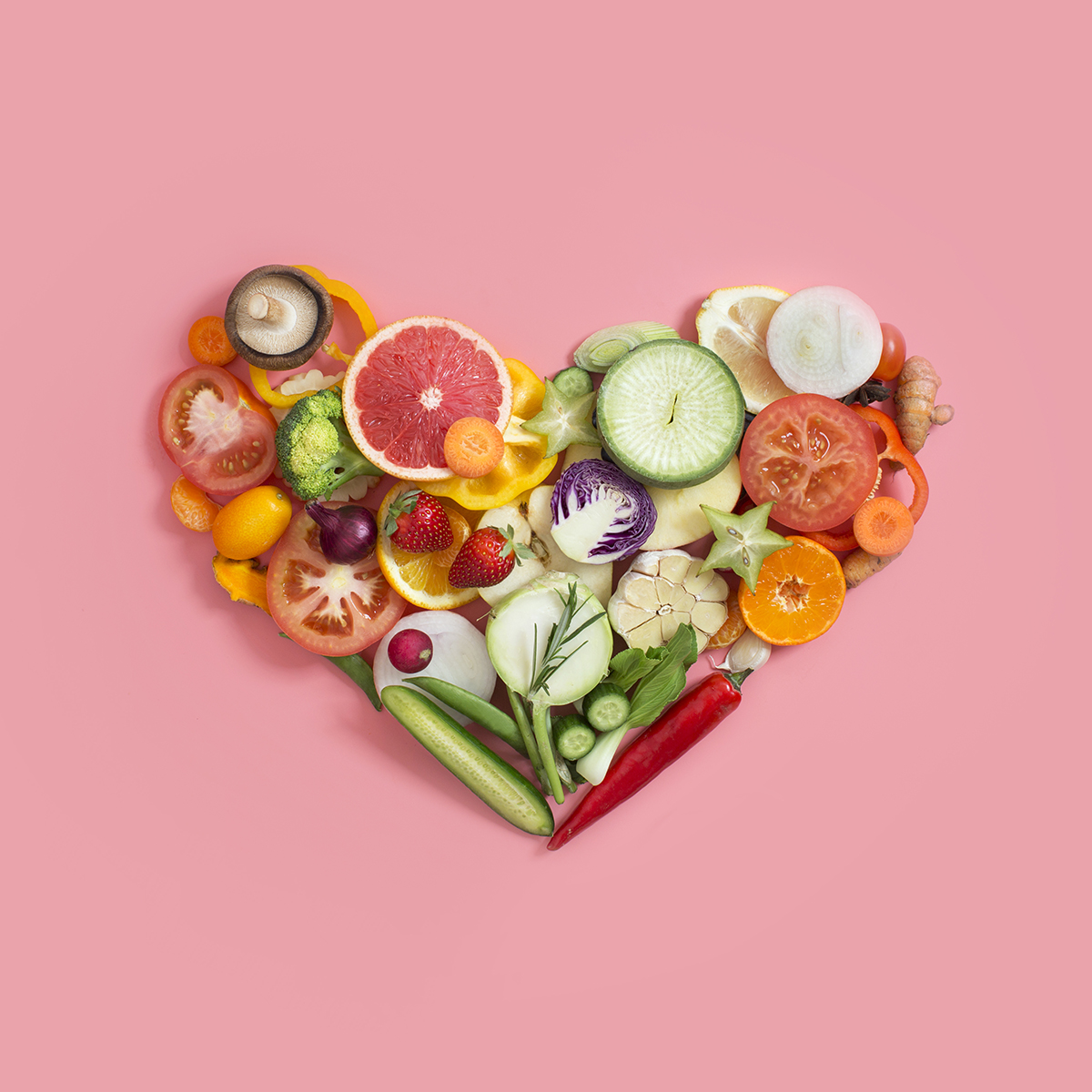
Currently, the most reliable way to diagnose histamine intolerance is through a short-term trial of the low histamine diet.
‘This should be done for 2-4 weeks followed by a gradual introduction of higher histamine foods to assess someone's tolerance level,’ explains Hall. 'Many histamine intolerance symptoms such as hives, gut symptoms, fatigue, urinary symptoms can be due to other reasons, so it’s important that anyone with these symptoms discusses them with a Health Professional first to ensure that other causes are ruled out.’
‘The low histamine diet can be helpful for people experiencing ongoing unexplained symptoms like headaches, digestive discomforts or allergy-type reactions that don’t seem to have a clear cause,’ explains Peacock. ‘It’s always worth giving it a try it you are unsure. That said, it’s not meant to be a long-term or restrictive way of eating. The aim is to calm things down, support the gut and the body as a whole, and then carefully reintroduce foods so the diet remains as varied and enjoyable as possible.’
When following a low histamine diet, remember that completely eliminating histamine is impossible. The goal is to reduce histamine levels through dietary changes, rather than rigidly avoiding a long list of foods. Because histamine intolerance varies from person to person, finding the right approach requires trial and error to effectively manage your symptoms.
Disclaimer: This article is for informational purposes only and does not replace medical advice. Always consult a qualified healthcare professional if you experience concerning symptoms.
Read more:
