
Summer is a particularly busy time of year, with the warm weather encouraging people to get out and make more plans. But if a jam-packed social calendar of barbecues, picnics and pub trips is making you feel burnt out, it's important not to neglect self-care.
Luckily, we've got just the cure for a drained social battery – a wellness retreat! It's the perfect opportunity to take some time for yourself, reset, and reflect on your summer so far.
Can’t make it to Bali? No sweat – we spoke to the top wellness retreat hosts across the globe who share how to bring the transformative magic of a retreat to your home for the ultimate reset.
- Slept 8 hours but still tired? Expert explains the worrying reason why
- Here's why owning a dog could add years to your life
Meet the pioneers of wellness
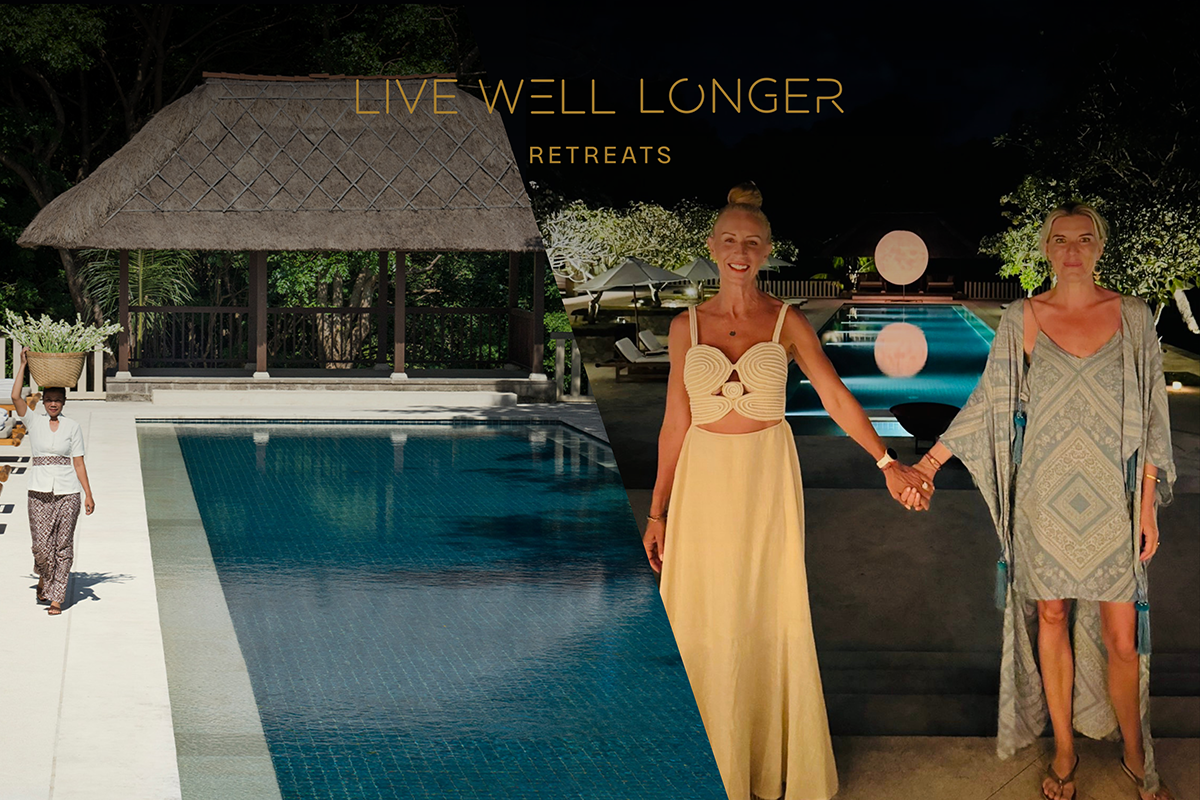
Camilla Thompson & Azra Alagic | Live Well Longer Retreats
Co-hosts of world-renowned longevity programs, which blend ancient healing practices with modern biohacking science. Thompson emphasises that ‘the biggest takeaway isn’t what happens during the retreat. It’s what you take home.’

Anna Bjurstam | Six Senses
Bjurstam blends quantum science and holistic health in her programs at Six Senses spas across the globe, which focus on harmonizing mind, body and spirit, while unlocking lasting vitality.

Aashica Khanna | Ananda Spa
Khanna is executive director of Ananda Spa, an award-winning luxury destination wellness resort set in the serene Himalayan foothills of Northern India. She designs immersive experiences that integrate holistic well-being, sustainability, and mindful living.

Marilia Chamon | Gutfulness Nutrition
Nutritionist and founder of The Gutfulness Method, Chamon co-hosts The Whole Body Reset retreat with Clarissa Lenherr, which offers individualised and science-backed support to improve digestion and overall wellness through a whole-body approach.

How to get into retreat mode at home
The rhythm, structure and scenery of a wellness retreat can psychologically break you out of your monotonous routine and spark genuine transformation.
According to Bjurstam, you can also bring these subtle shifts into your home too: ‘Start with two to three anchor habits — maybe morning movement, a tech-free lunch, and an evening wind-down. Put them in your calendar and treat them like sacred appointments. Routines don’t have to be rigid, but they do need consistency. And when designed well, they feel less like an obligation and more like self-care rituals.’
Wake up fifteen minutes earlier to sit quietly with a herbal tea, take a lunchtime walk through a park you’ve never explored or spend a few minutes stargazing in the garden before bed. Small acts like these gently shake up your routine, bringing a sense of newness into your everyday.
‘True wellness extends beyond a location,’ says Khanna, ‘It is a way of living with awareness and discipline. Rising early, maintaining a simple routine, eating according to one’s body type, and setting aside time for meditation or breathwork bring structure and calm. While the environment at Ananda is designed to accelerate transformation, its principles come from timeless sciences like Ayurveda, Yoga, and Vedanta, which are inherently practical.’
Though the practices may be easy enough to replicate at home, but the real secret lies in learning how to show up for them.
‘Create a loose rhythm over a strict schedule’, says Thompson. ‘Set your phone to ‘Do Not Disturb’ and let people know you're in “retreat mode”. Honour that boundary — you’ll be amazed at the reset it offers.’

How to keep up new habits when life gets busy
Establishing new healthy habits at home can feel impossible – competing with the quicksand of an ever-growing to-do list or the tractor beam of your latest Netflix binge. But there are ways to ensure your wellness routine lasts.
According to Khanna, the key is to allow habits to seep into your subconscious: ‘When these moments become habitual, wellbeing becomes part of daily life rather than a temporary retreat.’
‘For me, sustainability comes from meaning,’ says Chamon. ‘You need to know why you want a habit to stick. When the reason behind it feels personal and important, consistency becomes much easier.’
She also suggests starting small – picking one or two habits that you’re excited to try first. ‘Once they become second nature, you can layer on more. The biggest mistake people make is trying to change everything at once.’
Thompson believes that interweaving wellness practices with your usual routine is the best way to ensure longevity. ‘As a retreat co-host, I’ve seen time and again — change doesn’t come from grand gestures, it comes from small, consistent choices. That’s how transformation lasts.’
She recommends stacking your habits to seamlessly integrate them into your lifestyle: ‘Journal while your tea brews, meditate before you check your phone, read instead of scrolling at night.’
You can also incentivise your wellness routine. ‘Create rituals and pair them with a sense of reward,’ says Bjurstam. ‘Practice delayed gratification — “If I do this, then I get that.” Be disciplined in the beginning, but celebrate small wins, and don’t beat yourself up when life happens. Just get back on the horse.’

Top five biohacks to try at home
The following biohacks are utilised by Camilla Thompson & Azra Alagic on the Live Well Longer Retreats. Incorporate them into your daily routine to tune into your zen and reset your nervous system.
- Journaling
Before you dive straight into goal setting, take a pause for reflection. Journaling is a great way to organise your thoughts, whether through a stream-of-consciousness or guided prompts.
Alagic suggests trying this exercise:
- ‘Write down the moments from your holidays that felt good - the food, the people and the moments where you felt grounded.
- ‘Next, note down what left you feeling drained and stressed. This contrast reflection highlights what your nervous system needs for the new year ahead.’
- Barefoot grounding
Reconnect with nature by walking barefoot outside, whether on the grass or the beach – the simple act of feeling nature beneath your feet reduces stress.
- Breathwork
Box breathing is simple yet incredibly effective for calming the nervous system: inhale 4, hold 4, exhale 4, hold 4.
‘This is such a powerful practice that quickly activates the vagus nerve,’ says Alagic. ‘The key pathway between your brain and body that regulates mood, digestion and heart rate.’
- Nature time
No matter where you live, prioritise getting out into nature – take a stroll in your local forest. Even a short daily walk in nature reduces cortisol levels and has grounding effects.
- Sound Therapy
Sounds can have profound healing and calming effects. Yin yoga, meditation, or even a calming playlist.

Simple morning and evening rituals that work
‘Rituals are more than routines,’ says Alagic. ‘They signal safety to the nervous system, helping regulate hormones, stabilise mood, and sharpen focus.’ We’ve rounded up the top simple, cost-free habits to add to your daily framework for a wellness reset.
Morning rituals:
- Hydrate as soon as you wake up
‘Overnight, your body loses water and electrolytes through breathing and sweat,’ says Alagic, who recommendswarm water with lemon and a pinch of Celtic Sea salt. ‘This supports detoxification and fires up your metabolism.’
- Go phone-free for 30 minutes
Avoiding your phone first thing is a simple way to reclaim your morning. ‘It protects your brain from early cortisol spikes and lets you set the tone for the day, rather than reacting to everyone else’s,’ says Bjurstam.
- Wait 90 minutes before having a coffee
Though our morning coffee is often the reason we get out of bed, holding off is best practice. ‘Align with your caffeine intake with your natural cortisol rhythm — it’s more effective and less taxing on your adrenals,’ explains Bjurstam.
- Get outside
Try to step outside within the first hour of waking – even just ten minutes of fresh air and sunlight will have activating effects.
‘Allow the natural sunlight into your eyes (without staring at the sun!),’ advises Alagic. ‘This signals to the body that it’s time to be active, increasing cortisol levels and supporting melatonin production for when it’s time to wind down in the evening.’
- Gentle movement
Thompson recommends you get moving first thing, whether through a short walk, gentle stretch, or even a dance in the kitchen as your coffee brews.

Evening wind-down:
- Avoid eating big meals 2-3 hours before bed
A late-night meal can disrupt rest and cause reflux, heartburn and even overnight blood sugar spikes that contribute to weight gain. So give your digestive system time to settle and let your body shift into repair mode.
- Replace screens with something joyful
‘Create a digital sunset by avoiding screens at least one hour before bedtime,’ says Bjurstam.
Blue light from phones and laptops delays melatonin and disrupts sleep. Instead, choose a joyful ritual - a warm magnesium bath, a candlelit stretch, or a good book.
‘Reading a book before bed reduces stress by up to 68%,’ explains Thompson. ‘Give yourself the gift of a nightly read: cup of tea, phone away, book in hand. It’s magic.’
- Have a calming cup of herbal tea
A warming, caffeine-free tea signals to your body that it’s time to slow down. Thompson recommends peppermint, chamomile or a sleepy blend to help soothe the nervous system.
- Journal to reflect on the day
Take a few moments to jot down thoughts, worries or small wins from the day to help clear mental clutter and lower stress levels. This reflection will allow you to step into the next day with new insight and gratitude – allowing you to live more purposefully.
- Have a teaspoon of raw honey
Alagic recommends a small amount of raw honey – or tart cherry juice – can provide a steady release of glucose to the brain and liver throughout the night. ‘This will keep blood sugar and cortisol low and prevent those 1am wake-ups,’ she explains.
Alagic also recommends you follow this sleep ritual to ensure you have deep, restorative sleep:
- ‘Sleep in a dark room with blackout curtains or use an eye mask.’
- ‘Ensure the room is cool – around 18-20 degrees Celsius is ideal.’
- ‘Use mouth tape to support nasal breathing – shown to reduce the number of times you wake up.’
- ‘Go to bed and wake up at the same time every night. The body loves routine and this rhythm will support the body’s natural detox process and improve REM and deep sleep.’

Nutritional tips for the perfect wellness retreat diet
Wellness retreats bring to mind colourful plates of nourishing food that promise to clear your skin and detox your system.
Chamon, a registered nutritional therapist and gut health specialist, crafts retreat menus to reset your system inside out. ‘I always encourage a whole-food, balanced approach — real food, eaten regularly, without overcomplicating things,’ she explains.
‘Rather than focusing on what to cut out, think about what to include on your plate. The body thrives on diversity: vegetables, fruits, whole grains, beans and pulses, nuts and seeds, good-quality proteins, and healthy fats. These provide the essential vitamins, minerals, and amino acids that support long-term health.’
‘Focus on foods that love your liver and help your body detox naturally.’ She advises you not to go for a hardcore cleanse – just clear a little space for your system to restore.
Thompson’s go-tos:
- Beetroot
- Dandelion greens or tea
- Fresh herbs like parsley and coriander
- Cruciferous veggies like broccoli and cauliflower
- Bitter greens like rocket
- Healthy fats like avocado and extra virgin olive oil
- Fermented foods like sauerkraut or kimchi
Pro tip: how you eat matters as much as what you eat. ‘Eat without distraction. Sit down, chew slowly, breathe between bites,’ advises Alagic. ‘This activates the parasympathetic “rest and digest” state and supports nutrient absorption.’
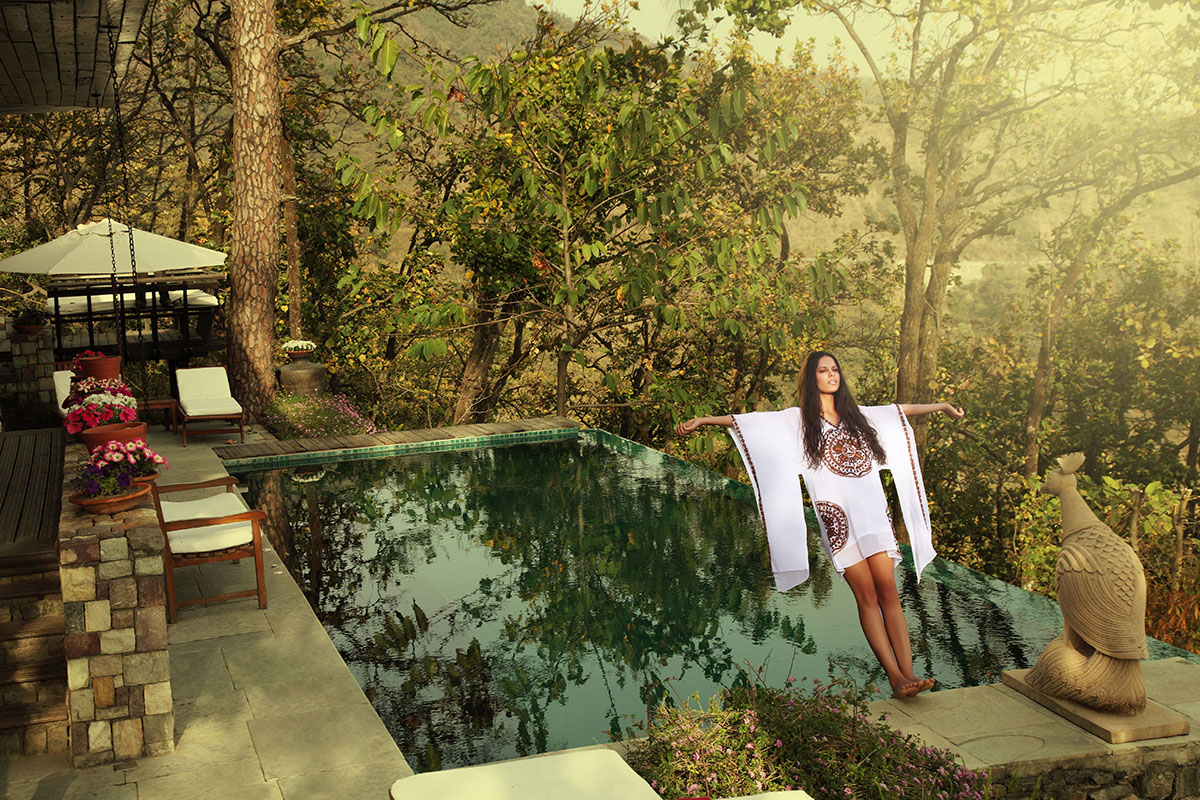
The top retreat habit to practice at home
Camilla Thompson | Live Well Longer Retreats
‘Stillness.
‘It’s the antidote to everything modern life throws at us. Even just 5 minutes a day to breathe, be still, and tune into your body can completely shift your state. From that place, every other biohack works better. Biohacking isn’t about expensive tech or impossible routines. It’s about living with intention, learning to listen to your body, and using nature, rest and rituals to feel more like you.
‘This season, give yourself permission to pause. Your home can become your haven. Your body is your best teacher. And your nervous system will thank you for choosing to reset—gently, consciously, and with care.’
Azra Alagic | Live Well Longer Retreats
‘Nutrients.
‘Eat nutrient-dense, whole, organic food. Ultra-processed foods are filled with refined sugars, seed oils and can even contain carcinogens. When we eat nourishing whole foods we’re supporting the development of a healthy gut microbiome, reducing inflammation in the body and helping to prevent chronic disease.’
‘Presence.
That’s where the real magic happens. Whether it's a mindful walk, a phone-free breakfast, or a few deep breaths between meetings — being fully present, even briefly, reconnects you to yourself. And that’s the foundation of everything else.’
Marilia Chamon | The Whole Body Reset Retreat
‘Time.
Schedule time to restore and rest. It sounds simple, but most of us don’t give ourselves enough of it. Retreats remind you how powerful it is to slow down, disconnect, and truly recharge — physically and mentally. Bringing that same energy into your daily life, through short pauses or quiet moments, can completely change how you feel.
Aashica Khanna | Ananda Spa
‘Nature.
Spending time in nature. Whether it’s a walk in the park, sitting in sunlight, or tending to plants, reconnecting with the natural world instantly grounds you. It’s a simple habit, but one that powerfully regulates the nervous system and clears mental clutter. Nature reminds us to slow down, to move with rhythm instead of urgency, and to find clarity in stillness.
Read more:
