
Germs are hiding in these 15 hotspots in your home
We vacuum the floors, wipe the kitchen counters and dust the shelves but there are lots of areas in the home that aren’t as obvious to clean and they become germ zones.
From kitchen sinks to remote controls, some of the dirtiest items in your home aren’t the ones you expect. In fact, studies have repeatedly shown that everyday household objects can harbour bacteria, viruses and mould in levels far higher than many public spaces.
Germs are part of life. Many are harmless, and some are even beneficial but certain bacteria and viruses can cause illness, particularly for children, older adults and anyone with a weakened immune system. So where are the biggest germ hotspots in your home? And what can you realistically do about them?
- The biggest feng shui rules that will instantly change how your home feels
- The house plants that are good for your health
The kitchen sponge may be dirtier than your toilet
It’s small, soft and used to “clean” but the humble kitchen sponge is consistently ranked one of the germiest items in the house.
Because sponges are porous and frequently damp, they create an ideal breeding ground for bacteria. Each time you wipe a surface, you may actually be spreading microbes around.
Food residue, moisture and warmth combine to create perfect conditions for bacteria such as E. coli and salmonella to thrive especially if raw meat has been handled nearby.
What to do:
- Replace sponges weekly
- Rinse thoroughly after each use
- Allow them to dry fully
- Consider using washable dishcloths you can launder at high temperatures
Your kitchen sink can harbour more bacteria than you think
You may disinfect your toilet regularly, but the kitchen sink often gets overlooked.
The basin and drain are exposed to raw food, dirty dishes and splashes from washing up. Bacteria can linger around the plughole and in microscopic scratches on the surface.
If you wash raw poultry or rinse meat packaging in the sink, you may unintentionally increase contamination risk.
What to do:
- Disinfect the sink and taps daily
- Avoid rinsing raw meat
- Clean the drain area thoroughly
- Use separate chopping boards for raw and cooked foods
Bed sheets collect more than just dust
Every night you’re shedding thousands of skin cells and sweating. These organic materials, combined with warmth and moisture, create an ideal environment for dust mites and bacteria to flourish in your sheets and mattress.
Dust mites feed on dead skin cells and thrive in humid conditions. Their droppings are a common allergen that can worsen asthma and cause sneezing, itchy eyes, and eczema flare-ups.
In addition, bacteria from sweat and natural oils accumulate on bedding, which may contribute to skin irritation or acne in some people.
What to do:
- Wash bed sheets and pillowcases at least once a week in hot water (60°C or above)
- Use allergen-proof mattress and pillow covers if you suffer from allergies or asthma
- Ventilate bedrooms daily by opening windows or using air purifiers with HEPA filters
- Avoid eating or drinking in bed to minimise food residue
- Replace pillows every 1–2 years and mattresses every 7–10 years to reduce allergen build-up
Chopping boards carry cross-contamination risks
Wooden or plastic, all chopping boards can harbour bacteria if not cleaned properly.
Knife grooves create tiny crevices where microbes can settle. Raw meat, fish and unwashed vegetables can leave behind bacteria that transfer to ready-to-eat foods.
What to do:
- Use separate boards for meat and vegetables
- Wash thoroughly in hot soapy water
- Replace deeply scored boards
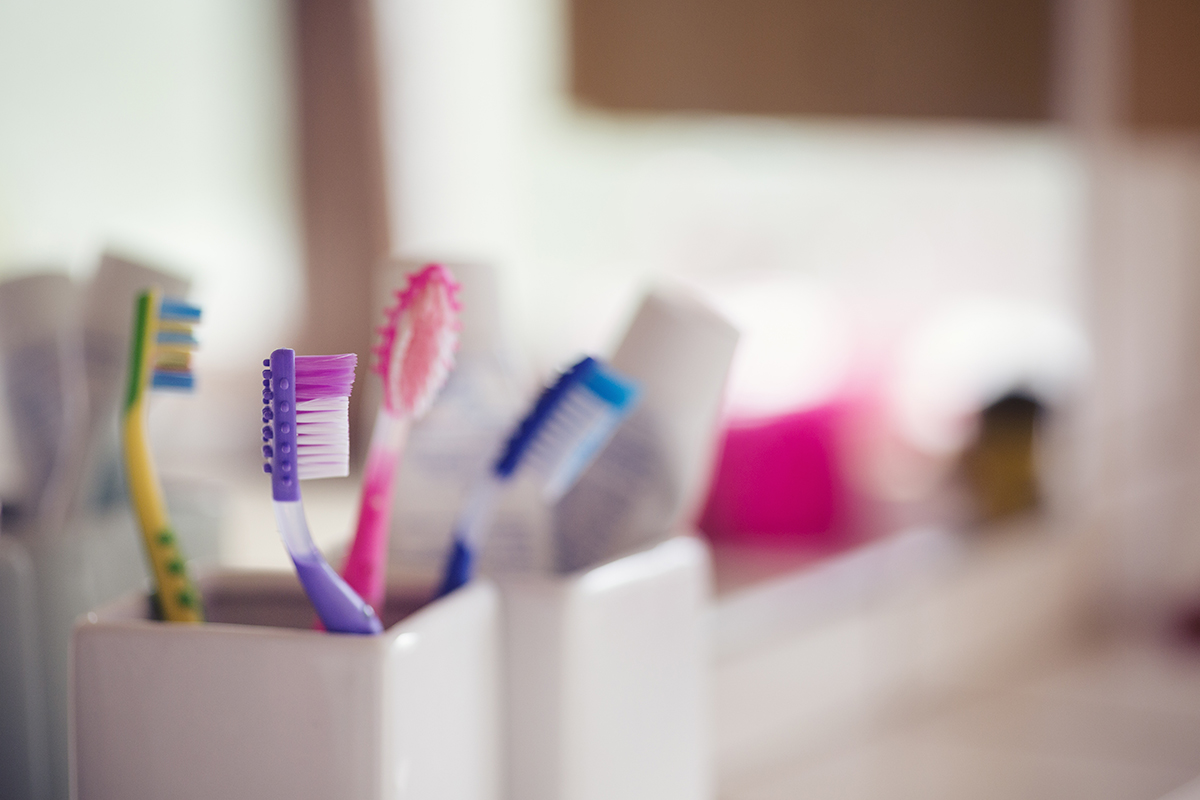
The bathroom toothbrush holder is often forgotten
Your toothbrush gets rinsed daily but what about the holder it sits in?
Studies have found toothbrush holders to be one of the most bacteria-laden items in the home. Residual water collects at the base, creating a damp environment perfect for microbial growth.
And if your toilet lid is left open when flushing, airborne particles can settle nearby.
What to do:
- Wash holders weekly in hot water
- Allow them to dry completely
- Close the toilet lid before flushing
Towels can become bacteria traps surprisingly fast
Bath towels and hand towels absorb moisture and bacteria along with it.
If towels remain damp for hours in poorly ventilated bathrooms, microbes multiply quickly. Shared family towels increase cross-contamination risk.
What to do:
- Wash towels every 2–3 uses
- Hang them spread out to dry
- Improve bathroom ventilation
Remote controls and light switches are high-touch culprits
We rarely think to clean the remote control, yet it’s handled multiple times daily, often with unwashed hands.
Light switches, door handles and drawer pulls are similarly high-contact points that accumulate bacteria and viruses.
During cold and flu season, these surfaces can help infections circulate through households.
What to do:
- Wipe down high-touch surfaces weekly
- Increase cleaning frequency if someone is ill
- Use disinfectant wipes suitable for electronics
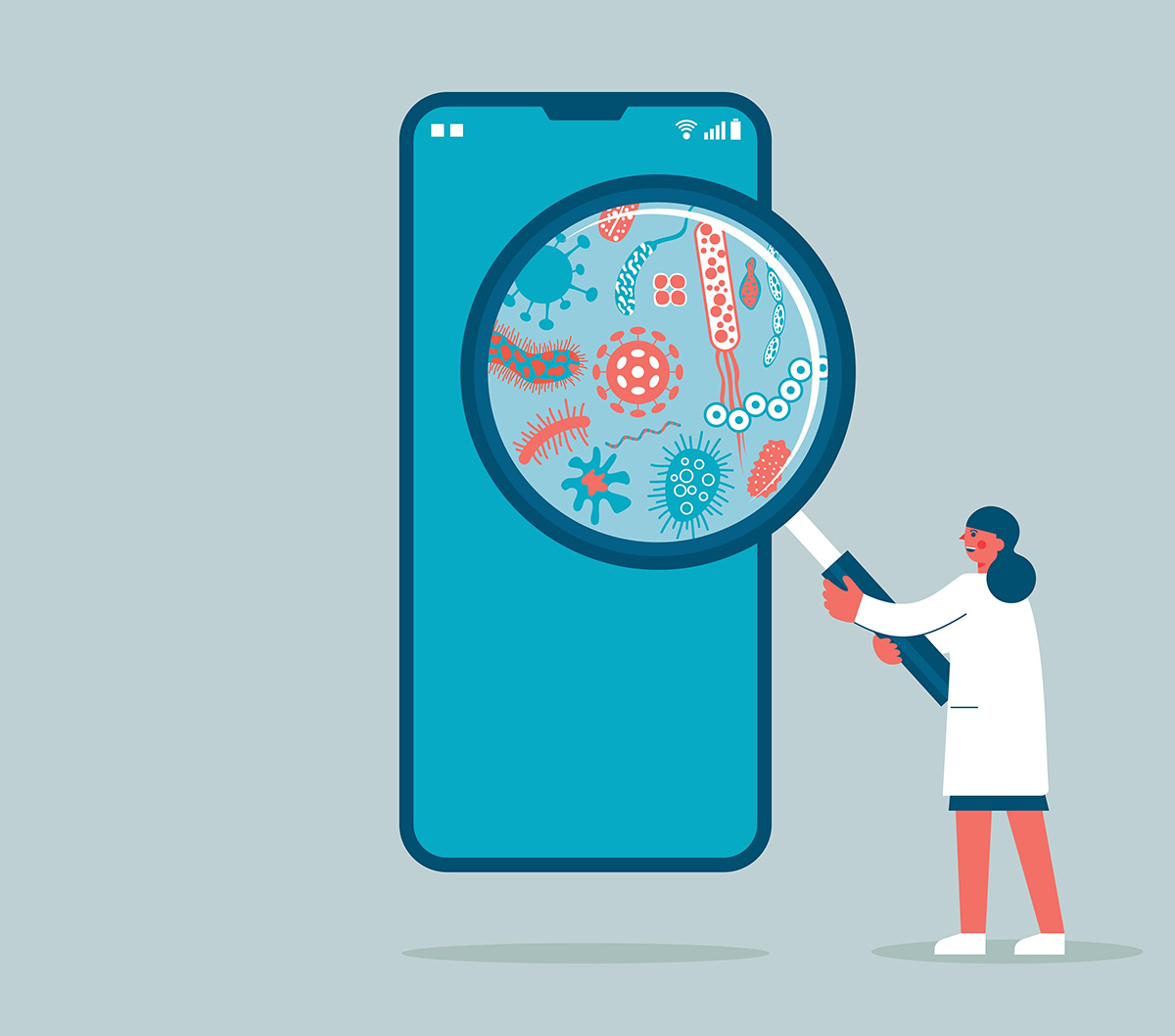
Mobile phones travel everywhere including the bathroom
Your phone goes from kitchen counter to sofa to bedside table and often into the bathroom.
Studies have shown mobile phones can harbour significant levels of bacteria because they’re handled frequently but rarely cleaned.
Heat from devices may also encourage microbial growth.
What to do:
- Wipe phones daily with alcohol-based screen-safe wipes
- Avoid placing them on kitchen counters
- Keep them away from food prep areas
Kitchen cloths spread more than they remove
Reusable dishcloths can transfer bacteria from surface to surface if not washed frequently.
Because they’re used on spills, countertops and sometimes floors, contamination risk is high.
What to do:
- Wash cloths daily at high temperatures
- Avoid using one cloth for multiple areas
- Replace regularly
The fridge drawer may hide mould and bacteria
Crisper drawers collect moisture and bits of food. Forgotten produce can leak fluids that encourage bacterial growth.
Spills inside the fridge can contaminate other foods if left uncleaned.
What to do:
- Clean fridge shelves monthly
- Store raw meat on lower shelves
- Check expiry dates weekly
The washing machine isn’t always self-cleaning
Ironically, washing machines can accumulate mould and bacteria, particularly in rubber door seals and detergent drawers.
Low-temperature washes allow microbes to survive.
What to do:
- Run a hot maintenance cycle monthly
- Leave the door open after use
- Clean seals regularly
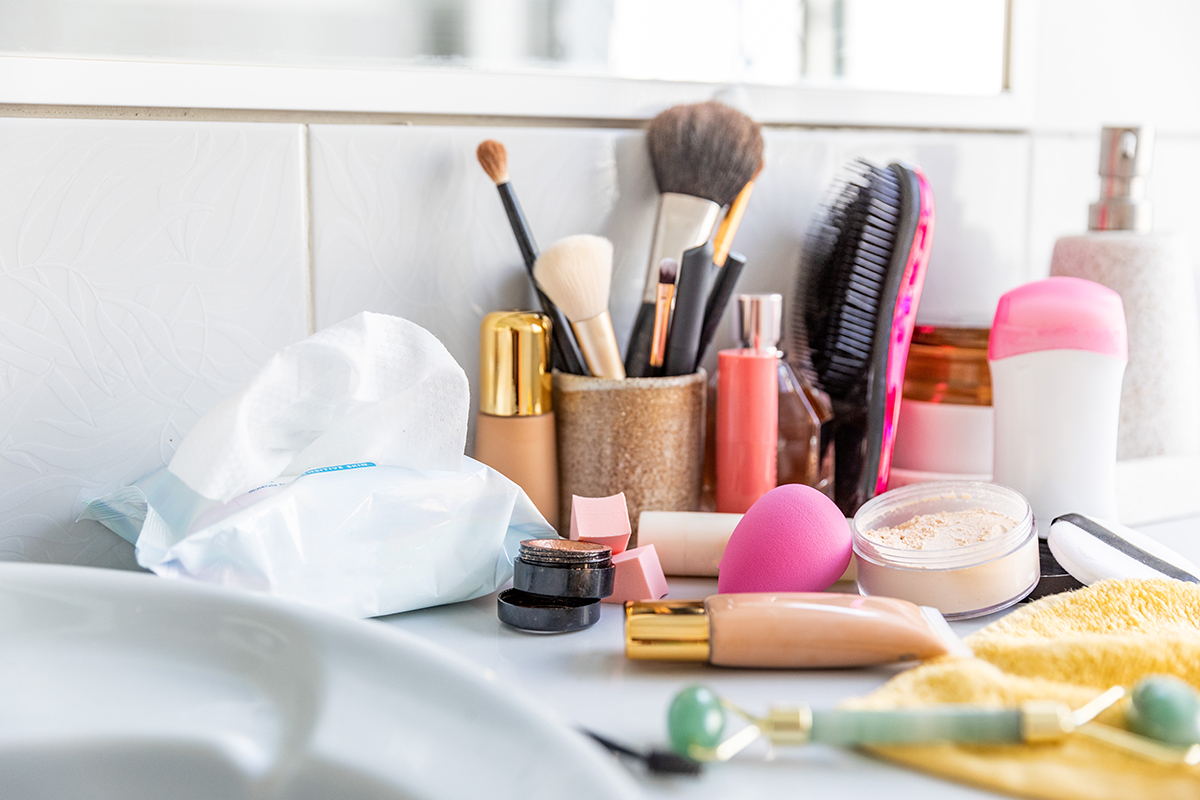
Makeup brushes and beauty tools gather bacteria
Cosmetic brushes come into contact with skin oils, dead cells and bathroom humidity.
Without cleaning, they can contribute to skin irritation or breakouts.
What to do:
- Wash brushes weekly
- Allow them to dry completely
- Replace old sponges
Carpets can trap allergens, bacteria and dust
Carpets act like a giant filter, trapping dirt, dust, pet hairs, pollen and microbes deep within their fibres. Over time, these particles build up, creating a hidden reservoir of allergens and bacteria that can affect indoor air quality.
For allergy sufferers, asthma patients, and those sensitive to dust mites, carpets can be a source of persistent irritation. Microbial growth can occur when carpets stay damp or humid, especially in basements or bathrooms, increasing the risk of mould.
What to do:
- Vacuum at least once a week, ideally with a HEPA-filter vacuum
- Schedule professional or DIY steam cleaning every 3–6 months
- Remove shoes at the door to minimise dirt and germs tracked inside
- Ensure carpets dry thoroughly if exposed to moisture to prevent mould growth
- Consider replacing old or heavily soiled carpets if allergies persist
Shower curtains can grow mould unnoticed
Fabric and plastic shower curtains are constantly exposed to warmth and moisture.
Without ventilation, mould can form along the lower edge.
What to do:
- Wash fabric curtains monthly
- Replace plastic liners regularly
- Open windows or use extractor fans
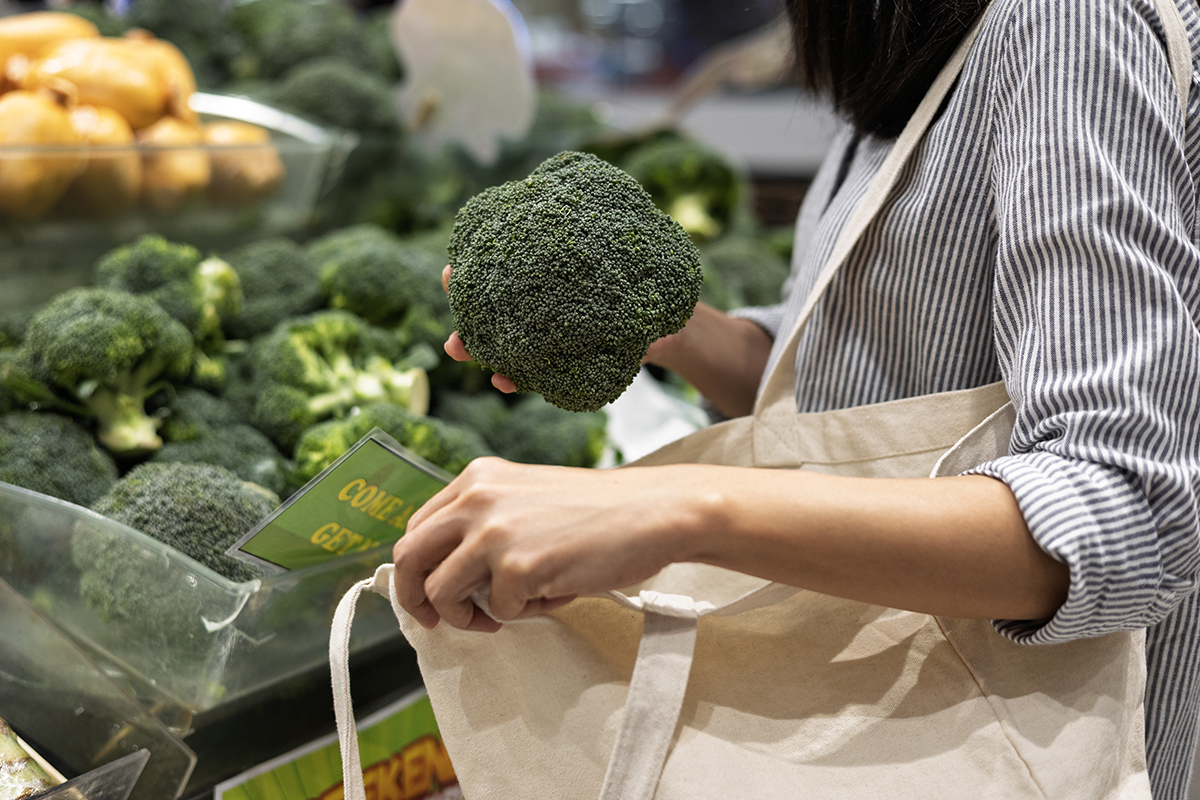
Reusable shopping bags are a hidden hotspot
Reusable shopping bags can be a surprising breeding ground for bacteria if not properly maintained. Grocery bags carry a variety of items, including raw meat, fruits, vegetables, and packaged goods each with potential bacteria or spores on their surfaces. When items leak or bags get damp inside, microbes multiply rapidly.
Because reusable bags are often stored in dark, warm places and reused frequently without washing, they can harbour bacteria like E. coli and salmonella common causes of food poisoning.
Cross-contamination happens when bacteria transfer from raw meat bags onto fresh produce bags, increasing the risk of foodborne illness.
What to do:
- Wash cloth reusable bags regularly ideally after every 3–4 uses or immediately if soiled
- Machine wash in hot water with laundry detergent
- Wipe plastic or insulated bags with disinfectant wipes after each shopping trip
- Keep separate bags for raw meat, seafood, and fresh produce
- Allow bags to dry completely before storing to prevent mould and bacteria growth
Read more:
