
The truth about travelling solo that no one tells you
Not so long ago the idea of booking a solo holiday would have seemed quite strange. Why leave loved ones behind to explore the world all on your tod? But recently people are discovering the joys of doing just that – travelling for fulfilment, healing or connection all alone.
Google searches for “solo travel” hit an all-time high in January this year (up 30% on the previous month), while 16% of travellers went on holiday by themselves in 2023, according to research by ABTA. And it’s not gap year students and 20-somethings.
‘There are more people in their 30s and 40s living life independently than ever before,’ says Lee Thompson is co-founder of Flash Pack. ‘Friends are busy with careers; children and mortgages and travel companions suddenly disappear. At the same time, many people still have the means and desire to explore the world. Solo travel becomes a way to reclaim adventure while making new friends at the same life stage, and that’s why this trend is accelerating.’
Are you thinking about taking the leap with solo travel but unsure where to start? From the right mindset to key destinations to try, here’s our expert guide on making a memorable, joyful and life-changing experience you can return to time and again.
- Don’t book a holiday without reading this first
- Experts reveal the one camping mistake everyone makes that you can avoid
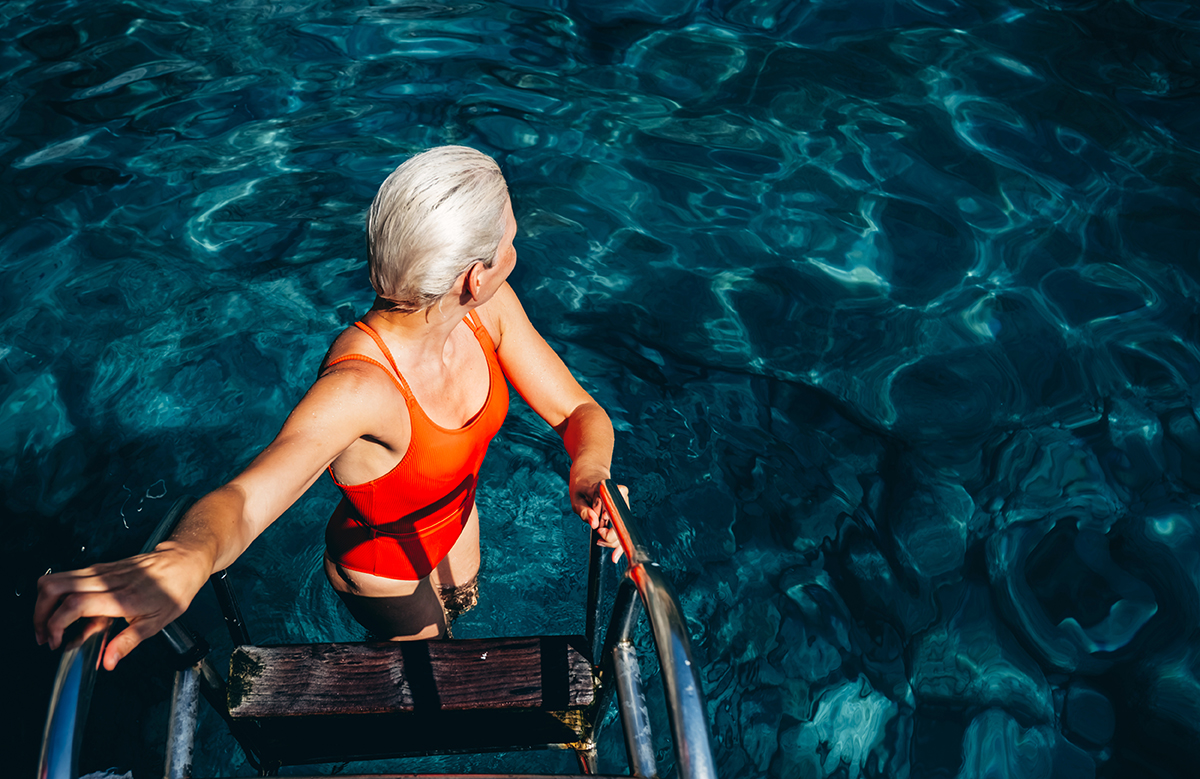
Great at any age!
Intrepid Travel UK Director Joanna Reeve says they’ve seen an increase in solo travel bookings in recent years and especially solo female travellers – last year alone there was a 9% spike.
‘Some people lead busy lives and want to leave all the logistics to our team – so they can pack their bags, get to the airport and begin a new adventure,’ she says. ‘For others, trying to get all their friends together to go on holiday is mission impossible – so they join tours with us.’
Here Joanna answers some questions on solo travel and why it’s a good idea at any age.
What are the three biggest misconceptions about solo travel you can debunk?
- ‘That solo travellers are always single. We’re increasingly seeing people travelling alone who have different travel interests to their partners.’
- ‘Solo travel isn’t just for young people. We are seeing more and more midlife women solo travelling with us. It may be that they’re going through a divorce, have an empty nest or they’ve become a widow. Also, these travellers may have spent years focussing on their career or raising a family and now want to take time for themselves.‘
- ‘You have to be an extrovert. Travelling solo isn’t necessarily synonymous with people being incredibly confident or adrenaline junkies. You can ease into solo travel by joining a group tour or perhaps travel solo in your home country – build confidence in more familiar surroundings and with no language barrier.’
What’s the most surprising thing about solo travel?
‘One of the greatest wonders of joining a group is the friendships that are formed, Joanna says. Even after a short time together our travellers feel they’ve made at least one friend for life. It’s heartwarming to see intergenerational friendships form on our trips. And solo travel in group tours is a great way to help a person heal, reflect and feel ready to tackle their next stage of life.’
What do first-timer solo travellers worry about?
‘It’s almost always “what if I don’t like the people in the group”, and it’s probably a fair worry to have if you've never travelled like this before. I find it helpful to remind first-timers that everyone else in the group booked the same tour for good reason. It could be a food tour or hiking trip – but you’ve already got something in common before you’ve met each other. Experiencing new cultures for the first time is a great bonding experience, so just take the leap.’
Are there particular destinations that suit solo traveller over others?
‘Our solo travellers usually book with Intrepid to visit destinations they might not feel comfortable exploring on their own or are difficult to organise logistically. For example our safari adventures or places like Kyrgyzstan. Having a local tour leader who knows all the insider secrets provides our travellers with an extra level of confidence and security.
‘We also offer Women’s Expeditions exclusively for women to countries like Nepal, Morocco and India. These are led by amazing female guides from around the world and open up local experiences that would otherwise be off-limits, like travelling on a women-only metro in India.’
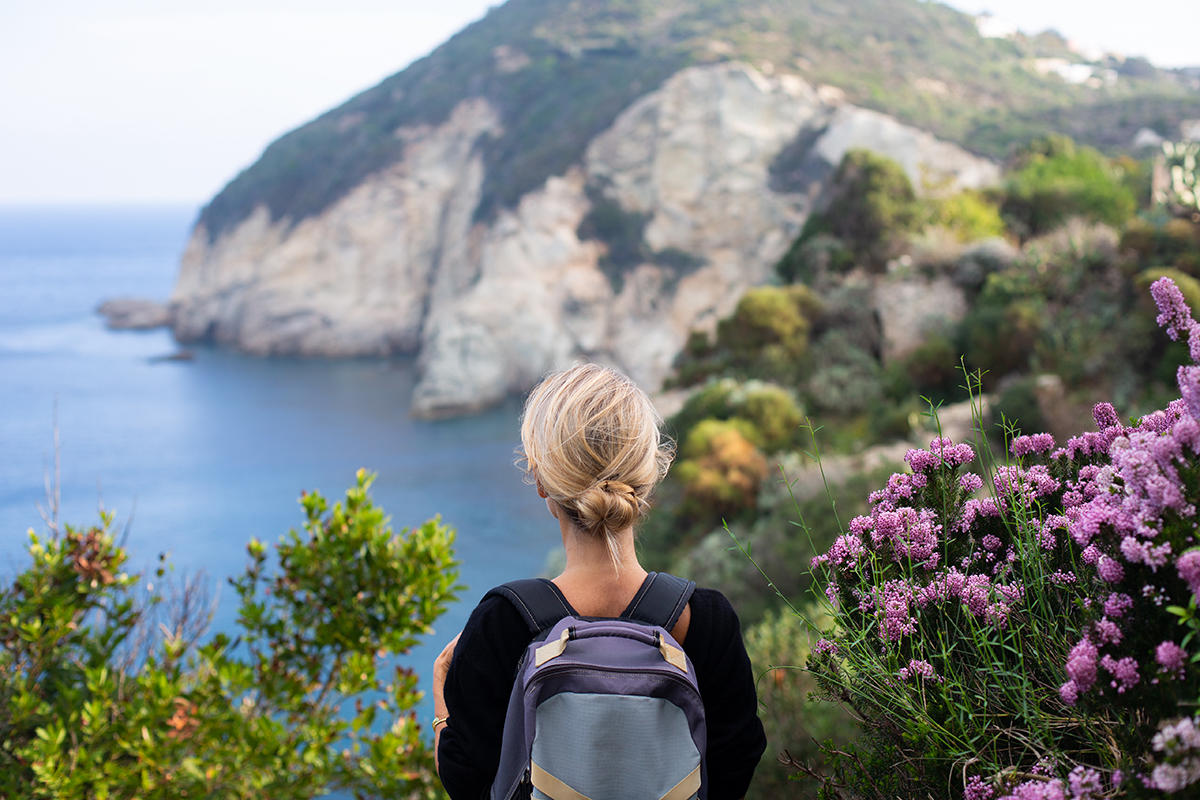
It can rewire your brain
Dr. Ramon Velazquez, a neuroscientist and Scientific Advisor at Mind Lab Pro, explains how solo travel can help us build resilience and rewire our brains.
He says: ‘I study how social experiences rewire the brain and solo travel is a wonderful neural exercise to turn our fear of being alone into circuits of resilience. Venturing out by yourself engages your brain’s social salience networks and the act of scanning for connection.
‘Being surrounded by strangers primes your brain for bursts of dopamine when you have those first fledgling conversations in the open world. But embracing freedom also means embracing neuroplasticity and trusting your basal ganglia — the brain’s pattern-recognition hub — and listening to the fast, preverbal gut cues that help to identify any shady vibes far faster than logic and analysis can.
‘The person who can respond to discomfort by making quick pivots to a safer adventure also protects themselves. Your brain can prune stress pathways to create more resilient, adventure-loving patterns.’
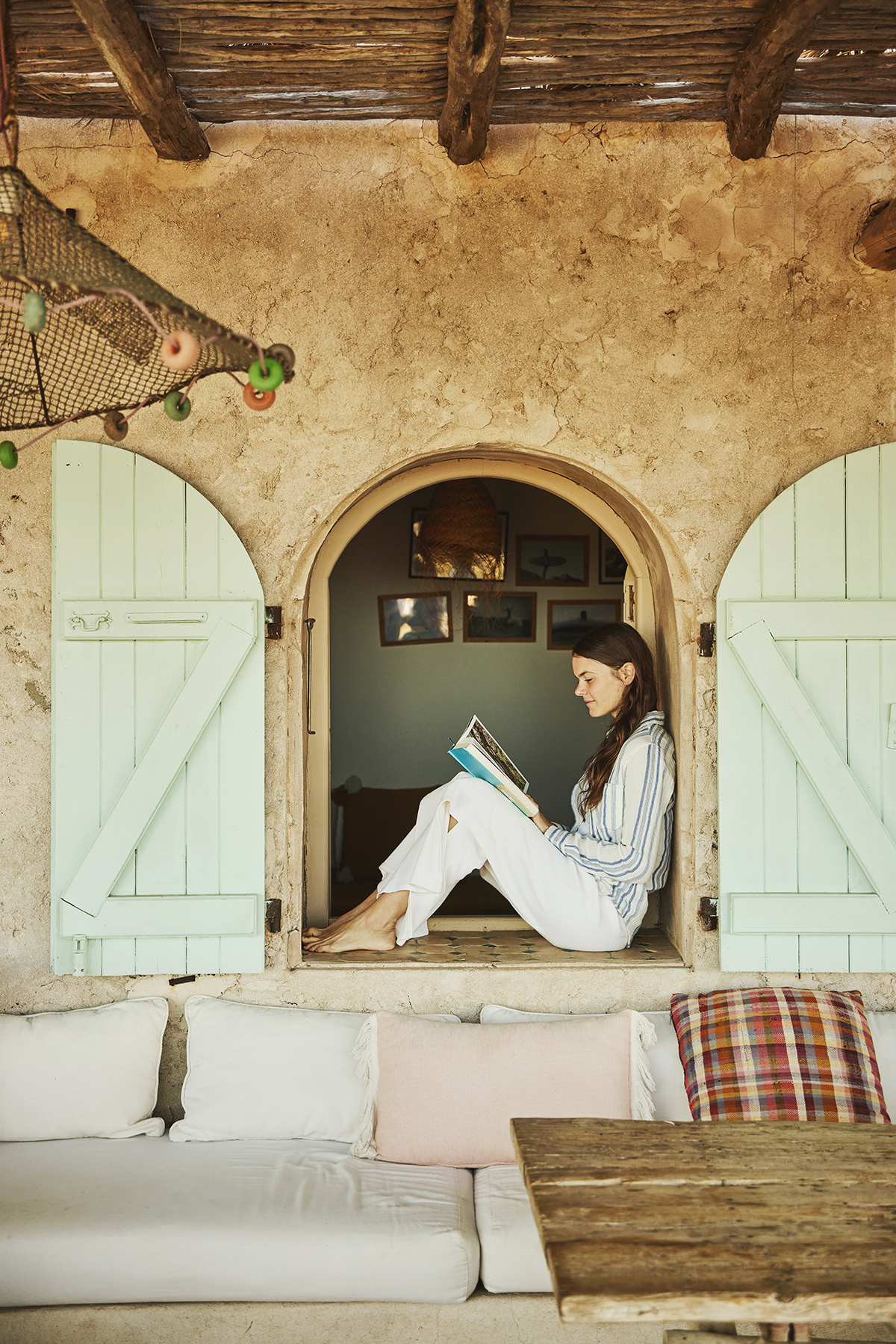
Get to know yourself
Psychotherapist Paula Williams says solo travel is the perfect way to get to know yourself better which is empowering, but it can also be confronting.
‘Solo travel is often framed as either wildly empowering or deeply intimidating, but psychologically, it’s usually both and sometimes within the same afternoon. When you travel alone, you remove familiar anchors: routine, language, social roles, what replaces them isn’t just freedom, but exposure and that is where the real psychological work happens,’ Paula explains.
‘One of the most important mindsets to adopt when travelling solo is to expect to meet yourself more clearly. Not just the adventurous parts, but also the anxious, uncertain ones. Solo travel doesn’t create these feelings, it reveals them and that's not a flaw of the experience; it’s the point of it.’
Loneliness is information
‘Loneliness often catches people by surprise when they’re travelling alone,’ says Paula. ‘Loneliness is not a sign you’re doing it wrong. It’s a natural response to unfamiliar environments.
‘Psychologically, it’s your nervous system asking, “Where do I belong right now?” Instead of trying to escape loneliness immediately, by socialising, numbing or forcing connection, acknowledge it. Loneliness doesn’t mean you need to go home. It means you’re a human in a new place.’
Trusting your gut
‘This is often offered as advice, but few people are taught how to distinguish intuition from anxiety. Intuition tends to be quiet and clear, while anxiety is urgent, loud and catastrophic. When travelling solo, slowing your pace helps intuition surface.
‘Overstimulation and exhaustion can make fear feel like instinct. Listening to your body – changes in tension, breath or energy often tells you a lot. Your body usually knows before your mind is ready to explain. You don’t need to see danger everywhere to be safe. You need to stay connected to yourself.’
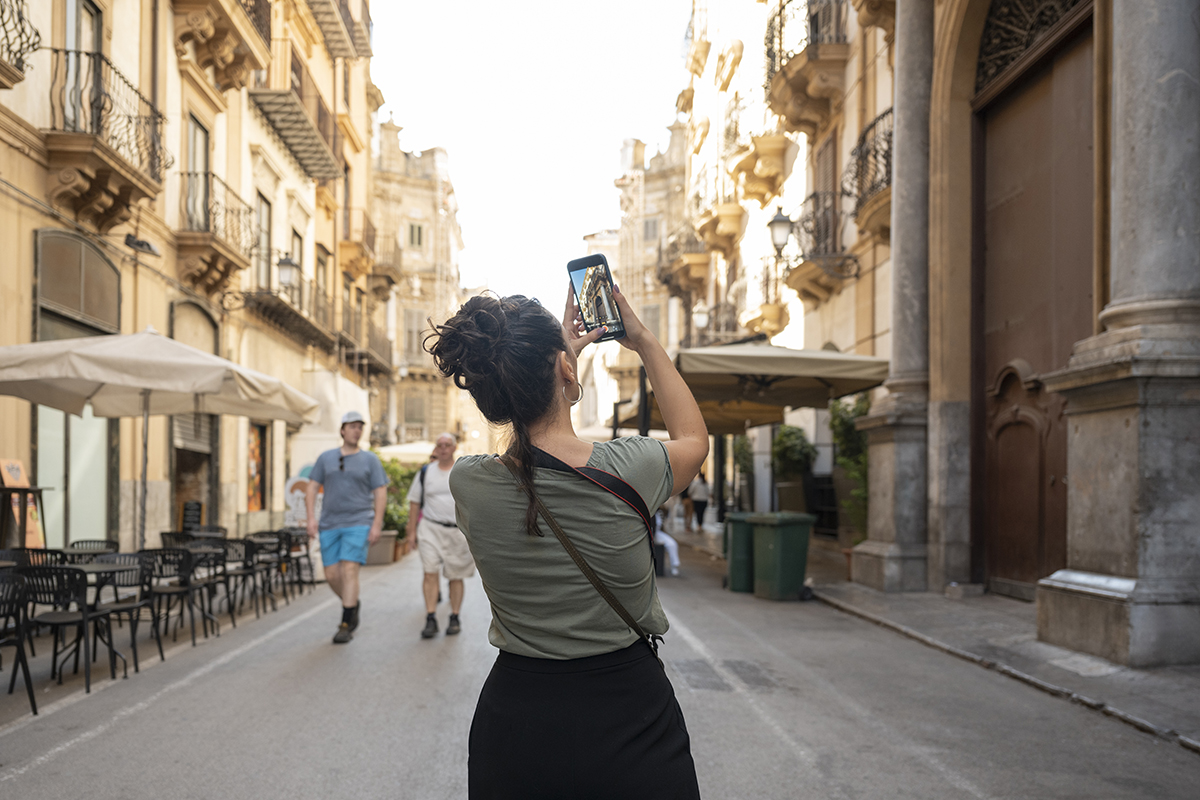
Before you go: Paula says to ask yourself these honest questions
- Am I travelling towards something, or away from something?
Neither answer is wrong, but clarity matters. Escaping doesn’t resolve what follows you internally, it often just changes the scenery.
- What do I hope this trip will give me that I’m not giving myself at home?
Rest, permission, space, confidence, aliveness, these are often needs, not destinations.
- How do I usually respond when I feel lonely, uncertain or out of control?
Solo travel tends to amplify existing patterns. Knowing yours in advance creates choice rather than reaction.
- What would it mean to let this trip be imperfect? Not transformative. Not aesthetic. Just honest.
A simple reframe
‘You don’t need to be brave every moment,’ says Paula. You don’t need to be productive, social, or “making the most of it.” Sometimes the most meaningful part of solo travel is learning how to sit with yourself without distraction, without judgement and discovering that you are not someone that needs to be managed or improved, but someone who can be trusted. That’s not just a travel mindset – it’s a life skill.’
Acknowledge all the feelings
Georgina Sturmer, a BACP-accredited Counsellor says, ‘You will experience a whole range of feelings on and around a solo trip – you might feel empowered and excited, but also a little lonely and frustrated at times. It’s important to recognise that all these feelings are equally valid. You can lean into the excitement and sense of possibility, while also allowing yourself to understand what else is happening.
‘Even if you’re excited about being on your own, we are so used to being surrounded by friends, family and colleagues that solitude can feel like loneliness.’
How to eat alone
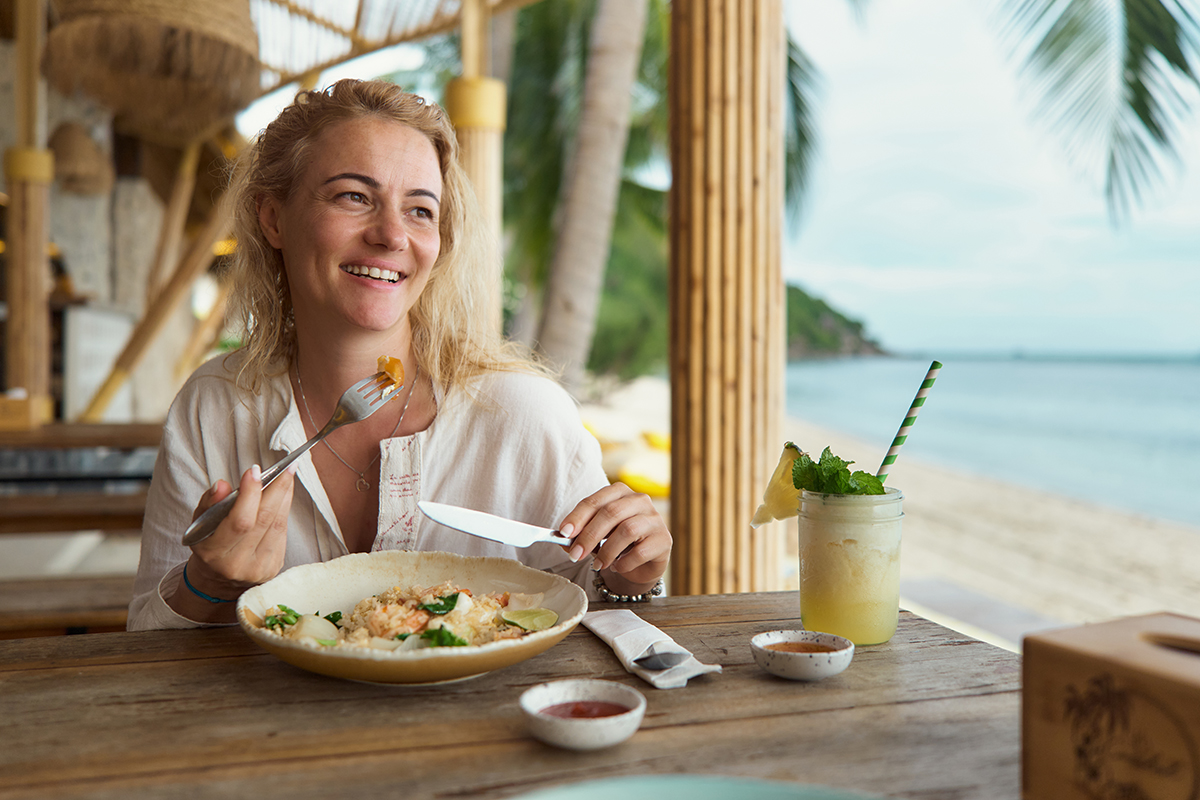
‘When dining out alone on a solo trip, think about what might make it easier – bring a book to read or a journal to write in,’ advises Georgina. ‘Also think about what might make the experience more enjoyable and fulfilling. Will it be a quiet setting or a buzzy restaurant? Adapt to what suits you on any particular day to make yourself feel more comfortable.
‘There’s also something deeper going on here, which is about how you feel about yourself when you dine alone. What you believe it says about you, and – importantly – what you believe other people might be assuming. When you reflect on this, you may discover some excitement or discomfort. You can make assumptions about what others are thinking, but these judgements aren’t always grounded in reality.’
How to avoid decision fatigue
‘One of the benefits of solo travel is that you get to make all the decisions, without feeling beholden to those around you,’ says Georgina. ‘But decision fatigue can be a common feature of travelling solo. You’re doing all the heavy lifting after all. It’s useful to remember how liberating it can be to make decisions on your own terms and the freedom in that.
‘When it’s starting to feel like a drag, slow down the pace. Or instigate a simple routine so your day-to-day choices like where to eat breakfast have structure and feel more automatic.’
Solo travel communication
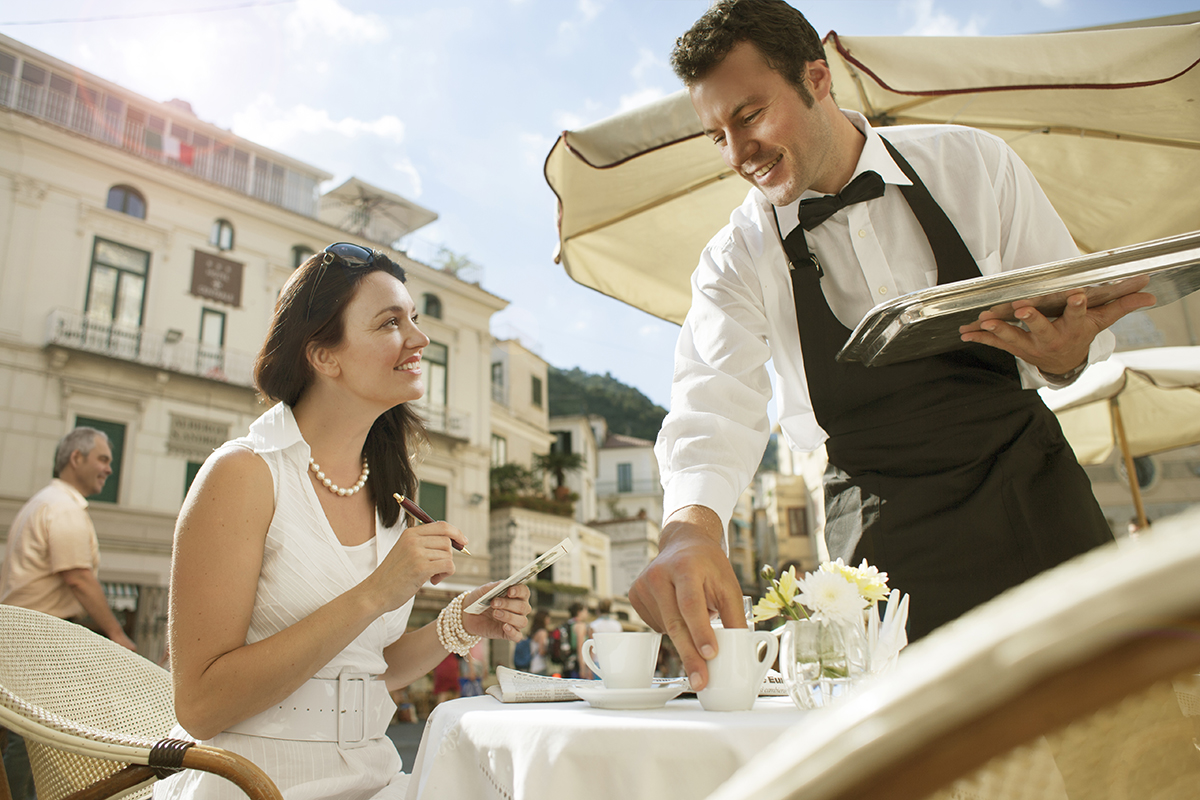
Judy Apps, a TEDx speaker and author of five books on communication – including The Art of Conversation, believes even a 30-second spontaneous chat with someone new on a solo trip can lift your mood and boost your confidence. Here are Judy’s tips on talking to strangers.
1. Think positively
‘Don’t think “I’m so pathetic,” just because you’re alone. Instead look around and tell yourself what an interesting place you're in and you’re lucky to be there. Remember being on your own is the adventure. And when you’re feeling positive you will instantly look more approachable.’
2. Set yourself a goal
‘When you’re next buying a coffee make a statement to someone such as: “what a beautiful place. It’s so sunny today.” Sometimes a few words will be exchanged and that’s fine. But other times a simple nonthreatening opening remark can open up a fascinating conversation.’
3. Ask questions
‘Even in an interesting city most exchanges start with a mundane topic, like the weather. To move the conversation on, don’t be afraid to ask questions. Start with a non-intrusive one like “Is this your first time at this beach?” The chat should go back and forth like a game of bat and ball.’
4. Read the room
‘No two new conversations will be the same. The moment you start talking, be present and look for affirmations. Not just in the words, but in a person’s tone of voice and does their body language match their words? Then make a judgement whether to carry on or politely leave.’
5. Be cautious
‘It’s amazing how quickly an exchange with a stranger can become a satisfying conversation. But be wary if a stranger invades your personal space or asks probing questions. Look for a sense of equality and balance in new interactions and trust your instincts. It’s ok to walk away.’
Rewriting the rules
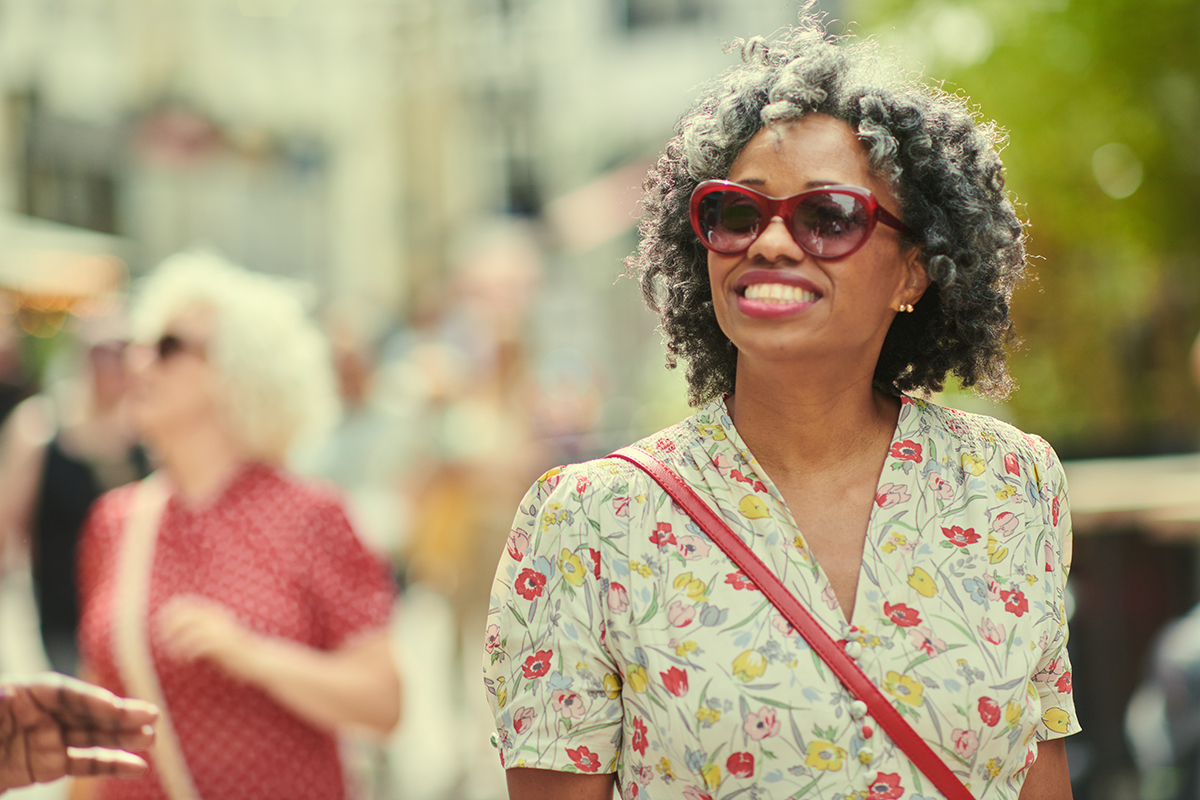
Seyi Oduwole, travel and hospitality foresight analyst at strategic foresight consultancy at The Future Laboratory explains why it's the era of ‘The Golden Gap Years’ with retirees rewriting the rules of solo travel and redefining how later-life travel can look.
‘The next wave of older travellers – led by Generation X – are not traditional retirees, but mid-life explorers seeking new forms of freedom, fulfilment and connection,’ says Seyi. ‘For them, travel is less about slowing down and more about extending life itself through discovery, purpose and experience. Many are pursuing immersive ‘grown-up gap year’ experiences from extended cruises to multi-destination adventures and all on their own terms.
‘Midlife life-stage changes, from empty nests to grey divorces, make this period of life more about self-discovery [on solo trips]. Travel becomes a way to reconnect with identity. At The Future Laboratory we’re increasingly seeing reports of Gen X and boomers actively chasing bucket-list moments, but not in a passive, sightseeing way. They’re looking for a wow factor.
‘Travel has to deliver thrill and emotional payoff. There’s also a strong rebellious streak at play. Having lived through decades of convention and responsibility, they’re now seeking experiences that push boundaries and challenge expectations of age.
‘Health and wellness also play a major role in Golden Gap Years travel. In midlife, this is showing up through menopause travel, glow-up getaways and retreats focused on longevity and ageing well. Ultimately, retirement itself is being redefined. Rather than winding down, it’s a renaissance, a chance to explore, experiment and rediscover joy.’

Consider 'solo' group tours
Solo doesn’t always mean alone – lots of travellers join group tours. Lee Thompson, a co-founder of adventure travel company Flash Pack, that brings together solo travellers in their 30s and 40s, says shared travel experiences create deep bonds quickly. Lee answers some common questions.
What is a benefit of solo travel that people might not expect?
‘Many people rediscover what it feels like to be truly seen,’ says Thompson. ‘Travelling with people of a similar age and life stage removes the need to explain yourself. For many travellers – especially those navigating transitions like burnout, divorce or grief – that sense of understanding can be genuinely life-changing. The destination matters, but it’s often the connection that leaves the biggest mark.’
What’s a big misconception about solo travel?
‘That it works the same way in your 30s and 40s as it did in your 20s - it just doesn’t. Hostels and accidental friendships are far less appealing later in life, while comfort, safety and time become more important. Solo travel can actually feel more isolating as you get older. Group solo travel solves that by combining independence with structure, local expertise and built-in social connection – without the stress of planning or hoping it all works out.’
What are the most popular destinations?
‘Solo travellers are becoming far more adventurous. Destinations like Albania and Kyrgyzstan have become top sellers for us, alongside more complex places such as Japan and China – trips that are harder to navigate alone but incredibly rewarding with a group and a local guide. People are increasingly choosing destinations their friends aren’t going to – places with a stronger sense of discovery and shared story.’
Do you have any tips for first-timers?
‘To be intentional about connection. Look for hosted dinners, supper clubs or local events designed for people at a similar life stage - they can instantly make a city feel familiar. Ditch traditional guidebooks and follow local creators instead; they’ll show you how a place really works. And finally: you’re never too old to travel solo. It always feels scary at first, but it’s often one of the most liberating and confidence-building things you can do.’
What about when you get back?
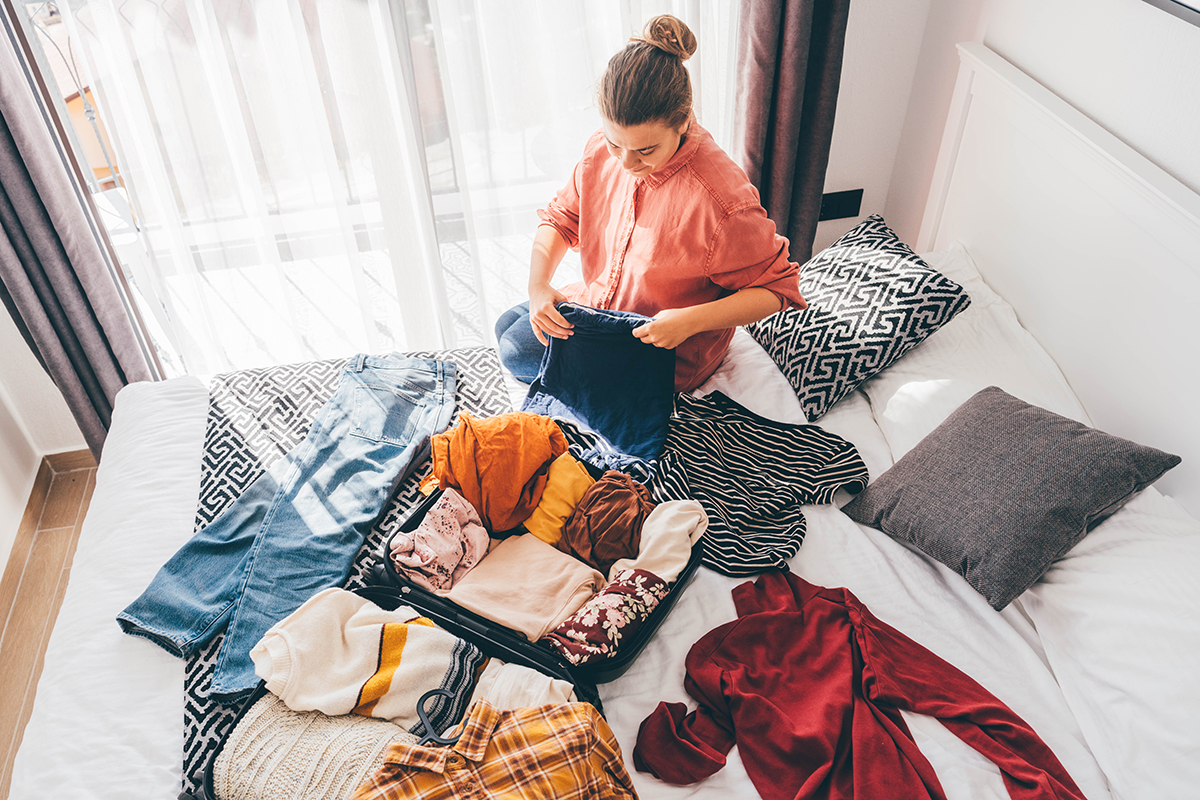
Elizabeth Stauder is a somatic transformation coach and founder of bodyandsoulsanctuary.com explains why solo travel supports emotional and mental wellbeing when you return home.
She says: ‘Give yourself permission to explore the world the way a child explores a new playground: attentive, responsive and open – rather than rigid or over-controlled. Solo travel builds resilience by strengthening your relationship with yourself. Practicing presence, situational awareness and gut-level discernment often leaves you feeling more confident when you return because you learned to respond to different situations.
‘Stepping outside familiar routines and structures expands creative capacity. When you’re no longer operating on autopilot, your thinking becomes more flexible and imaginative. Upon returning home, many travellers find they can see their life from a wider perspective, recognising patterns, possibilities or changes that weren’t visible to them before.
‘This perspective shift can be deeply clarifying and instigate positive habit change. Exposure to new cultures, people and ecosystems strengthens psychological resilience and supports emotional and mental wellbeing.’
Quick tips for solo travellers
- Follow travel influencers on TikTok and Instagram, such as Janet Newenham, who share tips and show that solo travel can be a cool, fulfilling and admirable concept.
- Stay in co-living spaces, homestays or find AirBnBs with private rooms and workplaces. Look for expat groups in the city or town you’re in and join in meet ups and supper clubs.
- WhatsApp groups for solo travellers are easy to find. For example, type: ‘I’m going to be in Copenhagen this weekend’ and see what happens. Download the Meetup App too.
- Join a walking / food tour early on in your trip. It’s the ideal way to meet new people and see a city through the eyes of a local guide. The Get Your Guide app or Culinary Backstreets tours are brilliant. Active types might like Go Running Tours.
- Allow yourself to get lost in a city and trust your instinct. You get to rely on yourself rather than others’ whims or desires. Enjoy letting the day unfold on your terms.
Read more:
