
You can live ‘The Holiday’ for real – here's how
When life gets too much, it’s comforting to fantasize about slipping into someone else’s shoes. Tis escapism is perfectly captured in the ultimate cosy watch: The Holiday.
Stung by unrequited love, Iris (Kate Winslet) swaps her cosy British cottage for broken-hearted Amanda’s (Cameron Diaz) sun-soaked LA mansion. During this two-week ‘swapcation’ the two women not only live in each other’s worlds, but also find themselves, and fall into whirlwind romances, along the way.
If that’s not proof that running away from your problems is sometimes the answer, maybe Emmanuel Anraud, CEO of HomeExchange – the real-life house swapping site used in the film – can convince you:
‘Living in someone else’s home lets you see the world from a fresh perspective, you learn to adapt, trust others, and embrace spontaneity. It transforms travel into an exchange of lifestyles, not just locations. You might discover new routines, cuisines, and friendships that broaden your worldview.’
Whether you’re tired of the dating pool in your hometown – continuously inching your Tinder radius wider – or just sick of your daily grind, a house swap could be just the escape you need. And who knows, maybe your very own Jude Law (or Jack Black, if that’s more your speed) – is waiting for you on the other side of the world.
- The truth about travelling solo that no one tells you
- Travelling to a different time zone? Here's how to combat jetlag
The house swap effect
According to LP Maurice, travel expert, backpacker, and CEO of Busbud, a house swap can be a transformative experience: ‘The largest upheaval in life is perspective. Living in someone else's routine highlights what may be simplified and what matters most at home.’
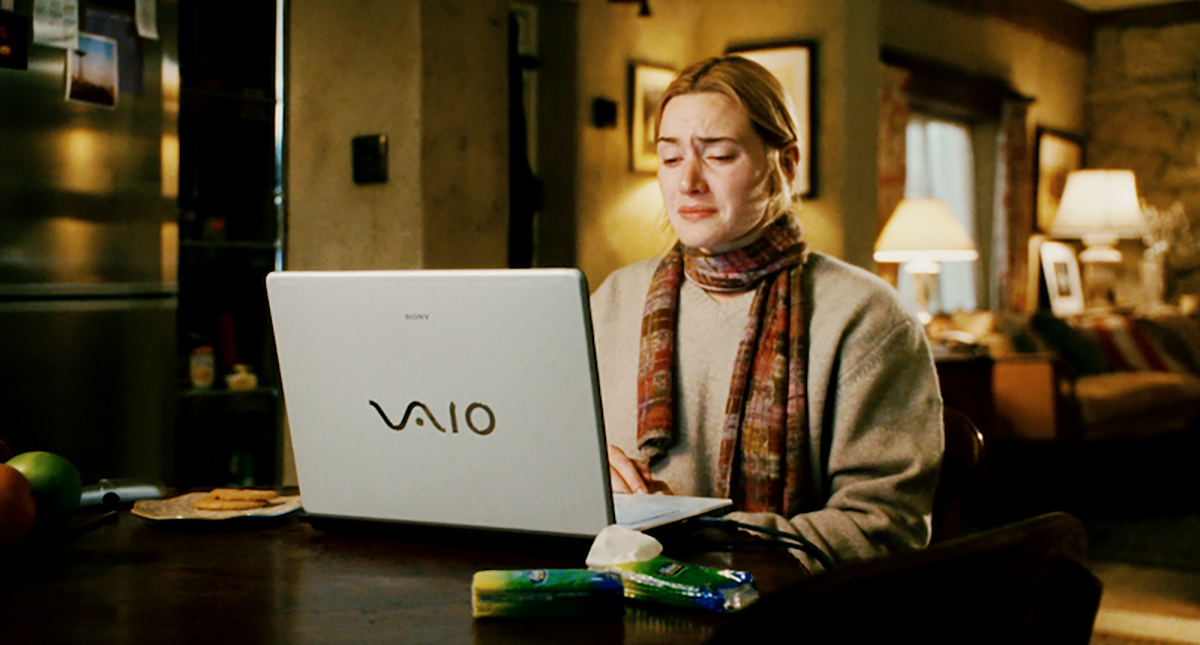
In The Holiday, Iris and Amanda have opposing temperaments which manifest in their living spaces. Amanda is self-assured but emotionally frozen (she hasn’t cried in fifteen years), and her larger-than-life home is slick yet cold. Iris wears her heart on her sleeve but is also painfully self-deprecating – and her cottage is warm yet cluttered with baggage.
While living in each other’s spaces, and outside of their comfort zones, Amanda faces her fears of vulnerability, and Iris builds up her sense of self-worth – only then are they able to move on from their toxic ex-boyfriends and find true love.
In the film, Iris perfectly sums up how this change of scene shifted her perspective, stating that at home, no matter “how many new haircuts you get, or gyms you join, or how many glasses of chardonnay you drink with your girlfriends”, it’s hard to shake lingering heartbreak, but that one day “you’ll go somewhere new. And you’ll meet people who make you feel worthwhile again. And little pieces of your soul will finally come back.”
How to house swap like The Holiday
House swaps were first established in 1953 by a network of teachers seeking affordable travel during the summer holidays. The concept gained popularity in 1995 when HomeExchange brought it online and surged further after being featured in The Holiday in 2006.
‘House swapping isn’t a fit for every traveller, but for those who try it, it can feel like unlocking a secret layer of travel,’ says Anraud. ‘It’s not about luxury or perfection. It’s about the rhythm of ordinary life in an extraordinary setting and about realizing that “home” can stretch far beyond your own front door.’
Now the world’s largest home-swapping site, HomeExchange facilitates both direct swaps (like in The Holiday) or non-reciprocal bookings using a system called GuestPoints. You earn points by hosting others and your home’s value depends on factors such as location, size, and amenities.
‘On HomeExchange, anyone can exchange with one another regardless of the type of home, size, or location, as long as it works for the members involved,’ explains Anraud. ‘Some people wonder if there’s a sort of “ranking” in house swapping, and in a way, there is.
‘Homes in popular tourist destinations or major cities tend to receive more requests, and some platforms even use point systems to balance exchanges. But every house has its value. A small cottage in the countryside might not seem like much compared to a Paris apartment, but for someone who craves peace and nature, it could be a dream.’
Today, there are many trusted membership-only exchange websites to choose from. Founded in 2021, Kindred already has a community of over 220,000 members across 150+ cities. ‘Unlike other home-swapping sites, Kindred has a unique credit system,’ says CEO and co-founder of Kindred, Justine Palefsky. ‘Members earn one credit for every night they host, with each credit allowing them to book one night at another Kindred home.
‘We know that letting someone into your home is a radical act of generosity and vulnerability, regardless of what your home is worth or how many bedrooms it has, and so we wanted to ensure it was rewarded equally.’

Is it free?
Most home swapping websites come with a membership fee – HomeExchange costs $235 a year for unlimited exchanges, whereas Kindred is free to join but charges a cleaning and service fee. This can range from $5-$45 per night, depending on location and length of stay. Alternatively, if you expect to home swap multiple times across the year, you can upgrade to Kindred Passport and waive the nightly fees for an annual cost of $600.
While HomeExchange lets you sign up immediately (once your identity has been verified), Kindred is more exclusive and primarily operates on referrals – you can apply without an invite code but will join a rapidly growing waitlist.
For a DIY budget option, Facebook groups like Vacation Swap and House Swap Holidays let you exchange keys without membership fees, but also leave you unprotected by the guarantees that come with official house swapping websites.
Are there safety risks?
What are the compromises when choosing a home swap over a hotel? Is there a hidden safety cost to this cheaper vacation option?
‘When using a trusted site to facilitate the swap, there are few risks involved,’ says Anraud. ‘Of course, accidents can happen, but 99.7% of exchanges on HomeExchange occur without any incident… not even a broken mug!’
‘To ensure a smooth exchange, we recommend reading reviews when searching for an exchange and keeping open communication with your exchange partner before and during your trip. In the case something does happen, HomeExchange offers extensive guarantees and 24/7 customer support.’
HomeExchange offers cancellation compensation up to 840 USD, damage coverage up to 1 million USD, and theft protection. However, it doesn’t conduct a background check on members, so make sure to do your own research. Before agreeing to an exchange, set up a video call to get to know your potential swapper, and keep an open line of communication to avoid mishaps.
‘90% of common issues are avoided by swap partners who confirm Wi-Fi speed, arrange a video conversation, and provide transit advice,’ explains Maurice. He recommends examining homeowner policy and translating house rules into their swap partner's language: ‘Miscommunication poses a greater risk than criminal activity - a solid paper trail expedites mediation and allows you to resume your journey if something does go wrong.’

Top tips for planning a successful house swap
HomeExchange CEO, Emmanuel Anraud shares his simple step-by-step guide for the perfect house swap trip:
- Pick a trusted website: ‘Ensure that you book through a reputable platform like HomeExchange, with verified users and extensive guarantees.’
- Take your time: ‘Start planning early to find the perfect match and build trust with the fellow exchanger.’
- Be transparent: ‘Create a detailed, honest home profile with clear photos and descriptions. Communicate openly about expectations, house rules, and dates.’
- Spruce up: ‘Prepare your home by cleaning thoroughly, securing valuables, and leaving helpful notes about appliances, local tips, and emergency contacts.’
- Keep in touch: ‘Confirm travel logistics and exchange contact information in advance. Stay flexible and respectful of your exchanger’s space.’
- Be thoughtful: ‘Finally, leave a warm welcome note or small gift — thoughtful gestures make every swap more personal and enjoyable for both parties.’

More sustainable travel
The rise of Airbnb has contributed to over-tourism, pricing out locals in their own neighbourhood housing markets. One study in Barcelona found that short-term rentals caused rent to increase by 7% and sale prices by 17% in some parts of the city. Swapping homes doesn’t have this same impact and allows travellers to assimilate into the local experience, rather than buy into tourism.
‘Home exchange turns guests into temporary locals, which relieves pressure on tourist areas and injects spending into ordinary neighbourhoods,’ says Alyse Race, responsible travel expert and founder of The Invisible Tourist.
‘A 2025 report on home exchange and overtourism confirms that exchanges scatter travellers across a city and extend stays, easing pressure on dense hotspots. That redistribution is good for small bakeries, laundromats, and corner stores that seldom see short-stay traffic.’
Many cities have now tightened restrictions around short-term rentals, imposing caps on how often homeowners can rent out their listings. For example, in 2018 Japan brought in the nationwide “Minpaku” law which limited rentals to 180 nights per year and required hosts to provide a registration number, resulting in 80% of Japan’s Airbnb listings being removed overnight.
Palefsky states that Kindred’s 5x increase in nights booked from 2023 to 2024 reflects a strong demand for a “third option” in travel: ‘One that’s affordable, responsible, and human-first, at a time when costs are rising, overtourism is straining communities, and short-term rentals face tightening restrictions.’

Other benefits of ‘swapcations’
If you remain flexible, open-minded and respectful, a home swap can be a uniquely rewarding experience. ‘Handing over your home to strangers is not something to take lightly,’ says Elaine Warren, travel expert and the founder of The Family Cruise Companion. ‘But with careful preparation and the right choice of platform, most people find that trust pays off.’
Here are some of the benefits of opting for a house swap (swoon-worthy meet-cute not guaranteed*):
1. It’s more affordable
While most home swap platforms charge a membership or service fee, house swapping is still significantly cheaper than hotels or holiday rentals. According to Kindred, a month-long stay could cost as little as $8 per night in fees, and if you’re open to a more DIY-style exchange, your accommodation could be completely free!
2. Discover hidden gems
Listing your home on a house swap site opens the door to destinations you might never have considered. Perhaps you’ll get an invite from someone in a remote Swedish town or a mountain estate in New Mexico. House swapping is a great way to broaden your travel horizons beyond tourist hot spots to hidden gems that aren’t covered in the travel guides.
3. Local advice you can’t Google
Home swaps require you to chat directly with your exchange partner to work out the logistics. According to Anraud, ‘These connections help travellers experience their destination like a local, thanks to tips and recommendations, which can help to make the experience fulfilling.’ This personalised advice allows you to step into someone else’s routine: sipping coffee at their favourite cafe or booking a table at their go-to restaurant.

4. Make new connections
House swapping connects you with like-minded travellers who are also looking for authentic experiences. If you’re following the expert advice, a swap partner should no longer feel like a stranger by the time you arrive at their home.
Many exchangers message or video call for weeks – even months – leading up to a trip, sharing recommendations and insider tips for exploring their hometown.
This can lead to lifelong friendships – who knows, maybe you’ll even end up spending Christmas together, just like Iris and Amanda at the end of The Holiday.
5. Finding joy in the everyday
‘House swapping has this unusual way of blending adventure with normal life, and that’s what makes it so appealing’, says Warren. ‘Adults often find joy in the details: discovering a new brand of jam in the pantry, walking a different route to the market, or even learning the quirks of a new coffee machine. These tiny shifts in routine can be more memorable than the big-ticket sights.’
You can now stay in the cottage from The Holiday… kind of
Hate to burst your bubble, but the charming Rosehill Cottage – Iris’s chocolate-box home – doesn’t exist. Director Nancy Meyers built the exterior set piece in an empty field, and the interior shots were filmed on a soundstage in Los Angeles, rather than in the English countryside.
However, a replica holiday cottage is now available to rent in the Blue Ridge Mountains of Georgia, bringing the fictional home to life across the Atlantic. Designer Lucy Small ensured the replica included all the iconic features from the film, including the sloped ceiling, tiny slipper tub and blue velvet ottoman.
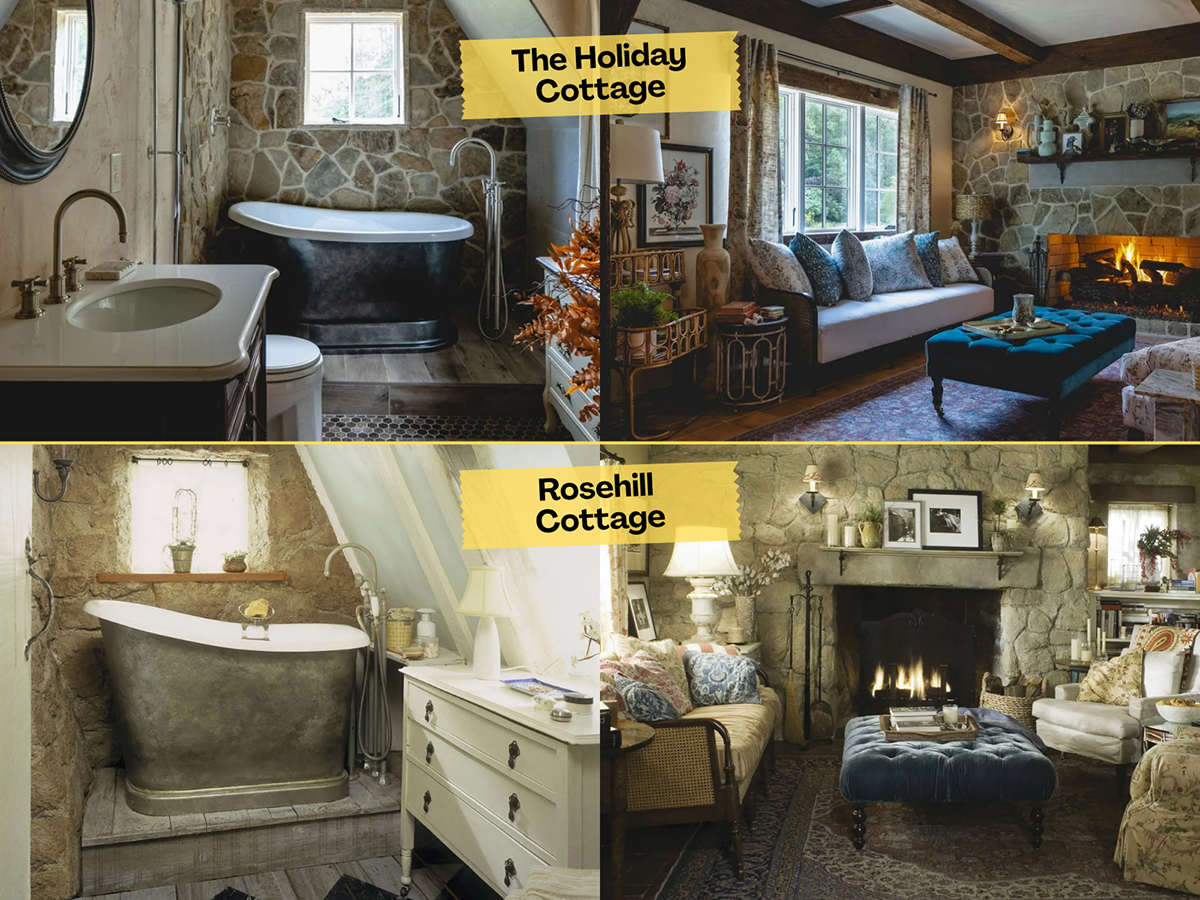
The setting of Small’s rental is straight out of a Hallmark movie: a secluded 6+ acres of farm surrounded by apple orchards, waterfalls and wineries. Ellijay and Blue Ridge, two small surrounding towns, host fall festivals and festive parades – adding to the rom-com feel.
The Holiday Cottage sleeps 6 people and is open for bookings.
Read more:
