
We talk a lot about toxic relationships – always searching for red flags and gut feelings that our partner is bringing us down, but what about friendships?
We tend to forget that they can be just as complicated and damaging. When a friendship is healthy, it’s as comforting as binge-watching your favourite TV show.
However, when it slips into toxic patterns, it can feel like an unhealthy addiction: something that weighs you down but is impossible to break free from.
Jacqueline Hurst, a leading Life Coach and author of How To Do YOU, has supported countless clients in navigating unhealthy friendships.
‘A large part of my work is helping people understand the quality of the relationships they’re choosing,’ she explains. ‘Friendships can be deeply supportive, but they can also become draining, manipulative or emotionally unsafe, and people often don’t realise just how much it’s affecting them.’
Facing the truth that a friendship has turned toxic can be hard, but it’s natural to outgrow a friendship – the challenge lies in how you navigate it.
‘I help clients get clarity on what’s actually happening,’ says Hurst. ‘Why they’ve tolerated it, and what a healthier dynamic would look like. Once they see their own power, ending or reshaping the friendship becomes far less frightening. It is a powerful process and one I love working with clients on!’
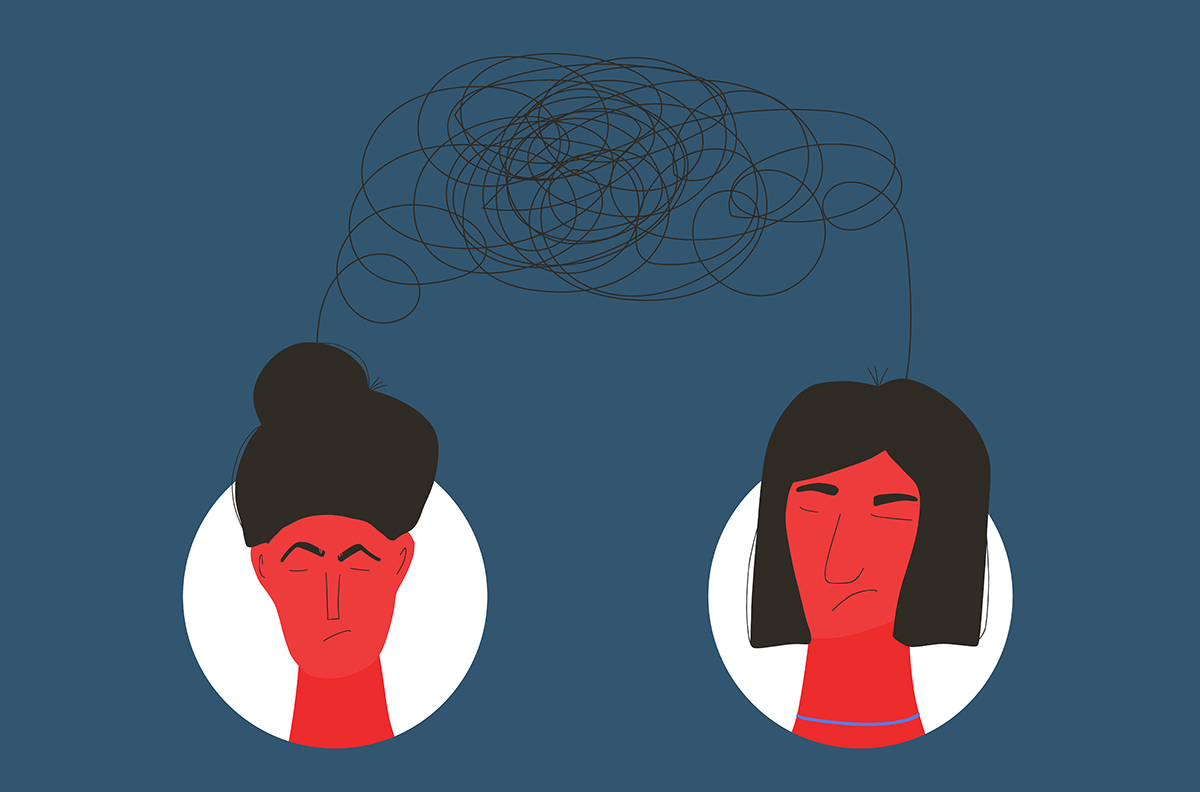
The toll of a toxic friendship
Our social bonds are the fabric of our lives – when they’re healthy, they lift you up to new heights, when they’re not, they can drag you down.
‘A toxic friendship chips away at your wellbeing in tiny, consistent ways,’ explains Hurst. ‘It can erode confidence, heighten anxiety and keep you in a pattern of self-doubt. You might feel guilty for things that aren’t yours to hold, responsible for someone else’s emotions, or constantly “on edge” waiting for the next drama.
‘Over time, this affects your mood, your decisions, your self-worth and even your physical energy. The most dangerous part is that it often happens so slowly that people normalise it. That’s why awareness is everything.’
Alex Golding, Psychosynthesis Counselling Therapist, adds: ‘Toxic relationships shake us to the core because they stir our primal experience of not being seen. Our fundamental needs for love, safety, and being valued aren’t being met.’
The impact goes far deeper than we realise. Poor social relationships have been linked to a 30% higher risk of stroke and a 36% increase in post-stroke mortality.
In other words, who we choose to keep close can influence not just our happiness, but also our lifespan.
Surrounding yourself with supportive people – and distancing yourself from those who drain you – isn’t just a social move, it’s a wellness strategy.
When to cut off a friend
We often hold on to friendships long past their expiry date.
Hypnotherapist Ailsa Frank says nostalgia plays a major role: ‘Familiarity feels comfortable, even when it’s not good for us. We’ve shared a lot with that person and letting go feels like losing a piece of our past. Sometimes it’s easier to stay stuck than to face that change.’
But it’s not always as simple as just walking away. Golding warns against cutting off a friend too quickly, urging us to look at our own role in unhealthy dynamics before shifting all the blame.
‘Sometimes we are the ones who are being ‘toxic’,’ he says. ‘After all, not many people consider themselves toxic yet there are a lot of toxic people around! What makes people toxic is a need to be liked, to feel powerful, to control, to avoid being exposed. Often, that comes from feeling deeply inadequate. They might bully to bolster themselves or be addicted to control because inside they feel out of control.’
In a generation preoccupied with toxicity and boundaries, we run the risk of shutting out important relationships before we’ve given them a chance to recalibrate.
Golding also believes that context is everything. ‘Power imbalances - whether social, economic or rooted in mental health, gender, race or identity – can shape how we meet the world and experience others,’ he explains.
Damaging behaviour isn’t just about individual neurosis; it’s about system dynamics and historic patterns.
‘Toxic people act out within a context,’ he says. ‘We need to ask ourselves: What role have we been playing? What story are we telling ourselves? Toxic circumstances can provide an opportunity for us to rewrite the script, rather than replaying old ones.’
Knowing when to walk away from a friendship is more complicated than just spotting red flags – self-reflection is also key.
Only once we examine our own patterns can we make an informed decision on whether to repair the connection, redefine it or finally let it go.
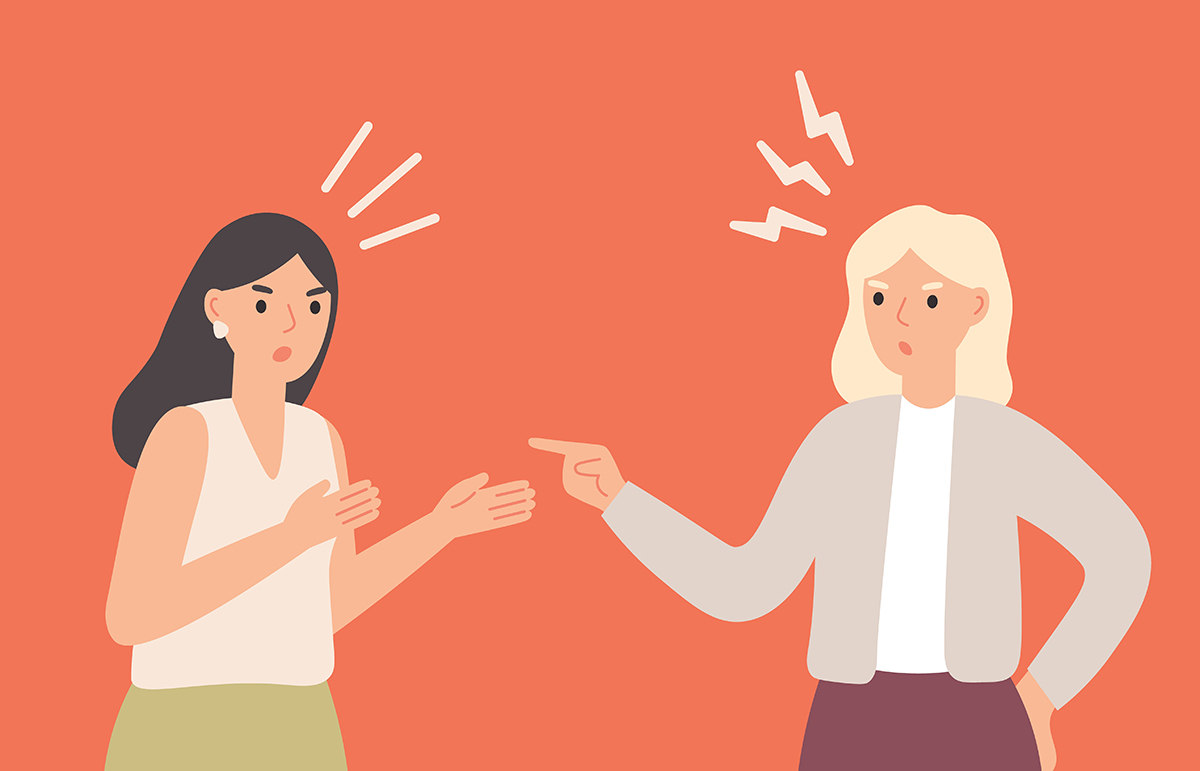
Ten signs you’re in an unhealthy friendship:
1. There’s always drama
Their life is in constant crisis mode, and you’re always getting dragged into it somehow. If every catch-up turns into a soap opera where they’re the main character, that’s not connection, that’s just drama.
2. You can’t rely on them
They cancel last minute, vanish when you need support and magically reappear when they need something from you instead. An unreliable friend won’t show up for you when it matters.
3. They bring you down
Hurst says you should feel energised after spending time with a friend. If you leave a hangout feeling drained, irritable or deflated, that’s a clear sign the friendship is weighing you down.
4. It’s one-sided
‘You give, they take,’ says Hurst. ‘Healthy friendships feel supportive, balanced and easeful. If it’s consistently heavy, it’s telling you something.’
5. Untrustworthy
Trust is the backbone of any strong relationship. Whether they share things you told them in confidence or twist the truth for their own gain, a fake friend will show their true colours through loose lips and inconsistencies.

6. Lack of empathy
If your feelings are met with dismissal, shrugs or eye-rolls, they’re not prioritising you or willing to see things from your point of view. You shouldn’t have to justify your emotions to someone who claims to be on your side.
7. Manipulative
Gaslighting isn’t just for romantic relationships – friends can also guilt-trip or minimise your feelings to “win” a disagreement. If they make you feel unreasonable for your boundaries, that’s a red flag.
8. Competitive
Your success is met with resentment instead of celebration; a real friend roots for you, instead of keeping score.
9. They put you down to others
In wider groups, you become the punchline via back-handed compliments or ‘funny stories’ which are just embarrassing anecdotes you never agreed to share.
10. They talk at you
Your interactions feel more like a monologue rather than a conversation. If their eyes glaze over while you speak, they’re not interested in what you have to say, they’re just waiting for their chance to perform.
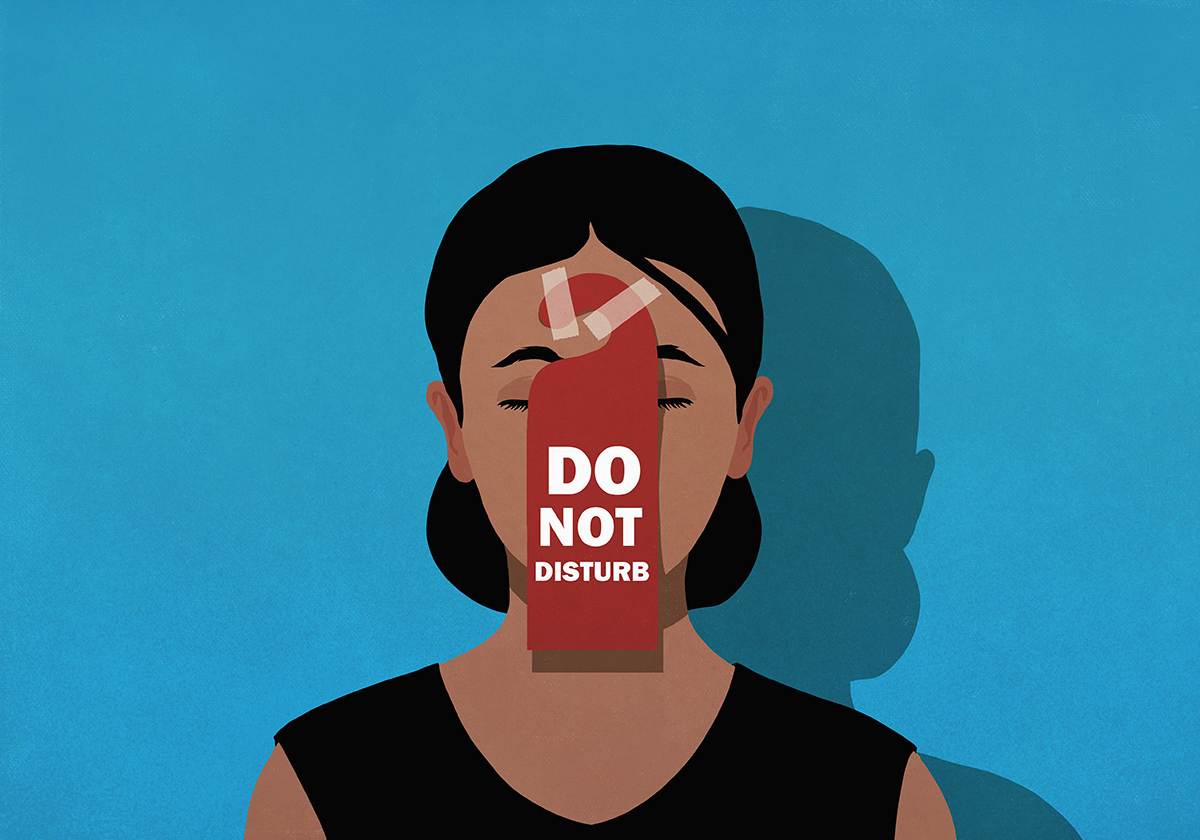
How to set boundaries with a friend
Setting boundaries can feel impossible when you’re a natural people pleaser or dealing with self-esteem issues.
For these reasons, Hurst starts with mindset: ‘If someone believes they “owe” the other person something or that saying no makes them unkind, boundaries feel unimaginable. So, we look at the thoughts driving that guilt or fear. Once we clean those up, practical boundaries become easy.’
In this method, Hurst typically focuses on four areas:
- ‘Clarity — what’s okay and what’s not.’
- ‘Communication — calm, clean, honest. No drama.’
- ‘Emotional regulation — learning to tolerate someone else’s disappointment.’
- ‘Follow-through — holding the boundary even when it’s uncomfortable.’
When assessing oversteps and enforcing boundaries, Frank recommends you look at the patterns.
‘Notice if you’re always the one adjusting or giving in,’ says Frank. ‘Ask yourself if you’re okay with how things are. If not, communicate your needs and see if they’re willing to meet you halfway.’
Sometimes boundaries aren’t enough to fix the friendship, leaving your only option to take a step back.
Frank suggests a gentle, gradual approach: ‘Start making yourself less available so it’s a gradual fade, not a sudden cut-off. Shorten your interactions bit by bit. That way it’s more of a natural drifting apart rather than a big confrontation.’

When to save a friendship
‘A friendship is worth saving when both people are willing to take responsibility for their part,’ says Hurst, who believes honest communication and a genuine commitment to change is key.
‘All relationships have bumps that’s totally normal. But they’re salvageable only when the dynamic is fundamentally respectful and safe.
‘If the foundation is built on control, manipulation or repeated boundary violations, then “repair” usually means prolonging the pain. I always tell clients: look at the actions, not the apologies. Words are cheap and anyone can speak words which sound great so it’s the actions to look out for.’
‘Remember, friendships have phases,’ adds Frank. ‘Sometimes you're close, sometimes life pulls you apart. It's okay to leave the door open if you think a break or a heartfelt conversation could help. Sometimes time apart can heal things.’
However, when the basis of the friendship is deeply dysfunctional, healing can be difficult.
Longevity Expert, Ann Parker explains: ‘If the change is too fundamental it probably won’t happen. Also, the friend needs to have some degree of self-awareness which they might not, otherwise you would probably not be in this position in the first place.’
She advises asking yourself: Would my life be better or worse if I end this friendship? Is there enough good to outweigh the bad? Would I miss this person more than I’d be relieved to not see them?
Golding stresses that not all friendships need to end with a dramatic fallout. ‘Sometimes friendships change because we have changed,’ he says.
‘We drift apart because the initial experiences that brought us together are no longer. Perhaps your worlds have changed, and you lead very different lives. It can be harder to relate when we experience such differing perspectives and daily routines.’
His advice: Stay true to yourself, rather than contorting to fit friendships that no longer feel right.
‘Accepting change can be difficult, but there’s a rhythm to our lives that we can’t ignore,’ Golding adds. ‘As they say, truth sets us free.’

Hurst’s tools for breaking out of a bad friendship
Jacqueline Hurst uses a range of tools to help clients untangle themselves from friendships that no longer serve them.
She says, ‘These tools give people clarity, confidence and emotional grounding and that’s what allows them to choose relationships that truly support their growth.’
Her most common tools and exercises are:
- ‘Thought work — identifying the beliefs that are keeping them stuck in the dynamic.’
- ‘The “Future You” exercise — stepping into the version of themselves who already has healthy boundaries and asking, “What would she do?”’
- ‘Boundary scripts — simple, clean sentences like: “I’m not available for that”, “This doesn’t work for me anymore”, “I care about you, but I need some space”.’
- ‘Journaling prompts - about what the friendship is costing vs. giving.’
- ‘Nervous system work — helping clients feel safe in the discomfort of change.’
Read more:
