
Dating red flags no one warns you about (especially if they ask you this question)
Online dating has become a normal part of modern romance. With millions of people swiping, matching, and messaging every day, apps like Tinder, Bumble, Hinge, and others offer the promise of connection at the tap of a screen. Yet, while these platforms make meeting people easier than ever, they also come with pitfalls.
Knowing what to look out for can save you from heartache, scams, and unsafe situations. Experts and experienced daters agree there are several key red flags to watch for when using dating apps.
- Smart ways women can defend themselves safely
- Sick of dating apps? Here’s how one woman is transforming the way we find love offline
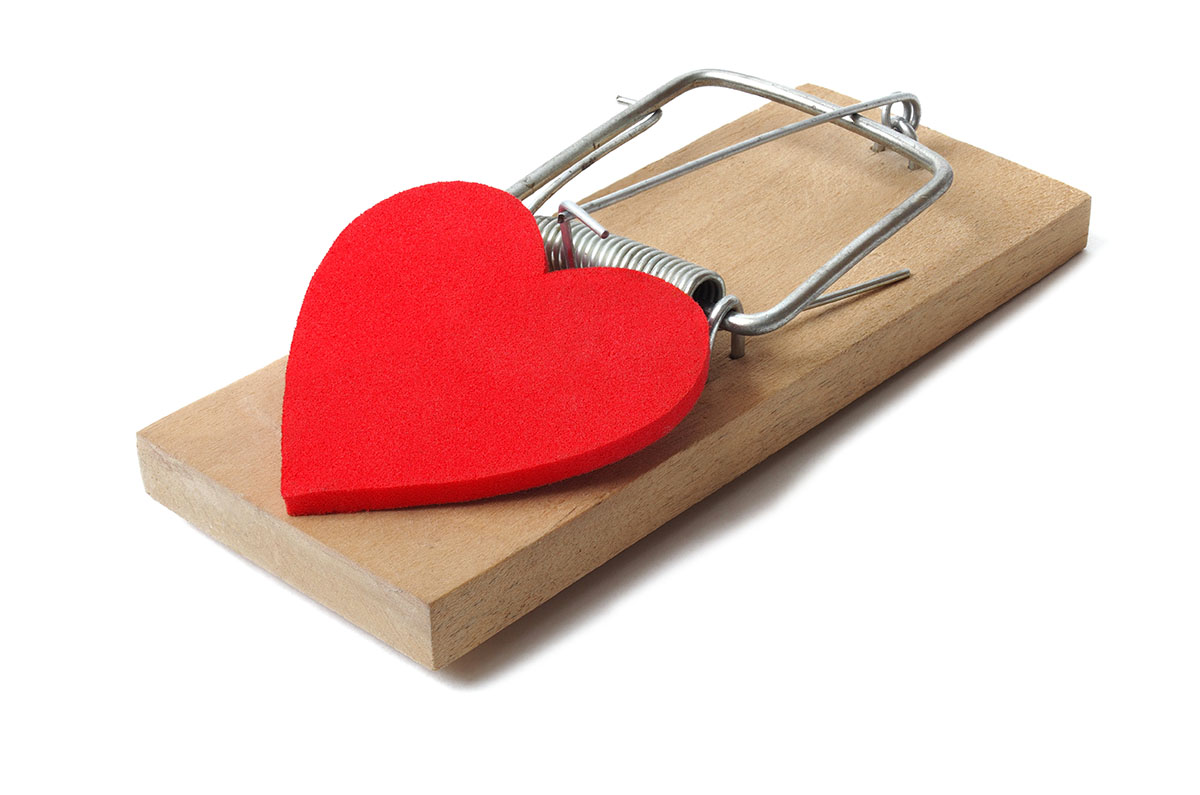
Vague or incomplete profiles
A clear red flag is a profile with little information. People who provide minimal details about themselves, such as leaving the bio blank or writing only one short line, may not be serious about connecting. Sparse profiles also make it harder to verify that someone is genuine.
Tip: Look for profiles that include a mix of personal interests, hobbies, and lifestyle details. This provides a better sense of the person’s personality and intentions.
Overly polished photos
Profiles that feature professional or model-like photos may be misleading. While wanting to present oneself well is normal, an entire profile full of images that appear overly staged can suggest the person is hiding their real appearance or lifestyle.
Tip: Consider whether the photos feel relatable and authentic. Casual pictures often indicate more honesty than a collection of glossy, professional images.
Inconsistent details
Another profile-related red flag is inconsistency. For instance, discrepancies in age, location, or job details between the profile and the conversation can indicate dishonesty. Users should be cautious if information does not align.
Tip: Pay attention to the small details in a profile and conversation. Even minor inconsistencies can signal that the person is not being fully transparent.

Overly sexualised profiles
Profiles that focus mainly on physical appearance or sexual content may indicate someone is primarily seeking casual encounters rather than a meaningful connection.
Tip: Consider whether the profile gives insight into personality, hobbies, or lifestyle in addition to physical appearance. A well-rounded profile usually indicates a genuine intention to meet someone compatible.
Fast-moving intimacy
In communication, a major red flag is rapid emotional intensity. This includes declarations of love or extreme affection early in the conversation. Often referred to as love bombing, this behaviour can be a form of manipulation.
Tip: Take relationships slowly on dating apps. Genuine connections develop over time, and early declarations of deep feelings are usually unrealistic.
Avoiding verification
A reluctance to participate in video calls or provide ways to verify identity can suggest dishonesty. Verification is not only about safety; it demonstrates transparency and willingness to establish trust.
Tip: Consider asking for a short video call or a social media connection to confirm the person’s identity. A reasonable person who is serious about dating will usually agree.

Evasive answers
People who consistently give vague or evasive answers to basic questions may be hiding something. Avoiding personal questions or changing topics frequently can be a warning sign.
Tip: Pay attention to whether answers feel authentic and detailed. If you receive repeated vague responses, it may indicate the person is not being truthful.
Pressuring for personal information
Requests for personal details, such as home addresses, workplace information, or financial data, early in a conversation are serious red flags. Even seemingly harmless questions can indicate controlling behaviour or potential scams.
Tip: Never provide sensitive information to someone you have not met in person. Set clear boundaries and protect your privacy.
Inconsistent messaging
Behavioural patterns can also indicate red flags. Inconsistent messaging, such as long periods of silence followed by intense attention, may be confusing and emotionally destabilising.
Tip: Look for a steady and respectful communication pattern. A healthy interaction is consistent and reliable, not sporadic and intense.

Jealousy and possessiveness
Early signs of jealousy or possessiveness should not be ignored. Comments aimed at monitoring who you speak to or controlling your interactions can escalate quickly.
Tip: Be cautious if a person exhibits controlling behaviour early in communication. Boundaries should be respected from the start.
Sob stories and emotional manipulation
People who frequently share personal crises or sob stories to gain sympathy may be using emotional manipulation. While everyone experiences difficulties, constant emotional appeals can indicate a pattern of control or exploitation.
Tip: Maintain awareness of the balance in conversation. Healthy interactions involve mutual interest and engagement, not repeated appeals for attention or help.
Requests for money or gifts
Asking for money, gifts, or other financial assistance is a major warning sign. Common scams involve fabricated emergencies, such as travel crises or sudden personal problems. Legitimate daters do not request financial support early in a relationship.
Tip: Treat any request for money on a dating app as a red flag. Protect your finances and report suspicious behaviour to the platform.

Meeting in public places
Safety should always be a priority when transitioning from online to offline dating. Meeting in public spaces for initial encounters is essential. Requests to meet in isolated locations are serious warning signs.
Tip: Arrange initial meetings in busy, well-lit public locations. Inform a friend or family member about your plans and arrange independent transportation.
Trusting your instincts
Finally, gut instinct is one of the most reliable indicators on dating apps. If something feels off, it often is. Intuition is based on experience and awareness, and ignoring red flags can lead to unsafe or manipulative situations.
Tip: Pay attention to your emotional reactions. Feeling uneasy or suspicious should not be dismissed. Respect your instincts and set clear boundaries.
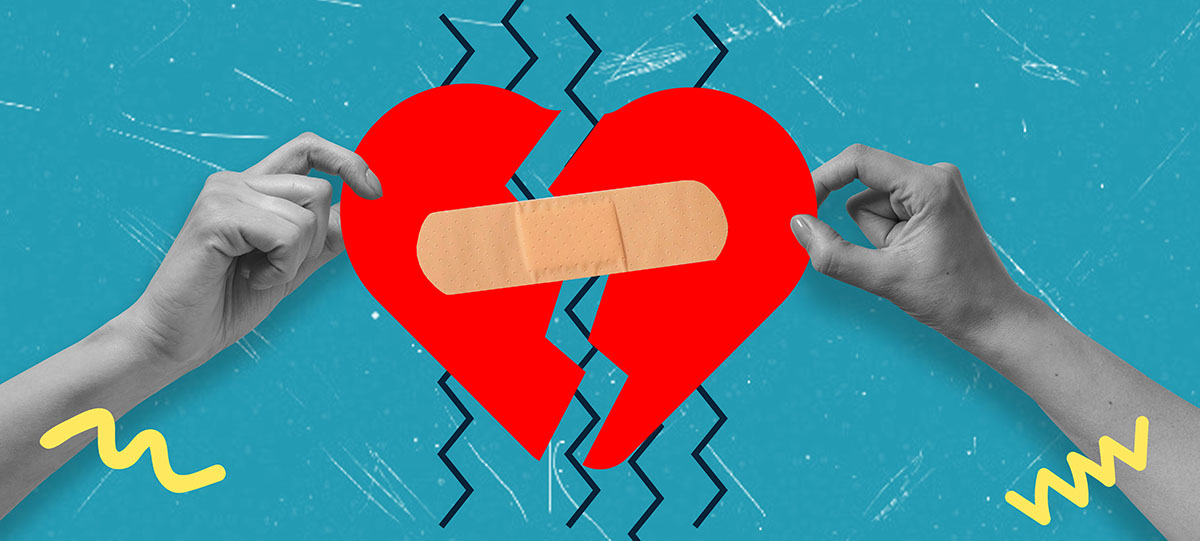
Coping with dating app disappointment
Not every match will be “the one,” and that can be frustrating or even disheartening. Here are some ways to handle disappointment when someone turns out not to be a good match:
1. Accept your feelings
It is normal to feel let down or annoyed. Allow yourself to acknowledge disappointment rather than brushing it off immediately.
2. Keep perspective
One mismatch does not define your dating life. Remember that online dating is a numbers game, and meeting someone compatible takes time.
3. Limit overthinking
Avoid analysing every message or imagining what went wrong. Focus on what you learned from the experience instead.
4. Take breaks if needed
If you are feeling burnt out, it is okay to step away from the app for a few days or weeks. Refreshing your mindset can make the experience more enjoyable.
5. Talk it out
Share your experience with friends or family who understand online dating. Sometimes just venting can reduce frustration.
6. Focus on self-care
Engage in activities that make you feel good about yourself, whether it’s exercise, hobbies, or spending time with supportive people. Feeling grounded helps prevent disappointment from taking over.
7. Adjust your expectations
Set realistic goals and boundaries for online dating. Recognising early signs of incompatibility can save time and emotional energy.
8. Stay open-minded
Each experience, even disappointing ones, is a chance to learn about what you want in a partner and how you communicate.
Read more:
