
Eldest, middle or youngest child? The truth about which sibling has it the worst
Are you the responsible eldest, the overlooked middle or the indulged youngest child? Catherine Carr, host of the podcast Relatively and author of Who’s The Favourite? – the first non-fiction book about the complexities of sibling relationships – has spent years exploring how sibling dynamics define us.
‘It could be the longest relationship of your whole life,’ says Carr. ‘But even though you grew up in the same house, your siblings had a totally different experience of it.’
So, who had the easy ride and who got the raw deal?
- Is your friend secretly toxic? Here are the 10 shocking signs they are
- How to save your relationship in two days
The theory of birth order, first developed by Austrian psychotherapist Alfred Adler in the early 1900s, suggests that our position in the family significantly shapes our personality. Each child develops their own strategy for winning parental attention and love.
‘Children are quick to pick up their place in the family pecking order,’ says Dr. Daniel Glazer, co-founder of US Therapy Rooms and clinical therapist. ‘One becomes the reliable one, another the peacekeeper and another the joker. The roles we slip into as children often stick with us through adulthood.’
We asked experts to unpack the roles, rivalries and lasting fallout of where you landed in the family.
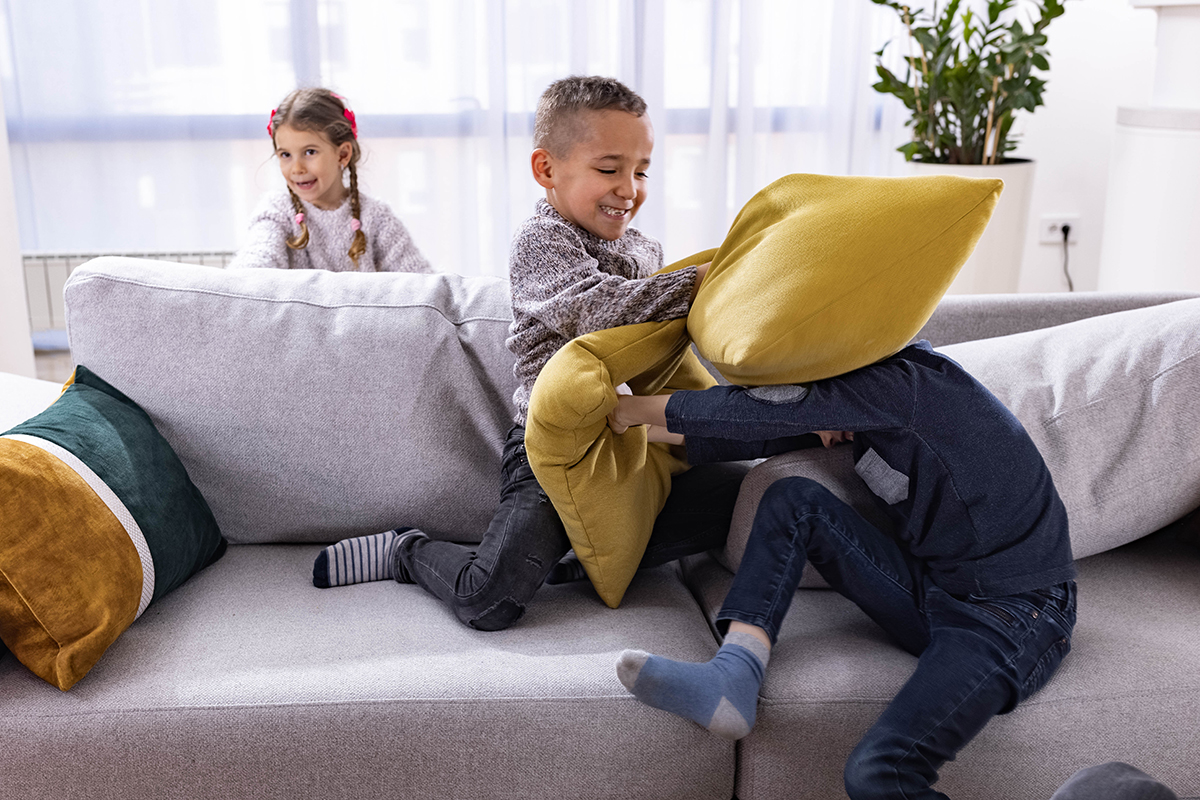
Same parents, different childhoods
One of the most disorienting realisations siblings can have in adulthood is that their memories of growing up don't match. The same house, the same parents, the same holidays, remembered entirely differently.
Carr explains this difference in perception vividly, ‘Just imagine going to the seaside when you're little, and for you, that becomes the root of your fear of the sea, because you remember it being wild and wavy, out of control. But that's because you were two, and the waves were huge. Your brother is six, and the waves are tiny. Same day. Completely different experience.’
These different points of view can create barriers in siblings’ relationships. ‘You're longing for this connection, which is real, but it's also not perfect,’ warns Carr. ‘Because they don't know what it was like to be you when you were little. So, it’s very knotty.’
Siblings can also completely rewrite history to insert themselves as the main character. Carr points to a study on twins who both recalled being in the police car during a childhood search, when only one of them was there. The instinct to be the protagonist of our own story runs deep and can make us all unreliable narrators.

And then there’s preferential treatment. A study found that up to 74% of mothers and 70% of fathers in the UK admitted to having a favourite child, but only 10% would admit it publicly.
This hidden favouritism has an impact: the favoured tend to have better mental health, fewer behaviour problems, greater success and healthier relationships, while the opposite is true for those less favoured.
Helen Wells, Psychotherapist and Clinical Director at The Dawn Rehab Thailand warns that it can also harm the favoured: ‘Their identity can become closely tied to parental approval, which can make failure, criticism, or independence more difficult,’ she explains. But who tends to be the golden child? Research suggests it’s the eldest daughter.
The eldest child
Born with 100% of parental attention, the eldest child is uniquely observed and more closely monitored than their siblings.
As Carr notes, firstborns often have perfectly filled-out baby books with locks of hair and footprints, while younger siblings are lucky to have a few creased photos. This special treatment is both a blessing and a curse, as it creates a pressured, expectant atmosphere that eldest children often feel they must rise to.
Adler characterised firstborns as dutiful, sometimes conservative, mature, and high achieving. This is partly due to the adult world they’re born into, surrounded by adult language rather than the influence of a toddler sibling.
‘But there's also a deeper thing,’ adds Carr. ‘All that focus and attention brings also the expectation that they’re going to represent something, fulfil something, prove something. And that tends to free up other siblings who follow because the oldest already got that gig, to be the lawyer, the doctor.’
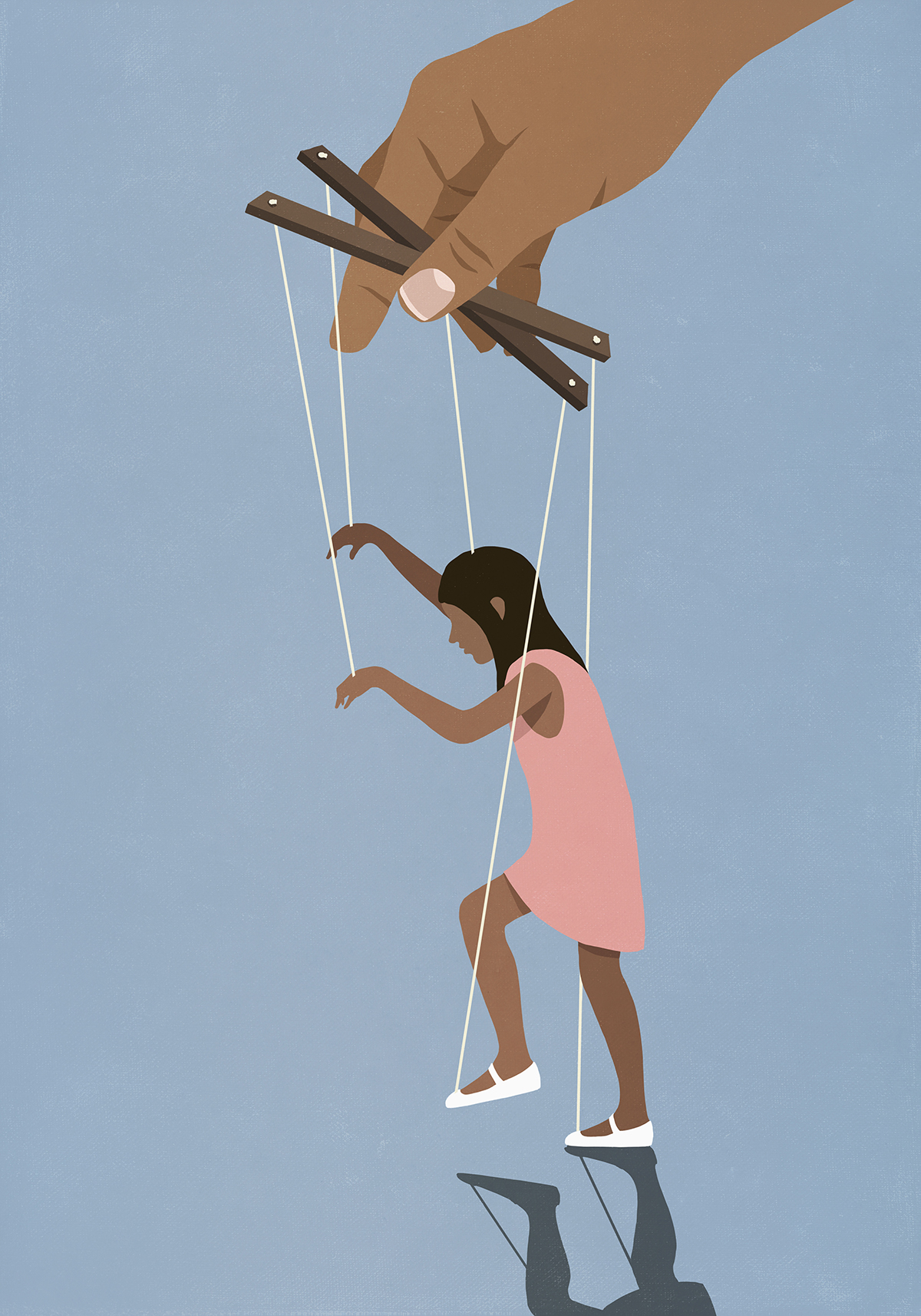
Norwegian studies of 60,000 brother pairs found that firstborns tend to have marginally higher IQs, complete higher-level degrees and gravitate towards prestigious careers like medicine and engineering.
Across cultures, this pressure takes on different forms. In some families, the eldest is pushed to excel academically, while in others, they’re expected to leave school early and contribute financially. But the underlying theme, argues Carr, is always responsibility.
‘This can be tricky, because it's sort of a preferential position, because you naturally take on a leading role, but it's also quite fraught,’ Carr explains.
Typical traits:
- Natural leaders, dutiful and responsible
- Assertive and confident
- Ambitious, perfectionist and high achieving
- Conscientious and organised
- Prone to anxiety, neuroticism and feelings of guilt
- Enjoys thinking about complex ideas
- Struggles to negotiate and compromise
- Bossy and controlling
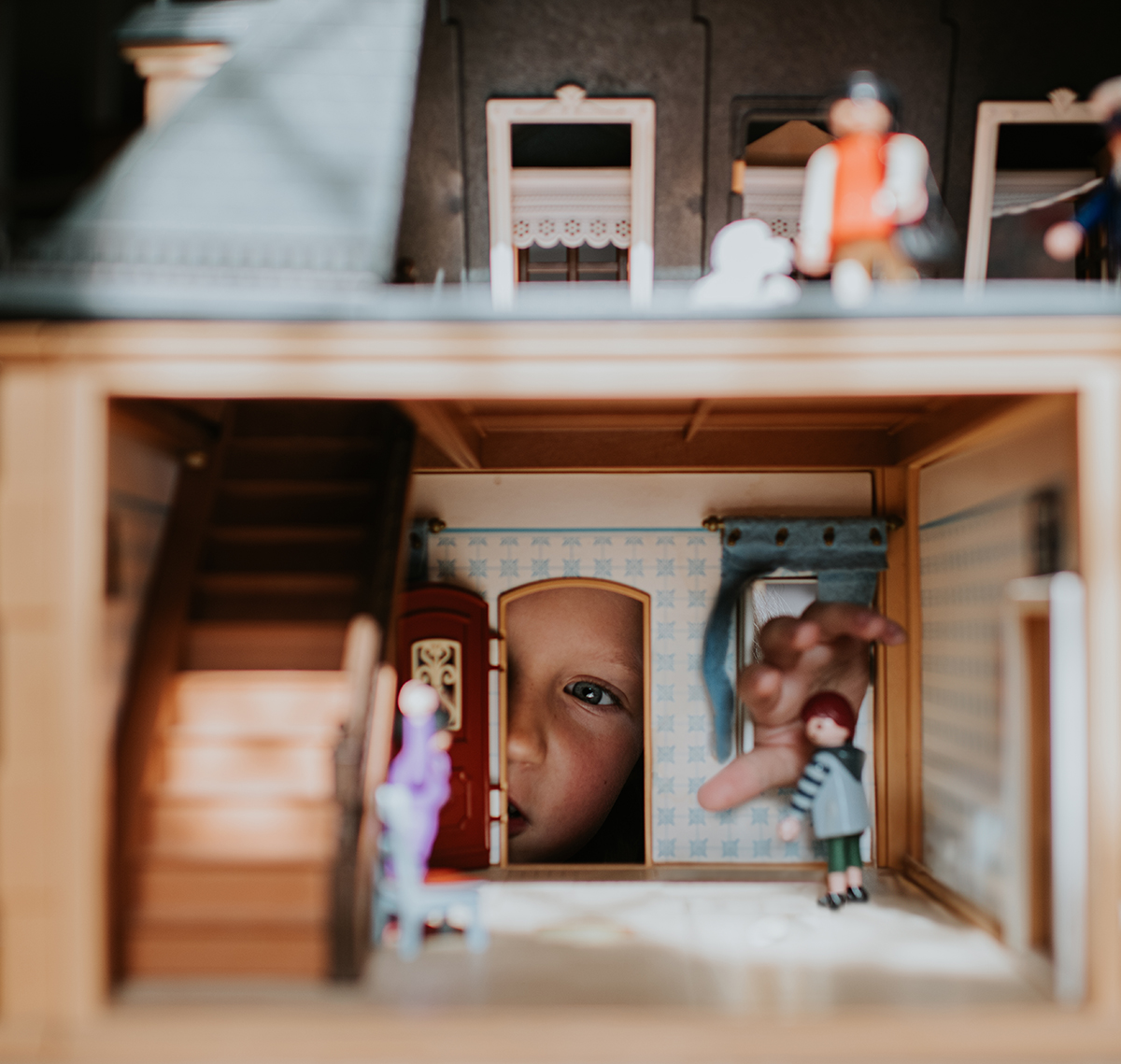
These characteristics are reflected in the real-world. Drew Law, a psychotherapist interviewed in Carr’s book, found that first violinists – the highest-ranking position in the orchestra next to the conductor – tend to be eldest children and that they were also generally bad at negotiating with each other.
The eldest child also experiences the ultimate dethroning – the psychological shift a child undergoes when a younger sibling is born. ‘If you're the firstborn, you're displaced, maybe once, maybe twice, maybe three times in your parents’ affection,’ says Carr. ‘The new baby comes along, and you must make way.’
Beginning life as an only child, the eldest was the sole object of their parents’ attention, so the dethroning hits harder than perhaps it does for the middle child, who never had that one-on-one attention to begin with.
Middle child syndrome
Middle child syndrome has long been a cliché pop psychology shorthand for the overlooked. But Carr says the reality is more interesting than that, as an insecure position in the family can also have its advantages.
‘For the middle, it’s all about who you ally with,’ she explains. ‘Do you side with the oldest, against this annoying baby? Or with the baby, against the bossy eldest? What that does is create a child who's quite able to flit and move – you have this mushy-in-the-middle identity, which means you're free to shapeshift a little bit.’

This adaptability can also come along with some negatives. Adler described middle children as people-pleasers who were prone to a negative self-perception due to a lack of “significance”.
Carr, herself a middle child, recognises some of the stereotypes in her own character: ‘I don’t like a lot of confrontational conflict. I'm a bit of a smoother-over, a bit of a peacemaker.’
Typical traits:
- Independent and self-reliant
- Either rebellious or people-pleasing
- Natural peacemaker, negotiator and diplomat
- Highly sociable and fun
- Empathetic and adaptable
- Prone to jealousy and insecurity
- Lower self-esteem yet higher resilience
- Skilled at forming alliances and reading the room
According to Lidija Elezovic, School Counsellor and Professor of Psychology at Education World Wide, larger families work a little differently: ‘An older middle child is likely to behave more like an eldest child, especially when needed to help care for younger siblings. A younger middle child may self-identify more with the youngest role and seek to make a mark within the family.’
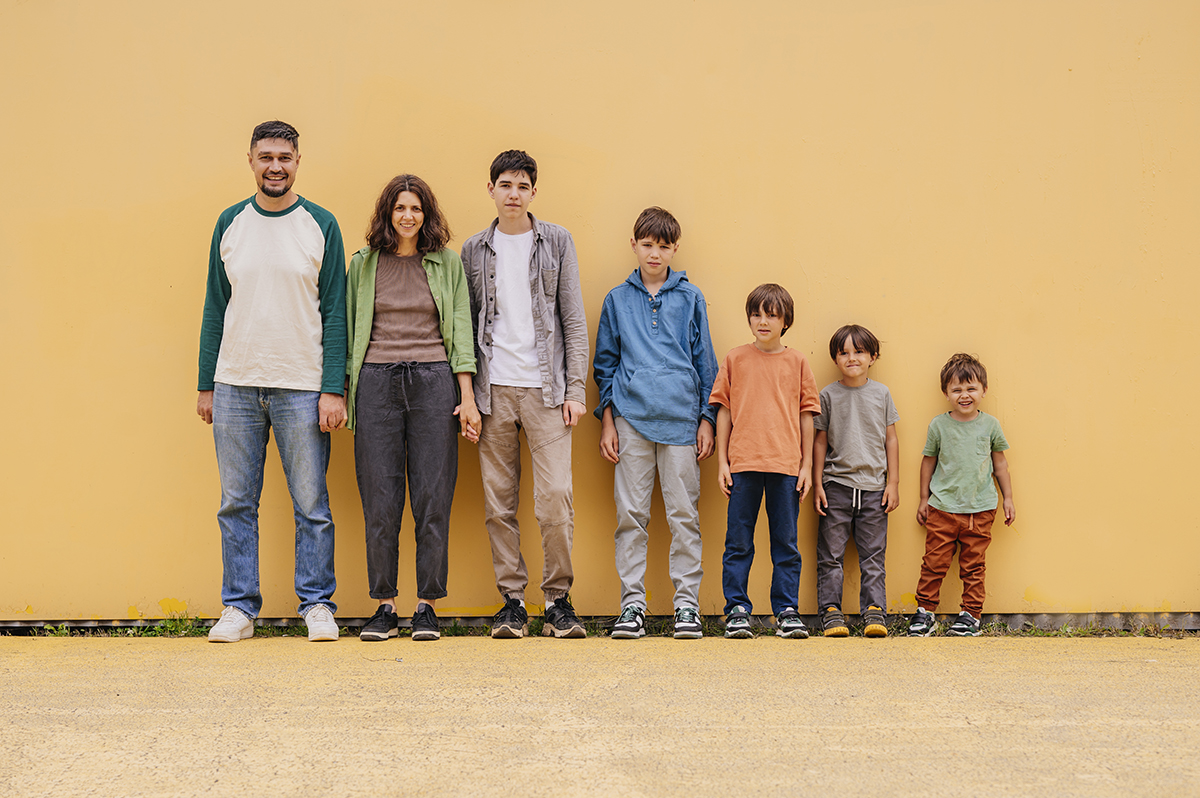
The “baby”
The youngest child has a reputation for charm, irreverence and a talent for getting away with things. But Carr cautions against seeing this position as purely advantageous. ‘Babies who've never been dethroned can struggle as adults when something emotional happens to them,’ she explains.
Their first crisis – redundancy, loss, rejection – can hit harder and be deeply destabilising. ‘Because it's the first big shock emotionally, they can be a little tender and not very resilient,’ Carr adds. This lack of usurpation can also make them spoiled.

Adler characterised the youngest children as the most free-spirited, while also immature and risk prone. The family environment could also have shifted massively by the time the youngest arrives. Financial circumstances, emotional bandwidth and parenting style may be significantly different from when the eldest was born. In this sense, siblings don't just have different childhoods – they can also feel as though they had different parents entirely.
Typical traits:
- Social, charming and outgoing
- Loving and affectionate
- Free-spirited and outgoing
- Risk-taker, and open to new experiences
- Immature and self-centred
- Naturally draws attention and affection
- The least resilient
Sons vs daughters
The experience shifts significantly depending on gender; in many parts of the world, the eldest son is still cast as the family’s primary breadwinner. But in the UK and US, it’s the eldest daughter whose burden is in the spotlight, taking over our TikTok feeds and earning a track title on Taylor Swift’s new album.
Research does show that care will fall to the daughters, while sons tend to take on a more practical role. ‘They use the word help – they’ll fix a handrail, make an appointment, get a plumber, but they don’t talk about their role as caring.’ They’re less likely to engage in the hospital appointments or the difficult intimate stuff. ‘That just speaks to like the mental load that women carry generally in life,’ adds Carr.

Sibling relationships also According to Carr, sister–sister tends to be the closest over a lifetime. Brother–brother tends to be more tumultuous. Part of this comes down to who keeps relationships alive, and women tend to act as the glue.
‘Women are kin keepers and relationship maintainers,’ explains Carr. ‘Often, it's still women who manage their partner's family's birthdays. It starts with wedding planning. So, when brothers get married, they may become closer – because the women in their lives help them do it.’
The only child
Few stereotypes are more persistent than the idea of the lonely, spoiled only child. But does this hold any truth? Carr puts it bluntly, ’When you look at the research around only children and where it came from, it's completely hilarious and doesn't bear out in any of the evidence.
‘The idea of the lonely only or the spoiled only implies that the flip side of being a sibling is all sunshine and joy – that having a sibling rescues you from some sad state. What that does is prevent us from thinking carefully about what being a sibling can really be. It can be hard, really upsetting. People get hurt. People estrange. We hold up siblinghood as this idealised thing – 'I love her like a sister' – without allowing people to admit how difficult it can be.’
With only-child families becoming increasingly common – a trend driven by economics, fertility patterns and shifting social norms – Carr believes the conversation needs to change.

How to redefine sibling relationships
Sibling relationships aren’t fixed; childhood dynamics can be renegotiated to suit who you’ve become. ‘There’s lots of nostalgia around siblings,’ says Carr. ‘We tend to think about our brothers and sisters as children, at home and growing up, which I think can be unhelpful and restrictive.’ Old labels, like the difficult one or the careless one, can cause real damage in adult sibling dynamics.
‘Life is so difficult in midlife and so unpredictable,’ adds Carr. ‘Sometimes you can feel like you've lost your way, so it's very comforting to go back to people who knew you at the beginning, when all your hopes and dreams were intact. We look to our siblings to remind us of who we were. But I think we should also ask them to get to know us as we are now.’
The path forward doesn't have to be heavy or therapeutic. Carr's advice is refreshingly practical: make new memories as adults and spend time together that isn't shaped by family occasions or crisis.
For some, feeling overlooked, unfairly compared or labelled as a child can create what Wells refers to as “small-t traumas”. She recommends deep self-reflection and professional guidance to unravel these feelings. ‘You might ask yourself questions like: Which experiences felt the most painful or unfair? How did they influence how I see myself? Reflection could be as simple as journaling, talking with a trusted friend, or just taking time to notice recurring thoughts and feelings.’
Read more:
