
If the cracks in your relationship are making you consider a breakup, it’s not too late to save it – there are strategies to get back on track fast.
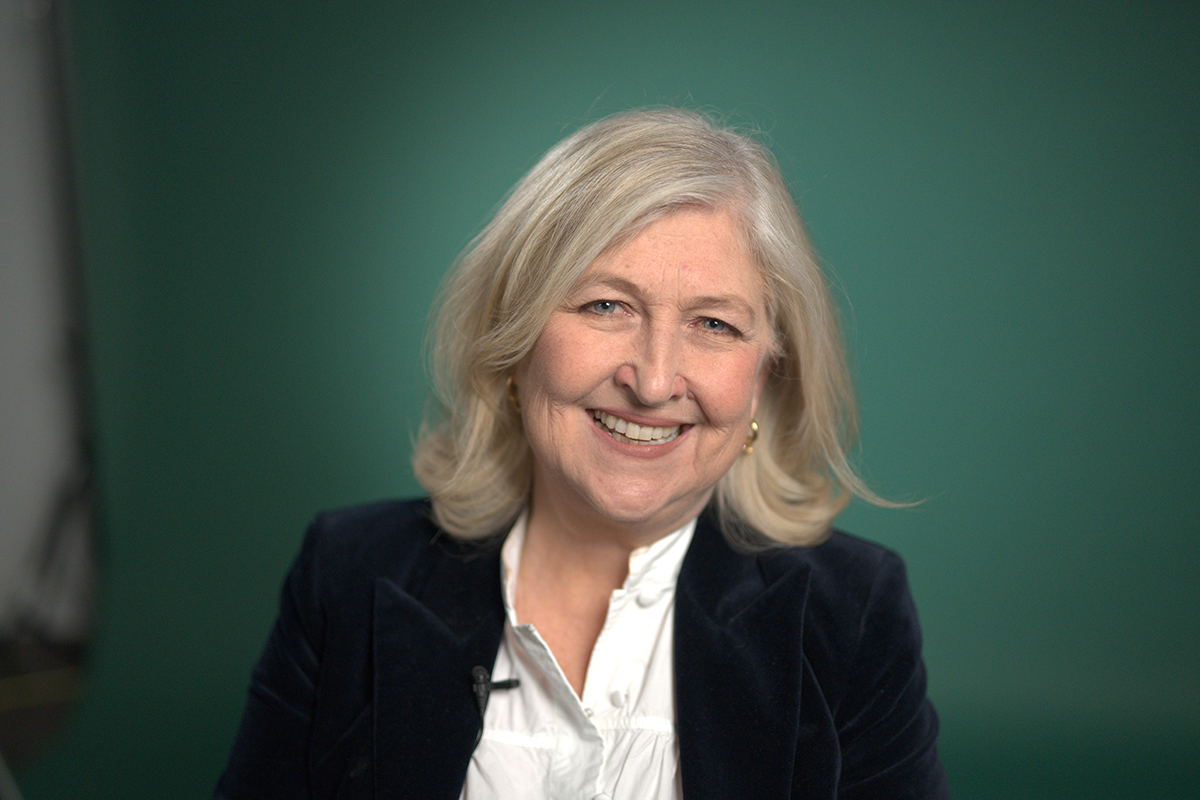
Director and lead therapist at The Relationship Practice, Pam Custers hosts a Couple Intensive Retreat that uses in-depth couples coaching to help partners reconnect.
‘Relationships are the cornerstone of our lives,’ says Custers. ‘When our relationships are working well, life somehow takes on a different complexion. The everyday challenges we all face feel easier to navigate, and we feel more grounded, more resilient, more ourselves.
‘What many of us don’t realise is that all relationships go through moments where they need recalibration. There are times when it becomes essential to pause, take stock, and revitalise our connection with our partner.
‘The Couple Intensive Retreat invites couples to step away from the noise of everyday life for two days and embark on a journey that reinvigorates the very foundations of their relationship. It is a transformational process that allows couples to explore the core dynamics shaping their connection.’
- The rise of menodivorce. Why more women are leaving their partners after 50
- Too good to be true? 10 early signs of love bombing
Intensive couple retreats
Developed by Pam Custers, these bespoke intensive couple retreats are designed to reignite relationships by healing past wounds and fostering meaningful connection.
‘Shifting a relationship does not usually require dramatic or overwhelming change,’ explains Custers. ‘What it does require is understanding - the ability to talk things through in a way that fosters curiosity rather than blame.’
Research shows that nearly 70% of relationship conflict resolves around perpetual problems, centred on fundamental differences in lifestyle, values or emotional needs. These conflicts cannot be “solved”, only understood and managed through open dialogue.
‘Drawing on the work of leading psychological thinkers such as Gottman, Perel and Johnson, and grounded in scientific research, the retreat integrates neuroscience, attachment theory and personality psychology,’ says Custers.
‘This creates a powerful, structured framework for change that is both compassionate and deeply practical.’
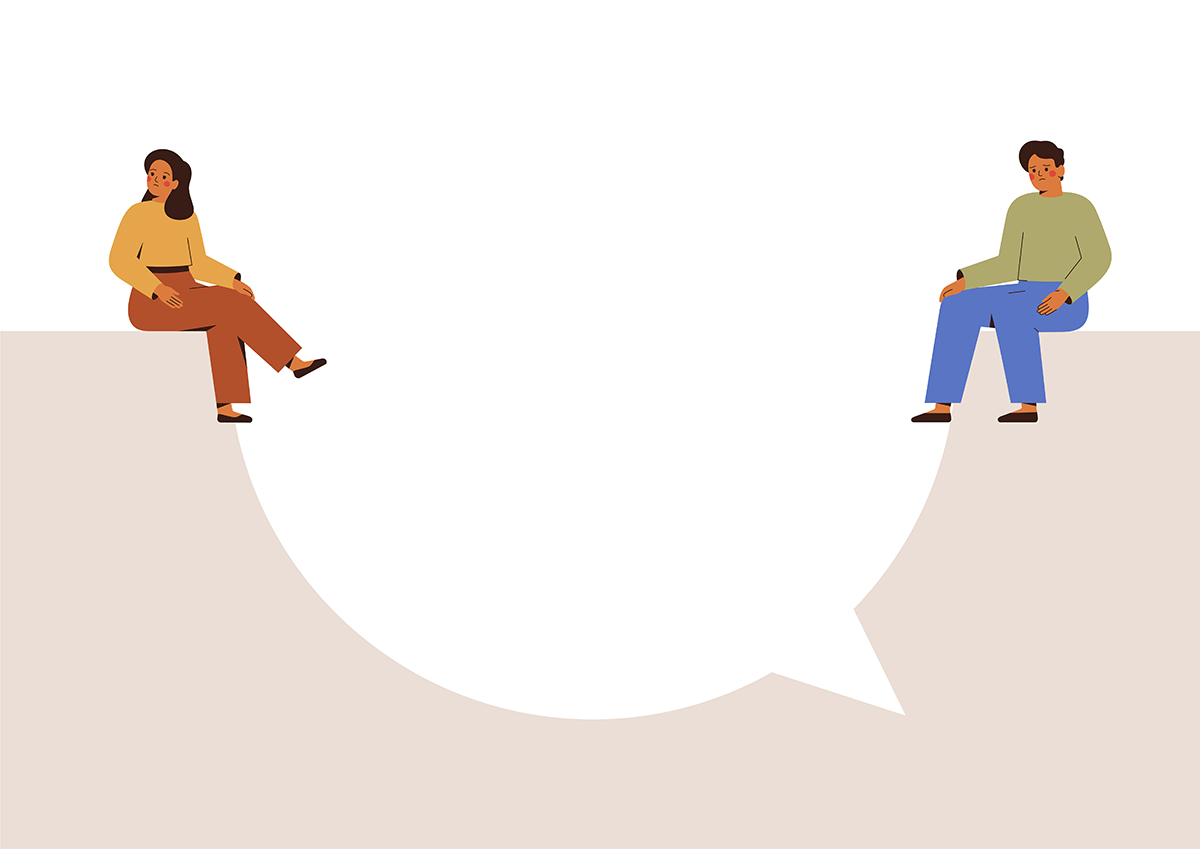
Custers believes the greatest benefit of this approach is that there is no “bad guy”.
‘Instead, couples learn tools that help them reconnect with the love, safety and intimacy they both desire’. Skills that are proven to increase relationship satisfaction and emotional security.
Designed to gain traction quickly, Custers says the retreat enables most couples to reach a stage typically achieved after six months of traditional counselling in just two or three days.
She emphasises that the key to success is a shared commitment to trying: ‘There is real bravery in saying to a partner, “Let’s do something different.” In choosing to invest in a shared future. In valuing what already works, while courageously letting go of patterns that no longer serve the relationship. Ultimately, this work is about commitment - to growth, to connection, and to love.’

What to expect on a Couple Intensive Retreat
‘The Couple Intensive Retreat unfolds across eight carefully designed stages,’ says Custers. ‘Each one intentionally building on the last.’
Couples are guided through a process that encourages them to view their relationship from a new and more open perspective: understanding long-standing patterns, strengthening emotional connection and rediscovering their spark.
By the midpoint of the retreat, most couples report a noticeable shift in their communication, Custers explains.
Conversations that once felt difficult begin to feel safe and deeply connected. Couples learn how to respond more differently during moments of conflict and emotional disconnect, replacing reactive responses with constructive, understanding conversations.
‘These are the kind of conversations that soothe, repair and heal,’ says Custers. ‘They learn how to de-escalate conflict and navigate the inevitable disagreements that arise in all relationships.’
Embarking on a couple’s intensive retreat can feel daunting, especially when you’re unsure what to expect. Here, Custers breaks down the structure of the two-day retreat to demystify the process.

Day one: Understanding patterns
‘The first stage of the retreat focuses on understanding our neurobiology,’ Custers explains.
Why does the person you love most also trigger your strongest reactions? Why do small disagreements escalate so quickly?
‘Couples explore their internal working models,’ she continues. ‘The unconscious templates that shape how we experience relationships, interpret behaviour, and give and receive love.’
Research suggests that over 90% of our emotional responses happen subconsciously. By learning to recognise these patterns, couples can approach repeated conflicts with greater awareness and compassion.
‘We then look closely at what happens when couples feel disconnected,’ continues Custers. ‘And how these moments can lead to familiar relationship “dances” that unintentionally sabotage closeness.’
The metaphor of The Relationship Dance helps us understand disruptive cycles. Like choreography, these unconscious patterns determine whether partners move in sync or fall out of rhythm.
Misunderstanding and emotional shutdown can result in missteps; while understanding and clear communication allow couples to move in harmony.

Day two: Creating lasting change
Day two is all about turning insight into action. ‘In the second half of the retreat, couples begin to create meaningful and lasting change,’ says Custers.
To break old habits, partners practice new ways of relating through a dialogue that feels supportive and safe rather than accusatory. These skills are repeated and refined until they feel natural and embodied rather than forced and scripted.
This highly focused and immersive experience allows couples to fully commit to the process without outside distractions.
One study on intensive therapy formats found that this concentrated approach can produce results in a couple of days that would otherwise take months of weekly sessions, as couples stay continuously emotionally engaged rather than resetting between appointments.
‘The retreat concludes with a clear, shared vision for the future,’ says Custers. ‘One that feels hopeful, intentional and rooted in mutual understanding.’

When is a relationship worth saving?
‘As someone who has worked with thousands of couples, I know how common it is for people to believe they are alone in their struggles,’ says Custers. ‘In reality, the same themes appear again and again: communication, intimacy, parenting, and the pressures of modern life.’
Many couples quietly ask themselves whether their relationship is worth saving, explains Custers, who believes the answer becomes clearer when we look at the following few indicators:
1. Both partners still want to try
Couples who enter therapy with shared motivation and commitment are more likely to succeed. The strength of the desire to work on the relationship often matters more than the severity of the problems.
2. There’s mutual respect
‘Mutual respect, even during difficulty, is a powerful foundation for change,’ assures Custers.
Couples who can disagree without contempt and ridicule are more likely to recover from conflict, with respect supporting stability.
3. The challenges are workable
‘When challenges relate to communication, stress, life transitions or unresolved conflict, meaningful repair is absolutely possible,’ explains Custers. In fact, they are the areas where therapy is most effective.
4. There’s accountability
While trust repair takes time, relationships can recover from infidelity and other betrayals.
According to Custers, ‘Even when there has been a breach of trust, relationships can be rebuilt provided there is genuine remorse and a willingness to make changes.’
5. There’s hope for the future
‘Hope for a shared future is often the strongest sign that a relationship can be saved,’ says Custers.
Couples who can still imagine a future together tend to engage more deeply in the therapy process as they believe repair is possible.
6. The relationship is at a point of transition
‘There are predictable stages in every long-term relationship where challenges are more likely to arise,’ explains Custers.
Career shifts, becoming parents, children leaving home, menopause and retirement are all huge life changes which can destabilise relationships.
‘We are currently seeing a rise in “silver divorce,”’ Custers continues. ‘Where later life has become a crucial moment for reassessment. Yet, when couples are able to recognise these transitions and deeply reconnect, it is a privilege to witness relationships move forward with renewed resilience and love.’
However, Custers thinks it is important to note that not all relationships can or should be saved.
‘If a relationship is abusive, if core values are fundamentally misaligned (such as differing views on having children or fidelity), or if there is active addiction without commitment to change, it may be that the relationship has reached its natural conclusion.’

Who would benefit from a Couple Intensive Retreat?
There’s no “right” type of couple and no perfect time for an intensive retreat – what matters most is the willingness to make a change.
‘Many couples delay seeking support, hoping issues will simply resolve themselves,’ says Custers. ‘In my experience, this is often when difficulties become entrenched. Early intervention is always kinder, more effective, and far less painful.’ No problem is too small – or too complex – to explore in an intensive retreat.
Take John* and Claire* for example, when they took part in Custers’ Couple Intensive Retreat they had reached a painful stalemate. ‘Each time Claire spoke about her frustrations, John withdrew,’ explains Custers.
‘His withdrawal fuelled Claire’s distress, leaving her feeling unheard and increasingly frustrated. They loved each other deeply and had weathered many storms together, yet both longed for a relationship that felt more nurturing and emotionally connected. Claire was starting to question if she could face this for another twenty years.’

Though nervous about attending, they knew it was time to make a shift. ‘I was wondering what I had let myself in for,’ John* reflected.
‘We’d had a couple of marriage counselling sessions before, but this was different. It quickly became clear that we were collaborating. It was oddly reassuring to realise that much of what we were experiencing was quite textbook for our personality types and attachment styles. I stopped feeling like a failure – it was incredibly liberating.’
Claire* described a similarly freeing experience: ‘It was so moving for me to hear what John really needed from me, and to understand how much he cared. I had been longing to know what he was really thinking. Because there was no finger-pointing, it opened us both up. Before we realised it, we were talking about things we hadn’t spoken about for many years.’
‘I came away with so many new insights,’ John* explained. ‘After being together for so long, I didn’t think there would be anything new to learn. But it’s given us a new lease of life. We have exciting plans again. She is my soulmate, and I never want to lose her.”
*Names changed for anonymity
Read more:
