
Dermatologist reveals their surprising skincare routine (and which ingredients actually work)
Everyone’s skin battles something different, and the seasons bring their own set of challenges. In the summer, high UV levels put you at risk of sunburn, and cold winter winds are a common culprit of dry skin.
No matter the battleground, we all have to endure our own fights. So using the right products is vital – not just for cosmetic purposes, but for protecting your health.
Research has highlighted that our skin ages in two main formats: extrinsic or intrinsic. Extrinsic ageing accounts for 80% of ageing that we visibly see, coming from UV ray exposure, sleeping behaviour, smoking habits and diet. Intrinsic ageing accounts for the remaining 20%, which includes general health, stress and skin conditions like eczema and acne.
Understanding what healthy skin looks like for you and your body is an important step to protecting your physical health. ‘Healthy skin is skin that functions well,’ shares Dr Kristina Semkova, consultant dermatologist at the Cadogan Clinic.
‘It doesn’t need to be flawless or poreless, but it should feel comfortable, resilient and balanced, with an intact barrier that protects against environmental stressors. Good skin is not constantly irritated, inflamed or reactive, and it recovers quickly when challenged. Ultimately, healthy skin is about function and stability rather than perfection or chasing unrealistic aesthetic ideals.’
- Dermatologists are divided on LED face masks. Here's why
- This is the biggest hair removal mistake you're making
Understanding the benefits of different products and ingredients is essential to looking after your skin, but it will only help to a certain extent. Using a product will enhance the lifestyle changes that you’ve been making to improve your skin health: it won’t make the change on its own, as Dr Kristina explains ‘The skin is the largest organ in the body and should be cared for as part of overall health, not in isolation.
‘Adequate sleep, good nutrition, hydration and stress management all play a significant role in skin health. Sun protection is essential year-round, not just in summer. Smoking cessation and moderating alcohol intake can also make a visible difference. What happens internally often shows on the skin, so looking after the body as a whole is one of the most important steps people can take.’
Products
Cleanser
Using a cleanser will remove all of the built-up dirt and oil that our skin naturally produces throughout the day, helping to create a blank canvas for products to work on our face. If you’re looking to buy a cleaner, opt for a gentle product that won’t remove too much of the natural oils or moisture that you want to preserve on your skin.
Facialist, skincare expert and founder of Jacqueline Organic, Jacqueline Yong, shares ‘Many people still believe squeaky-clean skin is healthy skin. Harsh cleansers, frequent exfoliation, or foaming formulas can weaken the skin barrier, leading to dehydration, sensitivity, and breakouts. Healthy skin should feel comfortable and balanced, not tight.’
Moisturiser
The key thing your skin needs is moisture – so remember to moisturise! This simple but staple step is something that you should never forget to do every morning and evening, as it helps your skin maintain the elasticity it needs to look younger and feel healthier.
Paired with drinking enough water each day, moisturising daily is an essential part of any skincare routine for people who want to protect their skin barrier.
SPF
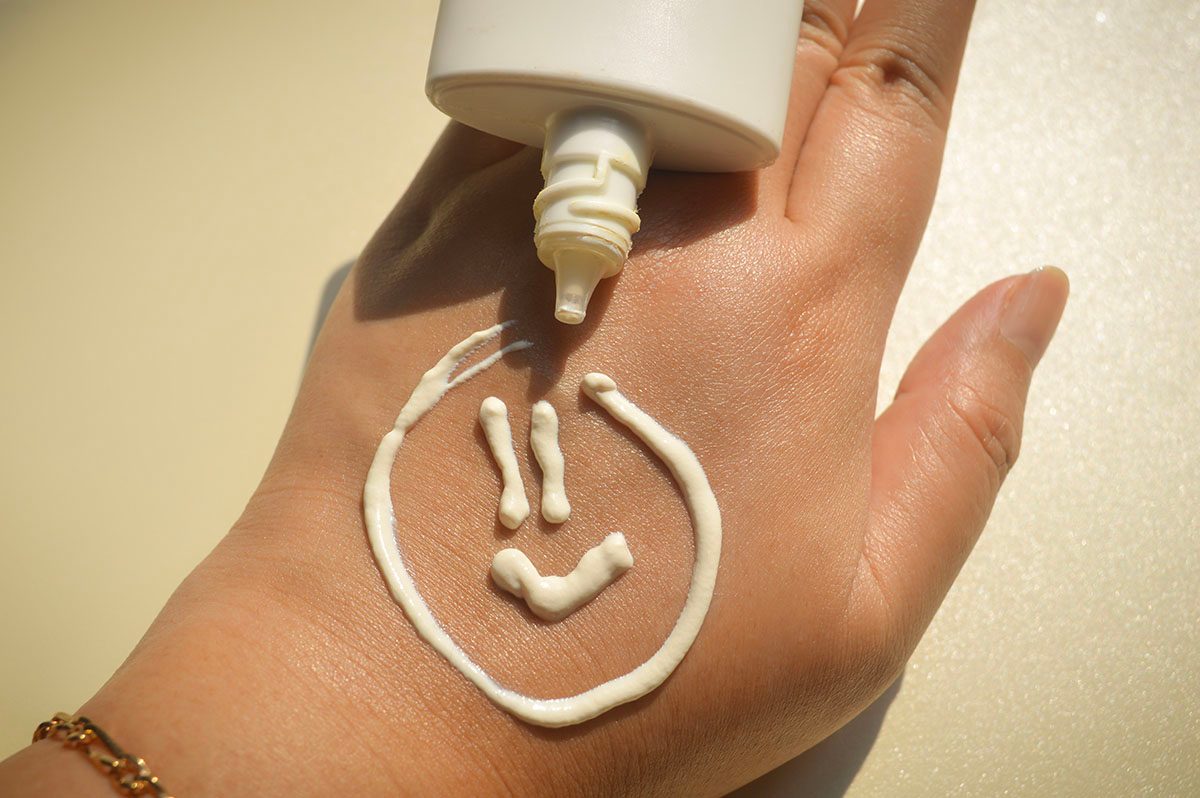
Sun Protection Factor (SPF) isn’t just a product you apply in the summer to protect your skin. Applying an SPF, or ideally using a moisturiser packed with SPF already, should be a key step to your skincare routine. It protects the skin from UV rays in the sun, which may be heightened in the summer, but continues to slowly damage your skin all year round.
‘This remains one of the biggest obstacles to visible skin improvement,’ adds Jacqueline. ‘Without daily sun protection, even the best serums and treatments are working against ongoing damage.’
Jacqueline’s skincare routine

‘Jacqueline Organic Facial Oil - Perfect for rejuvenating dry and dehydrated winter skin.
Chantecaille Blanc Peony Face Cream - For brighter and revitalised skin.
Supernatural Sleeping Mask - Instant skin revival for plump and hydrated skin.
Ogee Organic Brightening Botanical Eye Balm - Plumps and hydrates the delicate eye area.’
Ingredients
The ingredients packed into each product shouldn’t have to be over-complicating that skincare routine that you’ve just crafted. There are a few key ingredients that may crop up more frequently, and they help protect and rejuvenate your skin barrier at different parts of your body.
‘Some of the most common ingredients that you'll see in mainstream skincare at the moment are vitamin C, collagen, hyaluronic acid, niacinamide, retinol, glycolic acid and salicylic acid, explains Karen MacDonald, facialist and skincare expert at Blomma Beauty. ‘These are active ingredients that can be used to approach a number of skincare concerns.’
If you’re not sure how or where to apply these ingredients, let alone what they do, we’ve got Karen to unpack how each ingredient supports your skin barrier:
Hyaluronic Acid
Hyaluronic acid works to absorb and maintain moisture in the skin, essentially acting to soothe and moisturise drier, aged skin.
‘Hyaluronic acid is naturally produced by the skin, and its levels drop as we age,’ adds Karen. ‘Depending on the type and molecule size of hyaluronic acid, some can do more harm than good, so this is something to be a little bit careful of when selecting skincare, so I'd recommend just using hyaluronic acid on days when you need extra flash hydration on the skin, as opposed to a mainstay ingredient that you rely on.’
Salicylic Acid
Salicylic acid helps remove excess oil from the skin that could lead to nasty breakouts or blackheads, enabling skin to be clear of any buildup.
‘Salicylic acid is good for spots and acne-prone skin, and niacinamide is great for general smoothness, tackling pigmentation and common signs of ageing,’ adds Karen.
Although salicylic acid can be a great supportive agent to test out if you have acne-prone skin, using too much of it can worsen the pain your skin may already be experiencing.
Using an ingredient because it’s on trend, rather than because it’s targeted to support your skin type, is a common mistake that Jacqueline notes: ‘Skincare trends move quickly, but skin biology does not. Constantly switching products or routines can keep the skin in a reactive state, never allowing it to stabilise or repair. Long-term skin health comes from routines that are intentional, not impulsive.’
Retinol
Retinol is the secret ingredient that helps tackle a variety of factors that contribute to intrinsic ageing, like acne, hyperpigmentation or wrinkles. It’s derived from vitamin A, which works to improve the quality, health, and texture of skin.
‘There’s retinol, which is vitamin A, a protein building block that's important to have within the skin to maintain smooth, taught and tight, healthy-looking skin,’ advises Karen. ‘In the natural world, I see it all the time as a facialist, where retinol is impairing the skin barrier, and clients are led to have congested and easily irritated skin, which won't let other products penetrate and work properly. So if you're finding that you're experiencing this while using retinol, you may wish to consider limiting the amount you use.
‘It can be fantastic for people who have acne, so please do get a dermatologist or doctor recommendation if you are looking to add retinol to your skincare routine.’
Collagen
Collagen is the protein that’s found in our skin, bones and connective tissue, helping our immune system and boosting tissue repair. By the time we reach 80, collagen production decreases by 68%.
Karen shares: ‘Collagen is part of the building blocks of our skin, and occurs naturally in the body, keeping skin plump, line-free and smooth. Collagen, as a molecule, is often too large to actually penetrate the skin, so it's a bit of a myth that you should be looking for this as an ingredient in your skincare.
‘Same with vitamin C, it's quite an unstable ingredient, so has to be treated carefully – not exposed to heat, too much direct sunlight, etc., or it will oxidise and expire quicker (it already has a very short shelf life). Both niacinamide and salicylic acid are also naturally occurring in the skin, and you can get naturally derived alternatives for them.’
Glycolic Acid
Glycolic acid works to brighten damaged skin and reduce darker spots, helping with conditions like hyperpigmentation. You’ll typically find this sold on the high street between 5-7% in concentration, but intensive chemical peel products offered by dermatologists can reach between 20-70%.
Using these peels too frequently can be dangerous, however, as they strip your face of its natural oils that it needs to be healthy. Be careful using glycolic acid in your skincare routine too heavily or too frequently, particularly if you have sensitive or damaged skin already.
Karen’s skincare routine
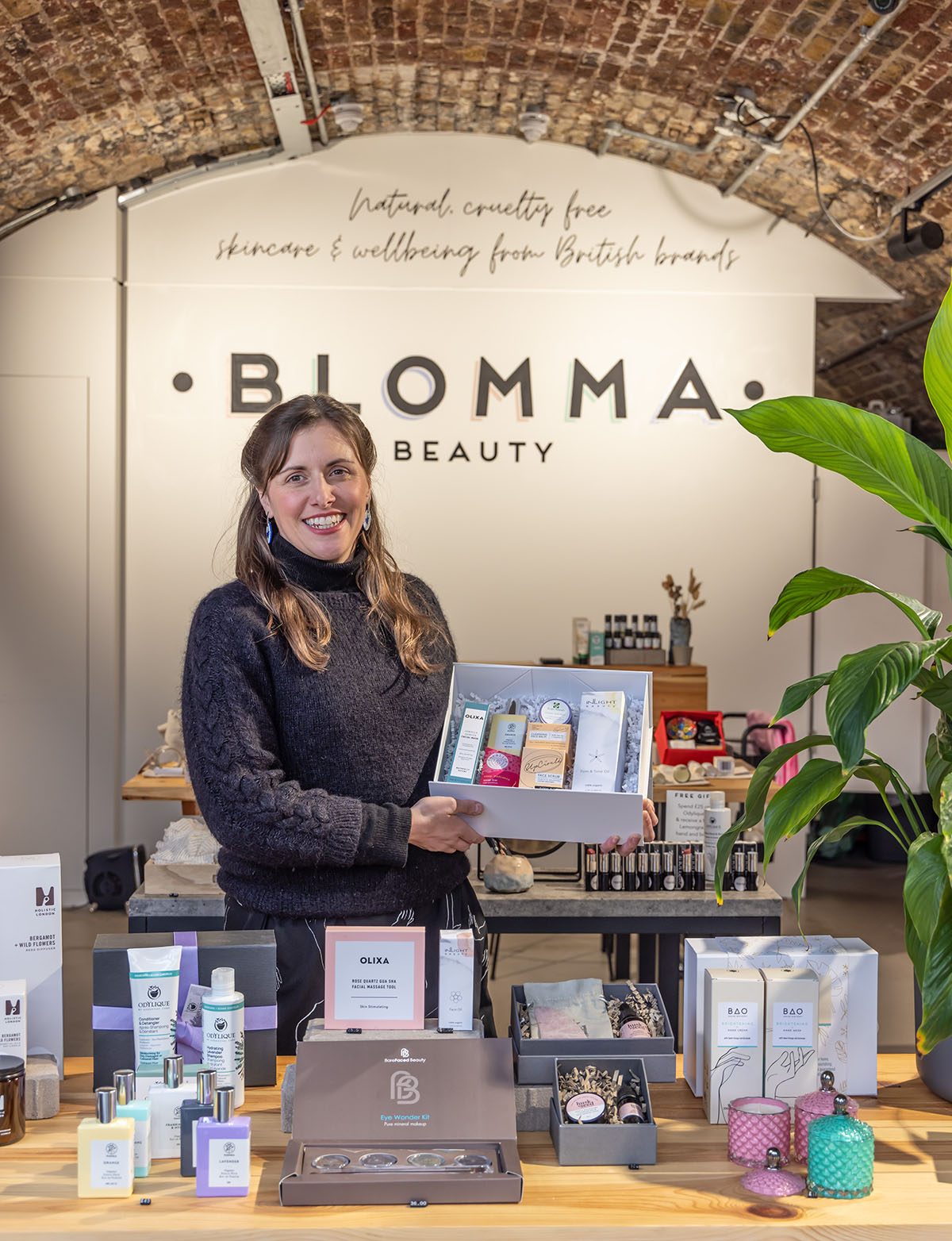
‘My own skincare routine is quite stripped back, as I aim to do three things: cleanse, hydrate and protect, and you don't need a lot of product to do this. I try not to overwhelm my skin, so in the morning I will wash my face with water so as not to over-cleanse. I have a slightly dry skin type, so I rebalance with a floral water, and add a beeswax-based balm in the winter and spring. This gives me a really nice dewy base for makeup, so I don't need primer or any extra steps there. Then I protect my skin with SPF 30 every day (this is really important!).
‘Then in the evenings, because I've been out in the city and encountering pollution all day, I do a fattier cleanse with a cleansing balm, for free radical defence, and to boost my skin with antioxidants. Then I always reach for facial oil.’
Your skincare routine
Your skin requires different products in the morning and evening, as it’s exposed to different properties. Separating your products into two skincare bags can be an easy way to make sure that you’re using the right products at the right time, rather than overwhelming your skin at one point of the day and risking causing further damage.
‘In the morning, the skin’s priority is defence,’ explains Jacqueline. ‘Throughout the day, it’s exposed to UV radiation, pollution, blue light, and environmental stressors that accelerate ageing and inflammation.
‘At night, the skin switches into repair mode. Cell turnover increases, micro-damage is healed, and nutrients are absorbed more efficiently.’
There are three key steps needed for your morning and evening routines. For the morning, Jacqueline advises:
- ‘Cleanse - Cleanse gently to remove overnight oil and sweat without stripping the barrier.
- Hydrate - Hydrate and strengthen the skin using a lightweight, antioxidant-rich serum.
- Protect - Protect with daily SPF.’
In the evening, Jacqueline recommends:
- Cleanse - Double cleanse thoroughly to remove makeup, SPF, and pollution.
- Nourish - Nourish deeply with active, regenerative serums.
- Repair - Support overnight repair using richer moisturisers and targeted treatments.

Whenever you’re trying out a new product, always be cautious and consult a medical professional if you experience a negative reaction.
There are some common mistakes you can avoid when experimenting with your skincare routine, as Dr Kristina advises: ‘One of the most common mistakes is using too many active ingredients at once. People often layer acids, retinoids and exfoliants without realising that this can damage the skin barrier and trigger irritation, sensitivity or breakouts.’
Jacqueline agrees: ‘Layering multiple actives – especially acids, retinoids, and strong exfoliants – is one of the fastest ways to compromise the skin. More stimulation doesn’t equal faster results. Instead, it often results in inflammation, redness, and stalled progress. Skin thrives on consistency and restraint, not overload.’
‘Another frequent issue is using products that are not suited to their skin type,’ continues Dr Kristina. ‘Many patients are unsure whether their skin is oily, dry, sensitive or a combination, and end up following trends rather than evidence-based advice. Understanding your skin type and keeping routines simple and consistent is far more effective than overloading the skin.’
Disclaimer: This article is for informational purposes only and does not replace medical advice. Always consult a qualified healthcare professional if you experience concerning symptoms.
Want that facial feeling?
Having a facial at home can be just as indulgent, but without the added price tag. That much-needed self-care evening can help you feel calmer and more relaxed, with the great results proving themselves on your skin. When you’re looking for a product that’s packed with natural ingredients, there are a few that Karen recommends:
‘I do see lots and lots of impaired skin barriers in my work, so on the flipside of that, natural ingredients that I'd recommend to look for are: niacinamide, hyaluronic and salicylic acids in natural brands.
‘Your skin also needs ingredients that naturally contain essential vitamins, omegas and healthy fatty acids, that the skin needs to maintain a healthy skin barrier, which are rife in the natural beauty world. You might see sea buckthorn or rosehip, which are full of vitamins, or apricot and almond oil, which contain lots of healthy fatty acids that the skin needs.’
Read more:
