
The best cheese and wine for your health (and what to avoid)
As the weather gets colder, many of us find ourselves abandoning food restrictions and pressing pause on fitness goals to indulge in treats – especially in the weeks leading up to Christmas.
Cheese and wine sales soar during the winter break – it’s the one moment of the year when obscure cheeses finally get their chance to shine, and kitchen floors transform into makeshift wine cellars as bottles overflow from fridges and wine racks.
But indulging doesn’t have to mean neglecting your health. The type of cheese and wine you reach for during your weekly shop can be the difference between a calorific binge and a delicious, genuinely nutritious feast.
We’ve put together a guilt-free spread featuring cheeses that may even support weight loss and lower blood pressure – so you don’t have to rely on the humble grape to bring nutrition to your next charcuterie board.
Add the following cheeses and wines to your shopping list and enjoy a delicious treat that's also a healthier choice.
- The 'healthy' foods that are actually bad for you (you'll be surprised!)
- Struggling to sleep? These everyday foods and drinks are the answer

The healthiest cheeses for your charcuterie board
We’re not interested in the well-known low-fat cheeses like ricotta and cottage cheese – they’re not welcome on our charcuterie board. We’re talking about the rich, spreadable cheeses that look and taste good on any cracker. And surprisingly, some Christmas favourites are more friend than foe when it comes to your health.
According to Dr Deborah Lee from Dr Fox Online Pharmacy, certain cheeses may even play a small supportive role in weight loss, not because they’re low in calories, but because of how they interact with your gut. ‘Cheese increases the level of butyrate,’ she explains. ‘Which can help with weight loss as it is known to stimulate the production of the hormone, glucagon-like peptide-1 (GLP-1), which helps control appetite and regulate blood glucose levels.’
GLP-1 is the same hormone that is stimulated by weight loss injections such as Mounjaro. Though cheese is not a miraculous, delicious alternative to Ozempic – it does show that choosing the right cheese can support a healthy metabolism, rather than hinder it. Cheese also delivers other surprising health benefits, from supporting bone density to providing essential vitamins and antioxidants.
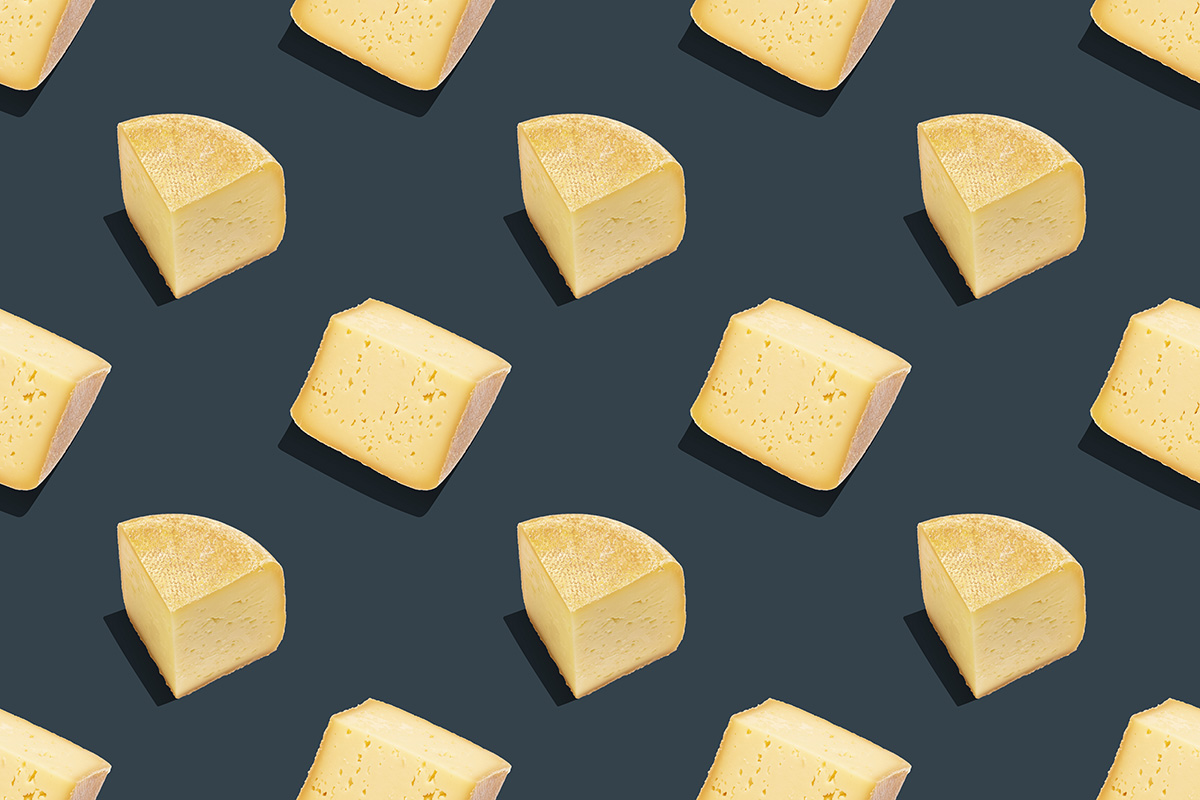
Top 10 cheeses with health benefits
1. Gouda: Rich in calcium and vitamin k2
One of the best natural sources of vitamin K2, a nutrient which helps direct calcium into the bones and away from arteries. Its high calcium and protein content supports strong bones and healthy muscle function. Aged Gouda is also rich in beneficial bacteria, making it a gut friendly option.
2. Emmental: Low in carbs and boosts immunity
Emmental is naturally low in carbs, sugars and salt, making it a gentler cheese option if you’re watching your blood pressure. According to a study, probiotics found in Emmental cheese can reduce inflammation, boost immunity and improve signs of ageing. It’s a strong source of calcium, protein and phosphorus, which contribute to bone, teeth and kidney health.
3. Goat’s: Easily digested and rich in vitamin b2
Goat’s cheese contains both short and medium-chain fatty acids that are absorbed and metabolised faster than cows, making it easier on digestion. It’s also rich in vitamin B2 which boosts energy and skin health. Because it is both satisfying and nutrient-dense, it’s a great option If you’re trying to avoid the moreish carb-heavy cheeses.
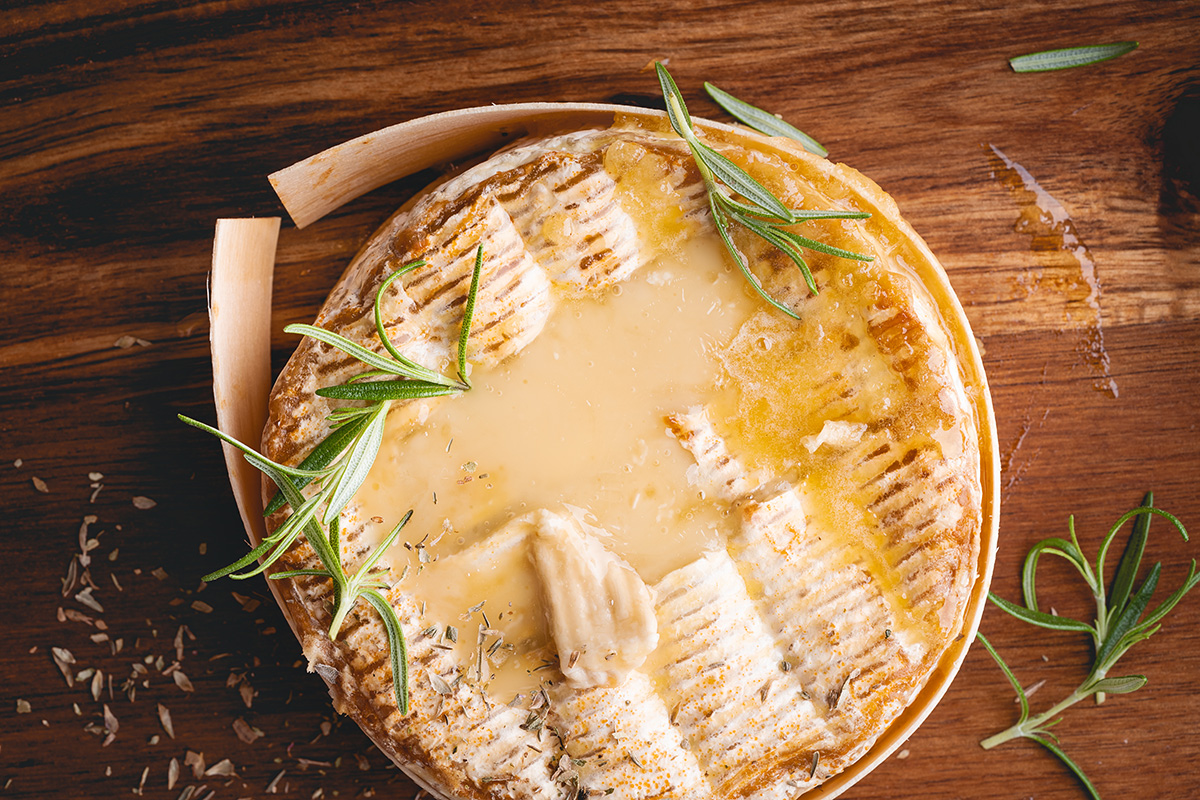
4. Camembert: Lower fat and improves cognitive function
Although it may seem like one of the most indulgent options – in all its warm, gooey glory – it actually contains less fat than brie. It is also considered a medium-salt cheese compared to many of the harder options. Research also suggests that certain fatty-acid compounds in Camembert may even support brain health and protect against cognitive decline.
5. Blue: Improves bone density & risk of heart disease
Blue cheeses such as Stilton and Gorgonzola are naturally rich in calcium and phosphorus, two minerals essential for maintaining strong bones and teeth. It contains a compound called spermidine that may delay ageing and reduce the risk of cardiovascular disease.
6. Limburger: Energy boosting and rich in vitamin b12
Limburger contains Brevibacterium linens, a bacterium which gives it that distinct smell and also benefits the gut microbiome. It is also energy boosting and replenishing through its combination of high protein, calcium, zinc, and retinol along with vitamin B12, vitamin A and vitamin D.
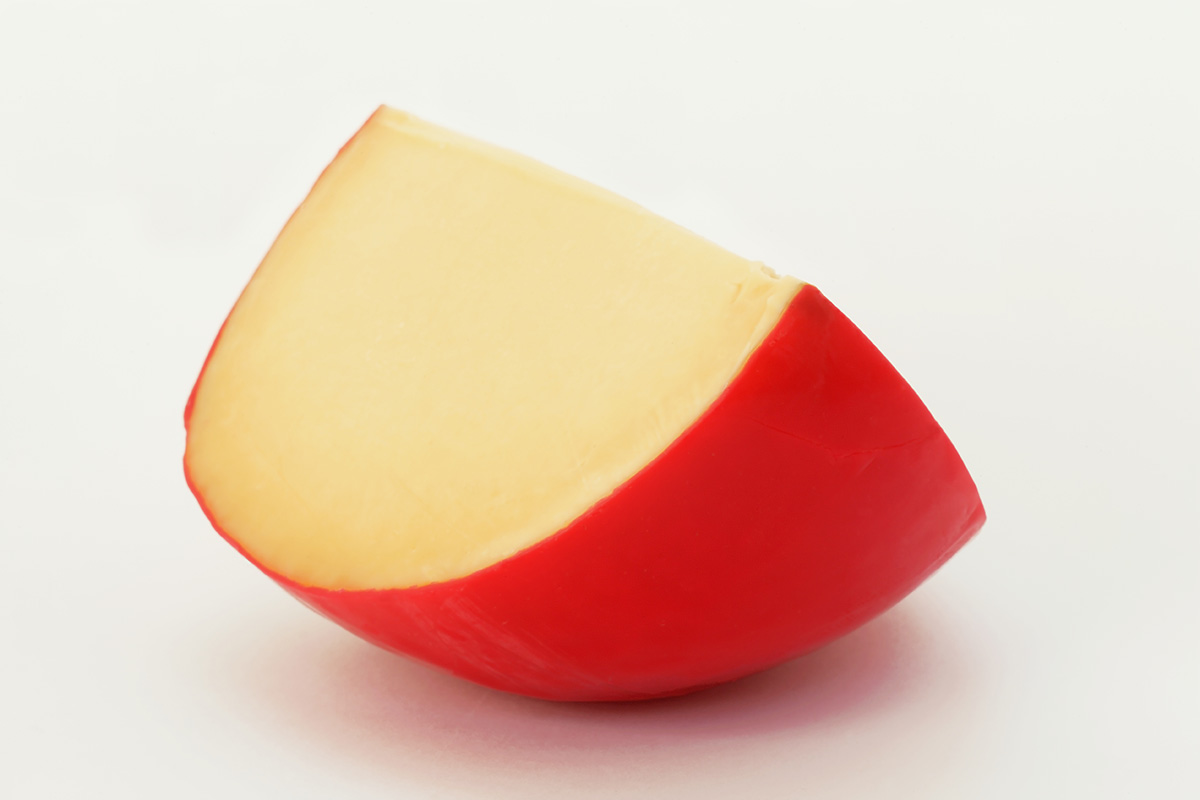
7. Edam: High in protein and lower in fat
Particularly rich in calcium, Edam is made from semi-skimmed cow’s milk and is lower in calories and fat content than many other cheeses. It also contains antioxidants which protect the cardiovascular system from salt, and compounds that lower blood pressure.
8. Pecorino: Contains powerful antioxidants and helps reduce cholesterol
Pecorino, a tangy cheese made from sheep’s milk, is naturally lower in lactose and contains higher levels of omega-3 fatty acids, especially when the sheep are grassfed. ‘We are all encouraged to include more omega-3 in the diet,’ explains Lee. ‘To support a healthy heart, lower blood pressure and improve cognitive function.’
It also provides medium-chain triglycerides – a type of fat that is more rapidly metabolised by the body and can reduce cholesterol levels. Rich in vitamin A and E, two powerful antioxidants that help protect cells from damage, Pecorino supports skin health and strengthens the immune system.
9. Gruyere: Lower in carbs and rich in vitamin A
Naturally low in carbohydrates and packed with key nutrients, Gruyere is a strong choice for those looking to support overall health. It is a good source of vitamins A, K, B12 and C, as well as essential minerals like calcium and iron. Gruyere also contains beneficial probiotics which support a healthy gut microbiome, boost immunity and even help with signs of ageing.

10. Oaxaca: Supports metabolism and muscle health
Often referred to as the Mexican mozzarella, Oaxaca is a soft, mild and stretchy cheese that is perfect for melting. High in calcium and protein, Oaxaca helps maintain strong muscles and bones, while also supporting metabolic health.
The worst cheeses for your health
Some varieties of cheese are significantly higher in saturated fats, calories, or salt, making them a no-go for those watching their heart health, weight or blood pressure.
Avoid these cheeses to keep your charcuterie board out of the red zone:
- Brie – High in saturated fats
Brie’s irresistibly creamy texture comes from its high saturated fat content, which can raise cholesterol and threaten heart health if eaten too often. It does offer nutrients, but its richness means it should only be consumed in moderation.
- Wensleydale – High fat and calorie count
Flavourful but dense in fat and calories, a few too many slices of Wensleydale can easily exceed your recommended daily limits. If wensleydale is one of your favourites, keep your portions small to avoid overindulging in this rich cheese.
- Aged Comte – High calorie count
Aged Comte is concentrated and calorie-dense, even in small portions. Even though its rich, nutty flavour is hard to say no to, it’s best to avoid to keep down the calorie-count of your cheese board.
- Roquefort – High in salt
An extremely sharp, salty blue cheese, roquefort contains very high sodium levels to control the growth of mould. This can raise blood pressure and strain cardiovascular health.
- Cheddar – High in calories & saturated fat
Cheddar, especially aged varieties, packs a significant number of calories and saturated fats. It tends to be eaten in excess, so opt for a low-fat cheddar if you need it on your cheese board.
- Double Gloucester – Among the highest in calories and fat
Exceptionally high in calories and total fat, its buttery richness comes at a calorific cost that can contribute to weight gain and high cholesterol.

Some wine can be good for you
Drinking alcohol in moderation can have great health benefits. ‘A regular influx of wine can stimulate the production of inflammatory cytokines, which are needed to fight off invading organisms,’ explains Lee.
‘However, don’t drink excessive amounts of alcohol, as a chronic high alcohol intake damages the immune system and increases the risk of many infections. The MD allows 2 glasses of wine per day for men and 1 per day for women. This is typically red wine as opposed to white wine and is drunk with a meal.’
Lee referenced a study that analysed the impact of moderate alcohol consumption on health. They found the following benefits:
- ‘A reduced risk of developing neurodegenerative diseases such as dementia’
- ‘A 26% lower risk of cardiovascular disease, and 35% reduction in overall mortality’
- ‘A lower overall risk of type-2 diabetes’

Healthier wines to add to your collection
LB7 Vinho Verde
If you’re craving a white wine, Vinho Verde is one of the best low-calorie, low-alcohol options. The grapes used in the green wine naturally contain less sugar, which means fewer calories. This bottle made by Calcada, the Vinho Verde experts, is a refreshing, spritzy aperitif. With just 10% ABV, it’s incredibly drinkable with a zesty lime and lemon flavour
Sandridge Barton Don't Feed The Ponies Little Bee
A natural wine from Devon, this complex and dry orange wine is made with 100% Devon-grown Pinot Gris. It undergoes a sixteen-day skin-contact fermentation with very gentle extraction. The process of making orange wine involves leaving grape skins and seeds in contact with the juice during fermentation, this gives the wine significantly more antioxidants than white, along with lower sulphites and fewer added chemicals.
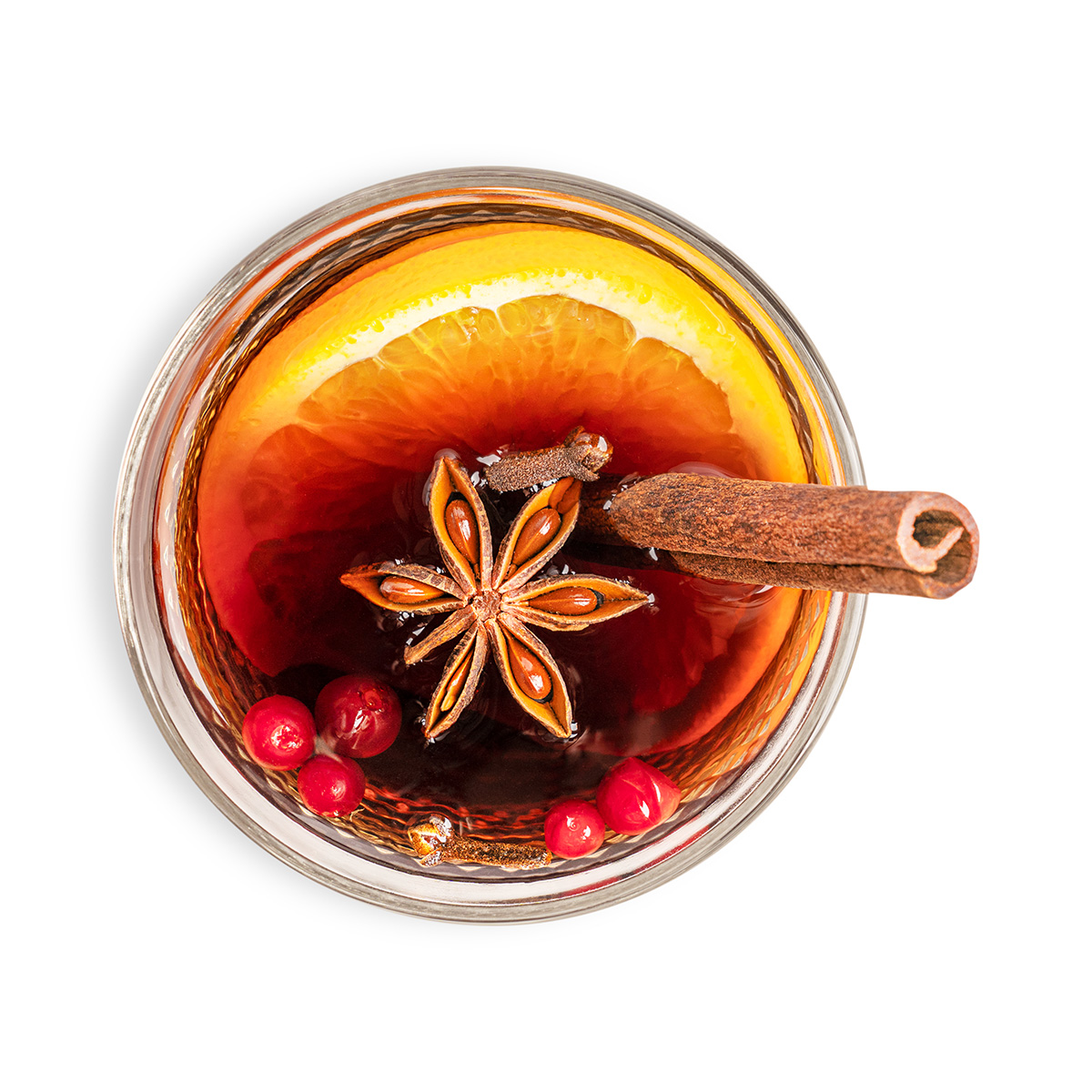
Domaine Laouge Madiran
Wines from the Madiran village were scientifically proven to have the highest possible concentration of antioxidants compared to any other type of wine in the world. Lee notes that red wine is generally the healthiest option thanks to these antioxidants.
‘Resveratrol in red wine may help prevent age-related macular degeneration,’ she explains. ‘A 2022 study showed that red wine extract could prevent oxidative stress in the retina and prevent DNA damage.’
M&S Louis Vertay Brut Champagne
‘Dry champagne is naturally low in sugar, making it one of the lower calorie options,’ explains Lee. ‘The bubbles also mean the alcohol is absorbed more quickly, so you can feel the same relaxing effect from drinking smaller amounts. Despite the colour, Champagne is typically made from red grapes, which are rich with polyphenols – an antioxidant linked to various health benefits.
Top Tip: Opt for a white wine spritzer
Can’t resist a white wine? Add a splash of sparkling water to make a refreshing white wine spritzer instead. This reduces the alcohol content and overall calories per glass. You still get all the flavour of a white wine, while keeping your intake in check and staying hydrated all at the same time.
Read more:
