
The 'healthy' foods that are actually bad for you (you'll be surprised!)
It is easy to assume that anything labelled “healthy” is automatically good for you. Superfoods, smoothies, energy bars, and low-fat snacks are often marketed as the key to a better diet. But nutrition experts warn that many of these foods can be misleading.
Some are high in sugar, salt, or hidden fats. Others may be processed in ways that strip away nutrients. Eating them in large amounts can affect weight, energy, and long-term health.
Here are the ‘healthy’ foods you might want to think twice about.
- These everyday foods are causing your belly fat. Here's what to do about it
- 10 surprising superfoods that will give your health a natural boost (and you've probably never heard of them)

Flavoured yoghurts
Yoghurts are often promoted as a source of calcium and protein. Flavoured varieties, however, are frequently packed with added sugars. A single pot can contain as much sugar as a chocolate bar.
Choose plain yoghurt and sweeten it naturally with fresh fruit, cinnamon, or a drizzle of honey. Your gut and blood sugar levels will thank you.
Granola and muesli
Granola and muesli have a reputation as breakfast champions, but many store-bought options are loaded with sugar, oils, and even chocolate. A seemingly healthy bowl can contain hundreds of calories and spikes of sugar.
Look for versions with minimal added sugar or make your own at home using oats, seeds, nuts, and dried fruit. Portion control is key.
Smoothies
Smoothies can be a quick way to get fruit and vegetables, but commercially prepared or oversized homemade versions can contain 50 grams or more of sugar per serving. Drinking calories in liquid form does not trigger the same fullness cues as eating whole foods.
Blend your own at home with vegetables, a small amount of fruit, and unsweetened milk alternatives. Adding protein like Greek yoghurt or a scoop of nut butter balances blood sugar.
Low-fat products
Low-fat or fat-free yoghurts, dressings, and snacks might seem like smart choices, but many have sugar added to make up for the taste. Fat is also essential for absorbing vitamins and keeping you full.
Read labels carefully. Choosing full-fat natural products in moderation is often better for satiety and nutrition.
Protein bars
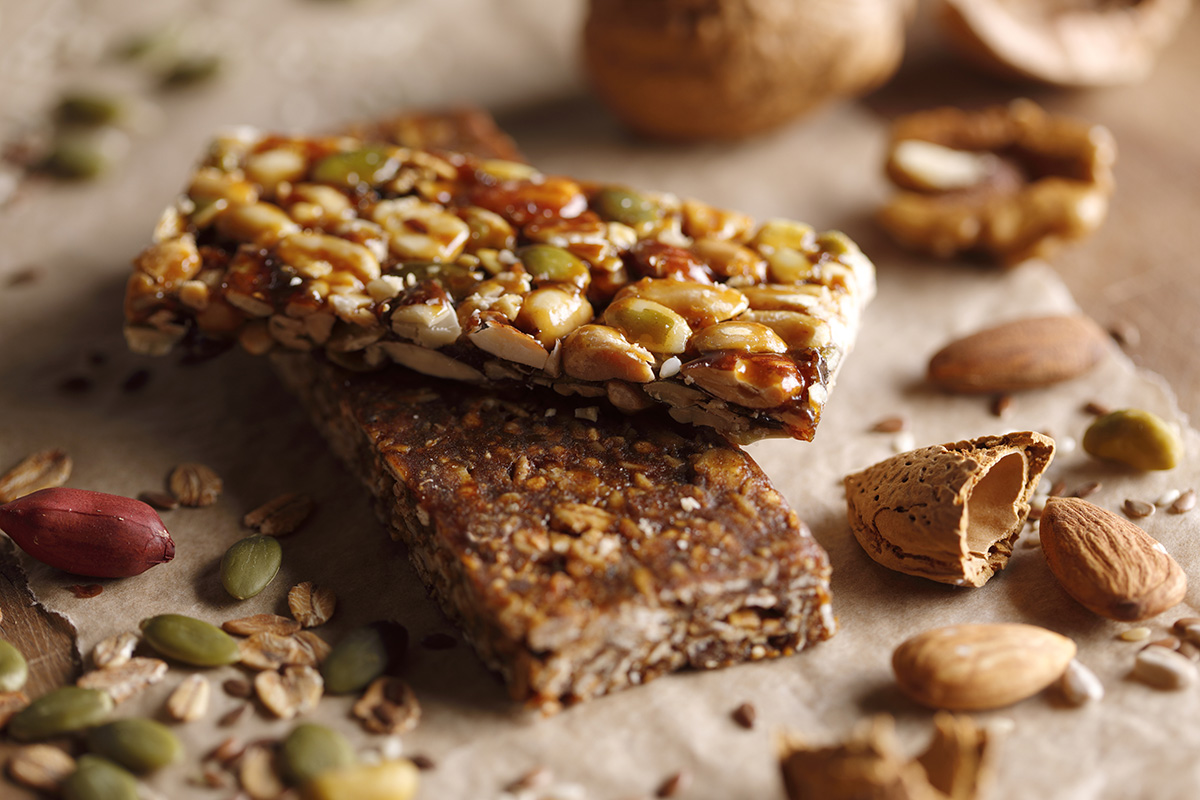
Protein bars are popular with gym-goers and busy professionals, but many are little more than candy in disguise. They often contain sugar, syrups, and refined grains, despite their protein claims.
Check ingredients and sugar content. Opt for bars with minimal added sugar, or make homemade versions with oats, nuts, and protein powder. Your waistline and energy levels will benefit.
Vegetable chips
Kale, beetroot, and sweet potato chips are marketed as healthy alternatives to potato crisps, but they are usually fried or baked with oils and salt. The frying process can degrade nutrients, and the calorie content can be surprisingly high.
Try lightly roasting vegetables yourself with a little olive oil and seasoning. Your future self will enjoy better nutrition and less inflammation.
Fruit juice
Even 100 percent fruit juice contains concentrated sugar and lacks the fibre of whole fruit. Drinking large amounts can spike blood sugar and contribute to weight gain.
Eat whole fruit whenever possible. If you drink juice, keep it to small amounts and pair it with protein or fat to reduce the sugar impact.
Flavoured nut butters
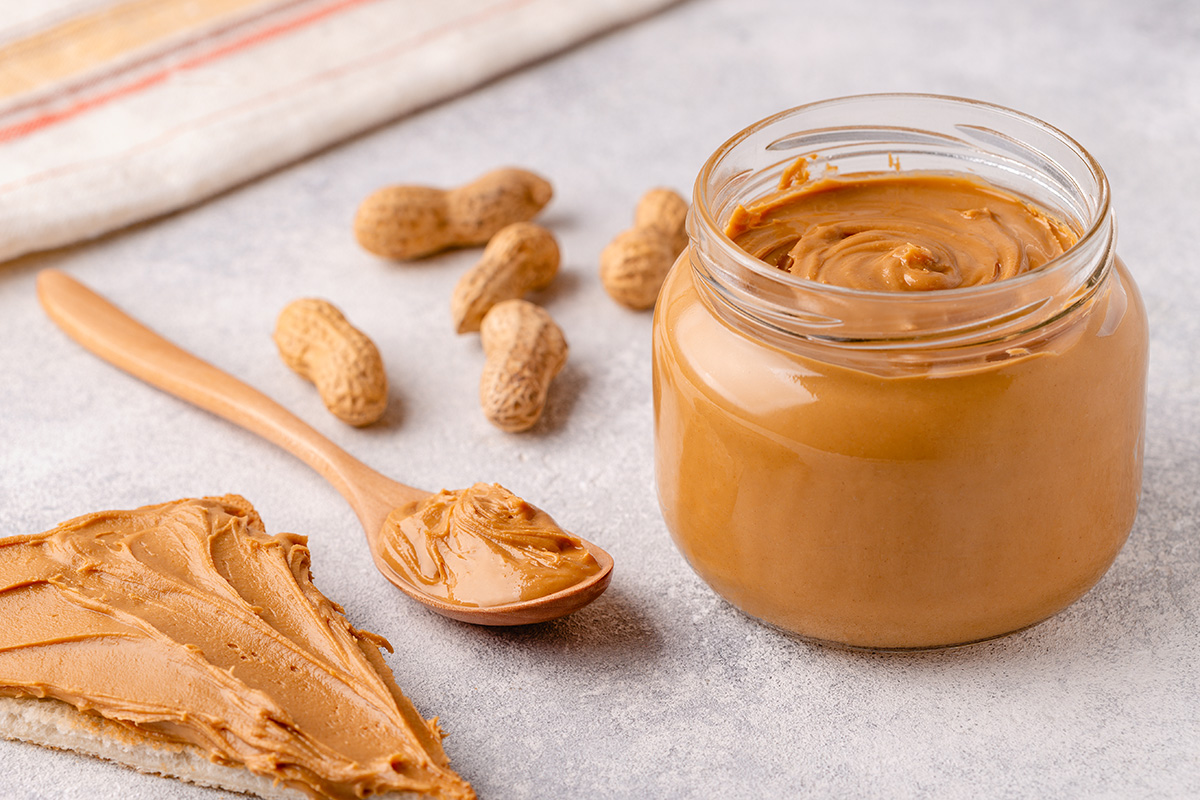
Nut butters can be nutritious, but flavoured or sweetened versions often contain added sugar and hydrogenated oils. This undermines the health benefits of the nuts themselves.
Stick to natural peanut, almond, or cashew butter. A small spoonful delivers protein, healthy fats, and micronutrients without the unnecessary sugar.
Gluten-free snacks
Gluten-free does not automatically mean healthy. Many gluten-free breads, cakes, and crackers are highly processed and contain refined starches and sugar.
Focus on whole grains like brown rice, quinoa, and oats if you do not have gluten intolerance. Your gut health and energy levels will be more stable.
Energy drinks with added boosters
Supercharged drinks often contain caffeine, sugar, and herbs marketed as “detoxifying” or “energising.” These claims are rarely backed by strong evidence, and the combination can spike heart rate or interfere with sleep.
Stick to water, herbal teas, and whole foods for hydration and energy. If you want a smoothie, keep it simple and nutrient-dense.
“Healthy” cereals
Many breakfast cereals branded as high-fibre or whole grain are still loaded with sugar. Even some granola cereals can contain more sugar per serving than chocolate cereals.
Check labels for sugar content and fibre-to-sugar ratio. Choose cereals with high fibre, low sugar, and minimal processing, or try homemade overnight oats.
Dried fruit
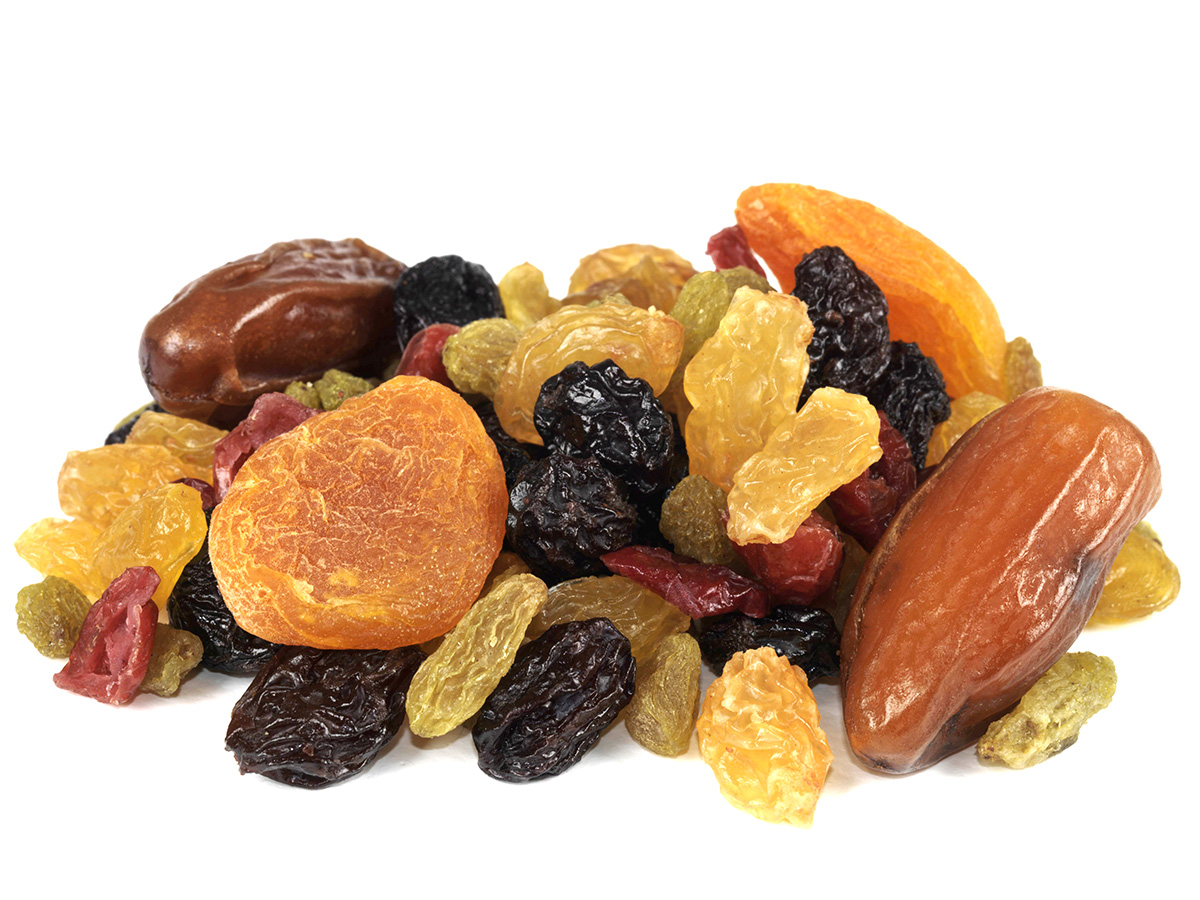
Dried fruit is a convenient source of vitamins and fibre, but it is calorie-dense and often coated in sugar or syrup. Eating large portions can easily lead to excess sugar intake.
Snack mindfully. Pair a small portion of dried fruit with nuts to slow absorption and avoid blood sugar spikes.
Veggie protein powders
Plant-based protein powders are popular with fitness enthusiasts, but many have added flavours, sugars, and fillers. Overconsumption can affect digestion and add unnecessary calories.
Read ingredient lists carefully and choose unflavoured, minimally processed powders. Whole foods like beans, lentils, and tofu can provide protein without extra additives.
Coconut oil
Coconut oil has a health halo due to its plant-based origin, but it is high in saturated fat. Overconsumption can raise cholesterol levels despite claims of metabolic benefits.
Use coconut oil sparingly and focus on unsaturated fats like olive oil, avocado, and nuts for everyday cooking.
Flavoured water and vitamin water
Some bottled waters claim to be vitamin-enriched or “detoxifying,” but they often contain sugar and artificial flavours.
Stick to plain water and infuse it naturally with slices of fruit or herbs for flavour. Staying hydrated is vital, but unnecessary additives are not.
Rice cakes
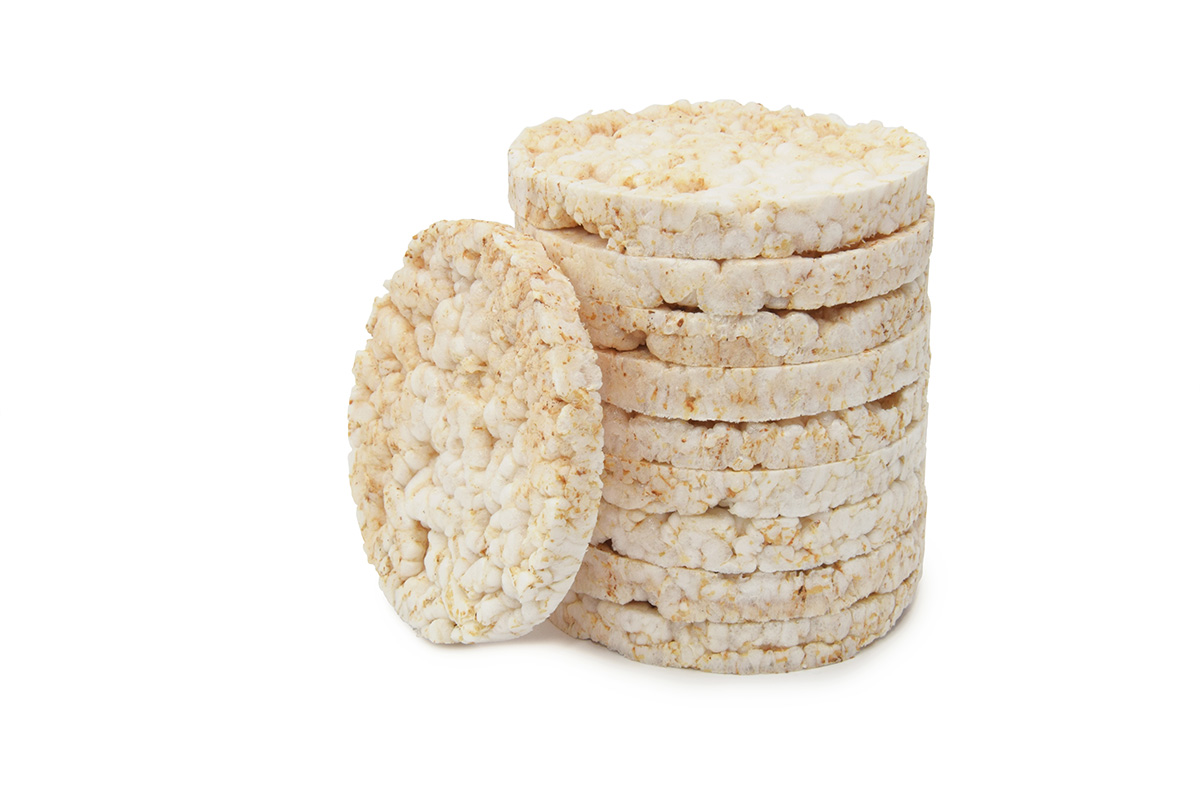
Low in calories but high on the glycaemic index, rice cakes can spike blood sugar quickly and leave you hungry soon after.
Pair with protein or healthy fats like nut butter or avocado for a more satisfying snack.
Flavoured oatmeal packets and “natural” snack bars
Instant oatmeal packets and store-bought “natural” bars often hide sugar, refined grains, and additives under the guise of being healthy.
Cook plain oats or make DIY bars with oats, nuts, seeds, and minimal sweeteners. This gives you better control over nutrition and keeps you full longer.
Non-dairy milk with added sugar
Plant-based milks like almond, oat, or soy can be nutritious, but sweetened versions often contain more sugar than you’d expect.
Choose unsweetened varieties and add flavour naturally with cinnamon or vanilla extract.
Frozen “healthy” meals
Even meals marketed as low-fat or balanced can be high in refined carbs, sodium, and preservatives.
Read labels carefully and stick to minimally processed frozen veggies or meals with simple, whole ingredients.
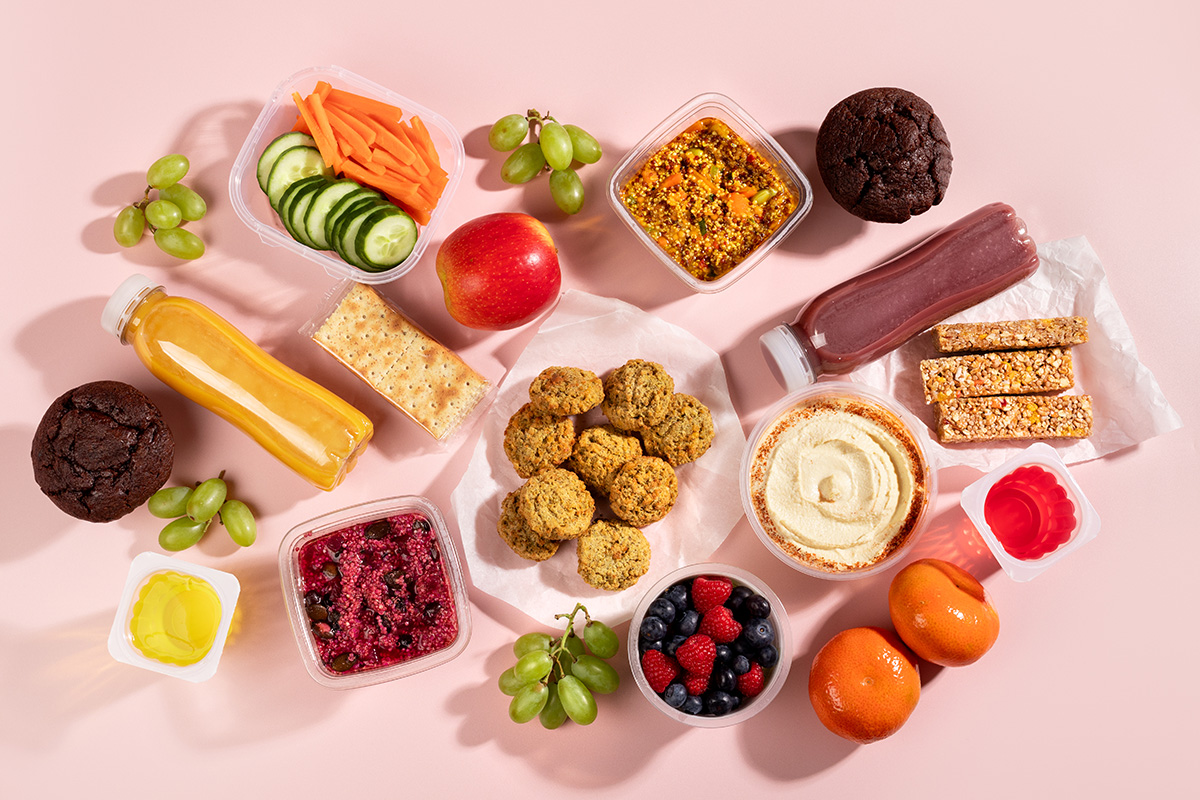
Watch out for the marketing
Marketing can make almost anything seem healthy, but the truth is that moderation, reading labels, and focusing on whole, minimally processed foods is key. Yoghurts, granola, smoothies, and other “superfoods” can be part of a healthy diet, but only if you pay attention to hidden sugars, additives, and portions.
Your future self will thank you for being informed and making mindful choices. Simple swaps like plain yoghurt with fruit, homemade granola, whole fruit instead of juice, and natural nut butters can deliver the nutrition you want without hidden downsides.
Eating well is not about eliminating foods but about knowing which so-called healthy foods might actually be working against your goals. By staying informed and reading labels, you can enjoy the benefits of a healthy diet while avoiding pitfalls.
What to look for on labels
Even foods marketed as healthy can hide sugar, salt, and unhealthy fats. Here’s how to read labels like a pro:
1. Check total sugar, not just added sugar
Some labels highlight “no added sugar,” but natural sugars from fruit concentrates can still add up. Look at total grams per serving and consider how much is realistic for your meal or snack.
2. Watch out for serving sizes
Labels often list nutrition per small portion. If you eat the whole container, multiply the calories, sugar, and fat accordingly.
3. Scan the ingredient list
Ingredients are listed in order of weight. If sugar, syrups, hydrogenated oils, or refined grains are near the top, it’s a red flag—even in foods marketed as “natural” or “healthy.”
4. Know your fats
Low-fat labels can be misleading. Manufacturers often add sugar to make up for taste. Look for naturally occurring healthy fats like olive oil, avocado, and nuts.

5. Keep an eye on sodium
Many pre-packaged or frozen foods marketed as healthy still contain high sodium levels. Compare similar products and choose the lowest sodium option.
6. Fibre is your friend
High fibre content helps you feel full and slows sugar absorption. Check grams per serving and aim for whole-food sources like oats, beans, and vegetables.
7. Beware of marketing buzzwords
“Superfood,” “detox,” “natural,” and “energising” are not regulated terms. Always cross-check with the nutrition panel instead of trusting claims on the front of the pack.
Tip: When in doubt, stick to whole, minimally processed foods. They rarely need a label.
Read more:
