
These everyday foods are causing your belly fat. Here's what to do about it
Are you struggling with stubborn abdominal fat? It could well be down to ‘cortisol belly’.
Cortisol is a steroid hormone produced by the adrenal glands and often referred to as the body’s primary ‘stress hormone.’
It is released as part of the fight-or-flight response, a survival mechanism coordinated by the hypothalamic-pituitary-adrenal (HPA) axis.
In short bursts, cortisol is beneficial. It helps regulate blood pressure, blood sugar, inflammation, metabolism, and even your sleep-wake cycle. When you wake up in the morning, cortisol naturally rises to help you feel alert and energised.
Problems arise when cortisol remains chronically elevated. Ongoing psychological stress, lack of sleep, overtraining, blood sugar instability, and certain dietary habits can all contribute to sustained high cortisol levels.
When this happens, the body may begin storing more fat, especially around the abdominal area. This pattern of central fat accumulation is commonly referred to as ‘cortisol belly.’
- Always run-down? These surprising foods will give your immune system a boost
- These are the key warning signs your gut health needs attention (and fast!)

While ‘cortisol belly’ is not a formal medical diagnosis, it reflects a well-established physiological pattern.
Chronic stress and elevated cortisol promote fat storage in visceral tissue, the fat that surrounds internal organs in the abdominal cavity.
This type of fat is metabolically active and linked to higher risks of insulin resistance, type 2 diabetes, and cardiovascular disease.
Cortisol also increases appetite and cravings, particularly for high-sugar and high-fat foods, which further fuels abdominal weight gain.
‘Cortisol belly’ is typically fat mostly in the midsection that is often firm rather than soft. It is also accompanied by fatigue, sleep issues, or feeling ‘wired but tired’.
Diet plays a powerful role in either aggravating or calming the cortisol response. Certain foods can spike blood sugar, trigger inflammation, or overstimulate the nervous system, leading to higher cortisol output.
Others stabilise blood sugar, reduce inflammation, and support nervous system balance, helping to regulate cortisol levels naturally.
Signs your cortisol may be too high
- Persistent belly fat despite diet and exercise
- Cravings for sugar and salty foods
- Afternoon energy crashes
- Difficulty falling or staying asleep
- Feeling “tired but wired”
- Frequent colds or weakened immunity
- Elevated blood pressure
- Anxiety or irritability
Note: Testing cortisol (via blood, saliva, or urine) should be done under medical guidance.
Foods that trigger ‘cortisol belly’
1. Refined sugars and high-glycaemic carbohydrates
White bread, pastries, sweets, sugary cereals, sweetened beverages, and desserts can significantly spike blood sugar levels.
When blood sugar rises rapidly, insulin surges to bring it down. If levels crash afterward, the body perceives this as a stressor and releases cortisol to restore glucose balance.
Repeated blood sugar spikes and crashes keep the stress response activated. Over time, this cycle contributes to insulin resistance and abdominal fat storage.
Common culprits include:
- Soda and sweetened drinks
- White bread and pasta
- Commercial baked goods
- Sweets and snack bars
Frequent consumption trains the body into a stress-reward loop, reinforcing cravings and cortisol release.

2. Excess caffeine
Moderate caffeine intake is generally safe for most people, but excessive consumption can elevate cortisol levels, especially when consumed on an empty stomach or during already stressful periods.
Caffeine stimulates the central nervous system and increases adrenaline and cortisol. For individuals who are sleep-deprived or chronically stressed, high caffeine intake may compound the problem.
Sources include:
- Coffee
- Energy drinks
- Strong black tea
- Pre-workout supplements
When cortisol is already high, layering caffeine on top can push the body further into sympathetic (‘fight or flight’) dominance.
3. Alcohol
Alcohol disrupts sleep quality, blood sugar regulation, and liver function, all of which influence cortisol.
Even though alcohol may initially feel relaxing, it increases nighttime cortisol levels and interferes with restorative sleep. Poor sleep then leads to higher morning cortisol and increased hunger hormones the next day.
Chronic alcohol consumption is also linked to increased visceral fat accumulation.

4. Ultra-processed foods
Highly processed foods, such as packaged snacks, fast food, frozen meals, and processed meats, often contain a combination of refined carbs, unhealthy fats, additives, and high sodium.
These foods promote systemic inflammation, which can activate stress pathways in the body. Inflammation and stress are closely linked; inflammatory cytokines can stimulate the HPA axis and increase cortisol output.
Examples include:
- Fried fast food
- Chips and crackers
- Processed deli meats
- Packaged baked goods
Regular consumption can create a pro-inflammatory environment that encourages abdominal fat storage.
5. Very low-calorie or restrictive dieting
Extreme calorie restriction signals scarcity to the body. When energy intake drops too low, cortisol rises to mobilise stored fuel. This is one reason crash dieting can backfire.
Chronic under-eating keeps the body in a stress state, slowing metabolism and encouraging fat preservation, especially around the midsection.

6. High sodium, low nutrient foods
Excess sodium intake, particularly when paired with low potassium intake, can increase blood pressure and stress hormone activity.
While sodium alone does not directly cause cortisol belly, diets high in salty processed foods often correlate with poor overall stress regulation and inflammation.
Dietary patterns that help regulate cortisol
Beyond individual foods, overall eating patterns matter.
1. Eat regularly
Skipping meals can trigger cortisol release due to falling blood sugar levels. Consistent meal timing supports hormonal balance.
2. Prioritise sleep-supporting nutrition
Avoid large meals, alcohol, and heavy caffeine intake late in the day. Stable sleep patterns are crucial for maintaining a healthy cortisol rhythm.
3. Stay hydrated
Even mild dehydration can elevate cortisol levels.
4. Avoid extreme dieting
Sustainable fat loss requires adequate calories, protein, and micronutrients. Chronic restriction encourages stress physiology.
Foods that help combat ‘cortisol belly’
Balancing cortisol is less about a single “superfood” and more about dietary patterns that stabilise blood sugar, reduce inflammation, and nourish the nervous system.
1. Complex carbohydrates
Unlike refined carbs, complex carbohydrates digest slowly and provide steady glucose to the bloodstream. This helps prevent cortisol-triggering blood sugar crashes.
Examples:
- Oats
- Quinoa
- Brown rice
- Sweet potatoes
- Lentils
Whole grains also contain B vitamins and magnesium, nutrients that support stress regulation.
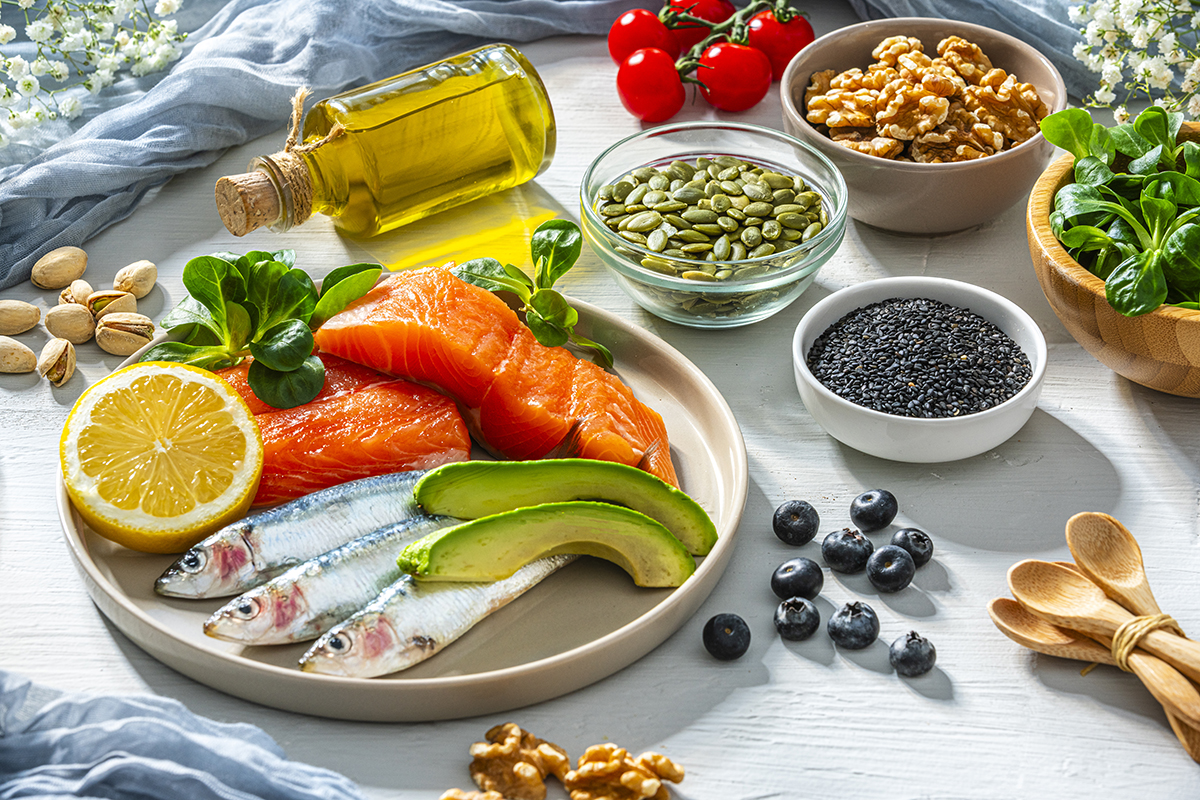
2. Healthy fats (especially omega-3s)
Omega-3 fatty acids have anti-inflammatory properties and may help reduce stress hormone activity.
Rich sources include:
- Salmon
- Sardines
- Chia seeds
- Flaxseeds
- Walnuts
Regular omega-3 intake has been associated with improved mood stability and reduced physiological stress responses.
3. Magnesium-rich foods
Magnesium plays a key role in nervous system regulation and muscle relaxation. Low magnesium levels are associated with increased stress sensitivity.
Foods high in magnesium:
- Spinach
- Pumpkin seeds
- Almonds
- Dark chocolate (70%+ cacao)
- Black beans
Adequate magnesium may help blunt excessive cortisol release.

4. Fermented and probiotic foods
The gut–brain axis plays a significant role in stress regulation. An imbalanced gut microbiome may increase inflammation and alter cortisol signalling.
Probiotic-rich foods include:
- Yogurt with live cultures
- Kefir
- Sauerkraut
- Kimchi
- Miso
Supporting gut health may improve resilience to stress and reduce cortisol spikes.
5. High-quality protein
Protein helps stabilise blood sugar and reduces cravings that can lead to stress eating. Including protein at each meal prevents rapid glucose swings.
Good sources:
- Eggs
- Chicken
- Turkey
- Tofu
- Greek yogurt
- Beans
Balanced meals that combine protein, fibre, and healthy fats are particularly effective at regulating cortisol indirectly through blood sugar control.
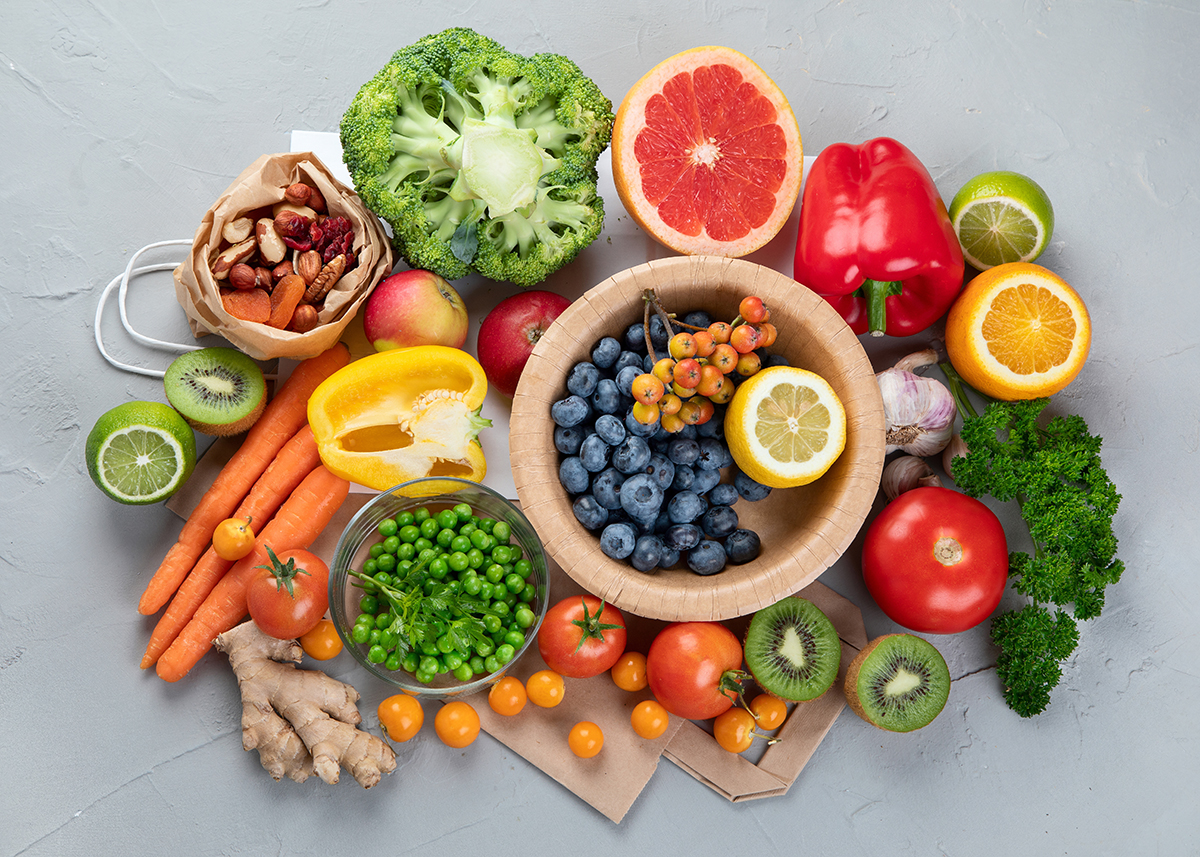
6. Fruits and vegetables rich in vitamin C
Vitamin C has been shown to help lower cortisol levels in response to stress.
High-vitamin C foods include:
- Oranges
- Strawberries
- Kiwi
- Bell peppers
- Broccoli
Antioxidant-rich produce also reduces oxidative stress, which is linked to chronic inflammation and elevated cortisol.
7. Adaptogenic herbs
Certain herbs are traditionally used to help the body adapt to stress. For example:
- Ashwagandha
- Rhodiola rosea
Some research suggests these herbs may support balanced cortisol rhythms. However, they should be used cautiously and ideally under professional guidance.
Read more:
