With an estimated 2.5 million people living with ADHD in the UK as of November 2025, according to NHS England, and increasing discourse about the condition online, ADHD has received more recognition in recent times.
Social media has become a particularly powerful vehicle in spreading awareness, with many people with ADHD using their platforms to candidly discuss their lived experience, or ADHD specialists making educational videos breaking down the condition and its typical traits.
But though it might seem like we’re moving in the right direction, ADHD remains very misunderstood, and this often trickles down into the language that gets used about the condition.
Although a lot of people do not necessarily have bad intentions, casual comments that dismiss or stigmatise ADHD can have a negative effect on people who suffer from the real, often debilitating symptoms.
One review reveals that the stigma surrounding ADHD can have a detrimental impact on the mental well-being of people with ADHD and their overall quality of life.
It also claimed that stigma can potentially worsen symptoms, have a bearing on whether they seek treatment, and even impact how effective treatment is.
- 15 ways that having ADHD can affect your love life, says therapist
- You can learn to be more sociable, explains expert. Here's how
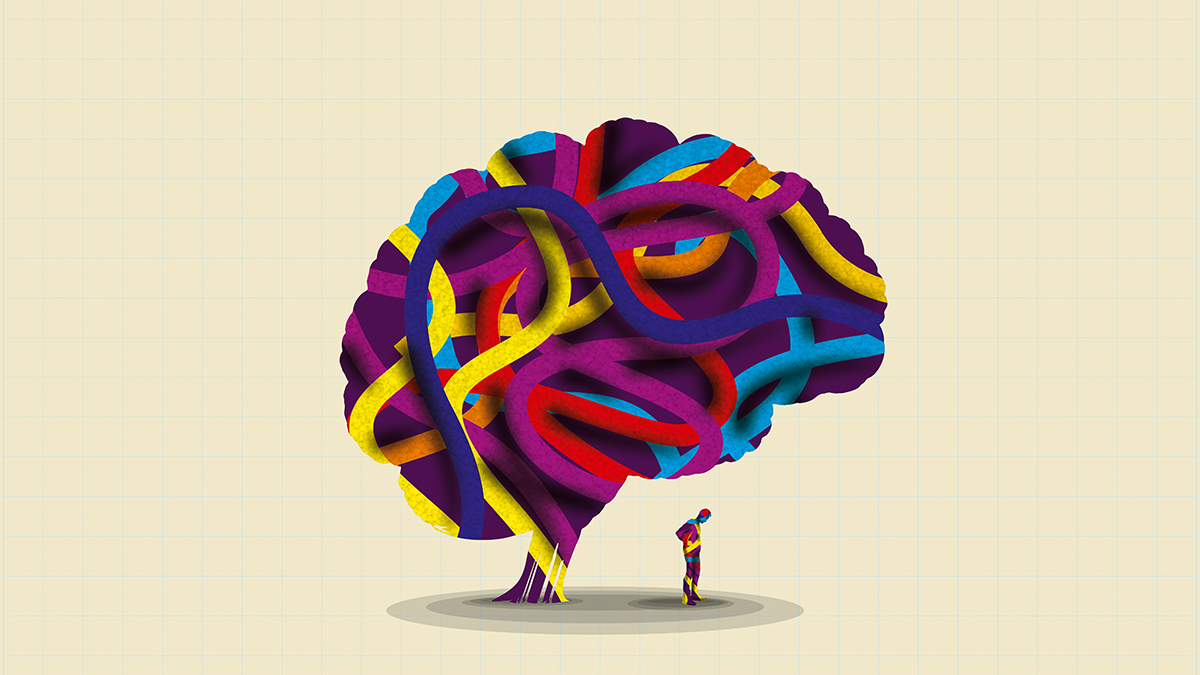
So, while it’s vital we continue the ADHD conversation, it’s equally important that we use accurate and respectful language that does not minimise, dismiss, or stigmatise people’s lived experience and prevent harmful ideas about the condition from circulating.
Keep reading to discover the comments you should not make when addressing someone with ADHD and why they can be particularly damaging. If you suffer from the condition yourself, we’re sure you’ve heard a few of these before…
1. “You don’t look like you have ADHD”
A common thing that people with ADHD hear is that they “don’t look like they have it” – or more accurately, they don’t fit the speaker’s preconceived notions and stereotypes around how the condition presents itself.
Those with little understanding of the condition sometimes focus on the hyperactive element of ADHD, perhaps because traits such as high energy, fidgeting, and interruptions are often more visible and lead to more individuals getting diagnosed early.
However, many people with ADHD do not experience this outward hyperactivity, and instead struggle with inattention, which manifests in traits such as an inability to concentrate, being easily distracted, disorganisation and forgetfulness.
According to the NHS, inattentive symptoms are more common in girls and women, which may explain the Centers for Disease Control and Prevention’s estimation that boys are nearly twice as likely to be diagnosed with ADHD compared to girls (15% vs 8%, respectively).
In the past, inattentiveness has often been misinterpreted as ‘daydreaminess’ – even being idealized as an ‘endearing’ quality, especially for women.
In reality, people who experience this symptom constantly face barriers that others do not, which can have a damaging impact on their lives.
Focusing on tasks, following conversations, and organising time can feel impossible – and lead to feelings of frustration and exhaustion.
Ultimately, ADHD has no ‘one look’, and just because traits aren’t immediately obvious doesn’t mean that they don’t exist. So saying that someone doesn’t appear to have ADHD can completely invalidate the obstacles they can face every day.

2. “You’re too clever or too successful to have ADHD”
As a neuroinclusion expert, founder of Inclusive Minds UK, and someone who has ADHD herself, Ria Jackson reports that people with ADHD are sometimes told that they are “too clever” or “too successful” to have the condition.
She explains that this is problematic because it implies that people with ADHD are not clever or unsuccessful, communicating damaging and inaccurate prejudice. Again, this comment conveys damaging stereotypes people have about what ADHD looks like.
Additionally, people with ADHD who seem to “cope” with the condition – in that they appear to manage daily life and have achieved professional success despite the barriers they face – are possibly masking.
Masking is the act of suppressing neurodivergent traits and adjusting behaviors to present like a neurotypical person and meet social norms.
In the case of ADHD, common examples of masking include trying to be still or refrain from fidgeting, and people-pleasing, due to an increased sensitivity to rejection and a desire to fit in with others.
In the context of work, people with ADHD sometimes end up working overtime to try and stay on top of workloads, due to difficulty with time management or task avoidance.
Ria explains how this can harm their health and well-being: “Many people with ADHD function by overcompensating or working at an unsustainable pace. Being employed or outwardly capable does not mean someone is not struggling. It often means they are paying a hidden cost in exhaustion, anxiety, or burnout.”

Ria emphasies that comments about intelligence and success are unconstructive and damaging, and that people with ADHD are never obliged to explain themselves.
She also stresses that people with ADHD are not responsible for explaining why these comments are harmful if they find them triggering.
Instead, she suggests responding with “that comment isn’t helpful for me” to establish respectful boundaries.
3. “ADHD didn’t exist in my day”
The number of ADHD cases has significantly increased in recent years, with NHS England revealing that from 2016/17, 0.2% of males and 0.9% of females were reported to have ADHD, rising to 1.6% of males and 0.9% of females in 2024/25.
With more and more diagnoses being made every day, some people question whether ADHD is being over-diagnosed, or if it even exists at all – people with ADHD often being accused of going along with a trend when opening up about the condition.
In reality, ADHD is anything but new. Although “Attention Deficit Hyperactivity Disorder” (or ADHD) wasn’t coined until 1987, the condition was recognised in the second edition of the Diagnostic and Statistical Manual of Mental Disorders (DSM) under the name “Hyperkinetic Reaction of Childhood” in 1968.
But ADHD dates back far longer than that – with English pediatrician Sir George Frederic Still identifying typical traits of ADHD (including inattention, impulsivity, and issues with behaviour management) in 1902.
Additionally, an examination of the medical literature from before the 20th century found reports of people exhibiting inattention, hyperactivity, or being more easily distracted as far back as the end of the 1700s.
The authors also note that you can even find some descriptions that you could interpret as signs of ADHD in paintings and literature from before this time, as well as in the Bible.
So clearly, ADHD has always existed – there was just less awareness. Whereas in the past, people who exhibited ADHD traits were likely dismissed or the traits unfairly perceived as character flaws, today, there is far more information available, leading to more diagnoses.
Although strides have been made for people with ADHD, stigma still exists, and labelling ADHD as a newfangled trend could make people more reluctant to seek support – for fear of looking like they're ‘jumping on a bandwagon’.

4. “Everyone is a bit ADHD”
This comment is one that many people with ADHD are familiar with, and often, the speaker is not trying to offend.
In fact, it may be quite the opposite – they might be trying to relate to the person with ADHD or perhaps try to reassure them that their neurodivergent traits are experienced universally.
While they may be well-meaning, Dr Samantha Hiew, founder of ADHD Girls, lived experience scientist, and author of The Tip of the ADHD Iceberg, emphasizes that ADHD is a neurodevelopmental condition, and that making comments that everyone experiences its impact is not only false, but minimizes people with ADHD’s everyday challenges.
She says: “ADHD is associated with measurable differences in executive function, emotional regulation, reward processing, and attention networks in the brain. The gene variants that contribute to ADHD traits are expressed in up to 54 different tissues in the brain and body, which means we feel these effects throughout our whole body. Saying “everyone is a bit ADHD” erases the difference between occasional distraction and a lifelong condition that affects our daily functioning, health and wellbeing.”

5. "You're not trying hard enough"
People with ADHD are also often blamed for the impact of the condition, for example, being accused of putting in less effort than others. Dr Samantha Hiew highlights that this is harmful, as it “moralises neurological differences”.
She explains, “Comments like “you’re not trying hard enough” frame ADHD traits as personal failures rather than differences in cognitive wiring. This increases shame, self-blame, and internalised stigma, all of which are linked to higher rates of anxiety, depression, and burnout in ADHDers.”
Dr Samantha Hiew also points out that hurtful comments like this can have a detrimental effect on the relationship of the two parties, as it does not foster a safe space, weakening trust and discouraging the person with ADHD from talking about their feelings or experiences.
This can prevent them from seeking support, being open about their diagnosis, or, in the case of the workplace, requesting necessary reasonable adjustments.
This can lead people with ADHD to adopt masking, experience ongoing feelings of stress, and even leave their jobs.
If you work with a colleague who has ADHD and suspect they might be struggling, reaching out in a supportive and respectful way can make a huge difference.
Samantha recommends asking, “What systems or adjustments would make this easier?” as it recognises the challenges of ADHD rather than shaming the individual and allows them to articulate their needs without fear of judgement.
“Supportive language shifts the focus from blame to understanding, and from judgement to practical support, which is where real change happens,” she says.
Read more: