
16 surprising ways to boost your immune system
As the weather changes and the inevitable sniffles start, it can feel like there’s a constant stream of products marketed to help us boost our immune system and keep us healthy over the winter months. But experts say you don’t have to spend a lot of money on supplements that make claims they can rarely back up, and there are many immunity boosters that don’t cost a penny.
Read on to find some evidence-backed ways to boost your immune system, including some that may surprise you.
- Silent but deadly health symptoms you should never ignore
- Why your joints ache more in the cold and what you can do about it
Be more sociable
GP Ravina Bhanot says that people with stronger social networks tend to have better antibody responses to vaccines and lower inflammation markers. Bhanot says, ‘People with strong social connections have been shown to have stronger immune systems and responses, making them less susceptible to infections, colds and many other diseases.’
One study found that strong social networks contributed to a 40% reduced risk of elevated inflammation over a lifespan. This is because social interactions stimulate the production of immune-boosting molecules while reducing inflammation.

A cold shower may lead to fewer sick days
Going from a hot to a cold shower, even briefly, might protect you from circulating viruses. The shock of cold water can stimulate the blood cells that fight off infection (leukocytes). One study in the Netherlands found that people who switched to cold showers for 30, 60, or 90 seconds for 90 days were 29% less likely to call in sick from work compared to those who didn’t switch to cold showers.
Breathe through your nose
Professor Ali Al-Hussaini, an Ear, Nose and Throat consultant, says nasal breathing has some major advantages over mouth breathing, including:
- Filtering out dust, bacteria, viruses and other airborne particles from inhaled air. Sensors in your nose can also release antimicrobial chemicals when detecting microbes in the air.
- Warms, humidifies and pressurises the air as you breathe, which improves your ability to exchange oxygen and carbon dioxide in your lungs.
- Studies indicate that nose breathing can boost nitric oxide concentrations. Nitric oxide can have an antibacterial and antiviral effect on your blood.
Laughter is the best medicine
We all know that a good laugh can brighten the mood, but research has also shown it can have other benefits. Studies have shown that laughter enhances natural killer cell activity, which helps the body fight infections. The act of laughing increases the production of immune cells and antibodies in your blood so you can mount a stronger response to germs and infections.

Sweat it out
Allison Huff, founder of SweatLounge, says saunas stimulate white blood cell production and improve circulation, helping immune cells move more efficiently through your body. Huff says, ‘Finnish studies found that men who used saunas 4-7 times per week had significantly lower rates of respiratory infections compared to once-weekly users.’
Start gradually if you're new to saunas. The benefits come from consistent, moderate use rather than infrequent, intense sessions. People with heart conditions should consult their doctor first.
Infrared saunas may offer similar benefits at lower temperatures (120-140°F), making them more accessible for some people.
Join a choir
Daisy Fancourt, professor of psychobiology and epidemiology at University College London, who has led several studies examining the effects of singing on the immune system, has found that just a single session of singing in a choir can lead to reductions in chronic inflammation. Lower levels of inflammation improve our immune system’s capacity to respond to infections. It enables our immune system to allocate more resources to efficiently combat invaders.
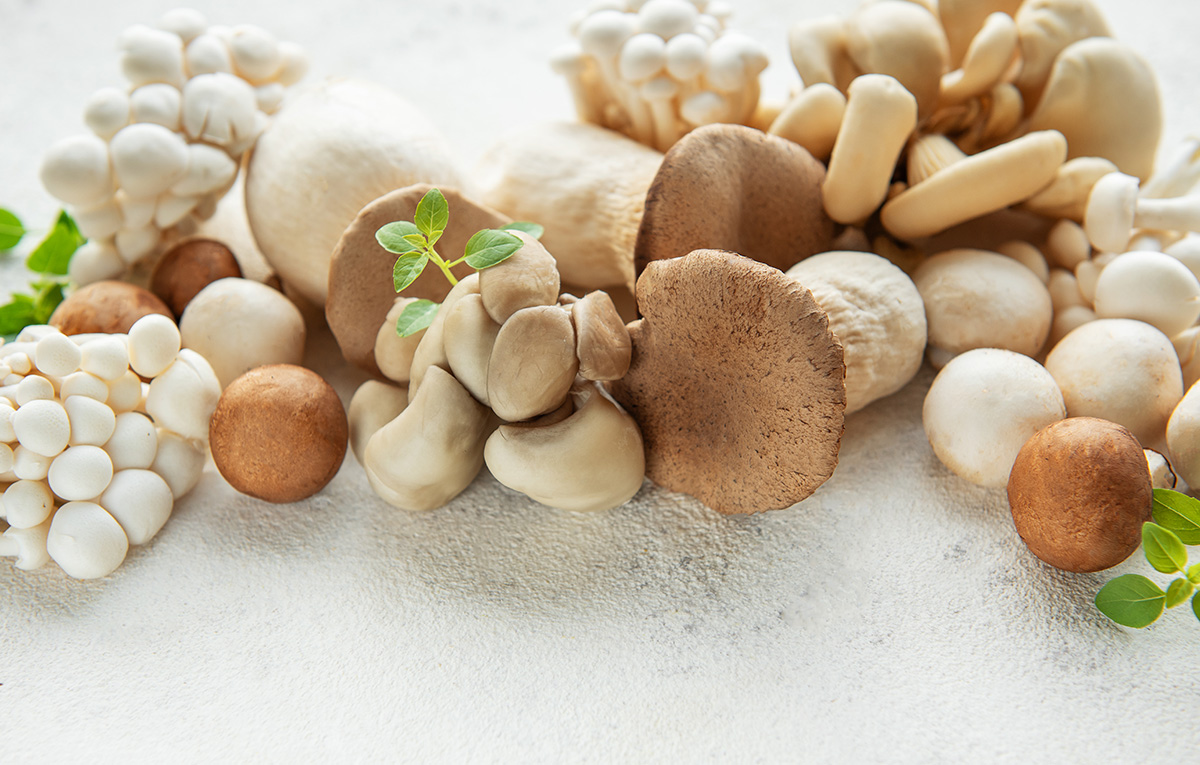
Eat more mushrooms
Hannah Whitcombe, osteopath and nutritional therapist, says mushrooms are one of the most underrated winter immune boosters. ‘They contain beta-glucans, natural compounds that act like a ‘tune-up’ for your immune system by stimulating protective white blood cells. They’re also a unique source of ergothioneine, an antioxidant that helps immune cells function more effectively.’
Additionally, mushrooms are one of the only plant foods that can naturally provide vitamin D when exposed to sunlight—something we all need more of in the darker months. Adding a handful to soups, stir-fries, or sauces is a simple way to strengthen your body’s first line of defence this winter.
Get your hands dirty
Gardening without gloves or walking barefoot on natural ground introduces a diverse range of bacteria that can help strengthen your microbiome and immune responses. Researchers from the University of Helsinki have found that urban indoor gardening can significantly enhance the diversity of skin bacteria and increase the levels of anti-inflammatory molecules in the blood.
Stay up to date on vaccines
Getting your vaccinations every year helps top up your protection and reduces your risk of severe symptoms, with data showing that the flu vaccine prevented around 100,000 hospital admissions in England last year.
GP Dr Crystal Wyllie at Asda Online Doctor says, ‘Staying up to date on vaccines teaches your immune system how to create the antibodies needed to fight certain diseases. It is much safer and easier for your immune system to build its defences through vaccinations than by catching the disease.’
The flu vaccine is recommended for individuals at a higher risk of developing serious complications from the flu. It's offered on the NHS every year in autumn or early winter.
You can get the free NHS flu vaccine if you:
- are aged 65 or over
- have certain long-term health conditions
- are pregnant
- live in a care home
- are the main carer for an older or disabled person, or receive a carer's allowance
- live with someone who has a weakened immune system
Stay hydrated
Charles Ebubedike, pharmacist and co-founder of O.R.S Hydration, says staying well hydrated is one of the most overlooked ways to support immune health.
Ebubedike says, ‘Water plays a key role in carrying nutrients to cells and keeping the mucous membranes in your nose and throat moist, which is your body’s first line of defence against invading germs. Even mild dehydration can slow down these processes and make you more vulnerable to infection. Aim to sip water regularly throughout the day, and remember that herbal teas and water rich foods like fruit and vegetables also count towards your fluid intake.’
Get a good night’s sleep
GP Dr Babak Ashrafi from Superdrug Online Doctor says one of the most powerful yet often overlooked ways to support your immune system is prioritising quality sleep. Ashrafi says, ‘During deep sleep, your body releases proteins called cytokines, which are crucial for fighting infection and reducing inflammation. Even a few nights of poor rest can leave your defences vulnerable, so aiming for 7–9 hours of consistent, good-quality sleep is one of the simplest but most effective steps you can take. Think of sleep as your body’s overnight repair shop – vital for keeping you resilient through the winter months.’

Keep moving
Personal trainer Carly Harvey says movement is a powerful way to boost your immune system. ‘There is a clear connection between being active and making healthier food choices, but it goes even deeper than that. Regular moderate exercise improves the circulation of immune cells, helping your body to detect and fight off infections far more effectively.’
Take care of yourself with daily, moderate-intensity activities such as walking, dancing, or cycling; choose an activity that you enjoy, as this will help you maintain it as a daily routine – strengthening your immune system and promoting your overall health.
Look after your gut health
Nutritionist Charlotte Winter says it’s important to recognise the intimate link between gut health and immunity. ‘Around 70%-80% of immune cells reside in the gut, where there is an intricate interplay between a diverse microbial community and immune cells. Diets rich in fibre from whole grains, legumes, fruits, and vegetables feed beneficial gut bacteria, encouraging microbial diversity—a marker of a resilient ecosystem.’
In contrast, heavily processed foods that incorporate high amounts of added sugar and are low in fibre can disrupt microbial balance, thereby dysregulating the immune response. Winter says, ‘By cultivating a diet that focuses on prebiotic fibres, fermented foods, and nutrient-rich plants, you not only nourish and support your gut microbiota but also strengthen the immune defences that will carry you through winter.’
Top up your vitamin D
Vitamin D is produced by the body in response to sunlight and is often lauded for its health benefits. Researchers have also found that it affects key cells of the immune system. It’s estimated that nearly one in five UK adults has a low vitamin D status. During the winter months, due to the lack of sunlight, vitamin D can only be obtained from the diet (and supplements), but only a relatively small number of foods in the diet contain vitamin D.
Pharmacist Usman Mir says, ‘A daily 10 µg (400 IU) supplement is recommended for most adults during autumn/winter, especially for those with darker skin or limited sun exposure.’
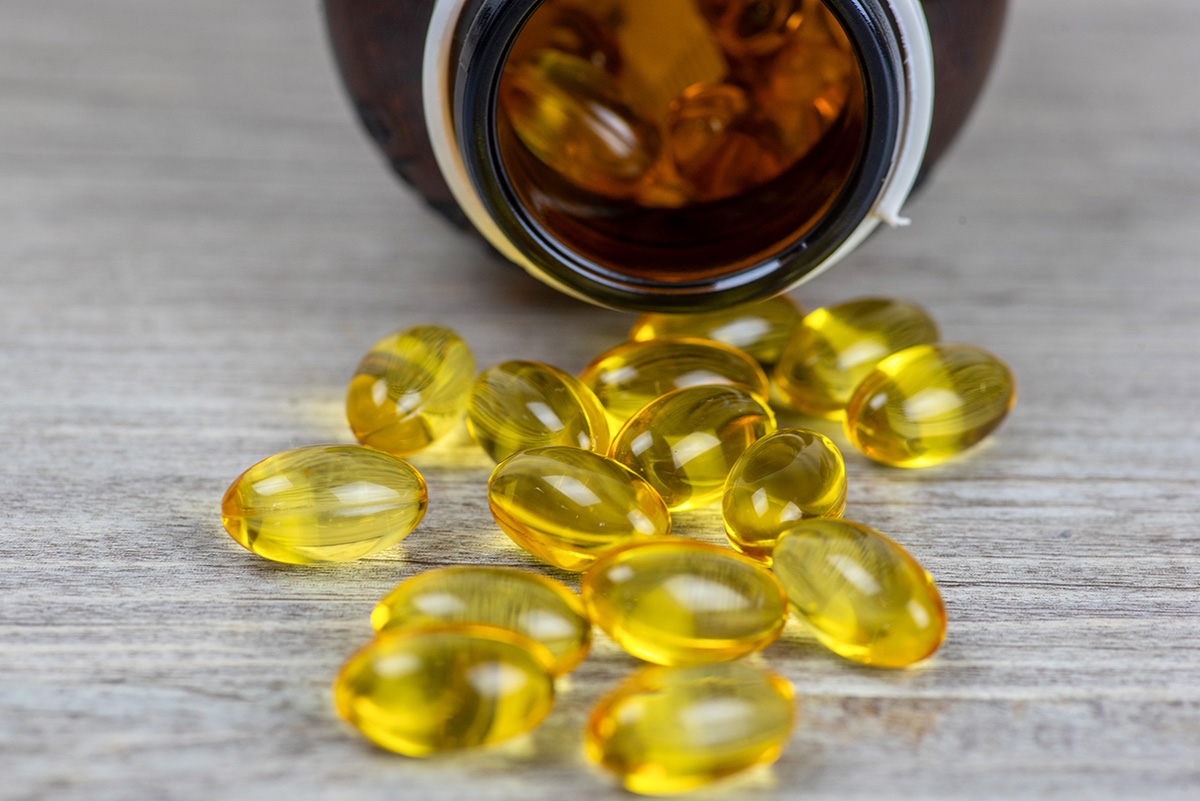
Get more omega-3 in your diet
Alexa Mullane, a nutritional therapist and advisor to Wiley’s Finest, says that eating fish, especially in-season oily fish such as herring and sardines, is an essential source of omega-3s, EPA, and DHA. ‘Omega-3s can help support the immune system with their anti-inflammatory effect. They also protect vision, joint, hormonal and overall health and wellbeing. If you don’t eat oily fish regularly, or aren’t a fan of finned species, I recommend taking a high-quality fish oil. For vegans and vegetarians, consider a plant-powered source of omega-3s such as a supplement derived from marine algae.’
Quit smoking
Wyllie says quitting smoking is not only hugely beneficial for your overall health, but also helps the immune system. According to Wyllie, ‘Many of the components in cigarettes can impair the body’s ability to fight off infection, leaving you more vulnerable. Smokers are typically more likely to contract respiratory infections like cold and flu. Your adaptive immune system, the part responsible for remembering and responding to threats, can be negatively impacted from smoking. It can take years for your immune system to recover after quitting smoking, so the sooner you decide to stop, the better.’
Read more:

