
Why your joints ache more in the cold and what you can do about it
Crisp air and cooler temperatures are a welcome shift for many when autumn starts but for others, it marks the start of a good six months of increased discomfort. A 2023 survey by Lanes Health showed that 44% of those living with joint pain report soreness every day with cold weather making things worse, intensifying stiffness, swelling and inflammation.
Joint pain itself is on the rise in the UK – where musculoskeletal conditions are the leading cause of disability and are expected to affect three times as many people as cancer by 2030, according to the UK Health Security Agency.
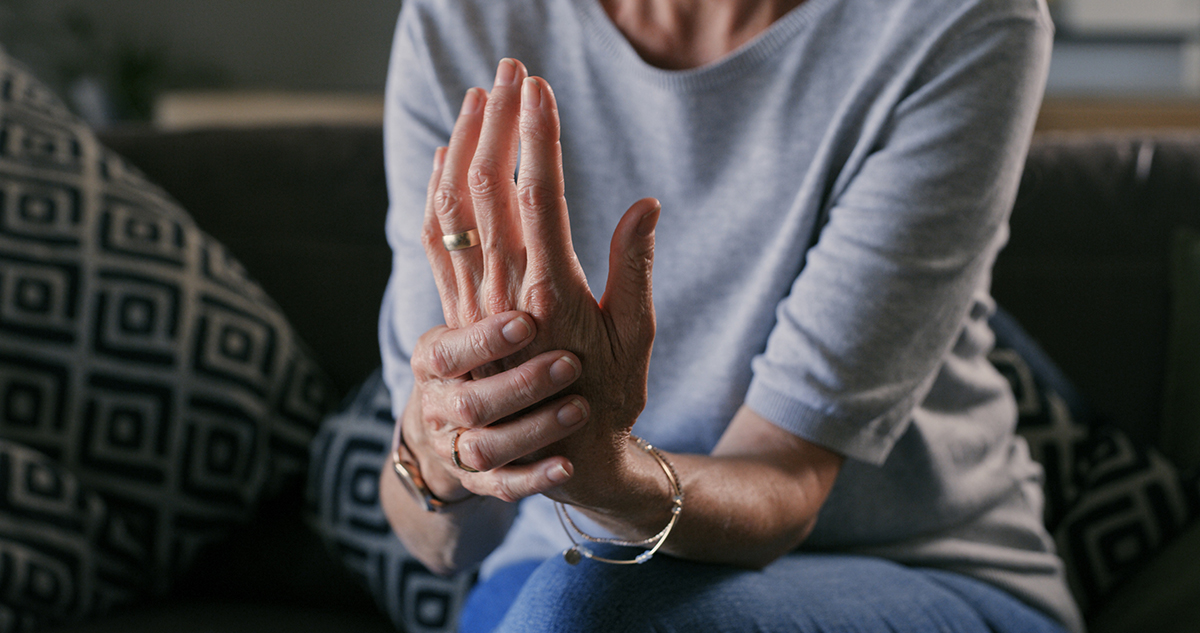
Dr Rod Hughes, a rheumatologist with over 20 years of clinical expertise, explains: ‘People who suffer from arthritic joints may experience increased pain and stiffness during the colder months. Low-pressure weather patterns may have a physical impact on the joints and could cause already inflamed areas such as knees, hands and hips to swell which can cause pain.
‘In addition, during cold weather, the body focuses on circulating blood around the core and major organs and away from muscles and joints. As a result, the joints can feel less flexible.’
It's not something that only affects arthritis sufferers either. Deborah Grayson, a pharmacist and nutritional therapist who runs Digestion With Confidence says, ‘There are many reasons why we experience joint pains, including acute injuries such as sprains and strains. Past fractures can also lead to painful joints after they’ve healed. Osteoarthritis, rheumatoid arthritis and gout are causes, meanwhile, diabetes or poorly managed blood sugar can increase inflammation and tissue damage which can accelerate the destruction of joints and increase the risk of osteoarthritis. Fibromyalgia, a chronic condition that causes widespread pain, can also cause painful joints. And some infections – viral and bacterial – can be to blame.’

Grayson also adds that being overweight increases strain on joints, particularly on the knees and ankles, and as we all know – it’s common for joints to become stiffer as we age.
‘Joints contain synovial fluid for lubrication and, much like car oil, it becomes thicker when it’s cold which increases friction and pain,’ continues Grayson. ‘Cold weather is also thought to increase the sensitivity of pain receptors in the nervous system which can make the pain appear worse. In addition, cold winter months can increase depression and worsen mood. This can result in a low pain threshold and increased perception of pain. Chilly conditions also often result in less physical activity, which can cause muscles to become weaker and joints to stiffen.’
How do you know if it’s something more serious?
Joint pain affects an estimated 17 million people in the UK. GP Dr Donald Grant says, ‘This includes an estimated 10 million people with osteoarthritis (OA), of which 5.4 million have knee OA and 3.2 million have hip OA. Approximately 450,000 adults have rheumatoid arthritis (RA), and 190,000 adults are estimated to have psoriatic arthritis.
‘There’s also some evidence to suggest that changes in hormones during the onset of menopause can trigger a form of ‘menopausal arthritis’ in women whereby joints become more inflamed and less mobile due to the sudden drop in female sex hormones. This type of arthritis can improve post-menopause or with the administration of HRT.
‘Another form of arthritis is reactive arthritis,’ he adds, ‘which is a type of temporary arthritis triggered by infections in another part of the body, most often the intestines, genitals or urinary tract. Food poisoning (Salmonella) along with bacterial infections such as shingles and the sexually transmitted bacteria Chlamydia are common triggers for reactive arthritis and for chlamydia it is more common in men than women.
‘This condition, which can often affect younger people, usually causes quite a rapid onset of inflammation and stiffness in the joints in the knees, ankles and feet with symptoms usually disappearing within 12 months.’
So, when it is just stiff joints and when is it arthritis? Consultant Orthopaedic Surgeon Mr Andrew Pearse says you may recognise the symptoms by the following: ‘Arthritis is typified by a combination of persistent pain and stiffness. Whilst the stiffness can typically improve with gentle exercise, inversely the pain tends to increase, especially after cessation of exercise (due to bone-bruising). The ‘start-up’ pain and stiffness that arthritis sufferers feel when rising out of chair is due to ‘glueing’ between two worn surfaces, like the release of Velcro.’
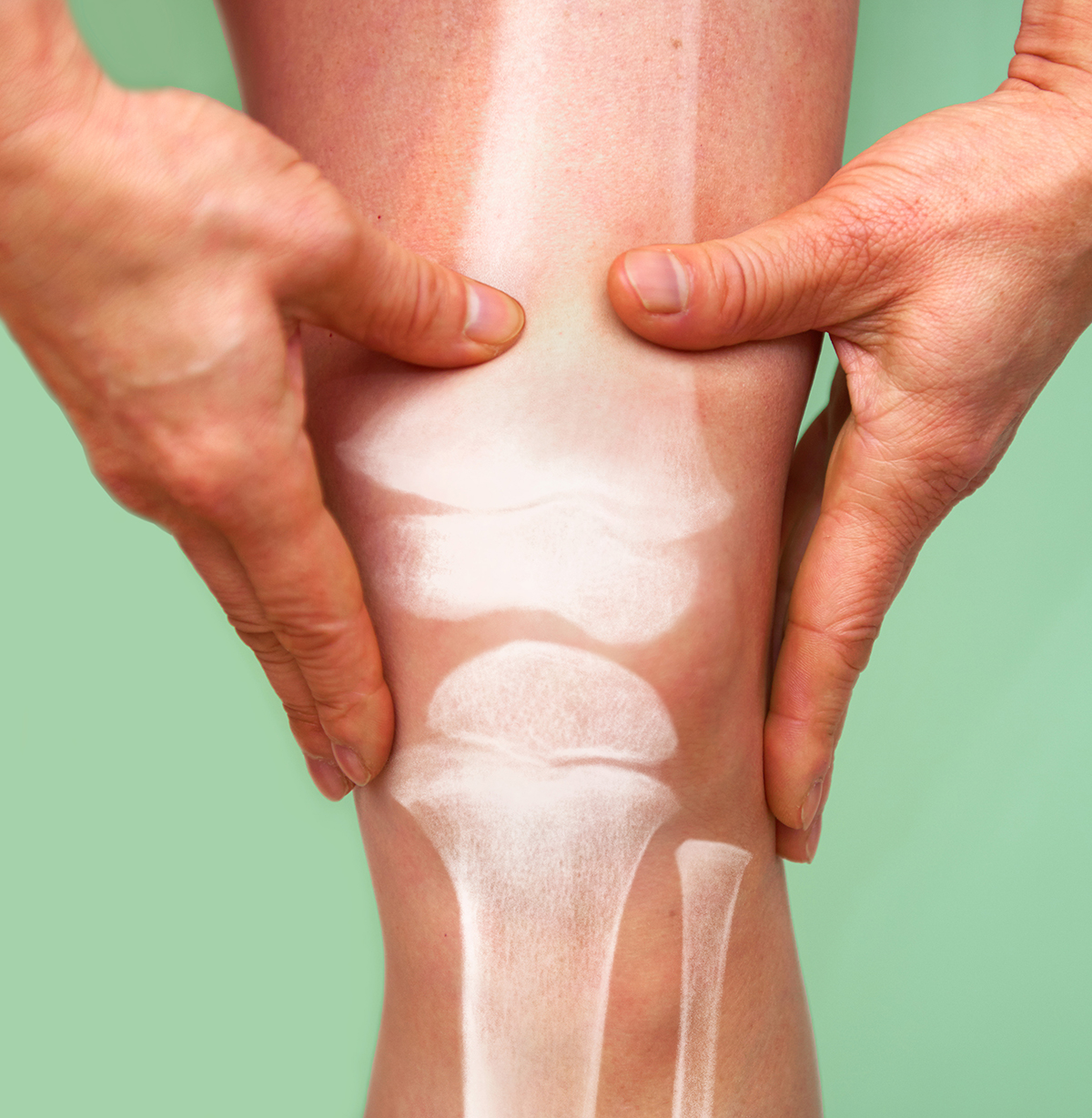
Healthy joint lining cartilage is able to maintain a thin layer of lubrication even at rest, explains Pearse, whereas worn cartilage can’t, which means with the first few steps the oil is ‘painted’ back onto the cartilage, so it improves quickly.
If you’re worried though, it’s always best to see your GP so they can investigate further. ‘X-rays can show damage to the joints themselves which is often seen with osteoarthritis, rheumatoid arthritis and gout,’ says Grayson. ‘In addition, blood tests can help to identify the level of inflammation, the presence of uric acid which is elevated in gout as well as markers that indicate rheumatoid arthritis, which is an autoimmune disease. Testing for signs of diabetes can be helpful too.’
Tara Riley is a multi-disciplinary movement expert with a background in elite gymnastics, Pilates, Barre, and functional strength training. A diagnosis of rheumatoid arthritis at 27 led her to rethink fitness and she now blends barre’s isometric holds, Pilates’ core control, strength training, and dynamic cardio, to help clients of all ages move better and feel stronger. Now based in the UK, Tara’s real-life approach to fitness prioritises movement that supports everyday function – from twisting to reach the back seat of the car to improving joint stability and mobility.
‘Everyday stiffness usually eases once you get moving. Arthritis pain is more persistent, often with swelling or stiffness that doesn’t go away – that’s when to check in with your GP,’ she says, from experience.
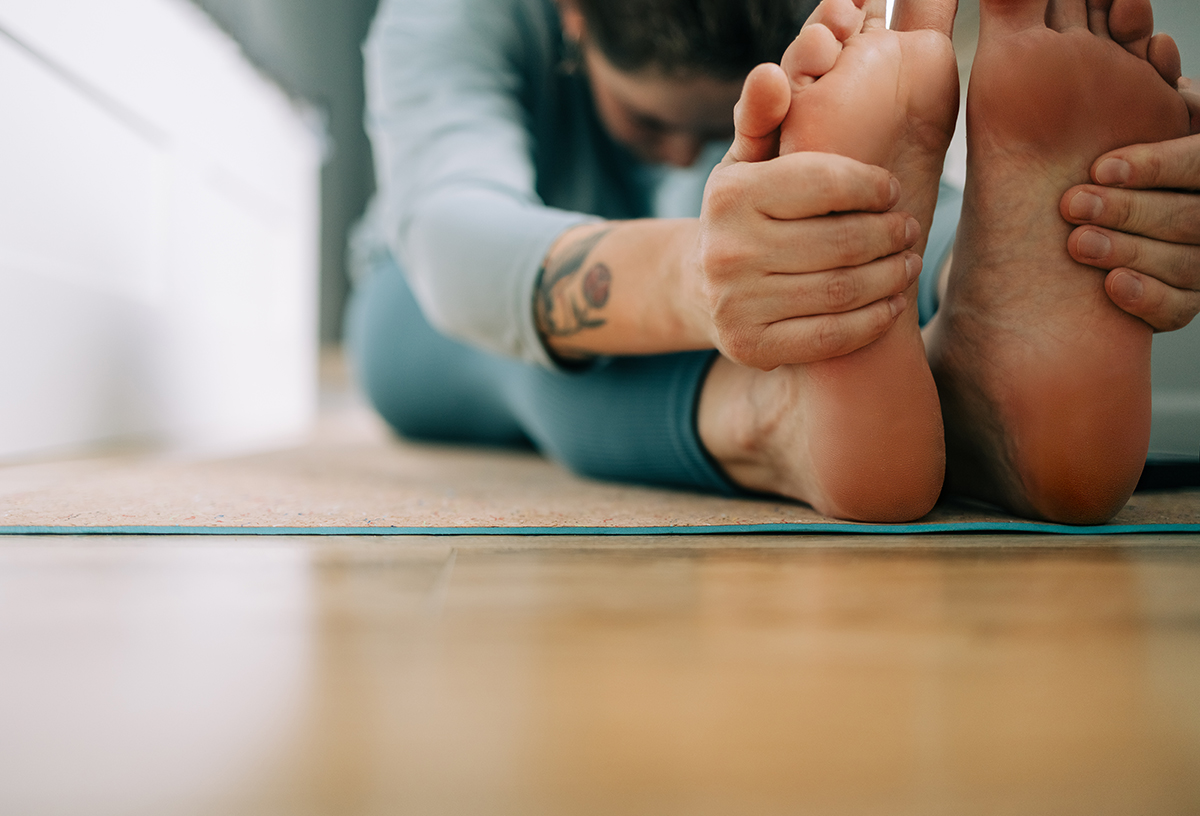
‘Movement really is medicine for the joints. Taking regular exercise – for me, Pilates and Barre are game changers – keeps joints mobile and the supporting muscles strong, which helps reduce pain in the long term. Heat packs, and massage can bring relief on tough days. And looking after the whole body through balanced nutrition, good sleep, and stress management is just as important – it all adds up to support the health and longevity of your joints.’
Loosen up
Let’s look at some other tips for joint pain from the experts. Andrew Pearse says, ‘Sadly we do not have the ability to ‘cure’ arthritis, so our treatment is targeted at its symptoms, namely pain and stiffness. Pain-relief remains the mainstay of effective arthritis management. With reduced pain sufferers can be more active and therefore avoid increasing stiffness.’
Deborah Grayson adds, ‘Simple over-the-counter remedies, including paracetamol, can help. If you have chronic arthritic pain, then paracetamol is best taken regularly. It really works better when taken four times a day as opposed to once or twice a day. This can reduce the need for stronger painkillers such as codeine, which can cause constipation and be addictive. Non-steroidal anti-inflammatories such as ibuprofen can also help but long-term use should be discussed with your doctor as they can damage your stomach and kidneys and increase blood pressure.
‘Topical products such as heat rubs and anti-inflammatory creams can also help with symptom relief too. My personal favourite is Biofreeze gel which is amazing when the pain is caused by muscle spasms.’
On top of pain-relief, Dr Hughes suggests the following ways to protect your joints in the winter:
- Keep your body temperature consistent: ‘When it’s cold out, dressing in warm, layered clothing isn’t just for comfort – it’s a smart way to protect your joints. Staying warm helps reduce stiffness and prevents pain before it starts. Cover areas that tend to flare up like knees, hips and hands with thermal wear or insulated gloves.’
- Take regular, gentle exercise: ‘Cold weather and icy sidewalks can make outdoor activity less appealing – and even a little unsafe – but it’s still important to keep moving for joint health. Gentle indoor exercises like yoga, tai chi or light strength training with resistance bands or hand weights can help maintain flexibility, strengthen muscles that support your joints and improve circulation. Regular movement helps prevent stiffness which is more common during the colder months.’
- Stay hydrated: ‘Staying hydrated might not seem urgent in winter but dry indoor air and cold weather can quietly dehydrate you. That loss of moisture can increase joint pain, reduce lubrication and make muscles more prone to cramping. Drink water, herbal teas, warm broths – whatever helps you stay hydrated and feeling your best.’
- Maintain your ideal body weight: ‘Winter brings cosy meals and more time indoors, which can make it harder to stay active but even small lifestyle choices can make a big difference for joint health. Maintaining a healthy weight helps reduce pressure on weight-bearing joints like your knees, hips and ankles. It’s not about restriction – it’s about protecting your mobility, reducing inflammation long-term.’
- Support your diet: ‘Winter is the season for hearty meals and roast dinners, but you can still pack in plenty of joint-friendly nutrients. Load your plate with a variety of colourful veg, add whole grains where you can, sprinkle on some seeds and aim for oily fish like salmon or mackerel twice a week. Antioxidants from vegetables support health, while omega-3s help reduce inflammation and may ease arthritis symptoms, making even comfort food work harder for your joints.’
- Consider targeted supplements: ‘As we head into winter, supporting joint health with clinically backed supplements can be especially helpful alongside lifestyle changes. One such option is GOPO®, (available from Boots, Amazon, and Holland & Barrett) a natural compound derived from rose-hip that is also rich in vitamin C – a nutrient often harder to get enough of during colder months. Research indicates that GOPO® can effectively relieve joint pain thanks to its anti-inflammatory properties. It offers a promising alternative to traditional painkillers, with fewer risks of side effects, making it a sustainable choice for managing joint discomfort all year round.’
Andrew Pearse adds, ‘Effective treatment is a spectrum beginning with simple measures and progressing through step-wise options:
- Lifestyle: Regular, low-impact exercise (like swimming, cycling, or walking) helps keep joints mobile and muscles strong. Maintaining a healthy weight reduces stress on the knees. Furthermore, exercise releases natural painkillers in our bodies
- Simple measures: Heat, ice, supportive footwear, and pacing activities can all help
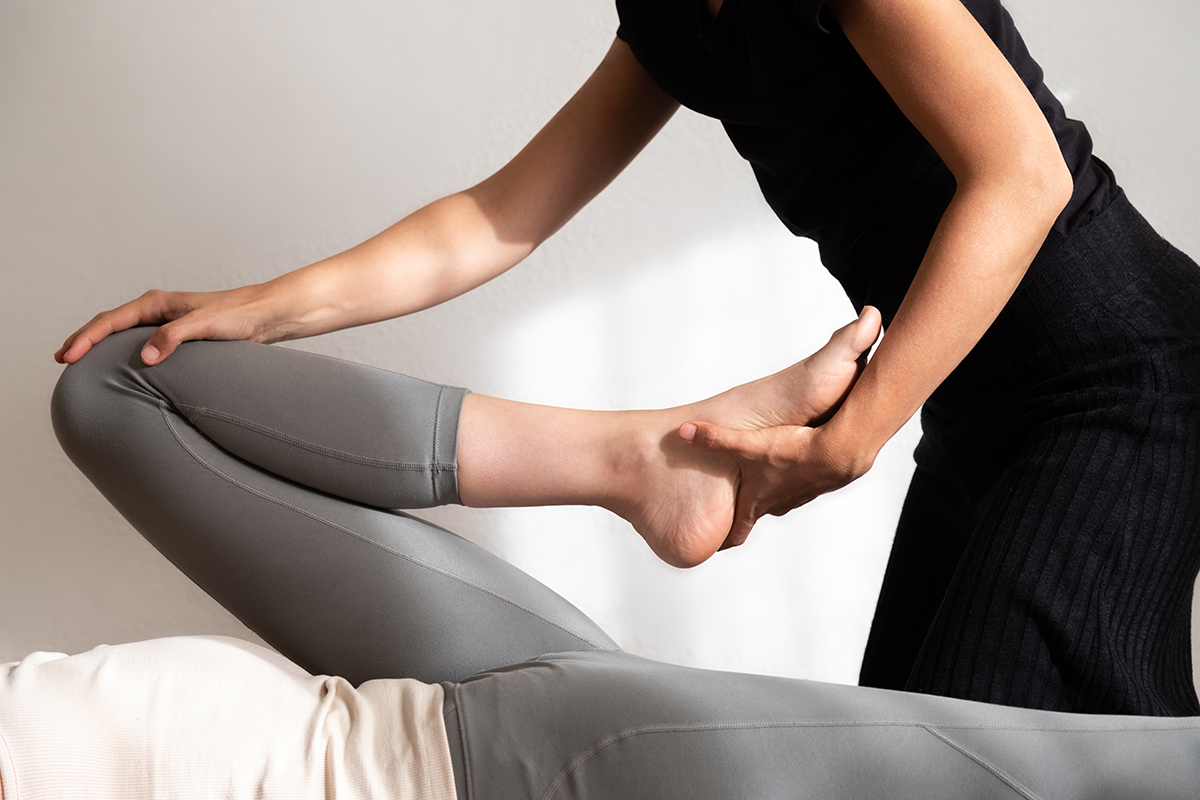
- Physiotherapy: Targeted exercises improve strength and function.
- Medications and injections: Painkillers and anti-inflammatories may be useful, especially when the differing sources of pain are considered. Some people benefit from joint injections, which range from cortisone to newer options that aim to provide longer-lasting relief. This is especially true when treating patients with symptoms arising from the inflamed joint lining, typified by swelling. There is some gathering evidence that an injectable hydrogel (Arthrosamid®) can give relief for as long as 5 years
- Surgery: As the condition advances cases, and previous measures are no longer effective then joint replacement remains very successful procedure.’
Pearse mentions supportive footwear, above. A good option is to insert an insole in your shoe. A product like UP Active Comfort Insole (£20, up-insoles.co.uk) absorbs up to 95% of the shockwaves that travel up through the joints with every step, as well as enhancing comfort. Grayson has some additional tricks: ‘If it’s an acute problem, then using a cold pack can help. For more prolonged issues, heat is often beneficial, and it can help to relax stiff muscles which can often be one of the key causes of joint pain. Try a microwaveable heatpad, hot bath or far infra-red (FIR) therapy, where long-wavelength infrared radiation provides a gentle heat, such as a dry sauna. You can get plug-in heatpads, battery-powered heated body warmers and scarves.’
‘Physiotherapy can help too,’ she adds. ‘Some conditions respond really well to shockwave therapy which is usually done in a physiotherapy clinic.
‘Omega-3 supplements can help reduce inflammation, especially if you don’t eat oily fish. And general stiffness can sometimes be helped with magnesium supplements, especially if you often have muscle cramps too. Some people find turmeric supplements helpful, but this can depend on the quality.
‘Turmeric does interfere with lots of prescribed medication so always check before taking it with medication. I personally find turmeric and ginger more beneficial when consumed as foods, such as a turmeric latte or ginger tea, than as a supplement and it’s unlikely to affect your medication unless you consume huge amounts.’
So, arm yourself with a warm brew and move your body gently and purposefully through the season – even if that includes a trip to your GP. They can get to the root of your discomfort and help you manage the symptoms to make the most of the colder months, so you don’t have to miss out on all the magic they bring.

Morning or evening pain?
Knowing the difference between morning and evening joint pain can help sufferers tailor their joint pain management treatments more effectively.
Morning joint pain tends to be more about stiffness and lack of mobility. This is due to omega
the amount of synovial fluid circulating around the joint being depleted and also thickening due to lack of movement during sleep.
For people who suffer from osteoarthritis (OA), this morning stiffness may also be added to from a breakdown in the cartilage that covers the ends of the bones. It is often quite short-lived, usually easing within approximately 30 minutes. For those with rheumatoid arthritis (RA) it may linger for longer.
How to ease morning joint pain
Managing morning joint pain should focus on aiding joint lubrication as much as possible.
- Apply a joint lubricating cream – topical preparations that are focused more specifically on joint lubrication can be effective for morning joint stiffness as these can help relieve the feeling of lack of mobility more quickly. Apply topical joint lubricating preparations 20-30 minutes before getting up while you are still warm in bed to aid the process even more. Actimas Celafen (www.actimas.co.uk), contains a specific long-chain fatty acid preparation which has been shown to aide in joint lubrication and is proven to take effect within 30 minutes of application.
- Do a gentle bed stretching routine – Before getting out of bed, do some gentle stretching for 5-10 minutes while you are still warm under the covers. Start with gently doing wrist and ankle circles. Then bend your knees. Gently lift one hip and then the other off the bed and slightly rotate it upwards. Turn onto your front and stretch your arms gently forward with your knees in a kneeling position to stretch out your lower back. Gently rotate your head clockwise and then anticlockwise.
- Have a warm shower – The warmth of the shower can help further relieve stiff joints by boosting circulation to the joints. Put on a pre-warmed bath robe after showering to continue to keep morning joints warm.
- Drink plenty of hydrating warm liquids – Drinking warm teas such as ginger and turmeric or warm water with lemon helps quickly hydrate the body. Drink at least two glasses or mugs of these before having a morning coffee.
- Eat a joint-lubricating breakfast – Omega oils are found in the richest sources in oily fish but are also found in seeds and nuts. Eating an omega-rich meal is ideal for breakfast to help speed up the lubrication of stiff morning joints. Tinned sardines, mackerel or herring, smoked salmon, sunflower seeds, flaxseeds and chia seeds, nut milks and butters (in particular walnuts) and omega-3 enriched eggs are some of the highest food sources of nightt oils.
- Consider adding joint-lubricating supplements with breakfast – Adding omega oil supplements along with glucosamine and chondroitin to your morning routine can help with lubricating joint cartilage and many studies have shown that chondroitin helps reduce joint stiffness.

Evening joint pain
Joint pain experienced at night can be brought on by chronic conditions such as all types of arthritis, ankylosing spondylitis and fibromyalgia. What usually characterises evening joint pain is inflammation. Joint pain at night often feels achy and sore, creating a burning or throbbing sensation. Repeated use and strain on joints during daily tasks mean that in the evenings joint swelling spikes.
At night, levels of cortisol (your anti-inflammatory hormone) dips, while pro-inflammatory proteins like cytokines surge. For arthritis and joint-pain sufferers, this means swelling and pain ramp up. In addition, production of the hormone prolactin spikes which while aiding sleep, also increases inflammation.
Nerve pain that is typical of fibromyalgia can be felt more at night and can manifest itself as tingling, or ‘pins and needles’. Body temperature changes in the evenings are also a possible cause of nerve pain, because experts believe that when the temperature drops at night, damaged nerves may interpret the change as pain or tingling.
Managing evening joint pain needs to focus principally on reducing inflammation as effectively as possible. If an evening pain flare is particularly bad, then it may be necessary to use NSAID medication that are available on prescription. However, it’s widely agreed that trying to limit the use of these medications via alternative methods is preferable due to their side effects.
It’s also worth bearing in mind that studies looking at the value of Paracetamol and Ibuprofen in the treatment of arthritis could not reliably conclude whether Paracetamol was better than Ibuprofen or whether either was better than nothing at all for ‘arthritic’ pain. Research published in the British Medical Journal concluded that long term use of non-steroidal anti-inflammatory medications, commonly prescribed in the UK for arthritic type pain, were only slightly better than placebo. So, taking these studies into account, it’s questionable if conventional painkillers even work that well on joint inflammation yet they carry many common side effects which are not very pleasant for the patient.
How to ease evening pain
- Apply an anti-inflammatory joint cream to evening joints – Essential oil preparations with anti-inflammatory actions can be effective for bringing down evening joint inflammation. Boswellia (frankincense) has been widely studied for the use of joint inflammation as it contains pant chemicals called Boswellia acids, which have anti-inflammatory effects. Commiphora (Myrrh) has also been widely studied for its anti-inflammatory effects on joint inflammation.
Actimas Boswellia & Commiphora Joint Rub (www.skinshop.co.uk) contains both these essential oils in high concentrations and has been shown in two studies by UK doctors as well as wider scientific studies to help quickly relieve the pain from joint inflammation. The resin extracted from frankincense contains acids that inhibit pro-inflammatory enzymes, and in particular, one of these acids is the most potent inhibitor of 5-lipoxygenase, an enzyme responsible for inflammation. Myrrh has also been widely studied for both its anti-inflammatory and analgesic effects. By combining these two spices together in a formula we’ve got a potent anti-inflammatory action with no negative side effects. This is exactly what’s needed when dealing with evening joint inflammation.
- Put your feet up – Elevation of the feet is a simple way to help reduce swelling in the knees and feet because it slows blood flow and fluids to the affected area which can help ease inflammation.
- Keep shoes on until you sit down – Standing with your feet can make evening joint inflammation worse. One way to minimize this is to wear comfortable, supportive shoes in your house as bare feet can intensify pain. Consider buying a supportive pair of shoes or slippers for indoor use only. Adding a cushioned mat in front of the stove or sink can also help reduce pressure on your leg and foot joints while doing kitchen chores and cooking.
- Use a cooling compress – Joint inflammation often causes additional heat so using a cooling compress on swollen even joints while also elevating them can help bring down inflammation.
- Drink anti-inflammatory drinks and avoid alcohol – Green tea is well known for its anti-inflammatory effects so drinking it in the evenings can help, although avoid drinking it last thing before bed as it contains caffeine, although relatively low levels, approximately 29 milligrams (mg) per cup, compared with black tea, which has 48 mg per cup, and coffee, which has 96 mg per cup. Studies have also found that tart cheery juice contains compounds that can modulate inflammatory signalling pathways, helping to reduce inflammation in the joints. Alcohol, on the other hand, can increase inflammation because when the body breaks it down it releases inflammatory proteins. Also, some studies have shown that alcohol reduces levels of anti-inflammatory bacteria in the gut.
- Avoid inflammatory foods at night – Food which can increased inflammation in the body include highly processed foods, sugary foods, refined grains like white bread and rice and saturated fats in red meat and full fat dairy products, so try to avoid or reduce the amounts of all of these for your evening meal.
- Take MSM with dinner – Methylsulfonylmethane (MSM) has been shown to have anti-inflammatory effects. One study found that taking an MSM supplement with dinner help, over time, reduce inflammation of the knee joints overnight.
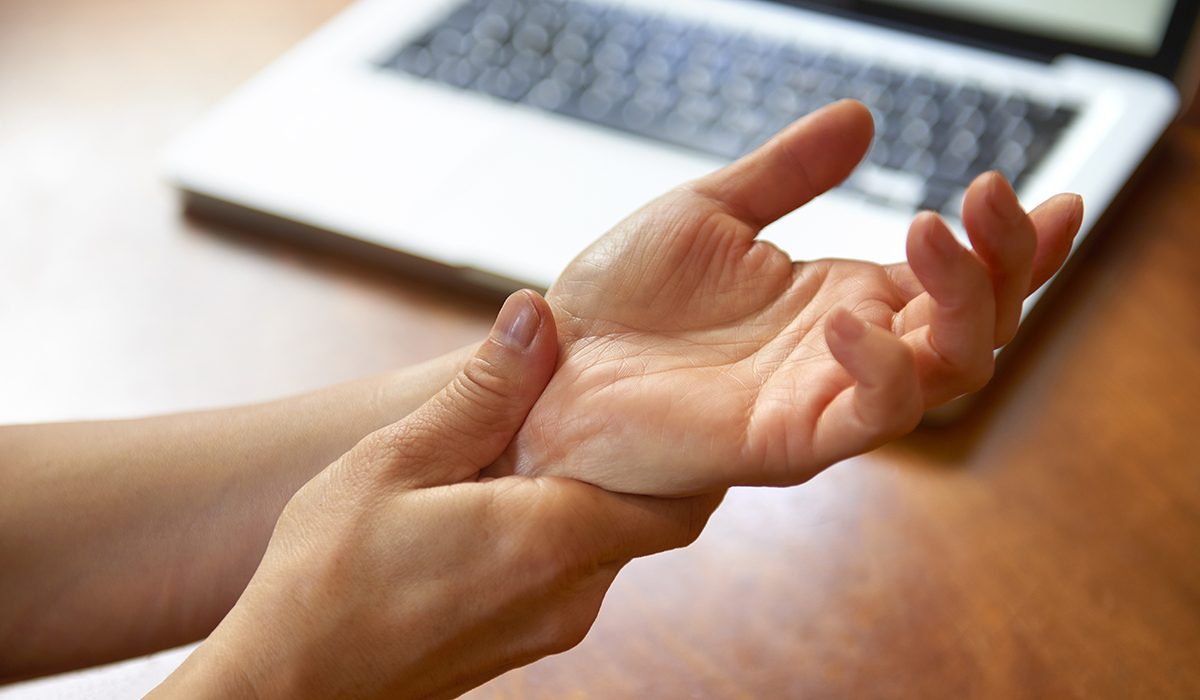
Adopt this ONE simple habit to ward off arthritis
Just two minutes is enough for this simple change in routine to save your joint health. Voitek Korus, Personal Trainer at luxury retirement village brand Audley Villages’ Bristol location, advises people in a seated job role to simply stand up and have a short walk every 30 minutes to keep hinge joints such as the knees and elbows in good order.
Korus advises that walks of just two minutes are enough to make a difference to your long-term joint health. ‘Arthritis can develop from stiffening joints due to prolonged lack of movement, so sitting for long periods can eventually reduce your joints’ range of motion. Most people consider things like poor posture and lack of movement as simply just part of a sit-down job, but it can actually have a detrimental impact on your joints in later life.’
Regular breaks to walk around can also have a positive impact on muscles that support the joints, according to Korus. He says, ‘Walking can engage the muscles around the hips, knees and ankles which are common areas to experience arthritis in. Strong muscles provide better joint support and can ward off any future joint stiffness.’
‘Making this simple change to your daily routine can have an impact much quicker than you might think,’ he says. ‘When it comes to futureproofing your joint health, starting sooner rather than later is key when it comes to mobility in our later years.’
Read more:

