
Is erectile dysfunction ruining your sex life? This is what you can do about it
Erectile dysfunction (ED) is very common; it’s estimated that half of all men will experience it at some point in their lives, and the condition is on the rise in the UK.
Superdrug Online Doctor, which provides prescriptions to help with ED through online pharmacists, saw a 68% rise in demand for its services here in 2024. That came with a 46% increase in men aged 18-29, the age group least likely to experience ED for reasons strictly related to physical health.
ED can cause embarrassment, low self-esteem and other more serious psychological conditions. But no one should feel ashamed or embarrassed to have ED. It may be the body’s way of signalling that something isn’t right.
Read on to find out more about why many young men are now experiencing ED, the surprising link between ED and heart attacks, and the treatments available.
- Why are young people dying from this preventable killer condition? Find out how to reduce your risk
- If these things happen during sex you MUST see a doctor
What causes erectile dysfunction?
Many men occasionally fail to get or keep an erection. This may be caused by stress, tiredness or drinking too much alcohol, and it's nothing to worry about. It can also be a side effect of some medicines.
If erectile dysfunction happens often, it may be caused by a condition such as:
- high blood pressure or high cholesterol
- diabetes
- depression or anxiety
- hormone problems
Psychological impotence is even more common than other forms of ED. Anxiety over getting erections can become a vicious circle, according to sex and relationship therapist Louise Heywood, ‘Once you’ve had any reason to doubt your erections, negative thoughts can creep in. These can wreck your chances of getting hard, even if the initial cause of your ED has gone. It becomes a self-fulfilling prophecy.’

Is erectile dysfunction becoming more common in younger men?
While ED occurs less frequently in younger men, a study in The Journal of Sexual Medicine found that ED affects about 26% of men under the age of 40.
Heywood says the increasing prevalence of ED in young men is an important phenomenon. ‘Younger men are at a time in their lives when society expects them to be more sexually virile and, in many cultures, more sexually active. If they fail to get an erection, even once, this can knock their confidence. They may put pressure on themselves to ‘perform’ and if they can’t, this may stop them from pursing a sexual relationship, for fear of failure.’

Lifestyle factors that can impact sexual performance
GP Dr Deepli Misra-Sharp explains that ‘an increased number of young men are experiencing ED, and there are a wide range of lifestyle factors that could be causing it. Making sure you’re taking the best care of yourself can help you get better erections.’
Misra-Sharp explains the factors that may influence impotence:
- Alcohol – Binge drinking can lead to ED. Drinking the recommended 14 units or less a week can help.
- Drugs – rather than enhancing sex, many recreational drugs can hinder it.
- Smoking and vaping – damage blood vessels and restrict blood flow, including to your penis.
- Watching porn – porn can change how we feel when having sex in real life; it may not be as exciting as what someone has seen in porn.
- Unhealthy diet – what we eat can contribute to obesity, diabetes, and cardiovascular issues, which are known risk factors for ED.
- Exercise – engaging in vigorous cardiovascular exercise for at least 45 minutes, three times a week, may help reverse some cases of mild ED.
Misra-Sharp says, ‘It’s important to assess your lifestyle and any psychological issues before presuming there is something physically wrong. Seeking medication for ED and performance issues but not addressing the initial cause will only prolong the issue.’
The important link between ED and heart health
According to research, erectile dysfunction may be a risk factor for heart attacks and strokes.
The study, published in the journal Circulation, sought to determine whether ED alone is a good predictor of cardiovascular risk. Researchers studied data from nearly 2,000 men, with an average age of 69, who had no history of heart disease or stroke. Of those, nearly 46% reported having ED symptoms.
After nearly four years, the study found that 115 men with ED symptoms had suffered from, or died from a heart attack, cardiac arrest or stroke. Men with ED experienced more than twice the number of such events as men without ED: 6.3% versus 2.6%.
‘A diagnosis of erectile dysfunction is associated with a two-fold increase in heart attacks, strokes and cardiovascular death beyond traditional risk factors,’ said the study’s senior author, Dr Michael Blaha.
Erectile dysfunction and heart disease are both vascular conditions that have many similarities. Both conditions share numerous risk factors, such as obesity, high blood pressure, diabetes and smoking. And both occur when there’s reduced blood flow in the heart’s vessels and arteries.
Blaha said men who have ED should undergo a comprehensive cardiovascular evaluation. ‘It is incredible how many men avoid the doctor, and avoid early signs of cardiovascular disease, but present for the first time with a chief complaint of ED,’ Blaha said. ‘This is a wonderful opportunity to identify otherwise undetected high-risk cases for developing cardiovascular disease.’
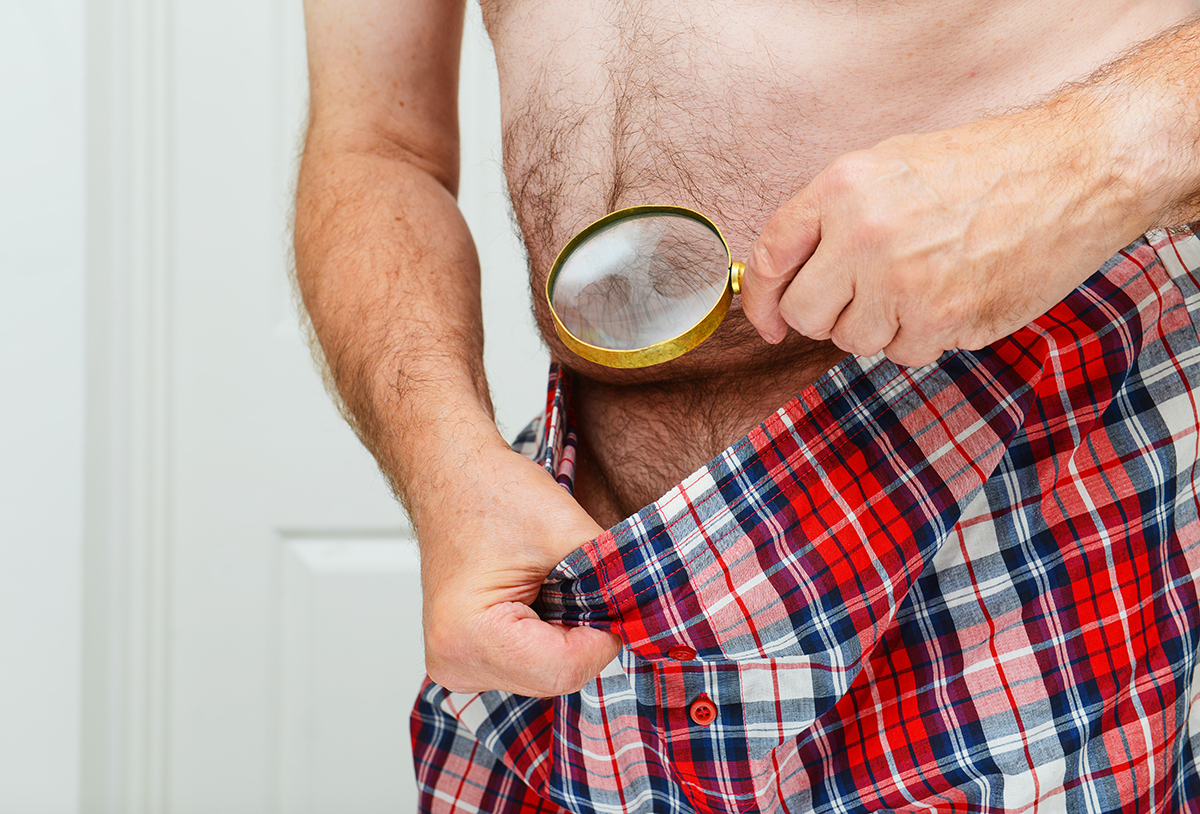
Do I need to see my GP for erectile dysfunction?
Misra-Sharp knows a lot of men are uncomfortable going to their GP with erectile dysfunction, but ‘there’s no need for embarrassment. It’s important to get checked to make sure there are no underlying causes.’
If ED develops suddenly or is accompanied by other symptoms like chest pain, shortness of breath, or significant mood changes, it warrants more urgent evaluation. Gradual onset ED, especially in men over 40, is more common and often related to normal ageing processes combined with lifestyle factors.
Your GP will discuss with you what you’ve experienced, and they may also check your blood pressure, weight, and heart rate. They may also suggest a blood test to check your cholesterol and hormone levels.
Medication for erectile dysfunction
If your erectile dysfunction is caused by an underlying health condition, such as heart disease or diabetes, that condition may need to be treated first. In some cases, treating the underlying cause may also resolve the problem.
If you are taking medication that can cause erectile dysfunction, there may be an alternative. It is important never to stop taking a prescribed medication unless you are advised to do so by your GP or another qualified healthcare professional responsible for your care.
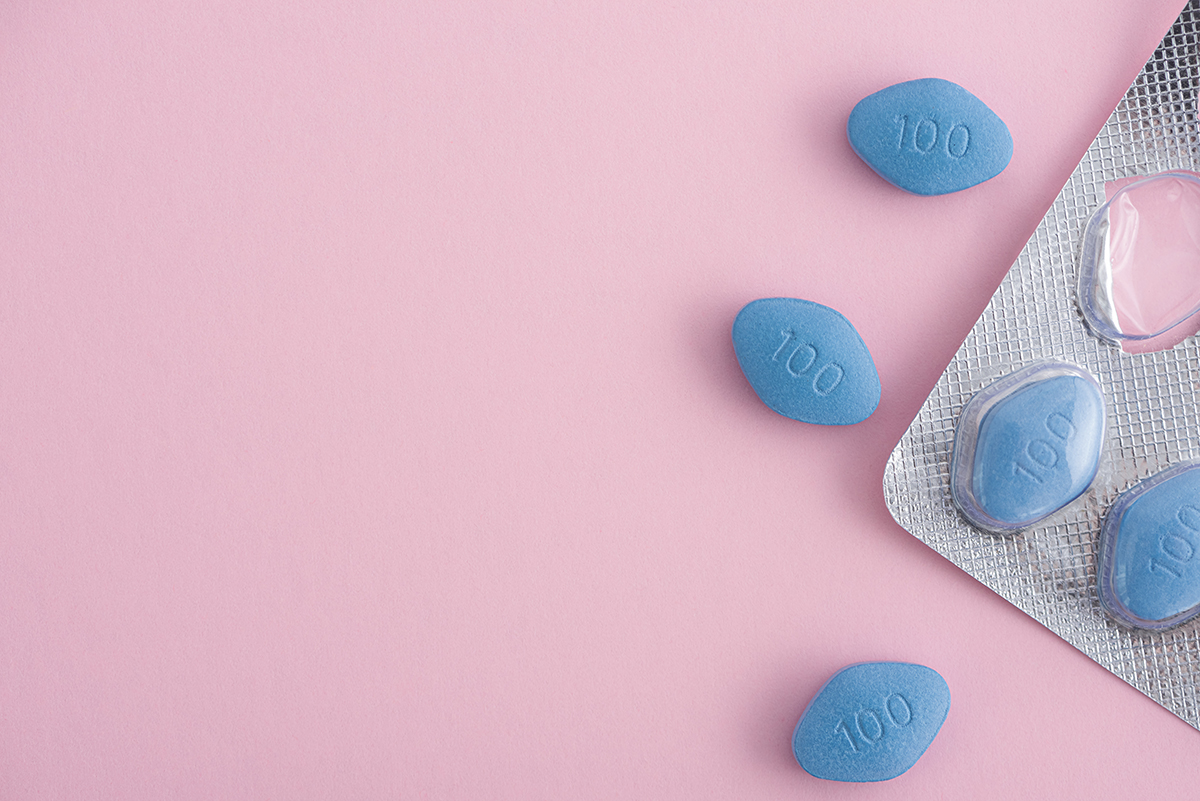
Phosphodiesterase-5 (PDE-5) inhibitors are one of the most widely used and effective types of medication for treating erectile dysfunction. They work by temporarily increasing the blood flow to your penis.
In England, four PDE-5 inhibitors are available for treating erectile dysfunction. They are:
- sildenafil – sold under the brand name Viagra
- tadalafil – sold under the brand name Cialis
- vardenafil – sold under the brand name Levitra
- avanafil – sold under the brand name Spedra
Medication works, however, if you’re taking pills to patch over relationship issues, expect its effects to diminish. These medications can help by ‘improving erection strength, but in the long term, if there are other underlying psychological issues, then medication won’t solve them,’ says Misra-Sharp.

Therapy for erectile dysfunction
Psychosexual counselling is a form of relationship therapy where you and your partner can discuss any sexual or emotional issues that may be contributing to your erectile dysfunction. By talking about the issues, you may be able to reduce any anxiety that you have and overcome your erectile dysfunction.
Louise Heywood says it’s essential to address impotence because it has the potential to destroy a relationship if you’re unable to communicate effectively.
‘Lots of men start avoiding the things that usually bring closeness, like kissing, flirting, or even just being naked with their partner, because they’re worried about it happening again. The sad thing is, that pulling away from their partner often causes more distance. Psychosexual therapy offers a way through – so instead of worrying or avoiding closeness, couples can feel confident, connected and intimate again,’ she explains.
Your therapist can also provide you with some practical advice about sex, such as how to make effective use of other treatments for erectile dysfunction to improve your sex life.
Other treatments for erectile dysfunction
Aside from medication and therapy, there are other treatment options that can help you get and maintain an erection hard enough for sexual intercourse.
- Vacuum pumps - A cylinder which is placed over the penis. The air is then pumped out of it, gently ‘forcing’ the penis to become erect.
- Constriction rings - Used to maintain an erection. A ring is placed around the base of the penis, trapping blood and keeping it hard for longer.
- Surgery - Usually the last option for men with ED. Implants can be inserted into the penis, allowing it to bend upwards for sex and downwards to urinate. Inflatable implants form an erection by filling with fluid.
Read more:

