
How to soothe a rosacea flare-up fast (plus hidden triggers to avoid)
Rosacea is often mistaken for a tendency to blush easily or a stubborn case of adult acne. In fact, it is a chronic inflammatory skin condition that can significantly affect both comfort and confidence.
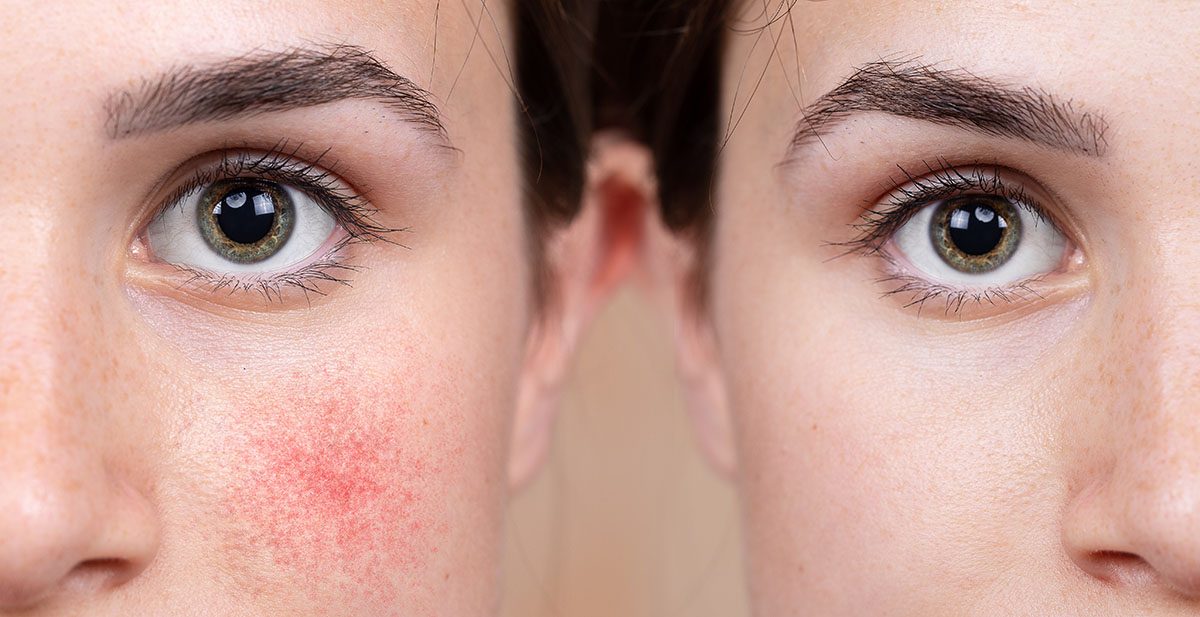
Characterised by persistent redness, flushing, visible blood vessels and, in some cases, acne-like bumps, rosacea most commonly appears across the cheeks, nose, chin and forehead. For some, it also affects the eyes.
Rosacea tends to follow a cycle: periods of relative calm interrupted by flare-ups triggered by internal or external factors. While there is no permanent cure, the condition is highly manageable. Understanding what rosacea is and just as importantly, what it isn’t, is the first step in preventing and calming flare-ups effectively.
- Dermatologists are divided on LED face masks. Here's why
- This is what you can do about stretch marks

Understanding the different types of rosacea
Rosacea is not a one-size-fits-all condition. It presents in several subtypes, which explains why symptoms vary widely:
- Erythematotelangiectatic rosacea (ETR): Persistent redness and visible thread veins (broken capillaries).
- Papulopustular rosacea: Redness accompanied by acne-like bumps and pustules, often mistaken for adult acne.
- Phymatous rosacea: Thickening of the skin, most commonly affecting the nose (a condition known as rhinophyma).
- Ocular rosacea: Irritated, dry, gritty-feeling eyes and inflamed eyelids.
Some people experience just one subtype, while others develop overlapping symptoms. Recognising which pattern you fall into can help guide both prevention and treatment.
Rosacea often appears or worsens during perimenopause and menopause. Fluctuating oestrogen levels can increase vascular sensitivity and flushing.
If flare-ups coincide with other hormonal symptoms, such as hot flushes, sleep disruption, mood changes. Discuss this with a GP or dermatologist as hormonal support may indirectly help stabilise skin.
What causes a flare?
Rosacea is driven by a combination of vascular sensitivity, immune system overactivity and skin barrier dysfunction. The blood vessels in rosacea-prone skin dilate more easily and stay dilated longer, creating persistent redness and flushing.
There is also evidence that higher densities of microscopic skin mites called Demodex folliculorum may play a role in some individuals. These mites live naturally on human skin, but in rosacea-prone skin they may trigger inflammatory responses. This helps explain why certain prescription treatments, such as topical ivermectin, can be effective.
Emerging research also points to a gut–skin connection. Some studies have found links between rosacea and gastrointestinal imbalances, suggesting inflammation may not be confined to the skin alone.
In short, rosacea is complex. It is not caused by poor hygiene, nor is it contagious. And while alcohol or spicy food may trigger a flare, they are not the root cause of the condition itself.
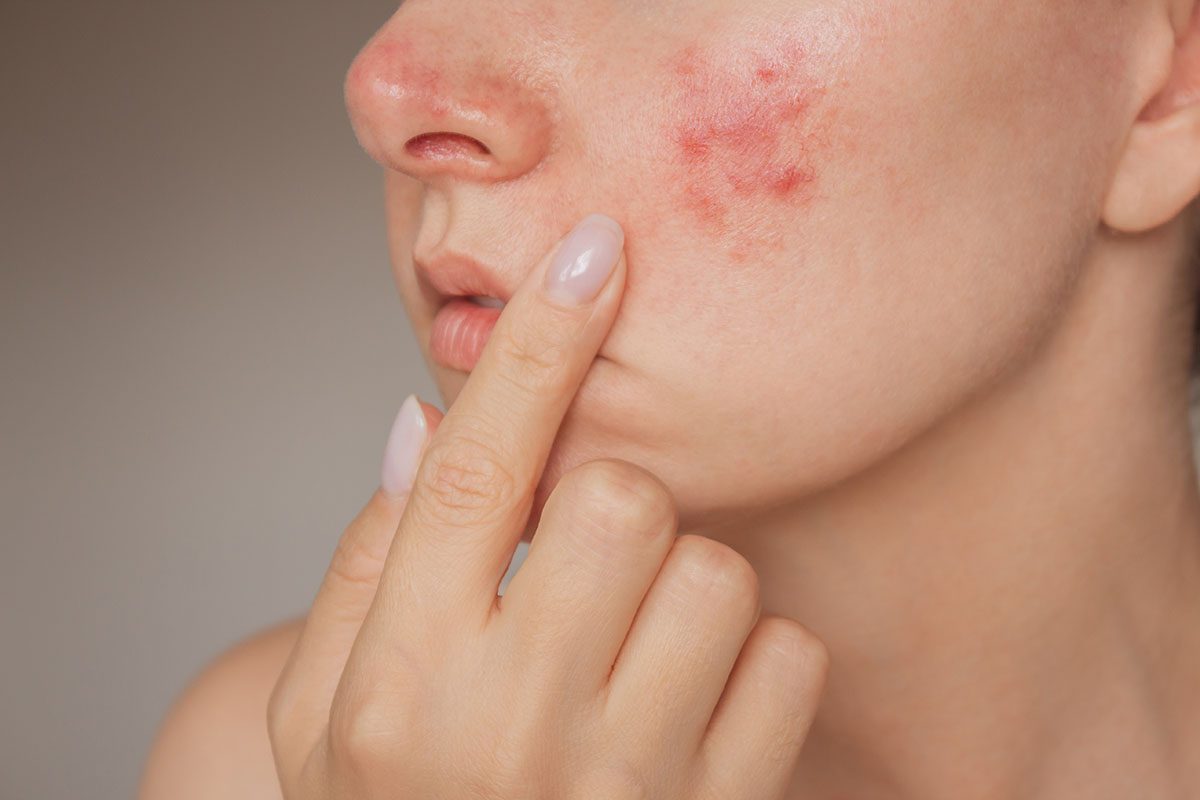
Rosacea or just sensitive skin?
Many people self-diagnose as having “sensitive skin” for years before realising it is actually rosacea.
Sensitive skin tends to:
- React briefly, then settle
- Sting with certain products
- Improve when irritants are removed
Rosacea tends to:
- Cause persistent central facial redness
- Involve visible thread veins
- Trigger flushing that lasts longer than 10–15 minutes
- Include bumps or eye irritation
If redness is constant rather than occasional, it’s worth seeking a professional opinion.
How to prevent a rosacea flare-up
Prevention revolves around reducing triggers, strengthening the skin barrier and maintaining internal balance.
1. Identify your personal triggers
Common rosacea triggers include:
- Sun exposure
- Heat and hot environments
- Spicy foods
- Alcohol (particularly red wine)
- Hot drinks
- Emotional stress
- Vigorous exercise
- Harsh skincare products
Keeping a trigger diary can be illuminating. Track what you eat, environmental conditions, stress levels and skincare use on days when redness intensifies. Patterns often emerge within weeks.
Sun exposure is one of the most consistent triggers. Even brief unprotected exposure can dilate superficial blood vessels.
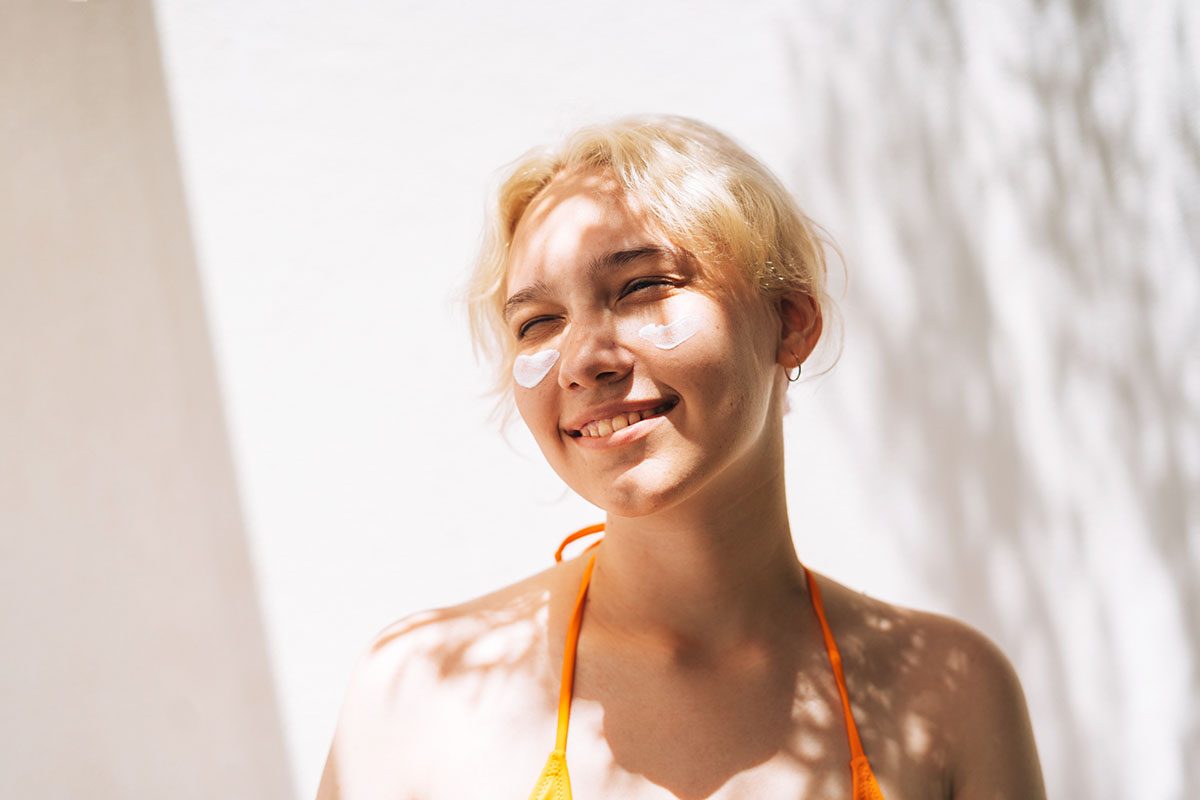
Apply a broad-spectrum mineral sunscreen daily, ideally containing zinc oxide or titanium dioxide. Mineral filters are typically better tolerated by reactive skin.
2. Protect and repair the skin barrier
Rosacea-prone skin often has a compromised barrier, meaning it loses moisture more easily and allows irritants to penetrate more deeply.
Focus on:
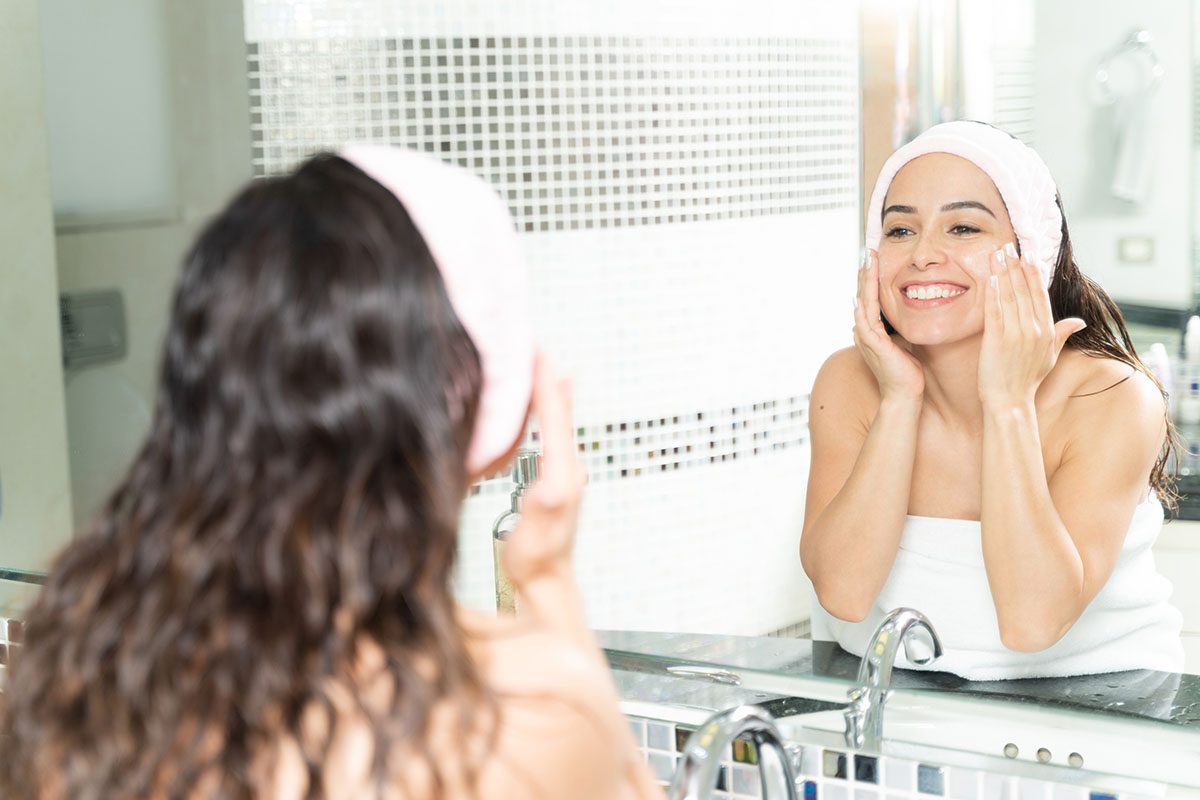
- Gentle, fragrance-free cleansers
- Barrier-supporting moisturisers with ceramides and fatty acids
- Lukewarm water when washing
- Avoiding scrubs and aggressive exfoliation
If your skin feels tight, stings after cleansing or becomes shiny and irritated, your barrier may be weakened.
Simplicity and consistency usually outperform complex, multi-step routines.
3. Be strategic with active ingredients
Certain ingredients can help rosacea, but they must be introduced carefully.
Beneficial options may include:
- Low-strength azelaic acid
- Niacinamide (in moderate concentrations)
- Colloidal oatmeal
- Green tea extract
- Panthenol
However, strong retinoids, glycolic acid, high-percentage vitamin C and alcohol-heavy toners can aggravate sensitive skin if not tolerated.
Introduce one new product at a time and patch test before full application.
4. Manage internal heat and circulation
Because rosacea involves vascular reactivity, anything that increases internal heat can trigger flushing.
To minimise risk:
- Choose moderate-intensity exercise
- Take breaks during workouts
- Sip cool water
- Avoid very hot showers
- Keep indoor environments comfortably cool
Even rapid emotional shifts can cause flushing, making stress management an important preventive tool.

5. Support stress regulation
Stress activates inflammatory pathways and increases blood vessel dilation.
Helpful strategies include:
- Mindfulness meditation
- Breathwork exercises
- Gentle yoga
- Consistent sleep routines
- Cognitive behavioural techniques
Small daily stress-reduction habits can significantly reduce flare frequency over time.
6. Consider professional treatment early
If redness becomes persistent or bumps develop, professional guidance can prevent progression.
Dermatologists may prescribe:
- Topical metronidazole
- Azelaic acid
- Ivermectin
- Brimonidine gel (to temporarily constrict blood vessels)
- Oral antibiotics for inflammatory flares
Laser and light-based therapies, such as pulsed dye laser (PDL) or intense pulsed light (IPL), can reduce visible blood vessels and persistent redness. These treatments do not cure rosacea but can significantly improve its appearance when performed appropriately.
Early warning signs of a flare
Acting early can shorten and soften a flare. Subtle warning signs often include:
- Tingling
- Burning
- Sudden warmth
- Heightened product sensitivity
- Tightness without dryness
Recognising these signals allows you to simplify your routine immediately before inflammation escalates.
How to calm a rosacea flare-up
Even with meticulous prevention, flare-ups can still occur. The goal during a flare is to reduce inflammation quickly while protecting the barrier.
1. Strip back your routine
Return to the basics:
- Gentle cleanser
- Barrier-repair moisturiser
- Mineral sunscreen (daytime)
Pause exfoliants, retinoids and strong actives until skin stabilises. Less stimulation equals less inflammation.
2. Cool gently
Cooling reduces vasodilation.
Use:
- Cool compresses (never ice directly on skin)
- Thermal spring water sprays
- A fan in warm environments
Extreme cold can cause rebound redness, so aim for soothing rather than shocking.
3. Apply anti-inflammatory ingredients
Colloidal oatmeal, aloe (fragrance-free), panthenol and ceramide-rich creams can help calm irritation. If you have prescription treatments, use them exactly as directed.
If stinging occurs, remove the product gently and revert to basic moisturising.
4. Ingredients to avoid during a flare
When skin is actively inflamed, even normally tolerated ingredients can sting.
Pause:
- Retinoids
- Glycolic acid
- Lactic acid (high strength)
- Benzoyl peroxide
- Strong vitamin C (L-ascorbic acid above 10%)
- Fragrance (including essential oils)
- Menthol and eucalyptus
Reintroduce slowly once the flare has fully settled.
5. Adjust diet and activity temporarily
During a flare:
- Avoid alcohol
- Skip spicy foods
- Reduce intense workouts
- Stay hydrated
- Maintain a calm, temperature-stable environment
Giving your body a lower-inflammatory baseline can shorten flare duration.
6. Be gentle with makeup
If wearing makeup, choose mineral-based formulations and apply lightly with clean fingers or soft tools. Remove gently at night using a mild cleanser.
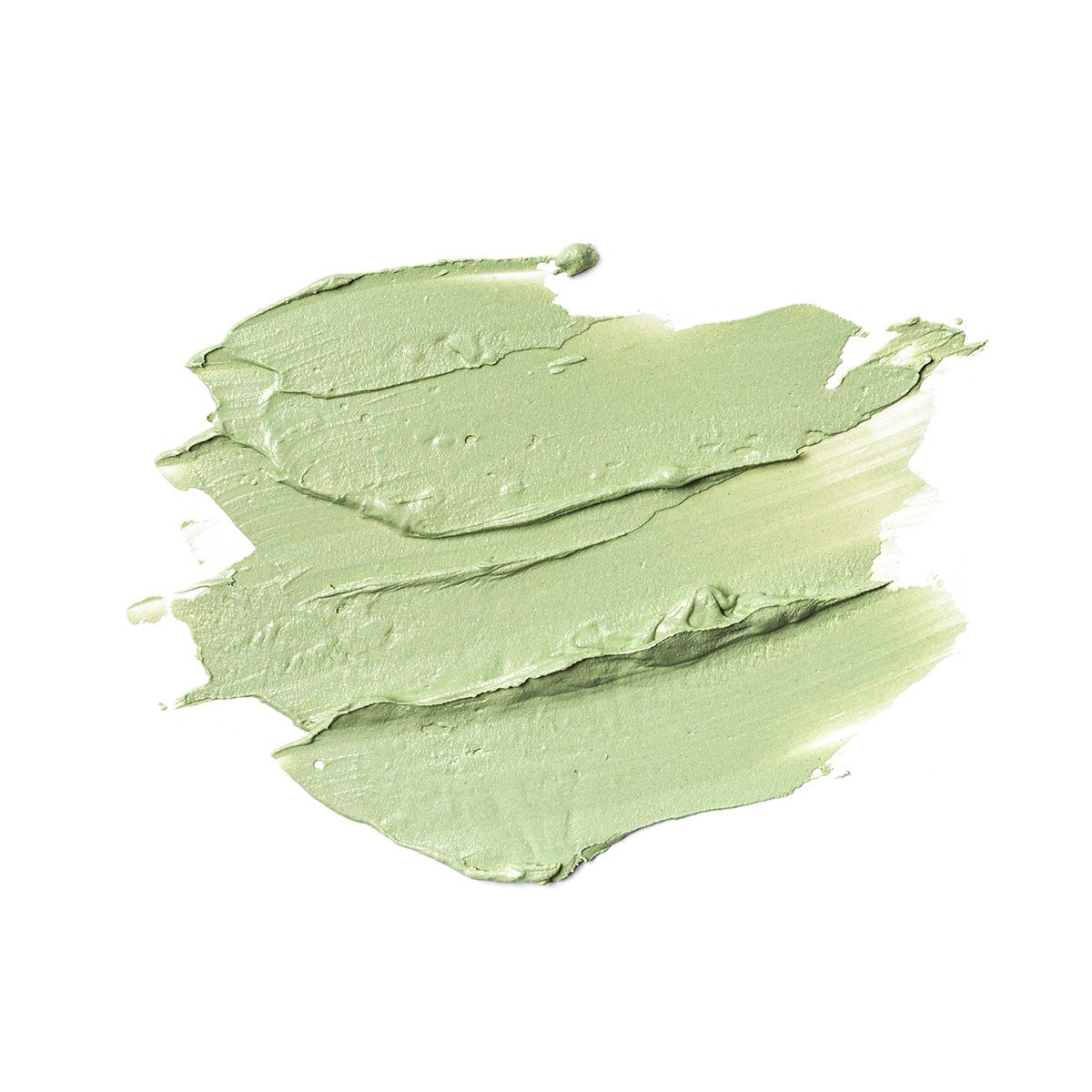
Green-tinted primers can help neutralise redness without requiring heavy coverage.
The makeup artist’s trick for redness
When working with rosacea-prone skin, professional makeup artists focus on neutralising first, covering second. The aim isn’t heavy camouflage, it’s breathable layering. When redness is neutralised first, less makeup is required and rosacea-prone skin stays calmer for longer.
Step 1: Lightweight moisturiser
Start with a thin layer of fragrance-free moisturiser to smooth texture and reduce friction during application. Let it absorb fully as heavy creams under makeup can trap heat and trigger flushing.
Step 2: Sheer green corrector
Apply a small amount of green colour corrector only where redness is strongest (usually the cheeks and around the nose). Green counteracts red, meaning you’ll need far less foundation afterwards. Keep it sheer. You should still see skin through it.
Step 3: Targeted mineral foundation
Use a light mineral foundation only where needed, blending outward for a natural finish. Avoid dense, full-face coverage, which can emphasise texture and feel uncomfortable as skin warms throughout the day.
Read more:
