
Your home could be making you sick. 10 shocking signs of mould exposure
A mould infestation can be deadly, slowly infiltrating our lungs and respiratory systems. But it’s not just our airways that are affected – mould can wreak havoc throughout the body, triggering a wide range of health issues.
‘Many people think mould simply causes allergies or musty smells,’ says longevity expert Dr Tamsin Lewis. ‘But the risks can be far more complex – I became unwell from mould exposure in 2019, and what surprised me most was how profoundly it affected systems far beyond my sinuses.’
Many homes are prone to damp and mould growth. In fact, an estimated 47% of US buildings experience mould exposure.
Often invisible, hidden beneath wallpaper and floorboards, mould can be difficult to detect – that’s why it’s important to recognise the more obscure symptoms early. From hair loss to shaky balance, experts warn these signs could indicate the presence of this silent home invader.
- Why are young people dying from this preventable killer condition? Find out how to reduce your risk
- The danger signs on your tongue you should never ignore

The unexpected health impacts of mould
Certain types of mould – a form of fungus which grows in damp places – are more dangerous than others.
According to Dr Frank Kelly, one of the world's leading air pollution experts and head of the Environmental Research Group at Imperial College London, ‘Moulds are generally grouped into three categories based on their health impact: Allergenic Moulds, Pathogenic Moulds and Toxigenic Moulds. Of these, the Toxigenic Moulds are the most serious from a health viewpoint.’
Toxigenic moulds like the greenish-black Stachybotrys chartarum are the main culprits behind serious health symptoms. The NHS spends an estimated £1.4bn every year treating illnesses associated with living in cold or damp housing. Despite this, many cases of mould toxicity are left undiagnosed due to the obscure and wide-ranging nature of symptoms.
‘What makes mould particularly difficult is that symptoms often appear unrelated,’ explains Lewis. ‘So, patients get bounced from specialist to specialist without a unifying explanation. Symptoms vary widely and may be episodic or environment dependent.’
Discover ten shocking symptoms of mould exposure:
1. Mental health issues
Black mould toxicity can have debilitating psychiatric implications, contributing to depression, anxiety, mood swings and irritability.
One study found that residents living in “visibly damp, mouldy households” were up to 44% more likely to be at risk of having depression just from moderate or mild exposure to mould.
2. Deep fatigue
According to Lewis, mould can damage the mitochondria – the cells which boost energy. ‘This impairment causes deep fatigue unrelieved by rest,’ she explains, where overwhelming exhaustion is the result of your body struggling to generate enough energy.
‘The systemic impact of mould can also manifest in sleep disruption and feeling “inflamed” or “toxic” without explanation.’

3. Brain fog
‘Mould can cause neuroinflammation, which results in brain fog, memory problems, and headaches,’ explains Lewis. ‘The cognitive impact also shows up through memory lapses, poor concentration, as well as sensitivity to light and sound.’
Research suggests that mould and mycotoxin exposure could even contribute to a subtype of Alzheimer’s disease.
4. Coordination issues
Exposure to mould can lead to neuromuscular coordination issues because the toxins affect parts of the brain responsible for movement. Lewis identifies key symptoms as: ‘Clumsiness, imbalance, motor slowing, and loss of fine motor control.’
Mycotoxins can also cause brain or nervous system damage that manifests in shaking, tremors, and difficulty in walking.
5. Weakened immunity
Lewis sites Dr Becky Campbell, author of The Complete Mold Detox, as a leading medical practitioner in identifying and understanding how mould hinders immune systems.
Her work shows how mould triggers cell danger response (CDR) – a biological alarm system which aims to protect your body from toxins. According to Campbell, this “survival lockdown” blocks cellular processes like detoxification and immune regulation.

6. Sleep problems
Suffering from sleep problems? Lewis says this could be due to a mouldy home. Traces of the toxic fungus in your bedroom can seriously affect sleep quality, as mould spores irritate your respiratory system. Lewis adds that mould triggers hormonal imbalance, leading to cortisol dysfunction and restless nights.
7. Hair loss
The sneaky culprit to your hair loss could be hiding in your walls. Cortisol isn’t the only hormone that is affected by mould. Estrogen, progesterone and testosterone are also thrown off balance, and are all vital hormones for healthy hair growth.
Nutrient deficiencies and chronic inflammation caused by exposure can also lead to hair thinning and shedding.

8. Digestive issues
Mould can be detrimental to gut health, attacking the gut barrier, weakening its defences and hindering its ability to absorb nutrients. Lewis says that this can cause a range of gastrointestinal symptoms including: nausea, vomiting, bloating, diarrhoea, and abdominal discomfort.
Chronic exposure can also contribute to gut dysbiosis – an imbalance in the gut microbiome. Over time, this balance may manifest as:
- Irritable Bowel Syndrome (IBS)
- Leaky gut syndrome
- Recurrent gut infections
- Fungal overgrowth in the gut
- New or worsening food intolerances
- Digestive sensitivity and inflammation
9. Eye irritation
Kelly notes that mould exposure can provoke eye irritation through inflammatory responses to mould spores in the environment. Symptoms may include:
- Burning, stinging or watery eyes
- Redness or itchiness
- Dermatitis – affecting the skin around the eyes
10. Skin rashes
Mould can activate mast cells, leading to histamine overload and chronic inflammation. This heightened immune response can cause or exacerbate various skin issues like rashes, hives, itching and flare ups of existing skin conditions. People with histamine intolerance and eczema may be particularly susceptible.
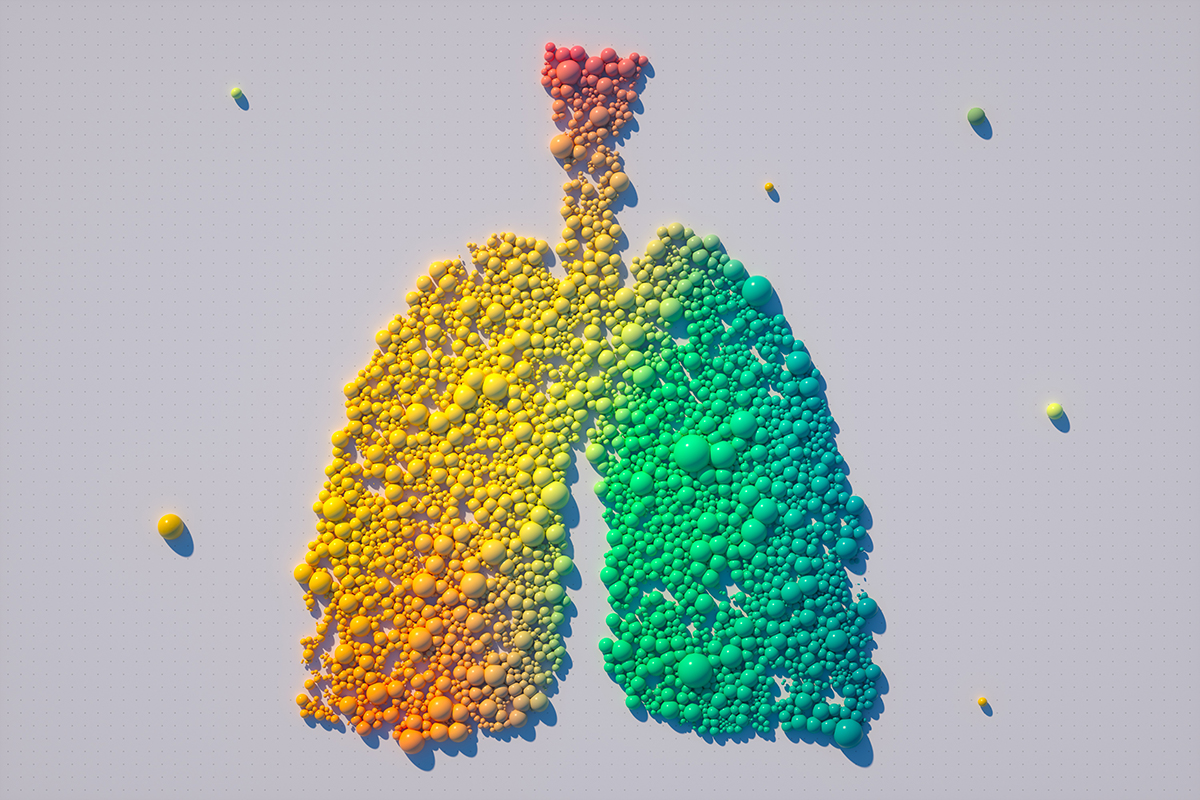
Mould can grow on your lungs
Dr Andrew Whittamore, clinical lead at the charity Asthma + Lung UK and a practising GP, warns that mould can be extremely harmful to lung health. ‘It can cause or worsen serious conditions like asthma and chronic obstructive pulmonary disease (COPD),’ he explains. ‘And trigger symptoms such as coughing, wheezing and breathlessness.’
Mould can also lead to lesser-known but serious lung diseases, including invasive aspergillosis. ‘This rare, but serious infection causes mould to grow in a person’s lung tissue, which can then spread throughout the body,’ Whittamore notes that the condition particularly affects people with weakened immune systems.
Early intervention is key to preventing serious health complications, so Dr Whittamore advises staying alert to the warning signs of mould: ‘A musty or damp smell is often the first clue, followed by fuzzy black, white or green patches on walls, ceilings or tiles.’
‘Anyone with an existing lung condition who is worried about mould should speak to their GP or a respiratory nurse. Carrying a reliever inhaler and taking preventer medication as prescribed is also important over winter. For more support and expert advice, people can call Asthma + Lung UK’s helpline on 0300 222 5800.’

Who is more at risk?
While mould exposure can affect anyone, some people are far more vulnerable to its health effects. Kelly explains that mould can significantly worsen asthma symptoms, and in some cases even trigger new-onset asthma in children. People with weakened immune systems or chronic illnesses are also at a higher risk of developing infections.
Lewis notes that her own mould-related illness occurred during a period of intense physical stress, which made her especially vulnerable. She stated that the following groups are also particularly susceptible:
- People with HLA-DR genetic susceptibility, who struggle to clear mould toxins from the body
- Individuals with mast cell activation, histamine intolerance, or chronic inflammation
- Those with compromised immunity, including those undergoing medical treatment
- Individuals recovering from a viral illness, whose immune systems are already under strain
- People suffering from chronic or physical stress
- Children and older adults, whose immune systems are naturally weaker
- Individuals spending long hours in a water-damaged home or office
Dr Whittamore also highlights social risk factors: ‘Renters and people living in poorly insulated homes are particularly vulnerable to mould, with research revealing that more than one in four people live in homes that could harm their health. If you rent your home and have problems with mould, you can access free advice and support from both Citizens Advice and Shelter.’

Dr Tamsin Lewis’s guide to dealing with mould exposure:
1. Listen to your symptoms and trust patterns
Lewis stresses that symptoms often appear before test results do. ‘In 2019, my symptoms were repeatedly dismissed because my lab tests looked “normal.” Your body often tells the truth before your lab work does.’ Pay attention to recurring issues, especially those that worsen at home or work.
2. Test the environment
Accurate home testing can be crucial in getting answers quickly. Lewis recommends:
- ERMI / HERTSMI-2 dust sampling
- Moisture mapping and a thorough visual inspection
- Avoid relying solely on air tests – they often miss hidden contamination
3. Test the body for mycotoxins — properly
Her preferred clinical tools include:
- Vibrant Labs urinary mycotoxin panel
- RealTime Labs, considered a gold standard for many clinicians
4. Identify and remove the source quickly
Following the principles emphasised by Dr Becky Campbell and other environmental health experts, Lewis notes: ‘You cannot heal while still exposed.’ Removing yourself from the mould infestation – or eliminating it – is step one.
5. Support detoxification & immune recalibration
Depending on individual needs, this may include:
- Binding agents (depending on the protocol)
- Glutathione support
- Nervous system regulation
- Mast cell/histamine calming strategies
- Mitochondrial support
6. Seek practitioners experienced in mould illness
Lewis found value in combining the following insights:
- Dr Ritchie Shoemaker’s CIRS framework
- Dr Becky Campbell’s insights into histamine intolerance and immune dysregulation
- Functional testing and environmental testing
7. Avoid DIY remediation
Improper handling of a mould infestation can worsen contamination and increase exposure. Always work with qualified professionals to ensure successful remediation.

The hidden mould hotspots
‘The most harmful mould is often invisible,’ explains Lewis, who says you should never ignore a musty or earthy smell – this usually means there’s mould, even if you can’t see it. She says common concealed sources include:
- Behind cupboards, plasterboard or wallpaper
- Under carpets or floorboards
- Inside bathrooms and kitchens after even minor leaks
- Sinks and shower taps
- HVAC systems, air-conditioning units, dehumidifiers
- Behind washing machines and dishwashers
- Window frames with condensation
- Office ventilation systems
Soft furnishings are another overlooked culprit. Michelle Byrne, Product Marketing Manager at Kleen-Tex notes that ‘People tend to associate mould with obvious damp patches on walls or windows. But some of the most common mould hotspots are actually hidden in your rugs and mats – especially those right by the front door.’ These trap moisture, dirt and bacteria, becoming ideal environments for mould to grow if not cleaned regularly.
An experiment by Factory Direct Flooring found mould on half of the household floors swabbed, and on all carpets – despite none being visible to the naked eye.
‘Traditionally, the floor has been rather overlooked as a source of infection,’ says Factory Direct Flooring’s consulted health expert, Dr Deborah Lee from Doctorfox.co.uk. ‘But in fact, it is a holding ground for numerous infecting organisms. There are crevices and cracks between floorboards or tiles which are nooks and crannies where bacteria and other organisms can grow. Carpet fibres offer a great opportunity to harbour dirt and pathogens.’
How to prevent mould infestation in the home
Preventing mould starts with good ventilation, says cleaning expert Henry Paterson. ‘Keep windows open whenever possible and ensure extractor fans in kitchens and bathrooms are working effectively. If your home is prone to humidity, invest in a dehumidifier to maintain 30-60% relative humidity, depending on the time of year.’
Paterson also advises leaving space between furniture and walls to allow air circulation. ‘Avoid drying clothes indoors if you can,’ he adds. ‘If you must dry indoors, make sure the room is well-ventilated.’
Keeping a tidy, de-cluttered home also reduces the risk of mould by eliminating damp, stagnant areas where spores can thrive. ‘Regular cleaning (including inside cupboards, drawers and wardrobes) will also help to prevent any mould building up,’ explains Paterson. ‘Just remember to leave them to dry fully before refilling and closing.’
Carpets need particular attention, warns Graeme Shelley, Managing Director at Factory Direct Flooring, noting that mould issues often arise when fibres accumulate dirt and begin to stick together. ‘This will make the carpet look tired and worn out,’ he explains.
‘If you have one, I recommend lightly cleaning your carpet regularly with a wet/dry vacuum to help keep the fibres extra clean.’
If you don’t have one, a regular vacuum still helps. ‘Swab results show that regular vacuuming reduced mould bacteria on carpets by 66% on average,’ assures Shelley.
Read more:
