These simple habits can help protect you from dementia
Many of us have anxieties about aging, especially when it comes to our cognitive skills declining. Heartbreakingly, dementia is all too common. According to the Alzheimer's Society, 982,000 people are believed to be living with dementia in the UK currently, and this number is thought to increase to 1.4 million in the next 15 years.
While it might feel like your chances of getting dementia is out of your hands, there are steps you can take that may help protect you from developing the condition. Research suggests that maintaining a healthy lifestyle lowers your risk of getting dementia later in life, and as the risk of dementia increases with age, it’s important you act sooner rather than later.
Below, we break down what you need to know about this debilitating condition and share eight simple ways you can support healthy brain function, according to the experts. Incorporate them into your routine and make a smart move for your health today.
- Slept 8 hours but still tired? Expert explains the worrying reason why
- The quiet but deadly cancer symptoms doctors warn are often missed

What is dementia?
There is a common misconception that dementia is one single disease. It is actually an umbrella term used to encompass a range of symptoms that result from a decline in brain functioning.
Dementia is not part of the normal ageing process – it is a progressive condition that sees symptoms get worse over time, and does not currently have a cure, making it an extremely harrowing syndrome to watch a loved one battle with or experience personally. As it refers to a collection of related symptoms, dementia can manifest in many different ways, but common symptoms include:
- Memory loss
- Trouble concentrating, planning and problem-solving
- Being confused with time and place
- Difficulty with language and speech
- Changes in mood and/or personality
- Difficulty performing tasks
There are many causes of dementia, but most are due to Alzheimer's disease – it making up to 60-80% of cases according to Alzheimer's Association.
Alzheimer's is caused by nerve cells in the brain dying, making the brain shrink. The condition typically damages the hippocampus first, which is the part of the brain responsible for making new memories. Because of this, an early symptom is often difficulty remembering recent events and conversations.
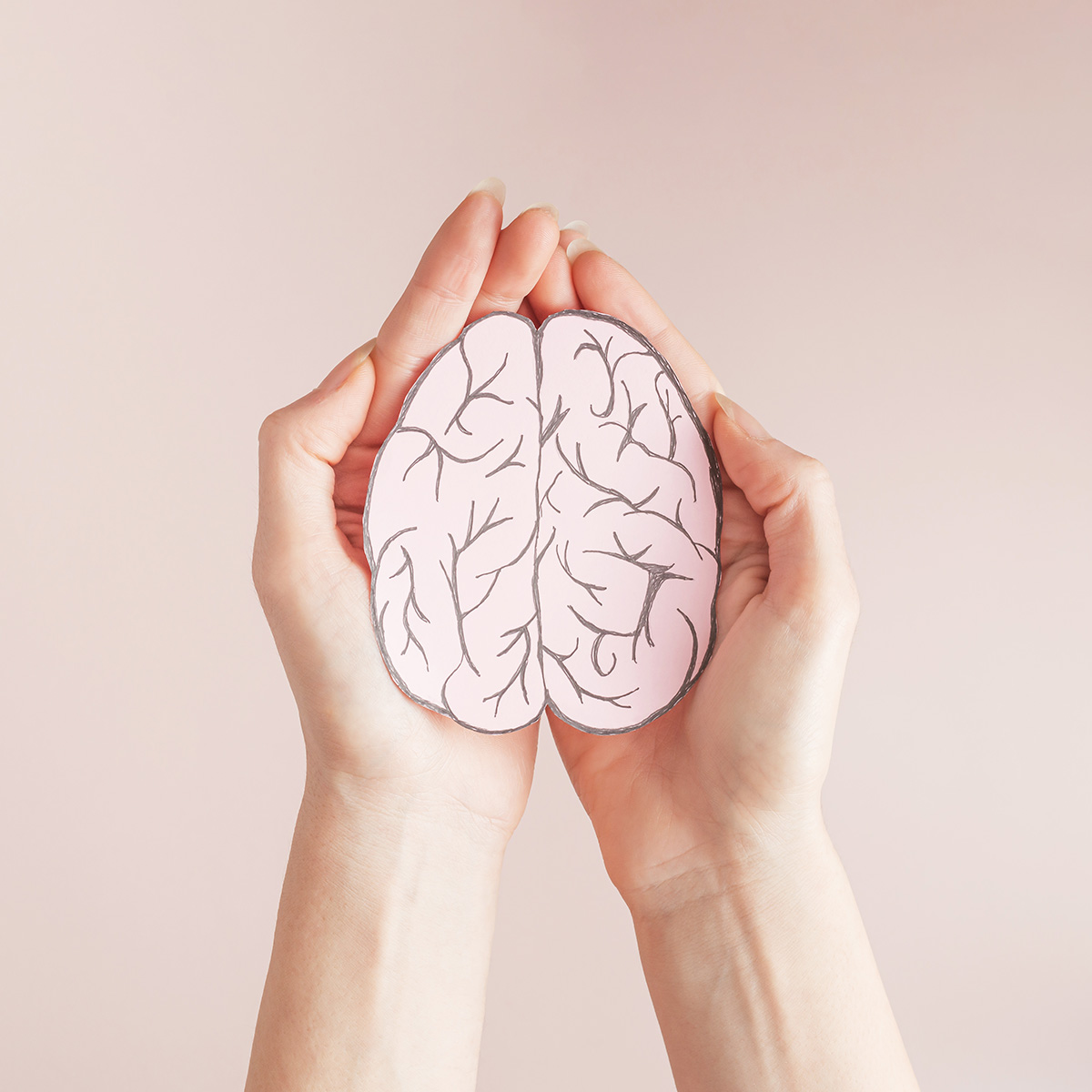
Who is at risk of dementia?
Many factors can increase your risk of dementia, but unfortunately, some of these can’t be controlled. For example, women appear to be disproportionately affected – an examination of dementia cases carried out in 2022 by Alzheimer’s Research UK revealing that 65% of dementia-sufferers are female.
Being exposed to air pollution over a long period of time is also believed to increase an individual’s risk of dementia, as it may cause inflammation and ultimately damage to the brain.
Genes might also play some role in making an individual more likely to develop dementia, but it’s usually a combination of different factors, and the risk is minimal.
Age is the greatest risk factor when it comes to dementia, however, with the vast majority of cases exhibiting symptoms in people who are 65 years or older, and the chance of developing the condition doubling every five years after this age, according to the NHS.
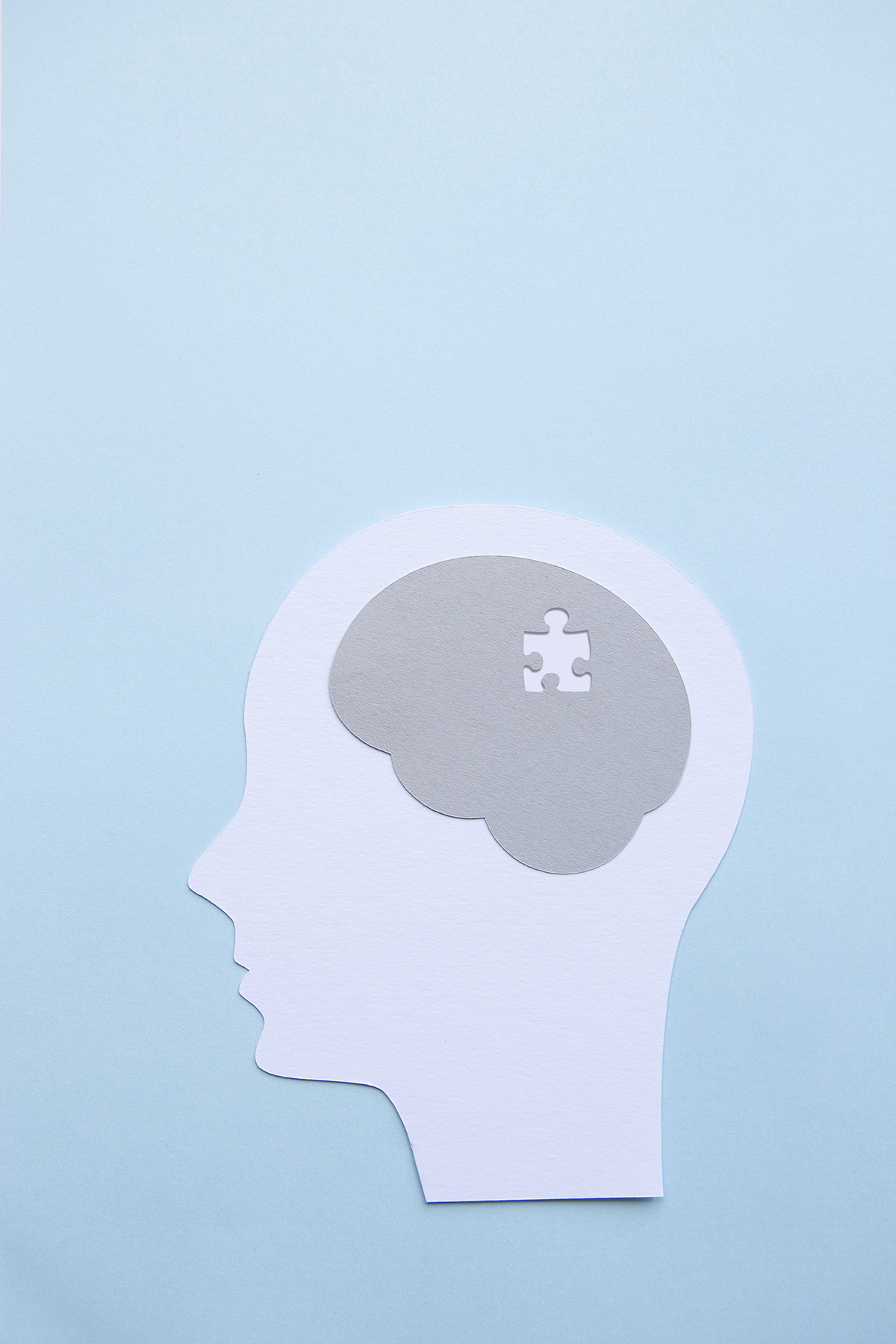
While ageing is inevitable, and dementia sadly can’t always be prevented, it’s reassuring to know that things you do earlier in life can help lower the likelihood of developing the condition when you’re older.
If you’re already in the later stages of life, it’s also not too late to adopt positive habits that discourage the onset of dementia.
Here are eight easy habits medical professionals and experts recommend that can help you protect yourself from dementia…
Daily habits to prevent dementia
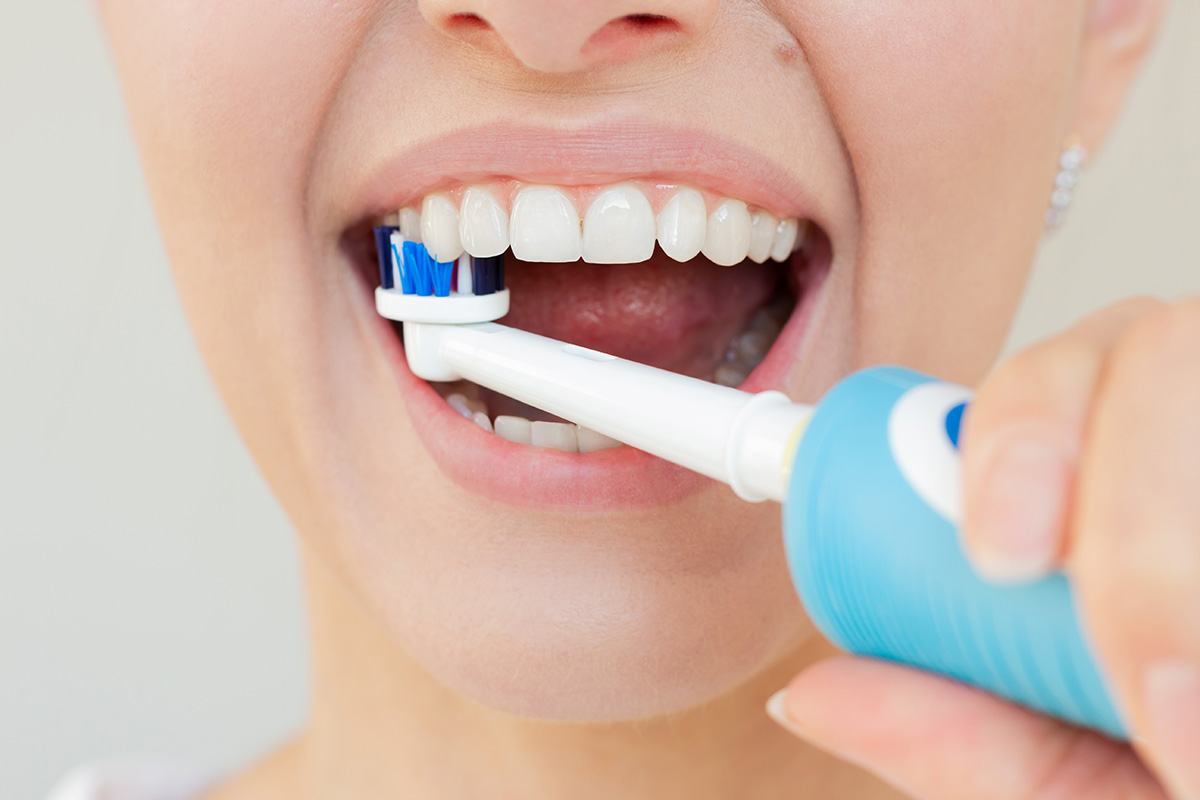
1. Look after your oral health
We’ve all been told about the importance of brushing our teeth twice a day to prevent cavities and gum disease, but did you know it might also help lower your risk of dementia?
Miranda Pascucci, Dental Therapist and Head of Clinical Education at TePe, highlights the connection between poor oral health and dementia: ‘Our mouths can tell us so much about what is going on in our bodies and there have even been studies that link dementia to bacteria that causes gum diseases in our mouths. Keeping your mouth clean and healthy helps lower that risk.’
Miranda points out that just brushing alone only cleans 60% of our teeth – and that we’re missing all the space between our teeth. Because of this, she recommends adopting a 3-minute routine, which includes an additional minute of cleaning between your teeth using either floss or an interdental brush after brushing for two minutes.

2. Protect your hearing
Another surprising factor that can lead to dementia, is untreated hearing loss.
‘Leaving hearing loss unaddressed has consequences that go beyond the difficulty to follow conversations, but trigger physical changes in your brain's structure. The relentless cognitive effort spent attempting to understand sounds saps mental resources that ought to be safeguarding memory and reasoning abilities. Studies repeatedly confirm that those with unmanaged hearing loss encounter a higher risk of developing dementia’ says Kimberley Bradshaw, Head of Online Medical Content at Hearing Aid UK.
If you think your hearing might be deteriorating, it’s essential that you don’t ignore it. Kayleigh Waters, Audiologist at Boots Hearingcare, advises taking prompt action by booking a hearing test: ‘Hearing tests are quick and painless, and even small changes in your hearing are worth getting checked as soon as possible,’ she says.
Although it might feel like an inconvenience, taking that bit of time now could make all the difference to your health in the long term.
Despite never being able to completely eradicate the risk of dementia, Kimberley Bradshaw recommends that those who are hard of hearing use hearing aids to prevent dementia: ‘Hearing aids offer effective protection by keeping your brain's sound-processing areas engaged and reducing the daily mental fatigue of straining to listen.’
‘Taking steps to manage hearing loss means more than just improving what you hear today; it's a protective measure for maintaining brain function in your later years’ she says.
If you aren’t currently hard of hearing, taking steps to protect your hearing will help lower your risk of dementia due to hearing loss further down the line. Simple ways you can do this include keeping the volume low when listening through headphones, avoiding noisy environments, and wearing earplugs when exposed to loud sounds.

3. Prioritise your sleep routine
We’ve all experienced the difficulty with focus and concentration following a poor night’s sleep, so it should come as no surprise that sleep plays a huge role when it comes to healthy brain function.
Joshua Piper, Sleep Clinician at Resmed UK, says that during sleep, the brain removes waste products including certain proteins that, if able to build up, have been linked to Alzheimer’s disease.
While he recognises that the science is still in its infancy, he claims that the evidence continues to show a correlation between poor sleep and declining brain health over time. On the other hand, good sleep is consistently associated with better memory, focus, and cognitive health as individuals get older.
Joshua also highlights the detrimental impact of sleep disorders for brain health: ‘Long-term insomnia and sleep apnoea can fragment sleep and, in the case of sleep apnoea, reduce oxygen levels overnight. Both factors place additional strain on the brain. Sleep apnoea in particular often goes undiagnosed and has been linked with a higher risk of cognitive decline.’
So, if you’re struggling with chronic sleep issues, it’s important you make an appointment with your GP, who can recommend the right treatment and help prevent any long-term complications.
Five tips for better sleep
With sleep being so important to cognitive health and lessening your risk of dementia, it’s essential we’re getting 6-8 hours every night. Dr Nerina Ramlakhan, neurophysiologist and sleep expert at Oak Tree Mobility, shares her five non-negotiables for achieving good quality sleep:
- Don’t skip breakfast: Dr Nerina Ramlakhan recommends eating within the first 30 minutes after waking up to ensure stable blood sugar and support your body’s daily rhythm, helping it to release the sleep hormone melatonin later.
- Avoid caffeine: Dr Nerina Ramlakhan advises steering clear of any drinks that contain caffeine, such as coffee, tea, fizzy drinks and green tea, after 4pm.
- Stay hydrated: Dr Nerina Ramlakhan emphasizes the importance of drinking water and suggests setting reminders throughout the day to make sure you’re drinking enough.
- Go to bed early: Dr Nerina Ramlakhan recommends going to bed between 9.30pm and 10pm at least three nights a week (even if you can’t fall asleep immediately, resting is still beneficial!).
- Set boundaries with screen use: Dr Nerina Ramlakhan discourages having electronic devices in the bedroom, as they emit blue light and prevent sleep.

4. Do 20-30 minutes of aerobic activity a day
Exercise isn’t just vital for your physical health – it’s important for your brain too. Exercising increases blood flow, which sends more oxygen and glucose to the brain via the bloodstream, enabling it to function effectively and potentially lowering the chance of decline.
Exercising can also help prevent other health problems that increase your likelihood of developing dementia. As Dr Angela Rai, GP at The London General Practice explains, ‘A lack of exercise is linked to conditions such as high blood pressure, obesity and diabetes, these are themselves risk factors for dementia.’
Dr Angela Rai recommends 20-30 minutes of aerobic activity per day to support your brain health. This can be any form of exercise that increases your heartbeat, such as fast walking, jogging, cycling, swimming, or dancing. She also promotes strength and coordination exercises like yoga for good cognitive function.

5. Eat a Mediterranean diet
There has been a lot of discussion about the brain-gut axis in recent times, with research highlighting a connection between the gut and brain and revealing that the gut may influence mood, stress levels, memory and cognitive function in general. So, eating a balanced diet that’s packed with important nutrients may help support your brain health.
‘High-sugar and refined-carb diets can contribute to insulin resistance, which has been linked to multiple chronic conditions known to impact cognitive function and increase dementia risk,’ says Kim Plaza, Senior Nutrition & Education Advisor at Bio-Kult. She recommends adopting a Mediterranean diet to prevent significant spikes in blood sugar levels and improve insulin sensitivity.
As part of the Mediterranean diet, Kim says to eat plenty of colourful fruits and vegetables, green tea, nuts, beans and spices, as they contain the naturally-occurring compounds polyphenols, which are a powerful antioxidant.
As polyphenols reduce inflammation and oxidative stress, which is a cause accelerated brain ageing, consuming these foods is a simple way to help protect your brain health.

6. Engage in cognitive activities
Studies have suggested that those who regularly engage in cognitive activities have a lower dementia risk.
Dr Deborah Lee at Dr Fox Online Pharmacy explains, ‘Researchers believe that having a high cognitive input increases the brain’s cognitive reserve – that is the brain’s resilience for dealing with damage or disease. Having a high degree of cognitive reserve is linked to better neuroplasticity – the ability of the brain to create new neural connections.’
A decline in the brain’s ability to make new neural connections is strongly connected with dementia, so engaging in cognitive activities that stimulate the brain and encourage neuroplasticity is an easy way to try and prevent the condition.
Games, puzzles, or cards are excellent activities for memory and problem-solving skills, and engaging regularly in these activities can help build cognitive reserve. Additionally, some research suggests that these activities may reduce the risk of brain shrinkage.

7. Spend time with others
Spending time with others not only helps you feel connected, preventing isolation and loneliness, but it is also vital for preventing cognitive decline. Social connection helps keep the brain engaged, and supports memory, attention, and language use.
Additionally, social interaction increases cognitive reserve, and can reduce stress and prevent depression, which also put individuals at a greater risk of dementia.
So, take this as your sign to reach out to your loved ones and make the conscious effort to spend more time with them.
If you want to increase your social interaction, try striking up conversations with your neighbours or people you come into contact with in public spaces. You could also try a new class (for example, a dance class, which has the additional benefits of exercise and the task of memorising steps), or join a club or group, which will introduce you to people with shared interests.

8. Limit your alcohol
Although many of us enjoy a tipple now and again, too much alcohol can have a negative impact on the brain – ‘Undoubtedly chronic excess alcohol intake causes brain damage, and increases the risk of some types of dementia’ says Dr Deborah Lee.
One 2018 study revealed that participants who consumed more than 14 units of alcohol a week had a higher risk of developing dementia, revealing the negative impacts of binge drinking on brain health. Surprisingly, however, the risk of dementia was also higher for people who abstained entirely from drinking in their midlife – so it’s possible drinking some alcohol (between 1-14 units a week) may help reduce the risk of dementia.
Dr Deborah Lee continues: ‘Red wine is known to contain high levels of polyphenols, notably resveratrol, which are powerful antioxidants and can lower brain inflammation. Low to moderate red wine intake is also linked to improved cognition scores.’
But before you stock up on booze, it’s important to note that research remains limited – with Dr Deborah Lee acknowledging that there is currently not enough evidence to say that drinking alcohol helps prevent dementia.
Read more: