
Grinding your teeth in your sleep? Here's how to quit the habit tonight
Our teeth are essential parts of our body that need to be cleaned and protected, not just by the food we eat, but also by how our bodies behave.
Without realising, our lifestyle may be undoing the work of our dental routines. By making small tweaks to our brushing routines and daily habits, our teeth can be shining in no time.
Teeth grinding is a habit that can trigger these negative impacts on our health. It’s a popular reflex action that we may perform unconsciously, but we should make an effort to avoid it.
Read on to discover how you can transform your dental hygiene for good.
- Here's how you can improve your smile naturally, according to experts
- Is your hair falling out? You could be lacking one important vitamin
What is teeth grinding?
‘Teeth grinding, known medically as bruxism, is a common condition where people grind or clench their teeth, often without realising it,’ explains Dr Hanna Kinsella, celebrity dentist and founder of Icy Bear Dental.
‘It is more common during sleep. While many people associate bruxism with grinding the teeth, it can also involve tightly clenching the jaw muscles for long periods overnight.

‘As bruxism usually happens during sleep, many people do not realise they are doing it. Some of the most common signs include jaw pain or stiffness, particularly first thing in the morning, regular headaches, unexplained chips or wear to the teeth, changes in tooth shape, tooth sensitivity, and clicking noises in the jaw.’
About one in four people are guilty of grinding their teeth when they’re awake, with one in six people grinding their teeth while sleeping.
Although it's often easier to identify teeth grinding in the day due to the noise it makes, there can be telltale signs that you do it in your sleep without realising. If you wake up with bite marks on your inner cheeks or with a sore tongue, you may need to consider how you can crack down on the bad habit.
When you don’t tackle the cause and impacts of bruxism, this can lead to:
- Headaches and facial pain
- Tooth sensitivity and pain
- Cracking of teeth, implants and bridgework

The solution you need
‘To help manage bruxism, it is important to identify and address any underlying triggers,’ shares Dr Hanna. ‘Stress is one of the most common causes, so finding ways to reduce stress levels and improve sleep quality can make a real difference.’
It’s estimated that 70% of people who clench their jaws and grind their teeth while sleeping do so because of anxiety or stress. This can be particularly damaging as, compared to bruxism in the daytime, the force exerted on our teeth is higher, as we’re not using food to buffer the impact of our teeth colliding.
Sleep should be a dedicated time for your body to relax and recharge its energy levels, not a time for stress and anxiety to manifest. Although you can’t transform your sleep schedule overnight, there are small steps you can take to turn your bed from a place of stress to a centre of serenity.
Dr Hanna adds, ‘Lifestyle factors such as smoking, caffeine, and alcohol consumption can also contribute to teeth grinding, particularly when consumed later in the day. In some cases, certain medications may also be linked to bruxism.’
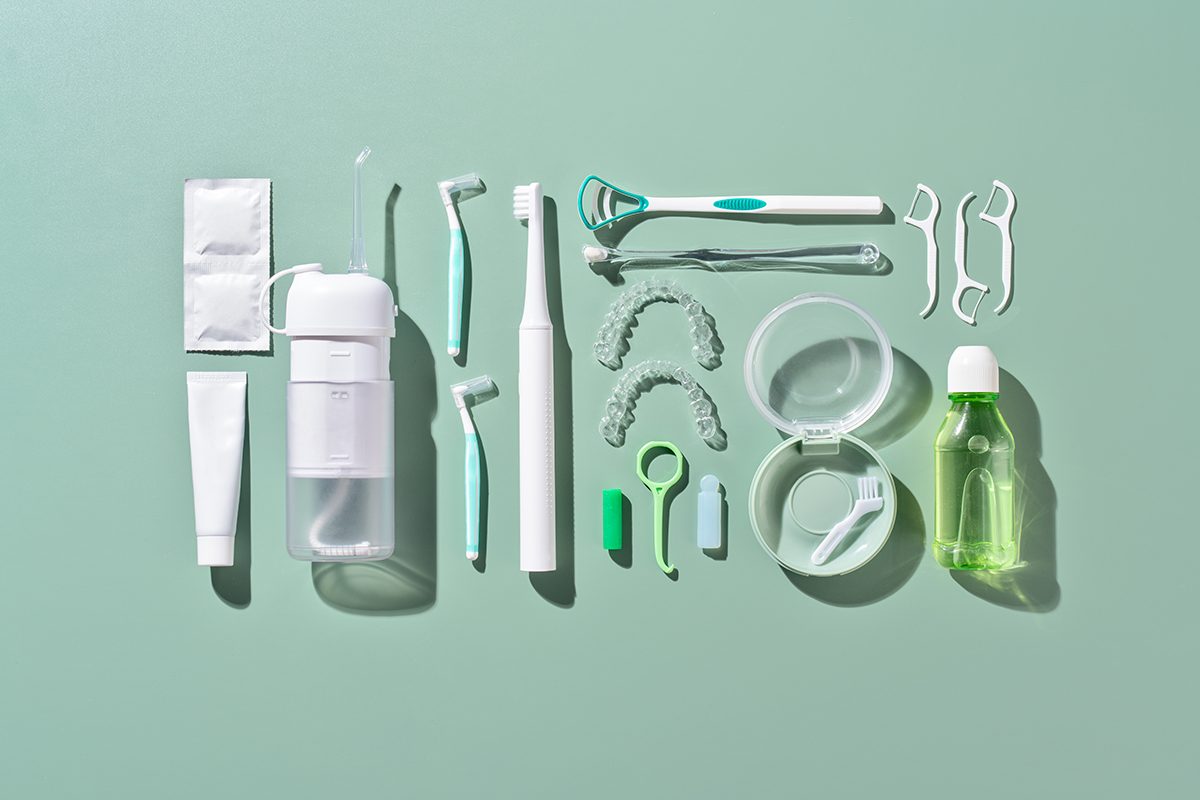
If you are worried about the severity of your teeth grinding, it’s always best to consult a medical or dental professional for their advice. Some medical professionals may recommend that you use a retainer to protect your teeth, which can buffer the impacts of teeth grinding on oral tissue by creating a physical barrier between the teeth.
Making better choices
It’s not just teeth grinding that exposes your enamel to greater risk. Our teeth also battle hidden sugars in our foods and drinks, which can damage the enamel and oral tissue when consumed in high volumes. Two in three UK adults have signs of visible plaque on their teeth, with one in three adults experiencing tooth decay.
Brushing twice a day just isn’t enough. Taking proactive steps to improve your dental hygiene can help protect against serious long-term health concerns like mouth cancer and tooth decay. Investing time in your day to floss, use mouthwash and scrape your tongue can truly make all the difference.
Dr Hanna shares, ‘To protect your oral health day to day, it is important to keep sugar intake to a minimum and avoid frequent snacking where possible, as this increases the amount of time teeth are exposed to sugar and bacteria throughout the day.’
If you’re looking to cut back on your daily sugar consumption, small tweaks to your diet and lifestyle can make the change feel easy and just as delicious. Why not try swapping:
- White carbohydrates for wholemeal carbohydrates
- Full-fat for low-fat
- Regular sugar for low-sugar or diet alternatives
- Regular for low-calorie alcohol
‘Staying hydrated is also key, as saliva plays an important role in protecting the teeth and neutralising harmful bacteria in the mouth,’ Dr Hanna explains.
Saliva is composed of 99% water, with the final 1% filled with proteins and electrolytes that have two functions in our mouth: protecting oral tissue (for example, through diluting sugar intake, lubricating the mouth and repairing damaged tissue) and enhancing our eating and speaking (for example, preventing a dry mouth, breaking down food via enzymes and enabling us to swallow our food completely).
Keeping some mints or chewing gum in your pocket can encourage the production of saliva in your mouth while freshening your breath at the same time.
‘Alongside a good brushing routine, attending regular dental check-ups and hygienist appointments can help identify and prevent problems early,’ Dr Hanna adds.
In the UK, 39% of adults don’t visit the dentist regularly, with two million people having to travel at least 40 miles to get the dental care they need. While it may be difficult to access, attending routine appointments with your dentist is an essential part of living a healthy life.
Read more:
