
Do weight loss patches really work? Doctor reveals the shocking truth
Easily obtainable from online pharmacies and stores, many people still use them in the hope of losing some pounds. And, with weight loss jabs like Mounjaro increasing in price, many dieters are turning back to weight loss patches in the hope of saving financial pounds too.
Weight loss patches. Discreet. Stick on. Easy to buy. But do they work?
Julie Boora, Superintendent Pharmacist and Clinical Director at TribElle says, ‘The ingredients vary a lot between brands, but the most common ones you'll see are green tea extract, berberine, guarana, caffeine, garcinia cambogia, and something called fucus vesiculosus (Bladderwrack) – a type of seaweed.
‘Recently, some patches have started branding themselves as "GLP-1 patches" or even "Mounjaro patches," which is misleading. These products don't contain any actual GLP-1 medication.
‘There are claims that these patches provide appetite suppression throughout the day due to the slow absorption into the bloodstream. The idea is that ingredients are absorbed through the skin directly into the bloodstream, similar to how a nicotine patch works.
‘Even for ingredients that have shown some modest benefit when taken orally, we don’t know whether they can penetrate the skin in significant quantities to have any physiological effect on weight loss.’
- The truth about HRT and anti-ageing (and how it could boost your sex life)
- This is why brown fat could be the key to weight loss (and how to activate it)
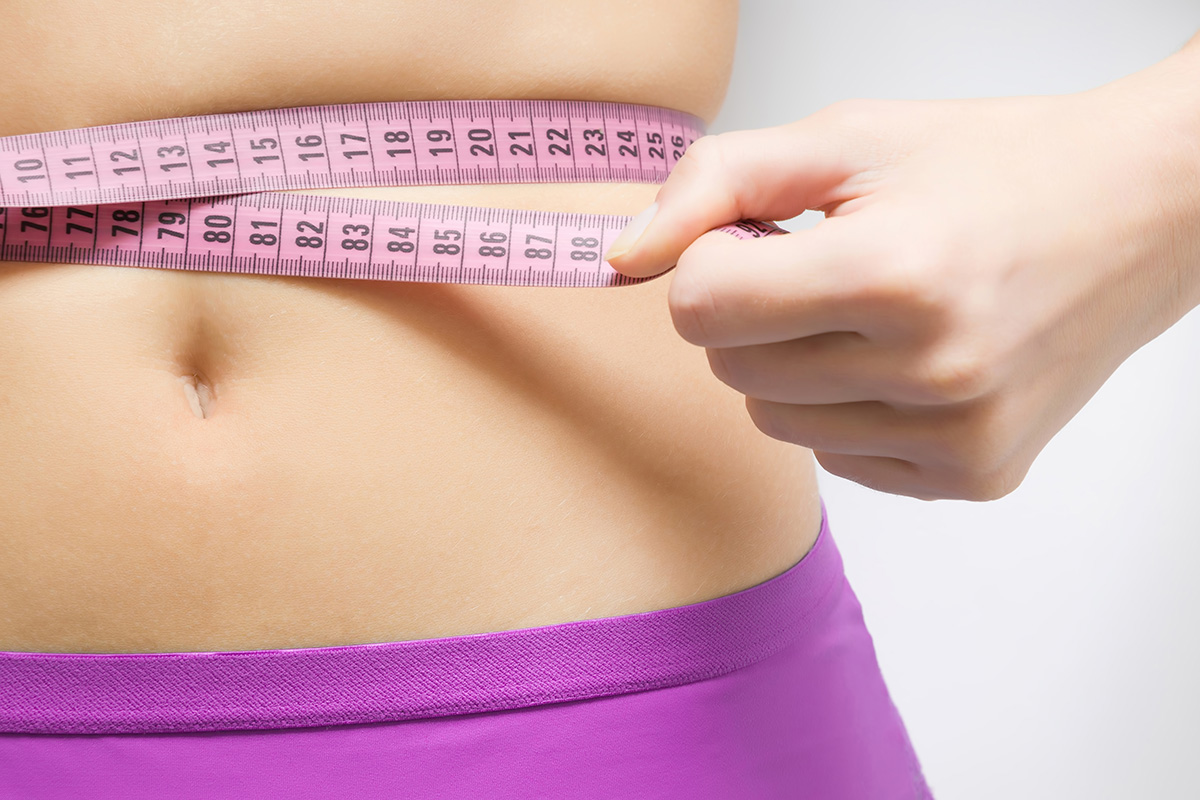
Julie notes that with Mounjaro increasing their prices recently, many dieters are desperate to try other things.
‘Unfortunately, due to Mounjaro's price increase in September 2025, some people are now turning to untested alternatives and are buying from unlicensed providers. It's a really worrying pattern, people who genuinely need help with weight management are being pushed towards products that don't work, and in some cases aren't safe, simply because the treatments that do work have become unaffordable for many. This is one of the reasons we take pride in being an affordable, GPhC registered provider.’
Doctor Olga Bachilo is a board-certified plastic surgeon and founder of Glamour Plastic Surgery and Med Spa in Houston. She says, ‘At my practice, I consult patients regularly on non-surgical body treatments, and weight loss patches come up more than you'd think. That background puts me in a good position to break down what's actually in these products and whether the science holds up.
‘Most weight loss patches contain a mix of caffeine, green tea extract and garcinia cambogia, with some brands adding B vitamins or appetite-suppressing compounds like synephrine or fucoxanthin. Ingredient lists vary so much from brand to brand that it's hard to make sweeping generalisations about what you're actually getting.
‘My bioengineering background trained me to read these formulations carefully and after years of consulting patients on non-surgical treatments, I've seen ingredients come and go with every new trend. Some of these compounds have real science behind them in oral form but that's a very different story from what ends up in a patch.’
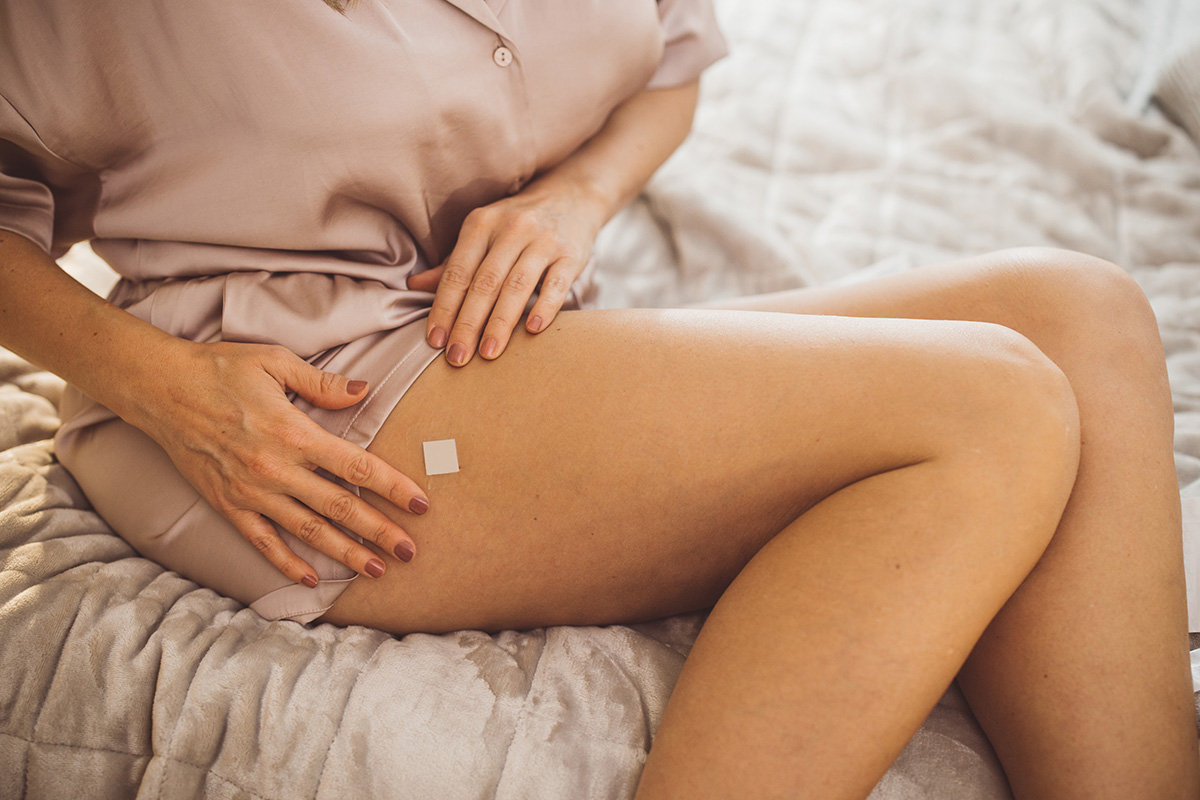
Can these products really get under the skin?
‘The whole premise of a weight loss patch relies on transdermal delivery, meaning the skin absorbs the active ingredient directly into the bloodstream,’ continues Dr Bachilo. ‘That works well for certain molecules like nicotine or hormones because they are small enough and fat-soluble enough to pass through the skin barrier.
‘Most compounds found in weight loss patches are too large and too water-soluble to cross that barrier in any measurable amount. The skin is designed to keep things out, and that means slapping a patch with green tea extract on your arm is unlikely to move the needle. The truth is, the FDA classifies most weight loss patches as dietary supplements, not drugs, which means they skip the rigorous clinical testing that actual medications go through.
‘No large-scale peer-reviewed studies confirm that any transdermal weight loss patch produces real fat loss in humans. I've had patients come to me after spending anywhere from $50 to $300 on these patches over several months with zero results. If a weight loss solution bypasses FDA drug approval and lacks peer-reviewed support, that's a strong signal to pause before purchasing.’
So are they a placebo?
Dr Dhara Patel is a physician associate at Kuon Healthcare. She says. ‘Weight loss patches are commonly sold as transdermal products with promises of active ingredients being carried through the skin to assist in fat burning, appetite suppression or metabolism acceleration.
‘Some of the most commonly advertised ingredients include herbal extracts (such as green tea, garcinia cambogia, or guarana), caffeine, vitamins, and occasionally essential oils or artificial chemicals. Nonetheless, the concentration and the real absorption of these substances through the skin are usually ambiguous and not backed by clinical evidence.
‘Medical-wise, at this point, no solid, peer-reviewed facts that weight loss patches can result in any meaningful or sustainable weight loss exist. The idea of administering fat-loss compounds through the skin is constrained by the skin barrier functionality that restricts the majority of active ingredients from achieving effective doses by reaching systemic circulation.
‘Regarding efficacy, any observed effects tend to be insignificant and might be explained by the placebo effect, changes in dieting, or heightened health awareness itself and not the patch itself.’
No evidence to prove they work
Pharmacist Julie Boora says, ‘No rigorous trials have confirmed that weight loss patches help people lose weight, and the evidence that does exist tends to be conflicting, based on ingesting ingredients orally rather than absorbing them through the skin.
‘Any weight loss someone experiences while using a patch is far more likely to be down to lifestyle changes they've made at the same time. So in short, it points to being a scam. The MHRA (the Medicines and Healthcare Products Regulatory Agency) has previously warned against buying unlicensed weight loss products, but patches continue to be sold freely with very little oversight. Because they're classed as supplements rather than medicines, they don't have to meet the same safety, efficacy, or dosing standards.
‘There's no standardised dosing for the ingredients used. Manufacturers decide what goes in and how much, which raises real concerns about both safety and efficacy. The "natural" label can give people false reassurance. Because patches haven't been rigorously tested, there's no clear safety profile.
‘Patches contain different ingredients, which complicates things further. Some ingredients carry real risks, for example garcinia cambogia has been reported to cause serious liver damage in rare cases, and some herbal ingredients can interact with medications people are already taking. On top of that, the biggest danger might be indirect, people delaying or abandoning treatments that actually work in favour of something that doesn't.’
Not licensed weight loss medication
Umar Razzaq is superintendent pharmacist and co-founder of Pharmacy Online. He says: ‘Most slimming patches contain a mix of herbal extracts and stimulants rather than any licensed weight loss medication. Common ingredients include green tea extract, garcinia cambogia, guarana, caffeine, açai berry, and seaweed or fucus vesiculosus. Some also throw in things like capsaicin, L-carnitine, or raspberry ketones.
‘The actual amounts vary wildly between brands, and many patches don't disclose proper dosages at all. The theory is that active ingredients are absorbed through the skin and into the bloodstream, supposedly boosting metabolism or suppressing appetite. In reality, most of these ingredients have molecules far too large to cross the skin barrier in any meaningful amount. Even if some did get through, the doses involved are nowhere near what would be needed to have a clinical effect on weight.’
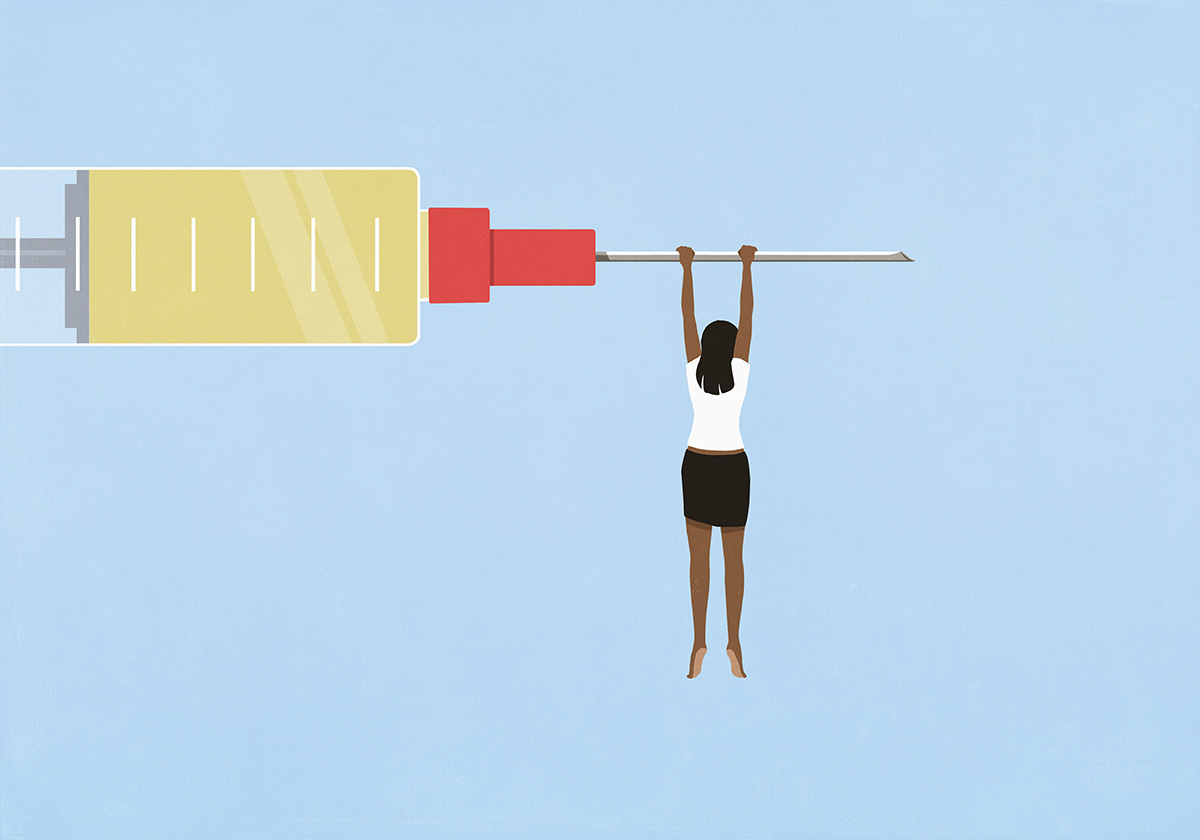
So can any of these ‘herbal extracts’ ever work?
‘In a word, no,’ says Umar Razzaq. ‘There are no robust clinical trials showing slimming patches produce meaningful, sustained weight loss. Any results people report are almost always down to the lifestyle changes they make alongside using them, or simply the placebo effect. Compared to proven options like GLP-1 medication, structured diet plans, or bariatric surgery, patches are firmly in the snake oil category.’
Like other experts, Umar believes that many people are turning back to weight loss patches with little evidence of proof, because they simply cannot afford weight loss jabs anymore.
He says: ‘With branded GLP-1 treatments like Mounjaro and Wegovy costing £150 to £250 a month privately, plenty of people are being priced out and looking for cheaper alternatives. Social media is flooded with slimming patch ads aimed exactly at this audience, which is concerning.’
They’re not regulated either, he explains, ‘Most are sold as cosmetic products or general wellness items rather than medicines, which means they bypass the rigorous testing that licensed treatments go through. There's no requirement to prove they work, and ingredient lists are often vague or incomplete.
‘Skin irritation and allergic reactions are common. Stimulant-heavy patches can cause palpitations, raised blood pressure, and anxiety. More worryingly, because this market is so poorly policed, there's no guarantee a patch actually contains what the label says.
‘Similar 'herbal' slimming products have been repeatedly found to contain banned pharmaceutical ingredients. If you're spending money on weight loss, speak to a pharmacist or GP about options that actually work.’
Read more:
