
The quest to lose weight has taken on a new shape over recent years in a multi-billion-pound industry where injectables are king and even the collagen marketers are extolling to virtues of the supplement’s weight-loss boosting benefits, as well as turning back the clock on our ageing skin.
Those of us trying to drop the pounds in a bid to unveil a new slimmer figure are basically trying to lose fat, seeing it as an evil best banished, and that with a little less of it, we’ll be happier than the proverbial pig in porridge.
But it really isn’t that simple. So we should probably be more clued up on exactly what fat is; its important role in our bodies, and how to tell good fats from bad, and why one type could even aid you on your weight-loss journey – as long as you treat it right and know how to activate it.
- Foods with the ‘Ozempic effect’ that trigger weight loss naturally
- This is how to burn fat and tone up fast without hours on the treadmill, says personal trainer
Types of fat
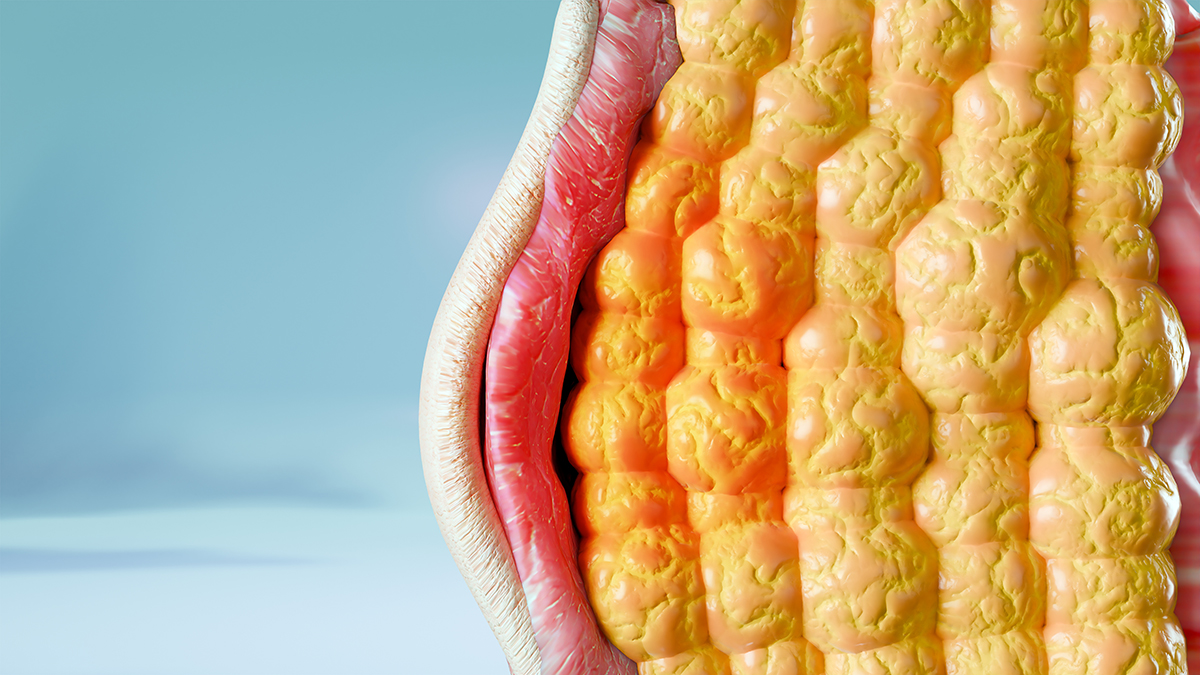
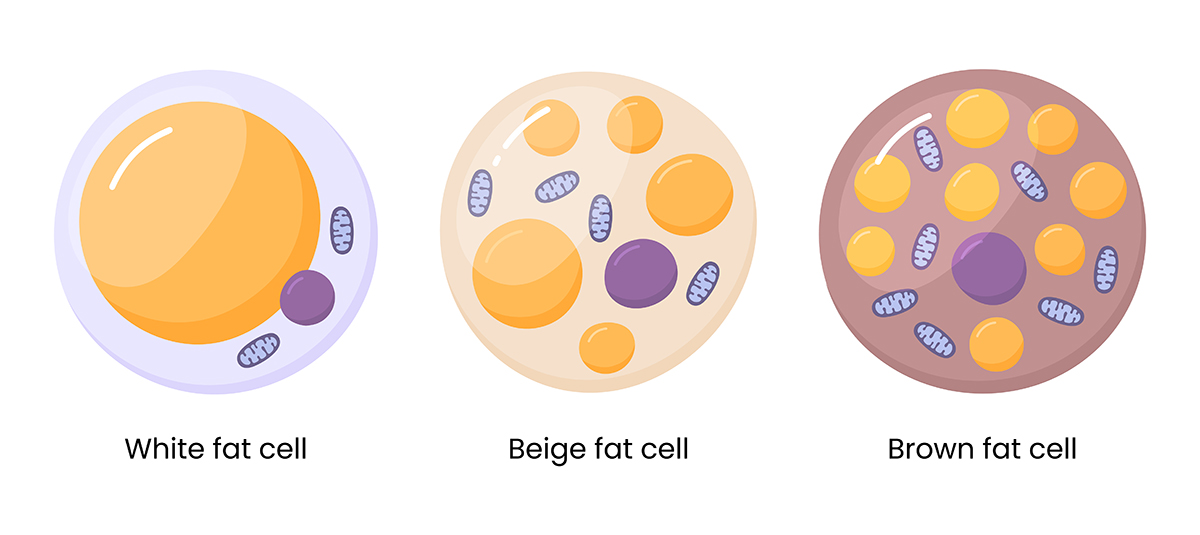
Despite the broad use of the word ‘fat’, there are three different types of fat cells in our bodies, all with different functions.
Firstly, there’s white fat, which stores energy and is found just under the skin, especially in the stomach, arms, legs and bottoms.
It is storing energy for later use but also plays an important role in the function of hormones including insulin, estrogen, the stress hormone cortisol and the hunger hormone, leptin.
Some white fat, under 25 per cent of your body weight, is essential, but too much can be dangerous, increasing the risk of heart attacks and strokes, as well as higher risks in pregnancy and kidney and liver disease.
Beige fat is still being researched but is essentially white fat which has been converted into beige fat, and researchers believe this happens when you are stressed, cold or when you exercise.
Scientists are studying the possibility of beige fat preventing obesity and maximising healthy levels of body fat.
Which brings us to brown fat, which could hold the key to successful weight loss, and a healthier body.
Different functions
Marcelle Rose, Nutritionist & Author of The Binge Freedom Method, explains how white fat and brown fat are found in different areas of the body and have different functions.
'White fat is the body’s main energy store and provides protective cushioning throughout the body. It also acts as an active organ by releasing hormones that affect your appetite and metabolism. White fat is essential for survival, and health issues only arise from excessive amounts particularly the fat located around the organs, known as visceral fat.
'Unlike with white fat, brown fat cells are packed with tiny energy ‘factories’ called mitochondria and a special protein which enables it to produce heat rather than store energy. It breaks down fat and sugar in the blood to help maintain body temperature, a process known as thermogenesis. While babies and young children have the most amount of brown fat, adults still have small amounts, usually around the neck and upper chest.

How can you activate brown fat?
'Some foods and drinks are thought to help ‘activate’ brown fat, although the evidence is still limited,' Marcelle explains.
'Chilli may have an effect because of its compound capsaicin, while green tea contains catechins that could play a role. Grapes and red wine are linked to brown fat activity thanks to a compound called resveratrol, and the spice turmeric contains curcumin, which has also been studied.
'Oily fish such as salmon, mackerel, anchovies, sardines, and herring may help due to their omega‑3 fats. However, most of this research has been carried out on animals, so it’s not yet clear whether these foods would make a meaningful difference in humans and we need more studies to find out.
'People with more active brown fat seem to have better blood sugar control and healthier levels of fats in the blood, including lower triglycerides and higher “good” cholesterol, which are markers linked to a lower risk of heart and metabolic diseases.'

Health benefits
Studies comparing large numbers of people have found that brown fat is associated with lower rates of type 2 diabetes, high blood pressure and cardiovascular disease, even in those who are overweight or obese. This suggests that brown fat may help protect against a range of metabolic conditions.
Specialist registered dietician Nichola Ludlam-Raine, the author of How to Not Eat Ultra-Processed, explains.
'Brown fat (brown adipose tissue, BAT) is a metabolically active type of body fat whose main job is heat production (thermogenesis). Unlike white fat (which primarily stores energy), brown fat is rich in mitochondria and contains a protein called UCP1 that allows the body to burn fuel (fatty acids and glucose) to generate heat.
'In adults, BAT is typically found in small pockets around the neck/collarbone, upper chest and along the spine. Babies have proportionally more BAT, which helps them maintain body temperature.
'BAT can increase energy expenditure because it ‘wastes’ energy as heat. However, it’s important not to overstate the effect: in real-world human studies, activating BAT does not usually translate into large, reliable weight loss on its own.
'The potential contribution to daily calorie burn tends to be modest, and BAT volume/activity varies widely between people (generally lower with age and higher body fat levels). That said, BAT activation may still be meaningful in weight management as a supportive mechanism – particularly because it can improve aspects of metabolic health and may slightly nudge energy balance in the right direction when combined with a sustainable, healthy diet, exercise and adequate sleep.'

Brown fat activation
So, is there a proven way those wanting to maximise their weight-loss goals can use their brown fat stores to help them to speed up their journey?
Nichola says: 'The most consistent activator is cold exposure, which stimulates the sympathetic nervous system and turns on BAT thermogenesis. Practical, safer examples that are often used in research include cooler ambient temperatures (e.g., spending time in a cool room) and regular, brief cold exposure, such as a cool shower finish if tolerated. However, deliberate cold exposure isn’t appropriate for everyone (e.g. people with certain cardiovascular conditions, Raynaud’s, uncontrolled high blood pressure or pregnancy.)
'Brown fat is increasingly linked with metabolic health beyond body weight. In human studies, greater brown fat activity is associated with better blood sugar control and insulin sensitivity, healthier handling of blood fats after meals, and more favourable metabolic profiles in conditions such as fatty liver disease and broader cardiometabolic risk.
'These findings are promising and biologically plausible but remain an active area of research and do not yet translate into a stand-alone treatment.'
Ways to activate brown fat
1. Mild cold exposure
Spending time in cooler environments (around 16–19°C) can stimulate brown fat activity. This might include:
- Turning down indoor heating slightly
- Sleeping in a cooler room
- Taking brisk walks outdoors in cool weather
The aim is mild coolness, not extreme discomfort.
2. Cold showers or finishing cool
Short bursts of cool water at the end of a shower may stimulate thermogenesis. Even 30–60 seconds can activate the body’s heat-producing response.
3. Regular exercise
Exercise doesn’t just burn calories directly; it may also influence brown fat activity and encourage the development of “beige” fat cells (white fat that behaves more like brown fat).
4. Build lean muscle
Muscle releases compounds during movement that may help stimulate thermogenic pathways linked to brown fat activation.
5. Consistent sleep patterns
Circadian rhythm influences metabolic hormones. Poor sleep is linked to reduced insulin sensitivity and altered thermoregulation. Maintaining regular sleep–wake cycles may indirectly support healthier brown fat function.
6. Caffeine
Caffeine stimulates the sympathetic nervous system, which the same pathway activated by cold exposure. Some small studies suggest caffeine may increase thermogenesis temporarily, though the effect is mild and not a standalone strategy.
7. Capsaicin (chilli heat)
Compounds in chilli peppers, particularly capsaicin, may stimulate thermogenic pathways. They activate receptors involved in heat sensation, potentially mimicking some cold-response mechanisms in a subtle way.
The effect is modest, but it supports the broader idea that thermogenic signalling can be influenced nutritionally.
8. Adequate iron levels
Brown fat is rich in mitochondria (which contain iron). Low iron status may impair thermogenesis. Ensuring adequate iron intake, especially in menstruating women, may help support metabolic efficiency.
9. Intermittent fasting
Some early research suggests fasting periods may influence fat “browning” pathways, encouraging white fat to behave more like metabolically active beige fat.
10. Thyroid health
Thyroid hormones play a central role in thermoregulation and metabolic rate. Untreated hypothyroidism can blunt thermogenic responses, including brown fat activation. Supporting thyroid health (medically, where needed) indirectly supports this system so see a healthcare expert if you have concerns.
Read more:
