
More women are getting hair transplants and this is why
Hair loss in women can have a significant mental impact, affecting confidence, self-esteem, and quality of life. Women experiencing hair loss now have access to highly effective, minimally invasive procedures that restore hair density and aesthetic appearance. However, in recent years, hair restoration surgeons have noticed an increase in women seeking consultations about hair transplants, a procedure once predominantly performed on men.
Female celebrities, such as actress Stephanie Davis and TV personality Chloe Goodman have publicly revealed they have undergone the procedure, and many other high-profile celebrities have reportedly had a hair transplant according to expert opinion, but they haven’t confirmed it. While it is becoming less of a taboo, it seems that women are still unwilling to admit they need help with extreme hair loss.
To determine whether hair transplants are suitable for women, we must first look at the underlying factors specific to female hair loss and why there are many options available before going under the knife. We spoke with experts to understand why women may be seeking a surgical solution for their hair loss.
- Height surgeon reveals the shocking lengths patients go through to be 3 inches taller
- Can you really 'shake' off fat? Find out if vibration plates are worth the hype
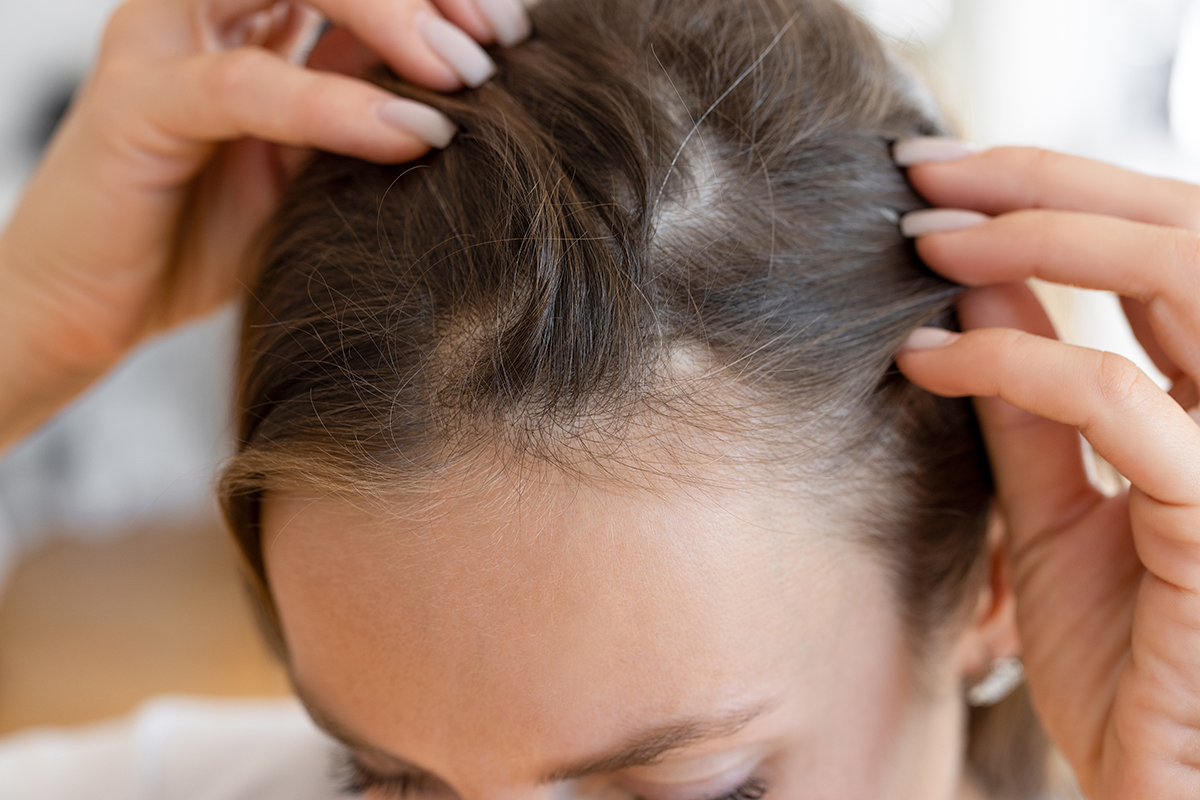
Understanding patterns of female and male hair loss
Both men and women can experience androgenetic alopecia, better known as male or female pattern baldness. But the condition can look different in men than in women.
Men usually start to notice hair loss in their thirties, says dermatologist Dr John Browning, although he occasionally treats teenagers with early-onset androgenetic alopecia. With age, more men become affected. In fact, about half of men have some male pattern baldness by age 50, and about 4 in 5 men have it by age 70.
Women typically hold onto their locks a little longer - about 10 to 15 years after men typically start losing hair, says Browning. In women, alopecia usually occurs after menopause, largely because hormonal changes in the body - such as an increase in androgen and a decrease in oestrogen - also alter the hair follicles.
Androgenetic alopecia does not affect every hair follicle on your scalp. Men tend to thin in the front and crown of the head, so they may appear to have a receding hairline or bald spot.
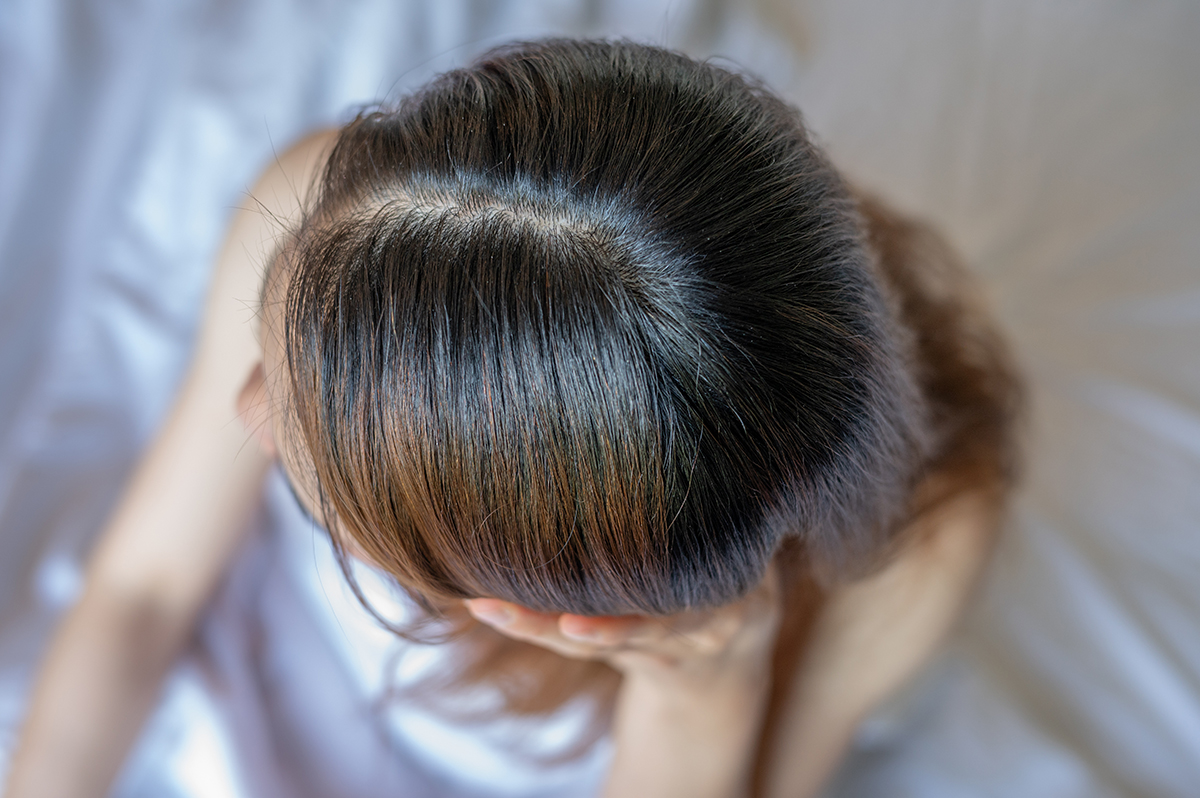
For women, hair thins on the top of the scalp, but not usually in the front of the head. ‘There is widening of the central part that progresses to more diffuse thinning,’ says Browning. Total baldness in females is rare, he adds.

Genetic factors that lead to hair loss
Genetics, specifically, the androgen receptor gene, plays a major role in male and female hair loss. Browning says, ‘If you have a variation in this gene, your hair follicles are more sensitive to an androgen called dihydrotestosterone (DHT), which is a derivative of testosterone. Higher levels of DHT lead to thinner and shorter hair follicles (the tubelike structures that produce strands of hair), which may eventually stop growing hair altogether.’
Androgen sensitivity, though, can be linked to different health conditions for men and women. Up to 67% of women with androgenetic alopecia, for example, also have polycystic ovary syndrome (PCOS). This hormone disorder can cause hirsutism, or unwanted hair growth on the face, chest, and back.
Men who have androgenetic alopecia may have an increased risk of coronary artery disease, a type of heart disease in which the blood vessels that supply blood to the heart narrow and become blocked. In fact, one study suggested that androgenetic alopecia can be used as a screening method for coronary artery disease.

Hormones play a major role in female hair loss
Dr Manish Mittal, hair restoration surgeon at Mittal Hair Clinic, says, ‘Hormonal fluctuations play a significant role, particularly during pregnancy, menopause or with conditions such as polycystic ovary syndrome, where oestrogen levels fall and androgen influence increases.’
Research shows that these hormonal fluctuations can alter the hair shaft and hair cycle, including decreased density, decreased calibre, and changes in hair texture.
Mittal says emerging evidence also suggests that certain medications, including GLP-1 receptor agonists used for weight management and diabetes, may contribute to hair shedding in some women, likely through metabolic or hormonal effects.
The way you style your hair is important, too
Mittal says when it comes to hair loss, it’s important to also consider mechanical factors. ‘Traction alopecia, caused by tight hairstyles such as ponytails, braids or extensions, leads to progressive follicle damage along the hairline and temples. Excessive styling, heat tools and chemical processing weaken the hair shaft and scalp environment, contributing to breakage and inflammation.’
Traction alopecia is not usually permanent if diagnosed early. Early detection is key to preventing permanent hair loss. Avoiding continued strain on the hair can allow full regrowth.
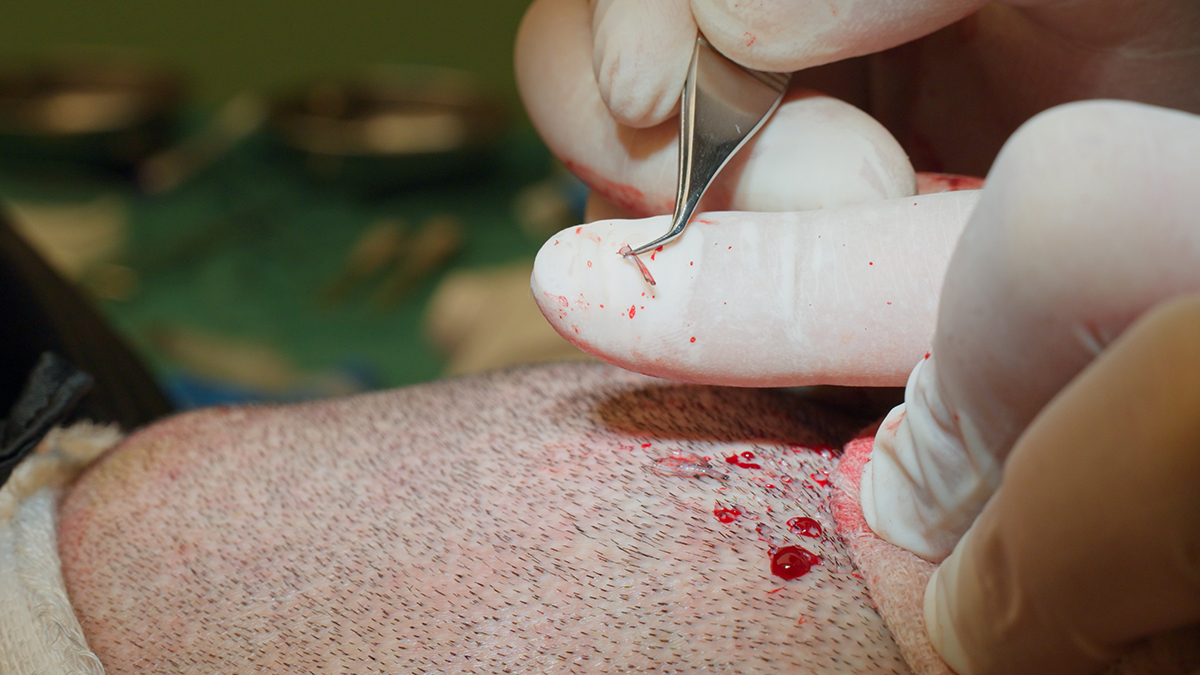
Who is a suitable candidate for hair transplant surgery?
Determining if a woman is a suitable candidate for hair transplantation requires careful evaluation by a qualified hair restoration specialist. Not every woman experiencing hair thinning or loss is an ideal candidate; a thorough medical history and clinical examination are vital. Factors that are taken into consideration prior to surgery include:
- Stable hair loss pattern: Ideal candidates exhibit predictable patterns of thinning, rather than widespread, rapidly progressive loss.
- Sufficient donor hair availability: Successful transplantation requires healthy donor hair, typically harvested from the back and sides of the scalp. A thorough evaluation ensures an adequate supply of robust follicles.
- Realistic expectations: Candidates should have realistic expectations regarding the outcomes. Clear communication about potential results and limitations helps align patient expectations with achievable goals.
- Absence of underlying medical conditions: Underlying medical issues that may contribute to hair loss must be addressed and stabilised before proceeding with transplantation to ensure optimal results and minimise complications.
What non-surgical hair restoration options are available?
Browning says that before considering hair transplant surgery, other treatment options should be explored for hair loss, the most common of which are:
Medications – These are chemical compounds that you ingest or apply to your scalp at regular intervals to diminish the symptoms of alopecia and promote new hair production. Finasteride and minoxidil are the main treatments for male pattern baldness. Minoxidil can also be used to treat female pattern baldness.
Red light therapies – Red light therapy for hair growth uses red or near-infrared light to stimulate your follicles. While it can take several months of daily use to see its effects, it can provide very good results in androgenetic alopecia (up to 51% hair density increase in women and 35% in men).
Derma rolling - This involves rolling a small tool covered in fine needles across your scalp, which is why it is also known as micro needling. This causes very small punctures on the surface of your scalp, prompting your body to send growth and healing factors to the area around your hair follicles. Over time, this stimulates improved hair growth.
Hair growth products – shampoos and conditioners for hair growth, hair masks, and similar products that contain active ingredients that promise to increase hair density. However, there is usually little scientific evidence regarding their efficacy.
What does hair transplant surgery involve?
A hair transplant is usually carried out under local anaesthetic and sedation, which means you'll be awake but will not feel any pain.
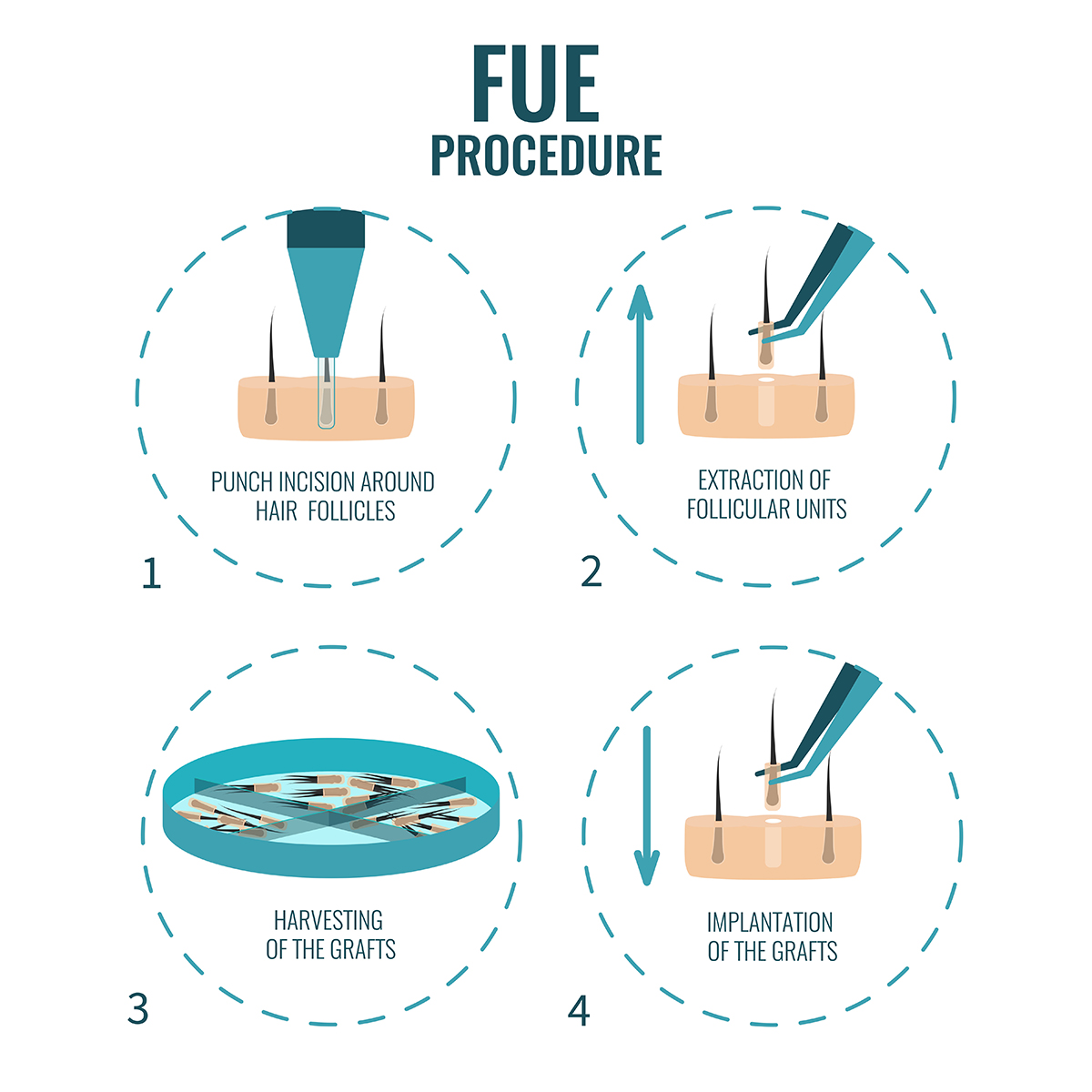
Mittal explains the two main techniques used in female hair transplantation: FUE (Follicular Unit Extraction) and FUT (Follicular Unit Transplantation).
FUE involves harvesting individual follicular units from the donor area using a micro-punch. It avoids a linear scar and allows women to wear their hair short after the procedure. In the FUE procedure:
- A thin strip of skin with hair is removed from the back of your head and divided into pieces, which are called hair grafts.
- The grafts are placed into tiny cuts made in the scalp.
- The site where the hairs are taken is closed with stitches.
- You'll have a scar on the back of your head, but it should not be visible unless you have very short hair.
- The head does not need to be shaved – only the area where the skin is removed is trimmed.
Recovery typically involves mild swelling and scabbing for 7–10 days, with transplanted hairs shedding before regrowth begins at around three months.
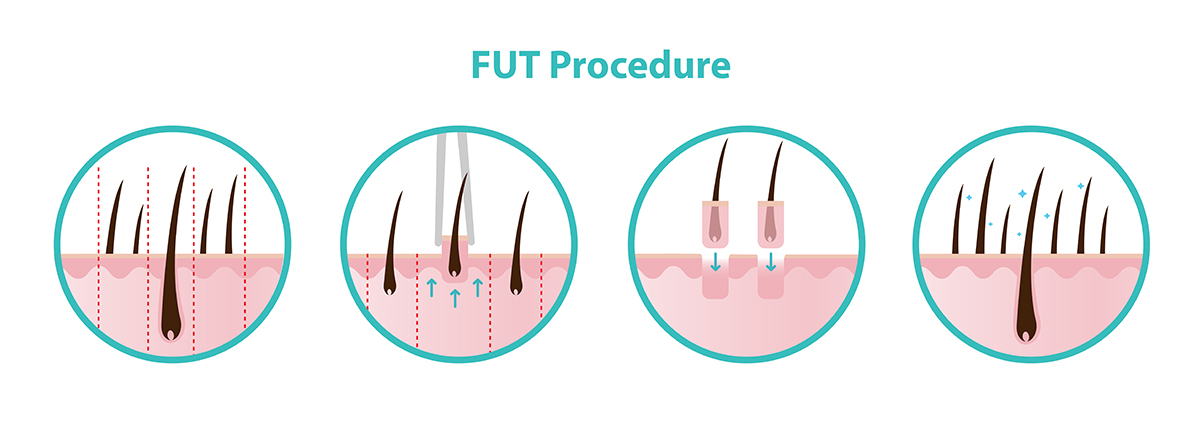
FUT involves removing a thin strip of scalp from the donor area and dissecting it into grafts. This can yield higher graft numbers in one session and avoids full shaving but leaves a fine linear scar. In the FUT procedure:
- Individual hairs are removed 1 by 1 (grafts).
- The grafts are placed into tiny cuts made in the scalp.
- You'll have lots of tiny scars, but they will not be very noticeable.
- Recovery is slightly longer, with sutures removed after 10–14 days.
‘In both methods, visible results emerge gradually, with full outcomes seen at 9–12 months. Crucially, surgery should only follow medical stabilisation of hair loss to ensure long-term success,’ says Mittal.
Hair transplant recovery and expectations
Browning says you need to be very careful with your transplanted hair for the first two weeks after your operation. The grafts will not be secure.
You may be advised to reduce exercise in the first month to reduce scarring.
Recovery will look different for everyone, Browning says, as an expected timeline:
- After 2 to 5 days, any bandages can usually be removed, but you should not touch the grafts.
- Day 6: You should be able to wash your hair gently by hand.
- After 10 to 14 days, any non-dissolvable stitches can usually be removed.
- After a few weeks, the transplanted hair will often fall out, and later start to grow back.
- After 4 months, new hair will usually start to appear.
- After 10 to 18 months, the full results should be seen.
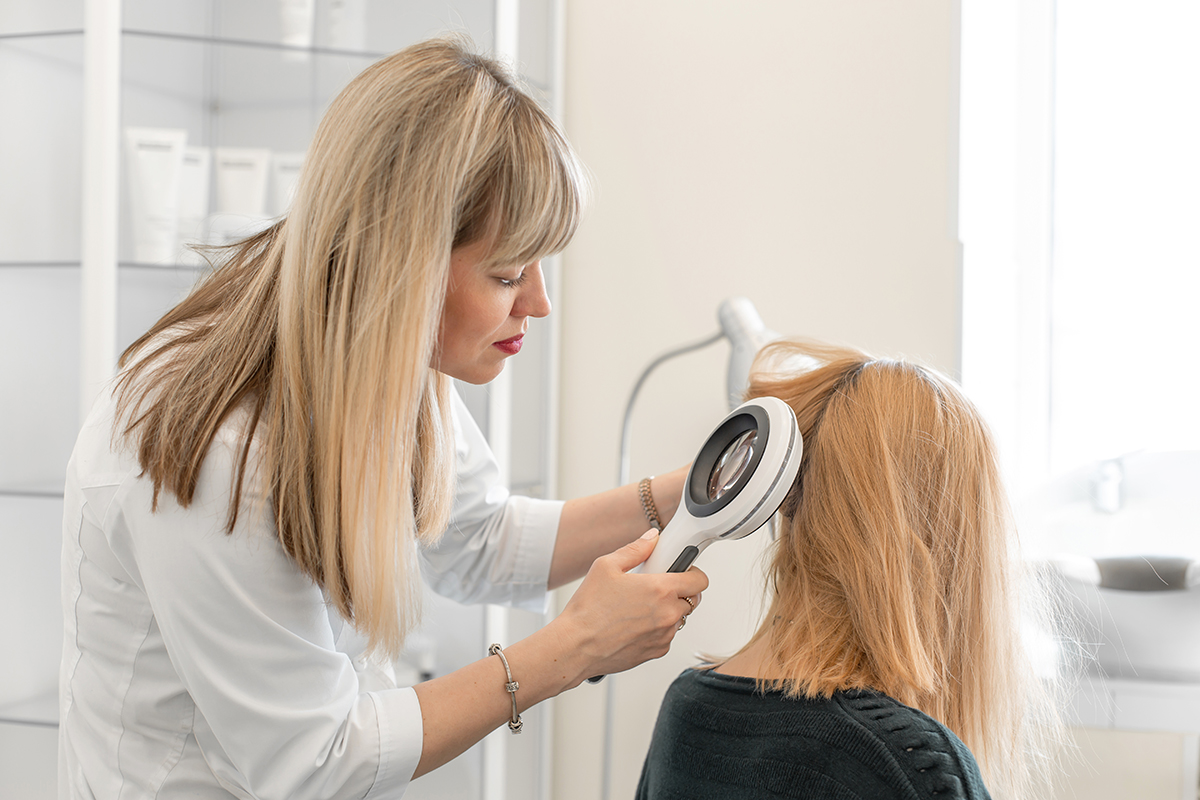
How much does a hair transplant cost?
Hair transplants for women in the UK generally cost between £2,500 and £10,000, with an average price of roughly £5,500 for an FUE procedure. Costs are determined by the number of grafts required (typically 1,000–3,000+), the extent of hair loss, and the complexity of the procedure.
Why hair transplants are typically more popular in men
Although Mittal says hair transplantation is less commonly performed in women, he has observed a 60% increase in enquiries from women over the last year. But as Mittal explains, there may be a reason why transplants are more straightforward in me. ‘Men usually experience predictable recession or crown loss with strong donor density at the back of the scalp, making transplantation less complicated. In women, thinning often affects the entire scalp, including the donor area, limiting the number of follicles that can be safely harvested.’
Another key issue is that many cases of women’s hair loss are potentially reversible, particularly when related to hormones, stress, or styling habits. In these cases, medical management is more appropriate than surgery. As Mittal says, ‘Transplanting into unstable or progressing hair loss risks poor long-term outcomes.’
There are also aesthetic considerations. Women usually want to preserve length and volume, making shaving donor areas more disruptive socially and psychologically. However, when carefully selected, for example, in traction alopecia, scarring alopecia or stable frontal thinning, hair transplantation can be extremely effective.
Read more:

